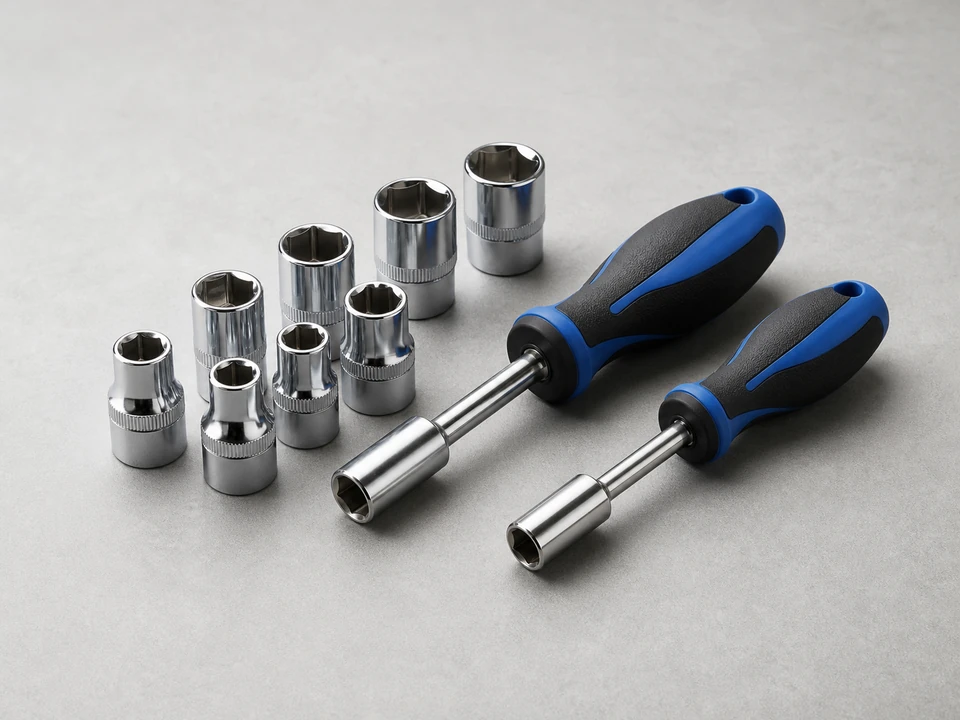
Nut driver set
Use it for: Removes the back panel, access panel, and mounting screws for the cutoff and thermostat.
Shop nut driver setsIf your dryer will not heat, shuts down from overheating, or has a failed thermal cutoff, you can replace the dryer thermal cutoff kit by unplugging the dryer, opening the rear or lower access area, swapping the old cutoff and companion thermostat from the kit, and testing for normal heat and airflow.
A thermal cutoff usually fails because the dryer overheated, not just because the part got old. Replacing the kit is straightforward, but it only lasts if you also clear lint buildup and make sure the vent is moving air well.
Before you start: Match the replacement part to your exact dryer before ordering.
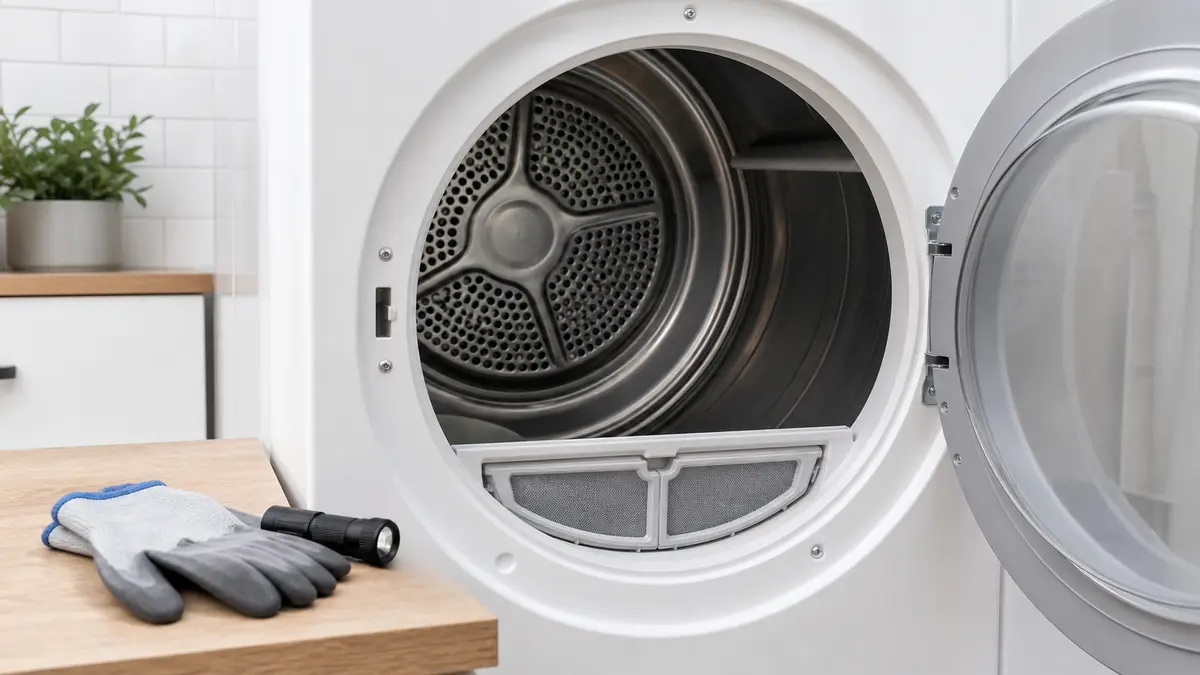
Thermal cutoff parts are inside the dryer, so airflow and safety checks should come before opening the cabinet.
Use it for: Removes the back panel, access panel, and mounting screws for the cutoff and thermostat.
Shop nut driver sets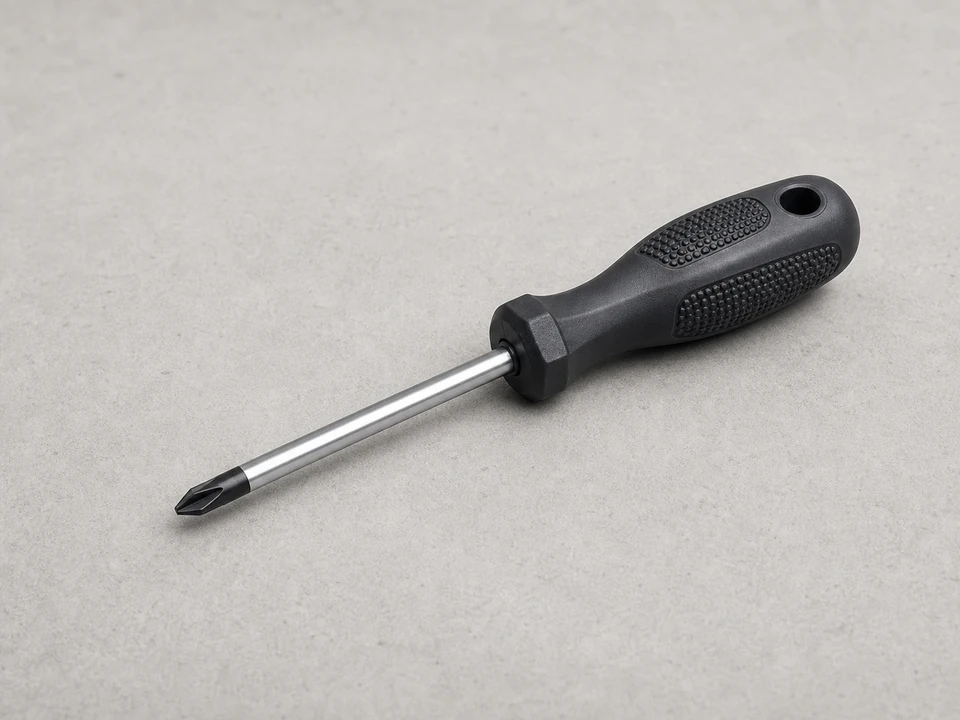
Use it for: Removes screws on some dryer panels and brackets.
Shop Phillips screwdrivers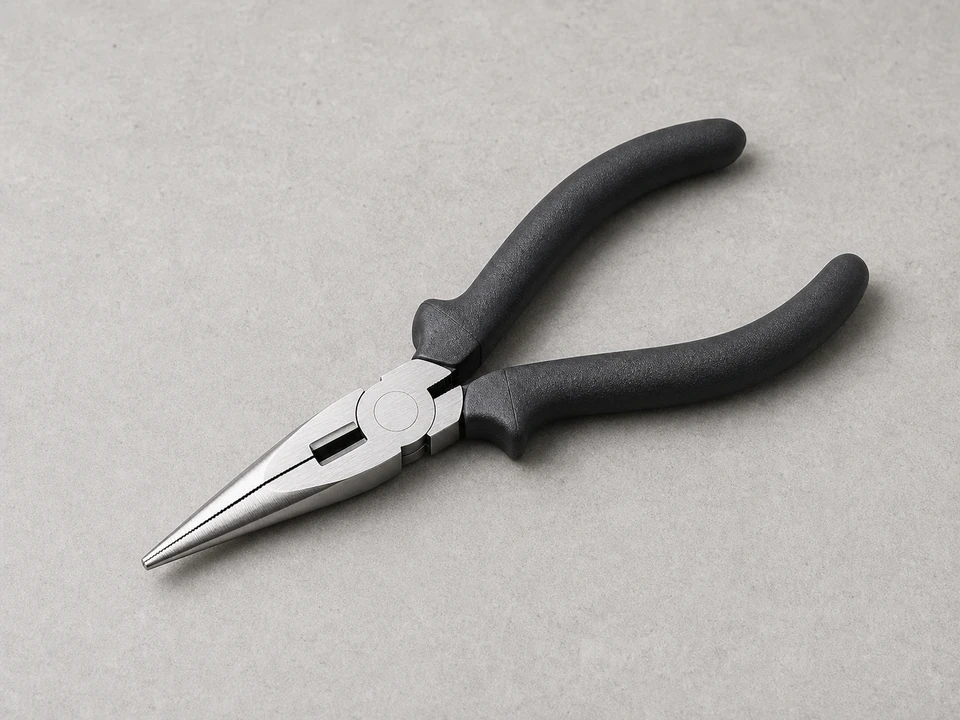
Use it for: Helps pull wire terminals off the old parts without damaging the connectors.
Shop needle-nose pliers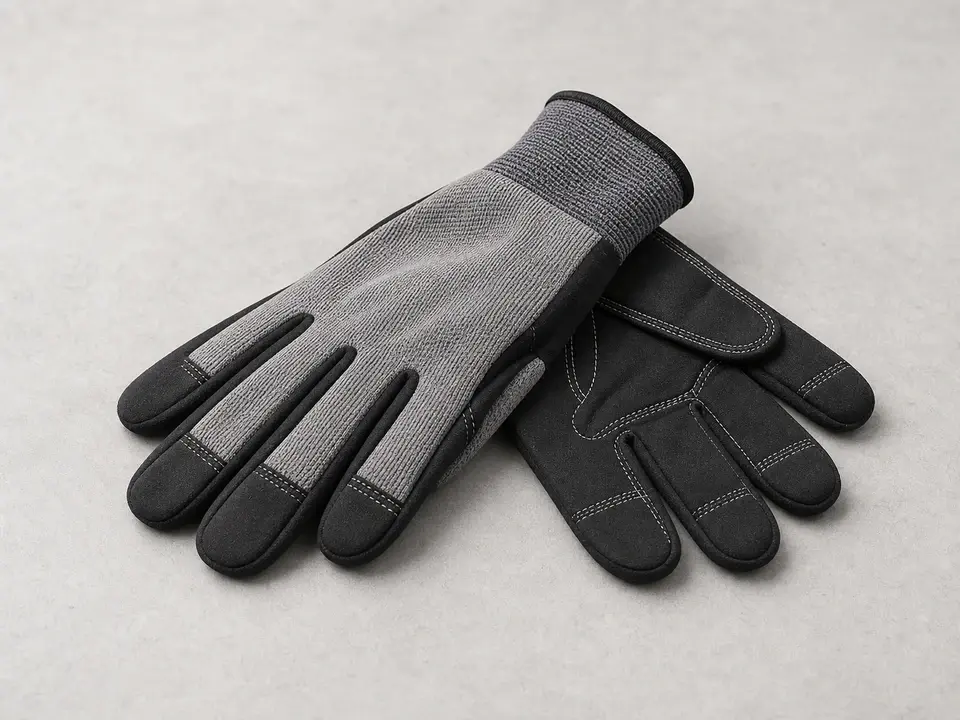
Use it for: Protects your hands from sharp sheet metal edges inside the dryer.
Shop work gloves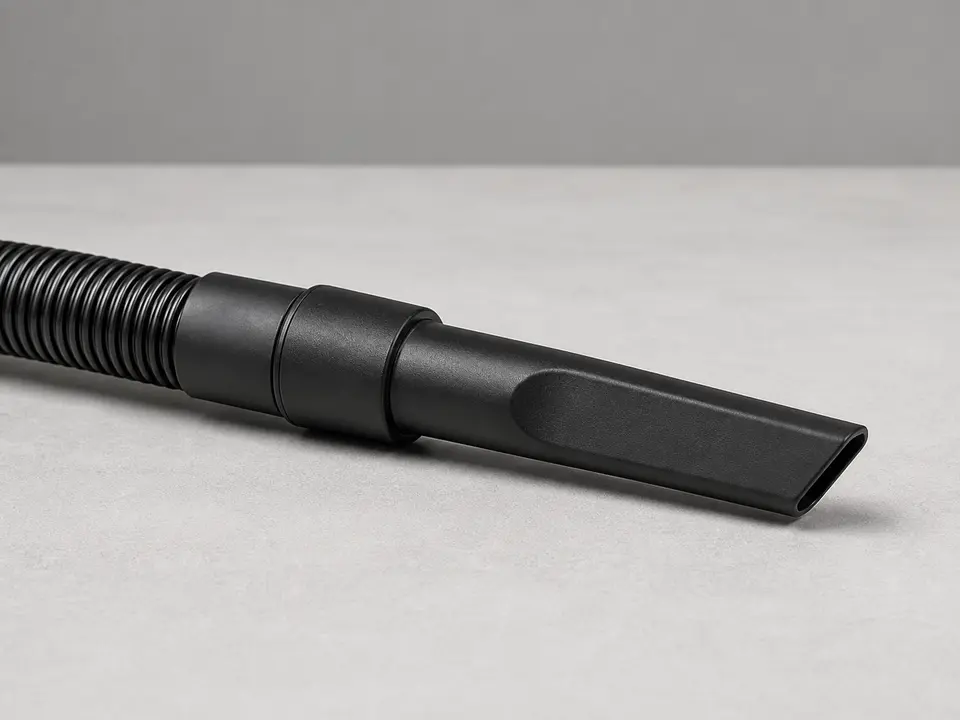
Use it for: Clears lint around the heater housing, blower area, and cabinet before reassembly.
Shop shop vacs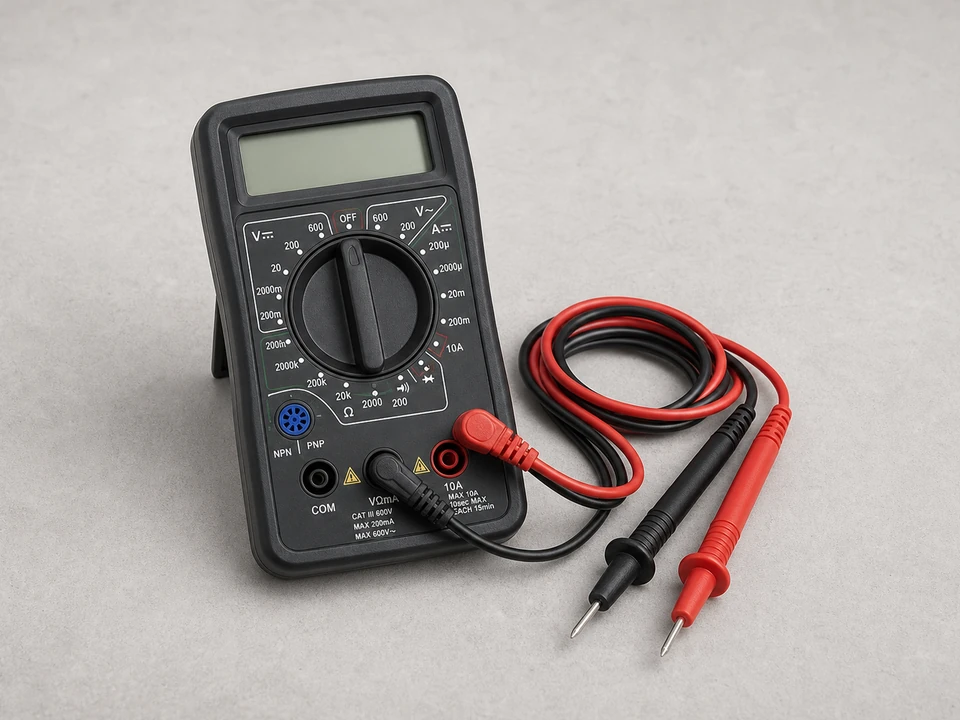
Use it for: Checks continuity if you want to confirm the old cutoff is open before replacing it.
Shop multimetersAs an Amazon Associate I earn from qualifying purchases. Repair Riot may earn a commission at no extra cost to you.
If it works: You have good reason to replace the dryer thermal cutoff kit and you have ruled out a simple lint blockage as the only issue.
If it doesn’t: If the dryer has normal airflow and the thermal cutoff tests good, the problem is likely elsewhere and this is not the best repair to start with.
If it works: You can clearly see the old thermal cutoff and the matching thermostat that will be replaced with the kit.
If it doesn’t: If you cannot find the parts from the access point you opened, check for an alternate service panel on your dryer and follow the wire path around the heater housing.
If it works: The old thermal cutoff and thermostat are out, and the new kit matches what came off the dryer.
If it doesn’t: If the new parts do not match the originals closely, pause and verify the dryer model before installing anything.
If it works: The new dryer thermal cutoff kit is installed securely and the wiring is back where it belongs.
If it doesn’t: If a connector feels loose, replace or tighten the terminal before reassembling so the new part does not fail from a poor connection.
If it works: The dryer is back together, the lint load is reduced, and the vent path is connected properly.
If it doesn’t: If the vent is badly clogged or crushed, fix that before running the dryer or the new cutoff may fail again.
If it works: The dryer heats and runs normally, and airflow is strong enough that the repair should hold.
If it doesn’t: If the dryer still does not heat or airflow is weak, continue with vent cleaning or further diagnosis because another failed part or airflow problem is still present.
Match the replacement part to your exact dryer before ordering.
As an Amazon Associate I earn from qualifying purchases. Repair Riot may earn a commission at no extra cost to you.
It replaces the safety cutoff that opens when the dryer overheats, along with the matching thermostat commonly packaged with it. The cutoff is there to stop unsafe overheating, so if it failed, the airflow problem that caused the heat buildup also needs attention.
Most kits are designed to be installed as a set. Replacing both parts helps restore the temperature control parts in that area together instead of leaving an older companion part in place.
Not by itself. A clogged vent can overheat the dryer and blow the new cutoff again. Clear the lint path and make sure the vent moves air well before you count the repair as finished.
Yes. With the dryer unplugged and at least one wire removed from the part, a failed cutoff usually shows no continuity. A good one usually shows continuity. If it tests good, another part may be causing the problem.
Not always. Some dryers use both terms for different parts in different locations. The safest approach is to match the replacement kit to your exact dryer and compare the old parts to the new ones before installing.