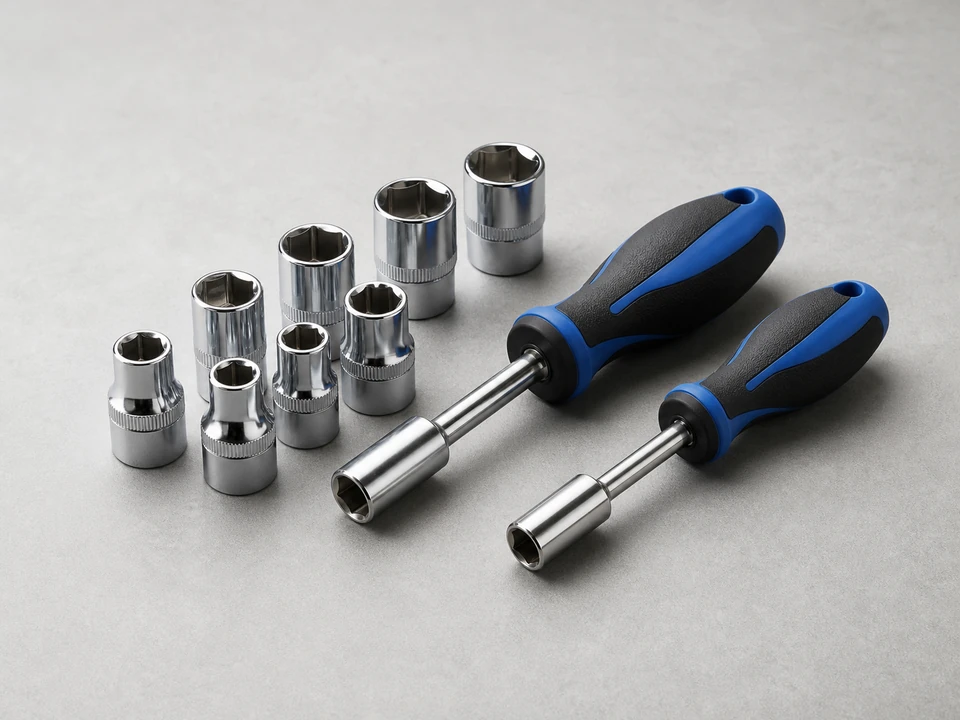
Nut driver set
Use it for: Removes the rear or lower access panel screws and the mounting screws for the cutoff.
Shop nut driver setsTo replace a dryer thermal cutoff, unplug the dryer, open the panel that gives access to the heater area, remove the failed cutoff, install the matching replacement in the same position, reconnect the wires, and test the dryer. If you find burned wiring, heavy lint buildup, or signs of overheating, stop and correct that issue before running the dryer again.
A thermal cutoff is a safety part that opens if the dryer overheats. Replacing it is usually a straightforward repair, but the dryer must be unplugged first and the venting should be checked so the new part does not fail again.
Before you start: Match the replacement part to your exact dryer before ordering.
Use it for: Removes the rear or lower access panel screws and the mounting screws for the cutoff.
Shop nut driver sets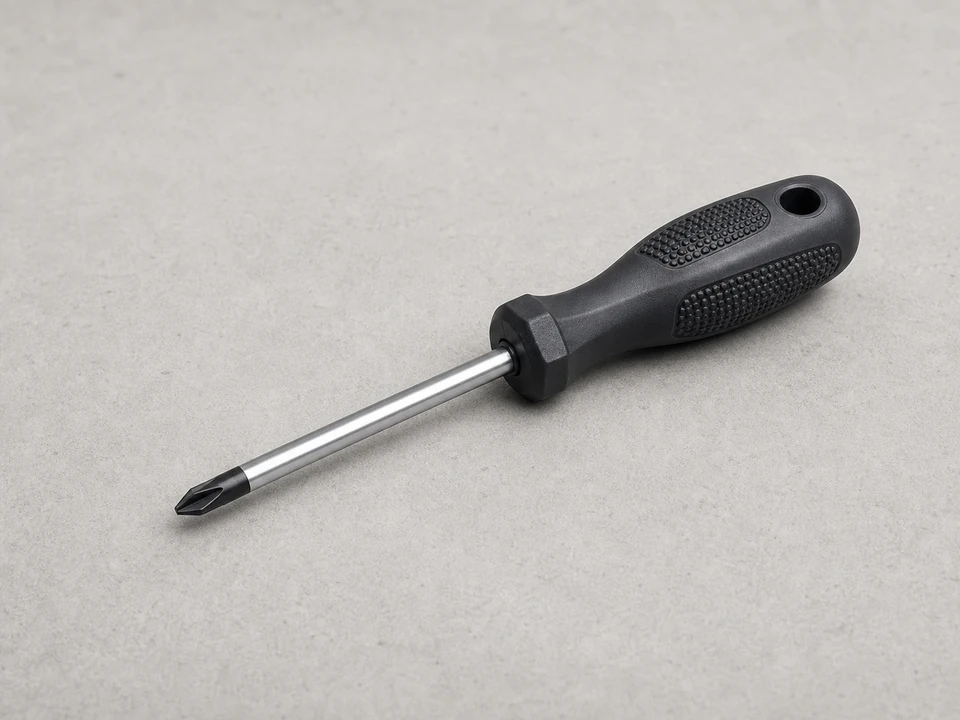
Use it for: Removes screws on some dryer panels and brackets.
Shop Phillips screwdrivers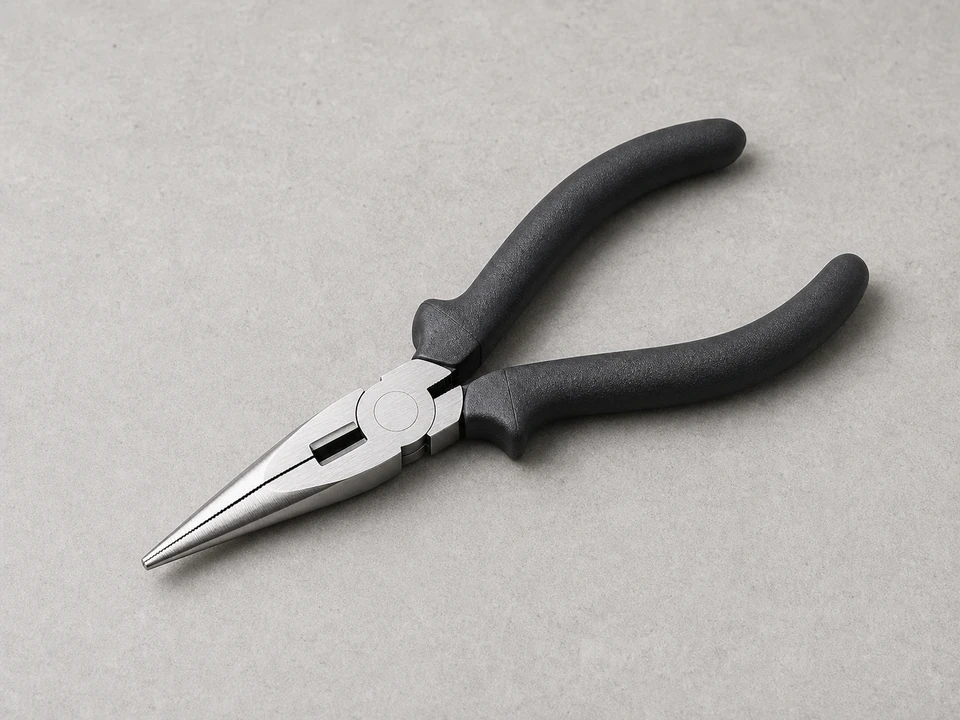
Use it for: Helps pull wire terminals off the old cutoff without yanking the wires.
Shop needle-nose pliers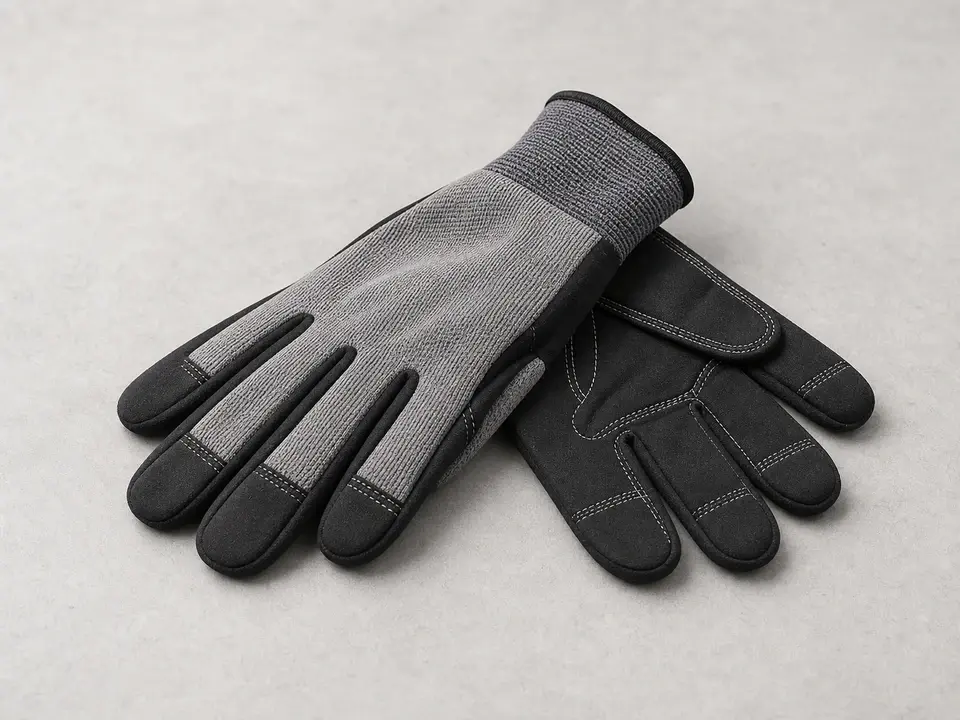
Use it for: Protects your hands from sharp sheet metal edges inside the dryer.
Shop work gloves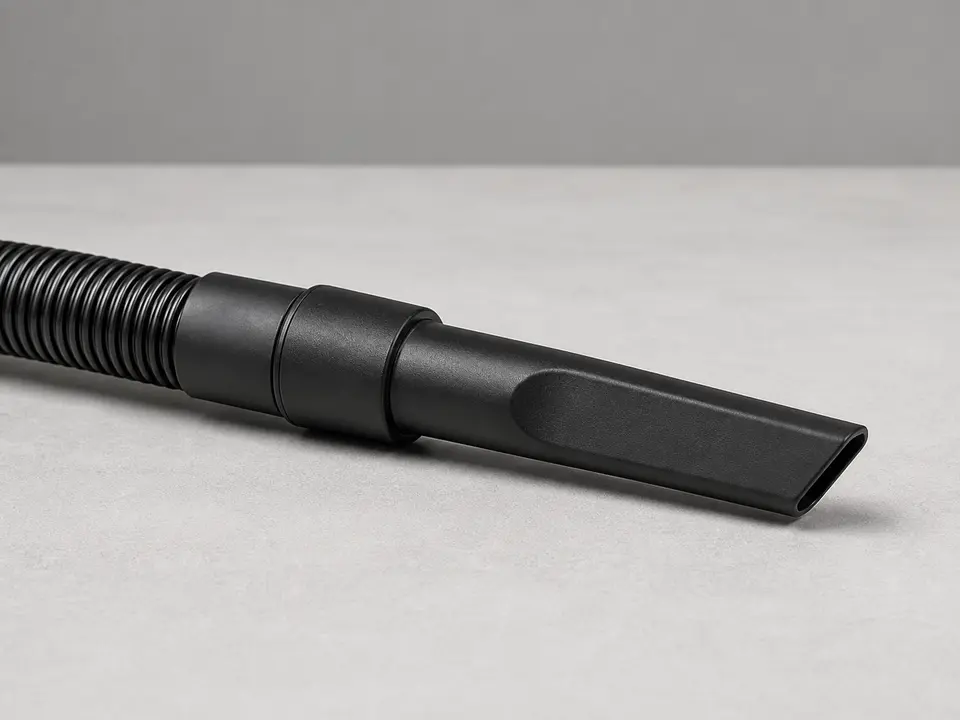
Use it for: Clears lint from the heater area and cabinet while the dryer is open.
Shop vacuums with crevice tools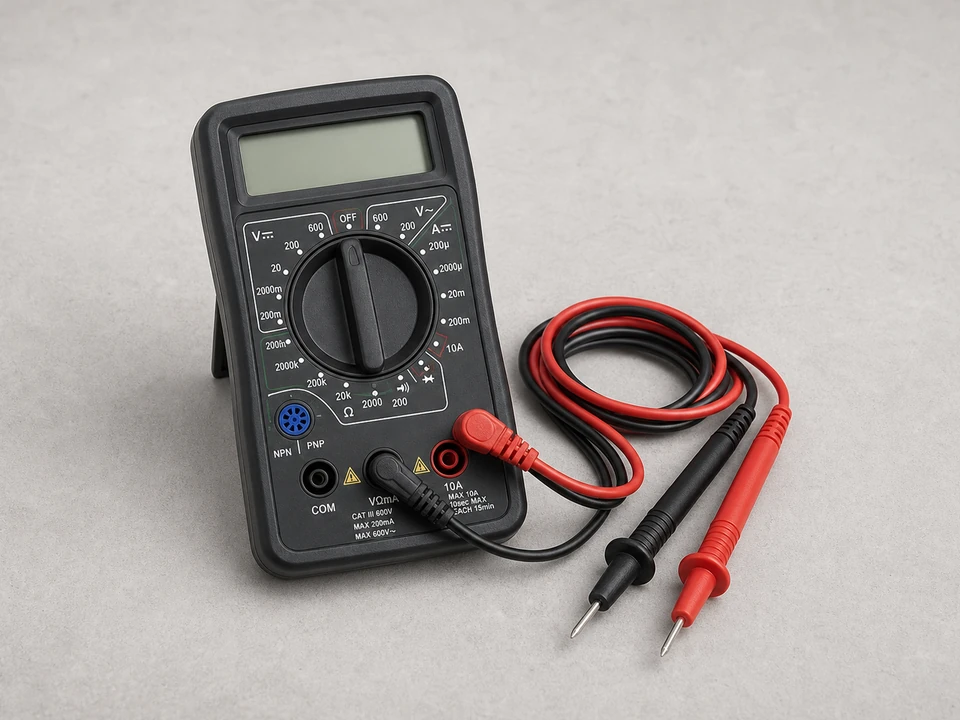
Use it for: Checks continuity if you want to confirm the old thermal cutoff has failed before replacing it.
Shop multimetersAs an Amazon Associate I earn from qualifying purchases. Repair Riot may earn a commission at no extra cost to you.
If it works: The dryer is disconnected from power and positioned so you can work safely.
If it doesn’t: If the plug or shutoff is hard to reach, stop and create more space before continuing.
If it works: You can see the thermal cutoff and have a reference photo for reassembly.
If it doesn’t: If you cannot identify the part confidently, compare the replacement part shape and terminal layout to what is installed before removing anything.
If it works: The old thermal cutoff is out and the wires are free for the new part.
If it doesn’t: If a terminal is stuck, wiggle it gently while supporting the connector. Do not pull hard on the wire itself.
If it works: The area is clean and there are no obvious airflow or wiring problems that would quickly damage the new part.
If it doesn’t: If you find restricted venting, clean or correct it before installing the new cutoff and running the dryer.
If it works: The new thermal cutoff is mounted securely and the wires are reconnected correctly.
If it doesn’t: If a connector feels loose, stop and correct the terminal fit before reassembling the dryer.
If it works: The dryer runs normally with heat and airflow, and the repair is complete.
If it doesn’t: If the dryer still does not heat or shuts down again, stop using it and continue diagnosis before replacing more parts.
Match the replacement part to your exact dryer before ordering.
As an Amazon Associate I earn from qualifying purchases. Repair Riot may earn a commission at no extra cost to you.
It is a one-time safety device that opens if the dryer overheats. Once it fails open, it must be replaced rather than reset.
A blocked vent, heavy lint buildup, poor airflow, or another overheating problem is a common cause. Replacing the part without correcting the cause can lead to another failure.
Yes. With the dryer unplugged and the wires removed, a multimeter can check continuity. A failed cutoff typically shows no continuity.
No. That removes an important safety protection and can create an overheating or fire risk.
The problem may be elsewhere, such as another failed thermostat, heating element issue, power supply problem, igniter problem on a gas dryer, or damaged wiring. Stop and diagnose further rather than guessing with more parts.