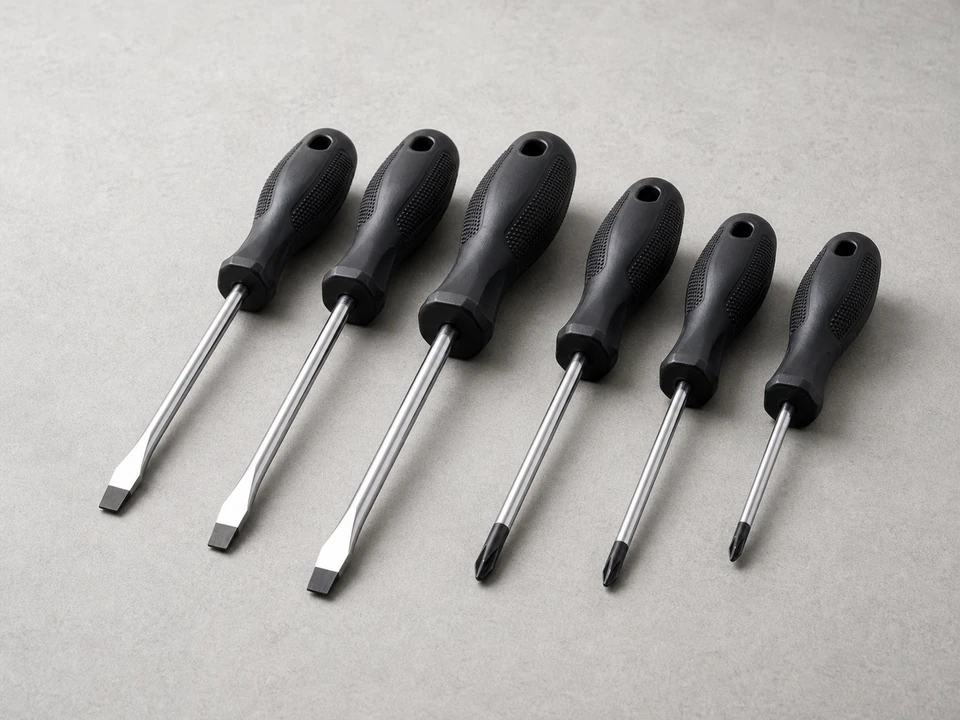
Screwdriver set
Use it for: To remove the rear panel, lower access panel, or top panel depending on how your dryer is built.
Shop screwdriver setsTo replace a dryer thermal fuse, unplug the dryer, open the access panel that reaches the fuse, remove the failed fuse, install the matching replacement, and test the dryer. Before replacing it, make sure the fuse is actually the reason the dryer will not run or heat.
A thermal fuse is a one-time safety part. When it blows, it usually points to overheating, often from restricted airflow. Replacing the fuse is usually straightforward, but it is worth checking the vent path too so the new fuse does not fail again.
Before you start: Match the fuse rating, connector style, and equipment compatibility before ordering.
Use it for: To remove the rear panel, lower access panel, or top panel depending on how your dryer is built.
Shop screwdriver sets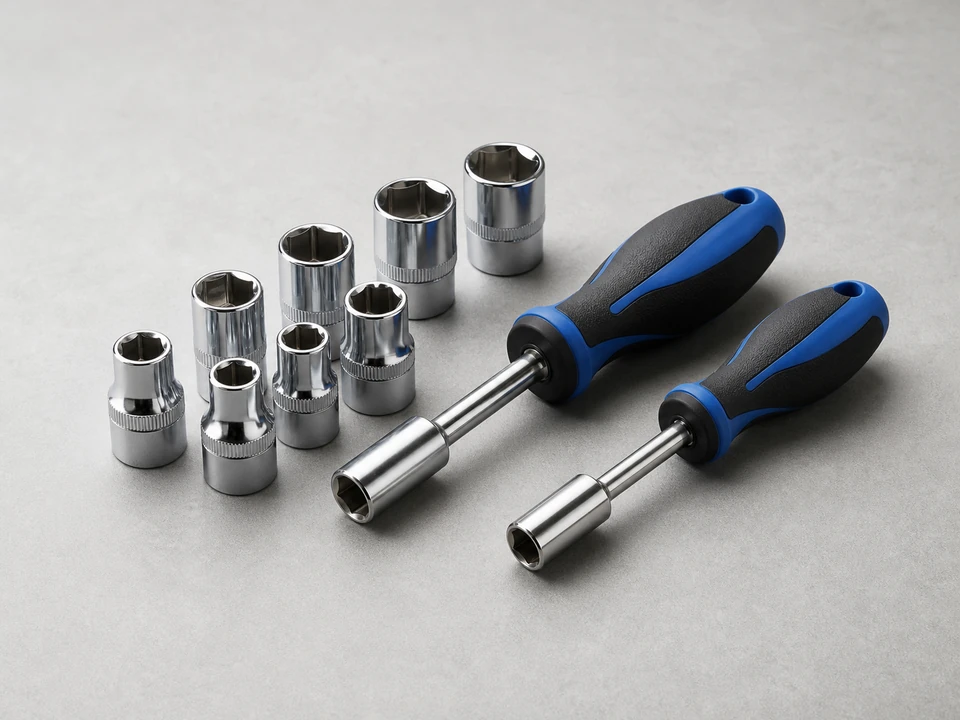
Use it for: Many dryer panels and fuse mounting screws use hex-head fasteners instead of standard screws.
Shop nut driver sets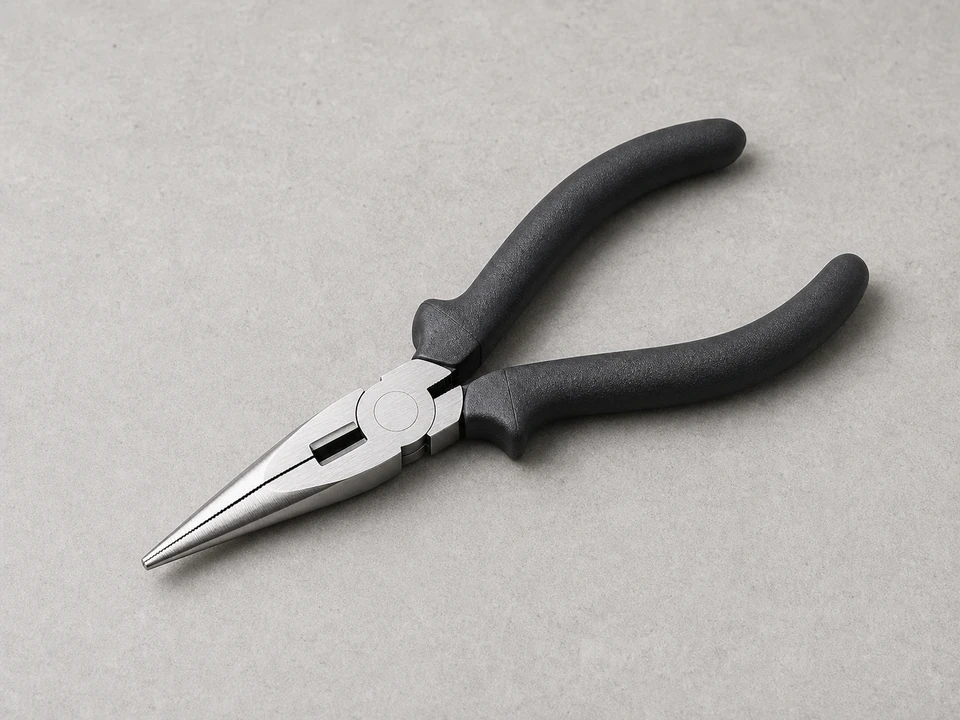
Use it for: To pull wire terminals off the old fuse without yanking on the wires.
Shop needle-nose pliers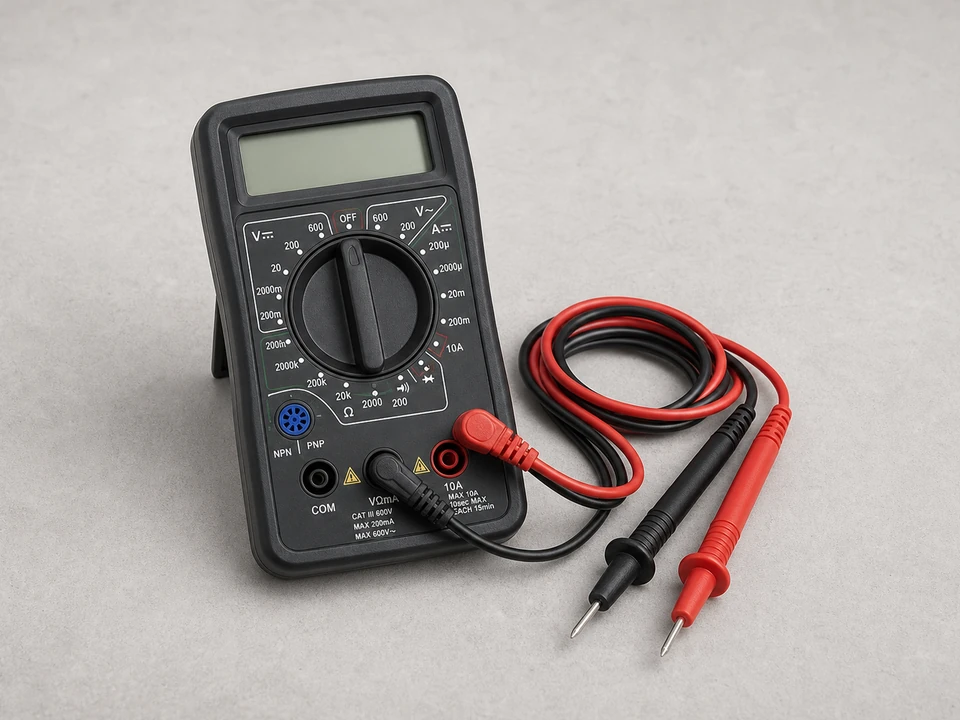
Use it for: To check the old fuse for continuity so you know the fuse is actually open.
Shop multimeters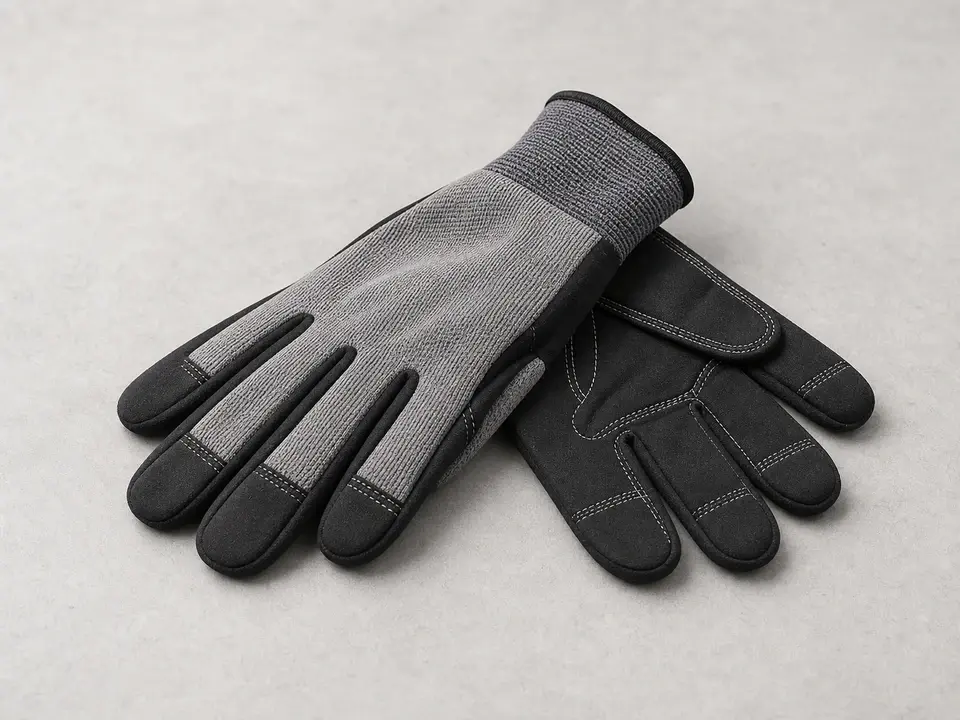
Use it for: Dryer cabinet edges can be sharp when panels are removed.
Shop work glovesAs an Amazon Associate I earn from qualifying purchases. Repair Riot may earn a commission at no extra cost to you.
If it works: You confirmed the fuse is open and you have a likely reason it overheated, such as poor airflow.
If it doesn’t: If the fuse tests good, stop chasing this part and diagnose the door switch, start switch, belt switch, power supply, or heating circuit instead.
If it works: You can clearly reach the fuse, and you have a reference photo for reassembly.
If it doesn’t: If you still cannot reach the fuse, look for an additional lower panel, rear panel, or lint duct cover that may need to come off first.
If it works: The old fuse is out, and the replacement matches the original mounting and connector style.
If it doesn’t: If the new fuse does not match, pause and verify compatibility before installing anything.
If it works: The new fuse is installed securely, the wires are fully seated, and the airflow path is in better shape than before.
If it doesn’t: If the venting is still restricted, correct that before running the dryer for a full cycle or the new fuse may fail again.
If it works: The dryer is back together, connected, and ready for testing.
If it doesn’t: If a panel will not sit flat, remove it and check for trapped wires or a misaligned vent connection.
If it works: The dryer starts, runs, and has normal airflow, which shows the fuse replacement held in actual use.
If it doesn’t: If the new fuse blows again, or the dryer still will not run or heat, the root problem is likely restricted venting, a failing thermostat, heater issue, motor problem, or another electrical fault that needs further diagnosis.
Match the fuse rating, connector style, and equipment compatibility before ordering.
As an Amazon Associate I earn from qualifying purchases. Repair Riot may earn a commission at no extra cost to you.
It is not a safe repair. The fuse is a safety device, so bypassing it removes overheat protection. Use a multimeter to test the fuse instead.
The most common cause is overheating from poor airflow, such as a clogged lint path, blocked outside vent hood, or crushed vent hose. Less often, another temperature-control problem is involved.
No. A blown fuse is one common cause, but dryers can also fail to start because of a bad door switch, start switch, belt switch, motor issue, or power problem. Testing the fuse first helps avoid guessing.
Not always. If the fuse failed from a one-time airflow problem, the fuse alone may solve it. If the dryer has repeated overheating or another temperature-control issue, more diagnosis may be needed.
Clean the lint screen regularly, clear the vent hose and outside hood, and make sure the dryer can exhaust air freely. Good airflow is the best protection against repeat fuse failure.