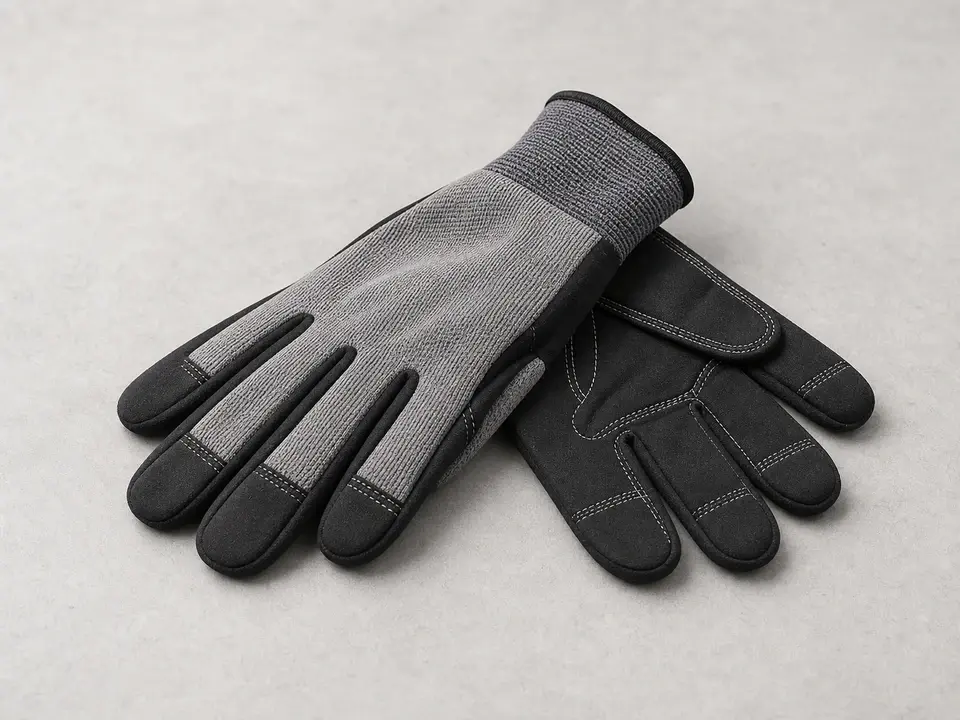
Work gloves
Use it for: Protects your hands from sharp sheet metal edges and insulation.
Shop work glovesIf the upstairs gets little or no airflow because the branch damper is stuck, broken, or missing its blade position, replacing the duct branch damper can restore normal air delivery to that run.
This is a moderate repair because you may be working in an attic, crawlspace, or tight mechanical area around sheet metal ductwork. Start by making sure the upstairs problem is really isolated to one branch and not a filter, blower, zoning, or whole-system issue.
Before you start: Match the replacement part to your exact ductwork vent before ordering.
Use it for: Protects your hands from sharp sheet metal edges and insulation.
Shop work gloves
Use it for: Helps you see the damper handle, duct seams, and fasteners in dark spaces.
Shop headlamps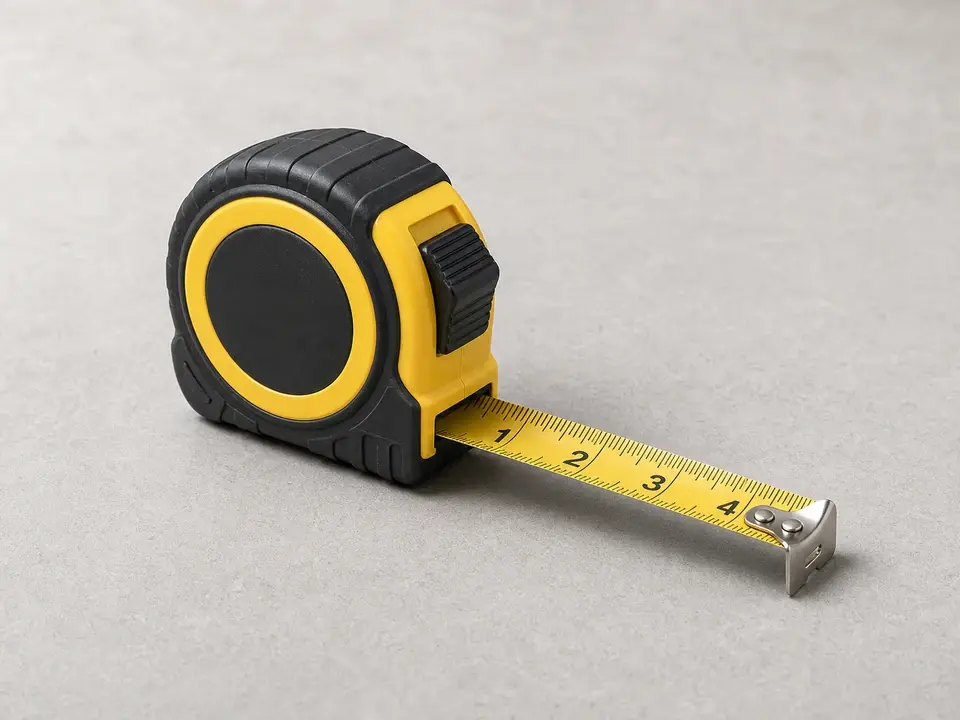
Use it for: Lets you match the damper size to the duct before buying or installing.
Shop tape measures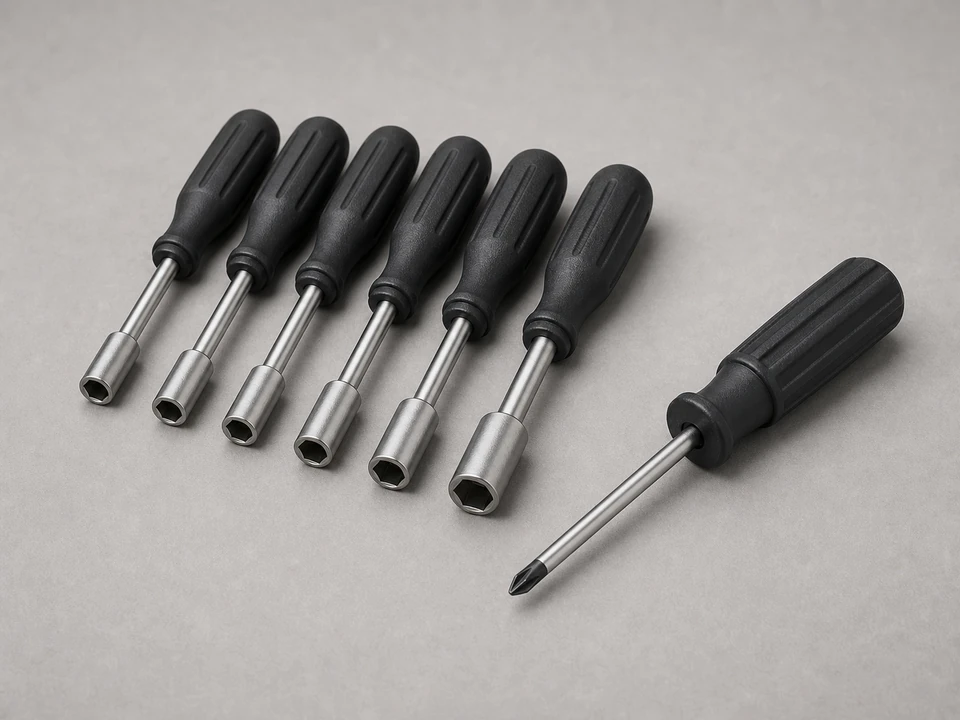
Use it for: Removes and reinstalls common sheet metal screws and damper hardware.
Shop screwdriver and nut driver sets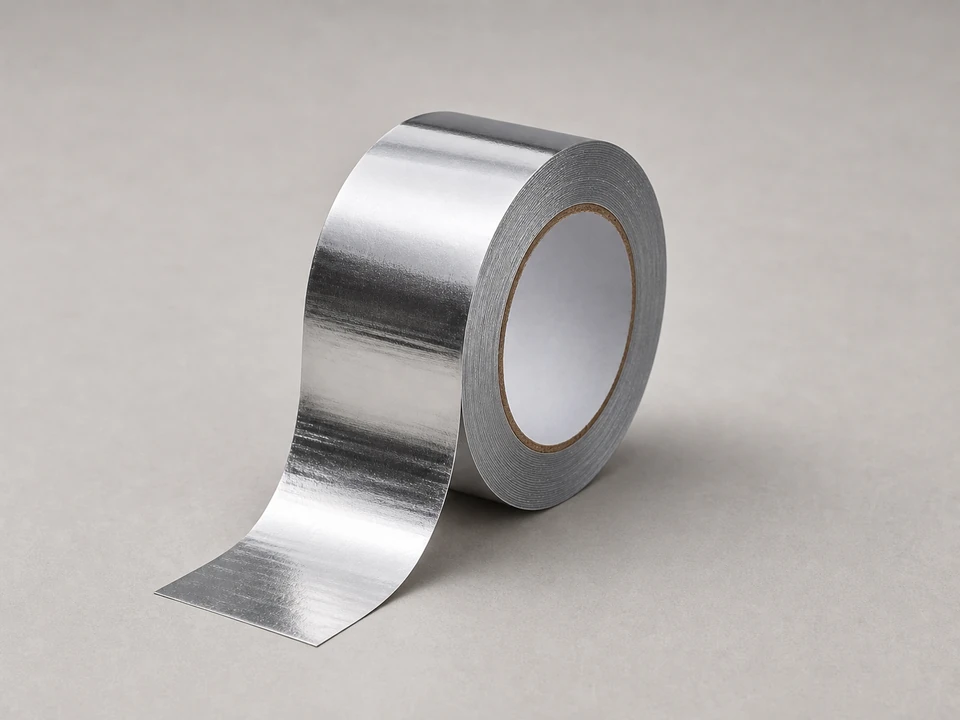
Use it for: Reseals duct joints after the new damper is installed.
Shop foil HVAC tape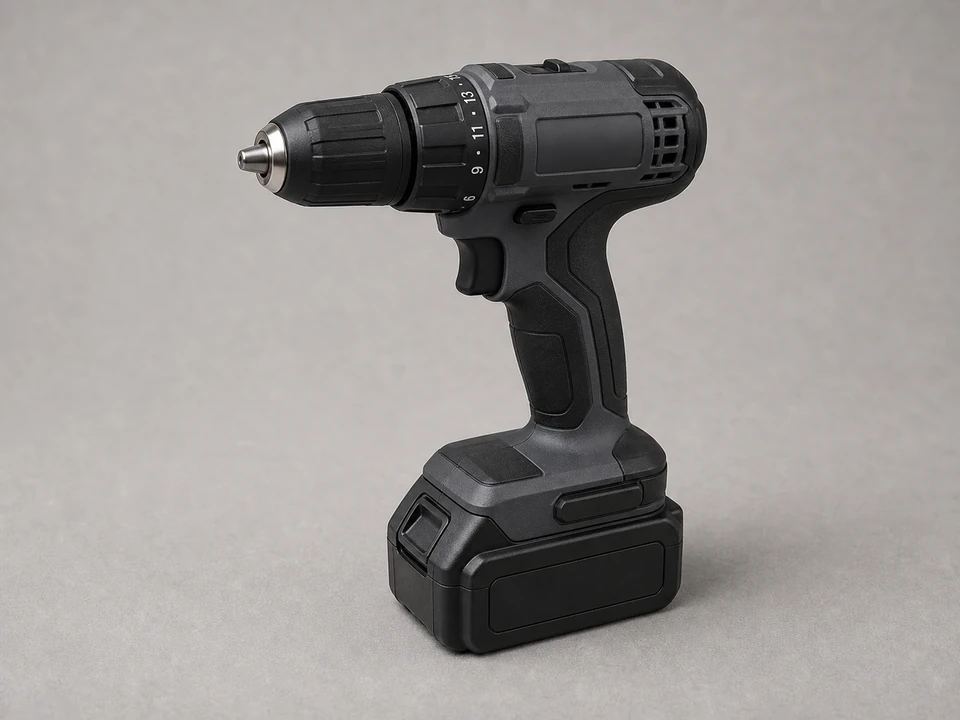
Use it for: Speeds up removing and reinstalling screws on metal duct sections.
Shop cordless drillsAs an Amazon Associate I earn from qualifying purchases. Repair Riot may earn a commission at no extra cost to you.
If it works: You have good reason to believe the upstairs branch damper itself is causing the airflow problem.
If it doesn’t: If airflow is weak at many registers throughout the house, check the air filter, blower operation, closed registers, and other duct restrictions before replacing this part.
If it works: The area is safe to work in and you have the size and orientation details needed for the replacement.
If it doesn’t: If you cannot safely reach the damper without stepping through a ceiling, overreaching, or crushing ductwork, arrange safer access before continuing.
If it works: The old damper is out and the new part matches the duct opening and mounting style.
If it doesn’t: If the new damper does not match the duct size or the shaft and blade arrangement are clearly different, pause and get the correct replacement part.
If it works: The new damper is secured, sealed, and moves smoothly through its full range.
If it doesn’t: If the blade binds, loosen the fasteners, realign the section, and test the handle again before sealing everything fully.
If it works: Air is reaching the upstairs run again and the damper responds to adjustment without noise or sticking.
If it doesn’t: If airflow is still poor, inspect the rest of that branch for crushed flex duct, disconnected sections, blocked registers, or a separate system airflow problem.
If it works: The upstairs run has steady airflow, the damper stays in position, and the repair holds in real use.
If it doesn’t: If the upstairs still lags far behind the rest of the house, the issue may be duct sizing, leakage farther down the run, insulation loss, or a broader HVAC balancing problem.
Match the replacement part to your exact ductwork vent before ordering.
As an Amazon Associate I earn from qualifying purchases. Repair Riot may earn a commission at no extra cost to you.
A closed manual damper usually still moves normally and changes airflow when you adjust it. A bad damper may be jammed, disconnected from the handle, bent, loose inside the duct, or stuck in one position no matter what the handle does.
Only if the blade and shaft are still intact and the handle hardware alone is damaged. If the blade is loose, bent, rubbing, or no longer tracking with the handle, replacing the full damper is the safer fix.
For a simple manual duct damper replacement, turning the HVAC system off at the thermostat is usually enough because you are not working on electrical components. If the damper is part of a powered zoning system, stop and identify it before proceeding.
Then the damper was only part of the problem or not the main problem. Check for crushed or disconnected duct sections, leaking joints, closed registers, poor return airflow, or a system that needs balancing.
No. Regular cloth duct tape tends to dry out and fail. Use foil HVAC tape made for duct sealing so the joint stays sealed longer.