
Work gloves
Use it for: Protects your hands from sharp edges and baked-on debris around the burner opening.
Shop work glovesTo replace an electric range surface element, first confirm that the element itself is the failed part, then unplug or disconnect power, remove the old element, install the matching replacement, and test it through a full heat cycle.
This is usually a straightforward repair on ranges with plug-in coil elements. The key is making sure the burner element is actually the problem before you swap parts, and checking the receptacle for heat damage while you have the burner out.
Before you start: Match the replacement part to your exact range stove before ordering.
Use it for: Protects your hands from sharp edges and baked-on debris around the burner opening.
Shop work gloves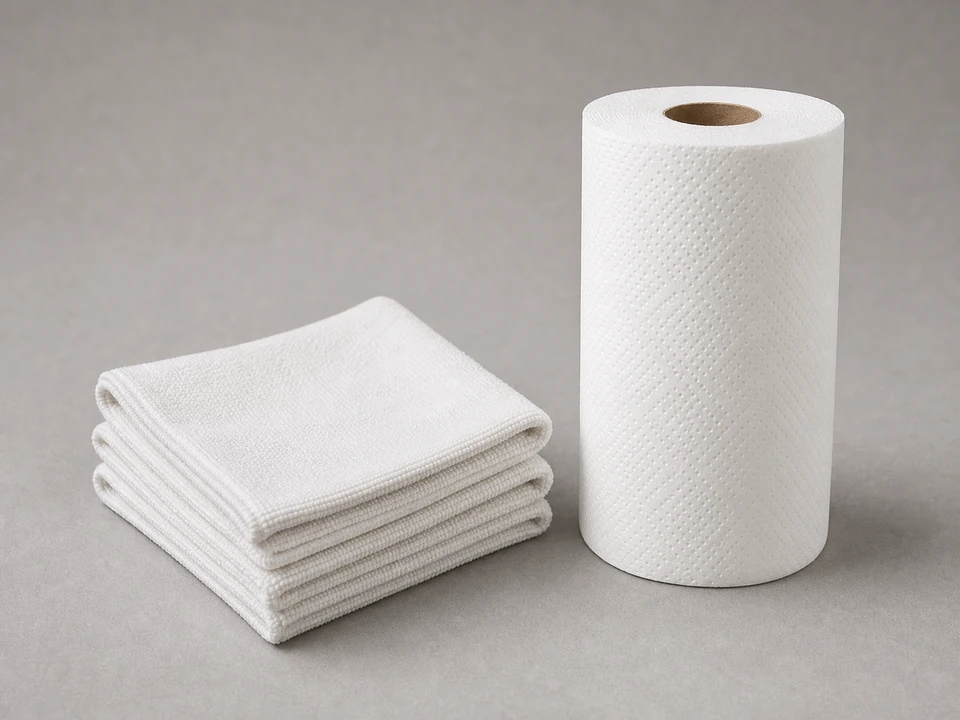
Use it for: Lets you wipe the burner area clean so the new element seats fully.
Shop cleaning cloths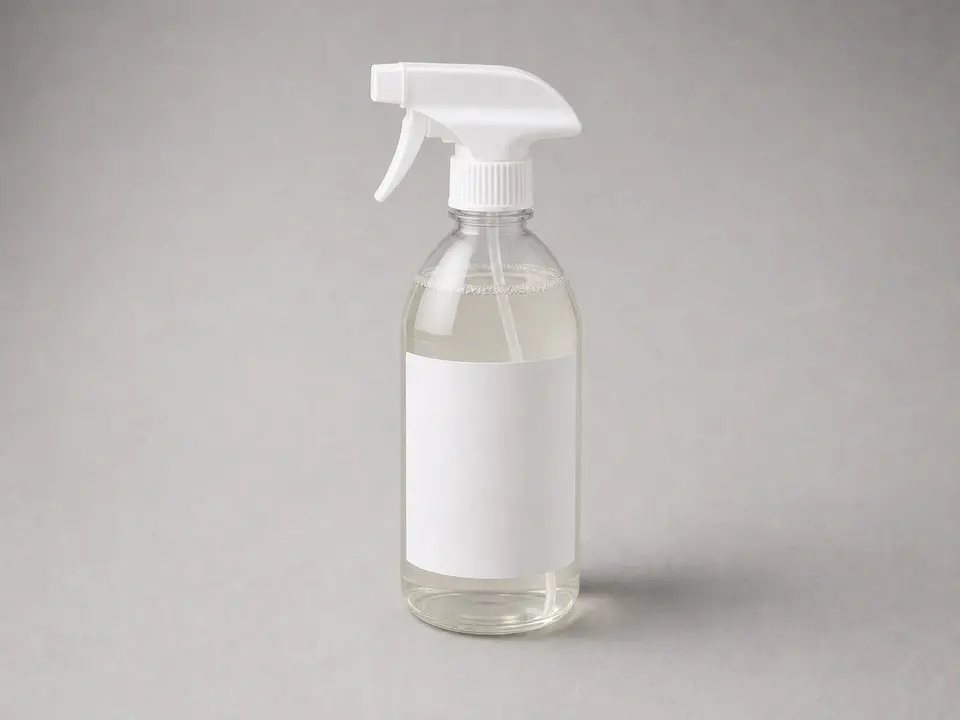
Use it for: Helps remove grease and carbon buildup around the drip pan and burner opening.
Shop kitchen degreaser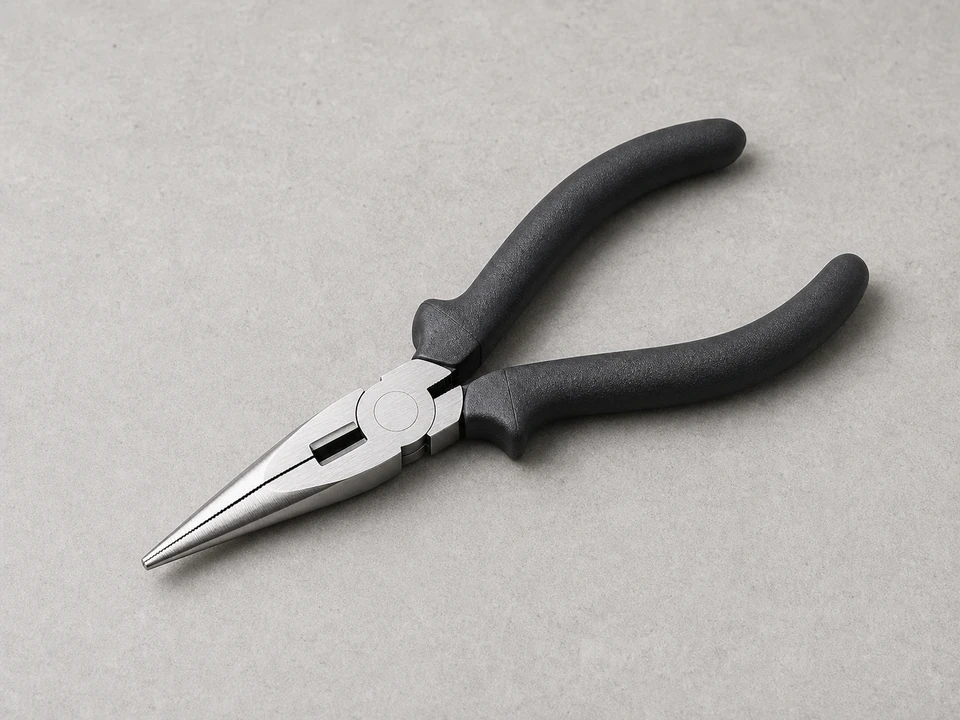
Use it for: Useful if the old element is stuck or hard to grip during removal.
Shop needle-nose pliers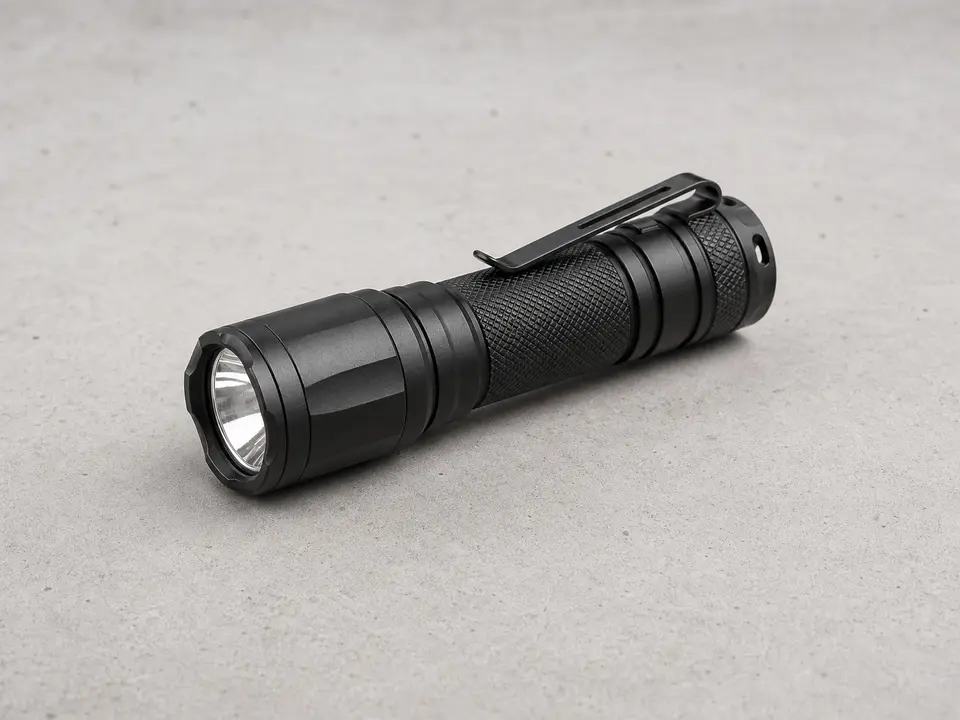
Use it for: Helps you inspect the burner receptacle for scorching, melting, or loose contacts.
Shop flashlightsAs an Amazon Associate I earn from qualifying purchases. Repair Riot may earn a commission at no extra cost to you.
If it works: You have confirmed the burner problem follows the element itself.
If it doesn’t: If the problem stays at the same burner location, do not order the element first. Inspect the receptacle and burner circuit instead.
If it works: The old surface element is out and the burner opening is accessible.
If it doesn’t: If the element feels stuck, pull it straight out with steady pressure. Avoid bending the terminals side to side.
If it works: The burner area is clean and the receptacle looks solid enough to reuse.
If it doesn’t: If the area is still greasy or dirty, clean it again so the new element can sit flat and plug in fully.
If it works: The new element is fully seated, level, and supported correctly.
If it doesn’t: If the element will not seat fully, remove it and recheck alignment, drip pan position, and part fit before trying again.
If it works: The new surface element heats normally and responds to the control setting.
If it doesn’t: If the new element still does not heat correctly, the burner receptacle, infinite switch, or wiring is likely the real fault.
If it works: The burner works normally in real use and the repair is holding.
If it doesn’t: If the burner still acts up under normal use, replace the receptacle or diagnose the burner switch and wiring next.
Match the replacement part to your exact range stove before ordering.
As an Amazon Associate I earn from qualifying purchases. Repair Riot may earn a commission at no extra cost to you.
On removable coil-style ranges, swapping the suspect element with a same-size working one is the simplest check. If the problem follows the element, the element is bad. If the problem stays at the same burner position, look at the receptacle, switch, or wiring.
Yes, in many cases this is a simple homeowner repair if your range uses a removable plug-in coil element. The main safety steps are disconnecting power first and checking the receptacle for heat damage before installing the new part.
A brief light odor can happen on first use as manufacturing residue burns off. That should fade quickly. Stop and inspect the burner if you see smoke, arcing, or a strong electrical burning smell from the socket area.
Not always. Replace the receptacle if it is melted, charred, loose, or badly pitted. A new element plugged into a damaged receptacle can fail early or arc during use.
If the replacement element is the correct fit and still does not work, the problem is likely elsewhere in the burner circuit. Common next suspects are the receptacle, the burner control switch, or damaged wiring.