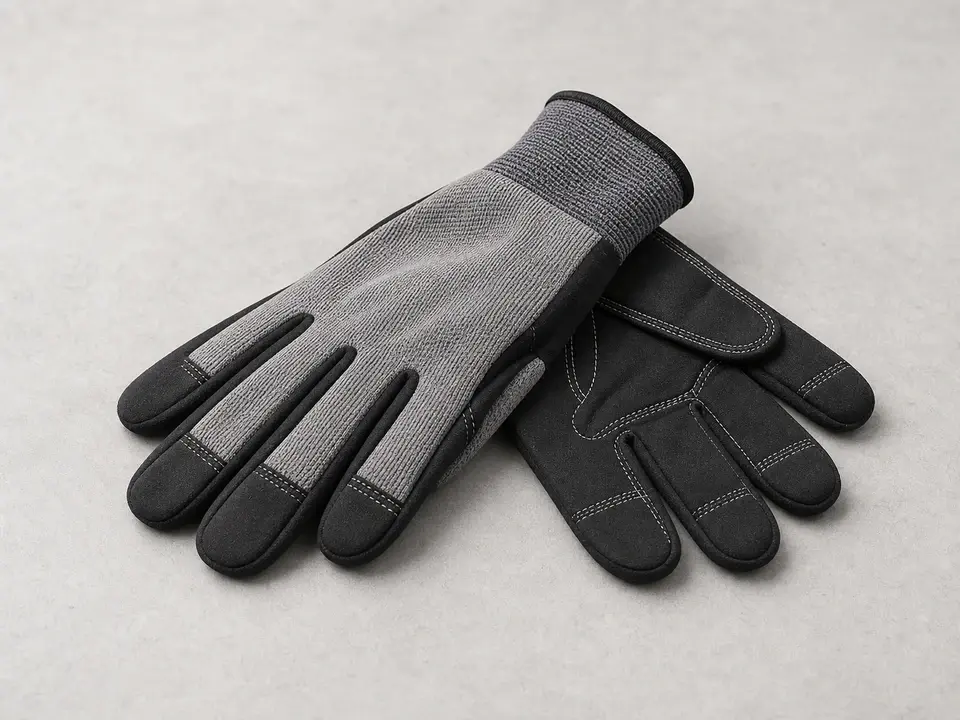
Work gloves
Use it for: Protects your hands from sharp metal edges and a dirty or brittle old element.
Shop work glovesIf one burner on your electric range stays cold, heats unevenly, or only works sometimes, replacing the range surface element is often a straightforward fix.
Start by making sure the problem follows the element and not the receptacle or switch. Once you confirm the element is the likely failure, unplug the range or shut off power, swap in the new part, and test the burner through a normal heating cycle.
Before you start: Match the replacement part to your exact range stove before ordering.
Use it for: Protects your hands from sharp metal edges and a dirty or brittle old element.
Shop work gloves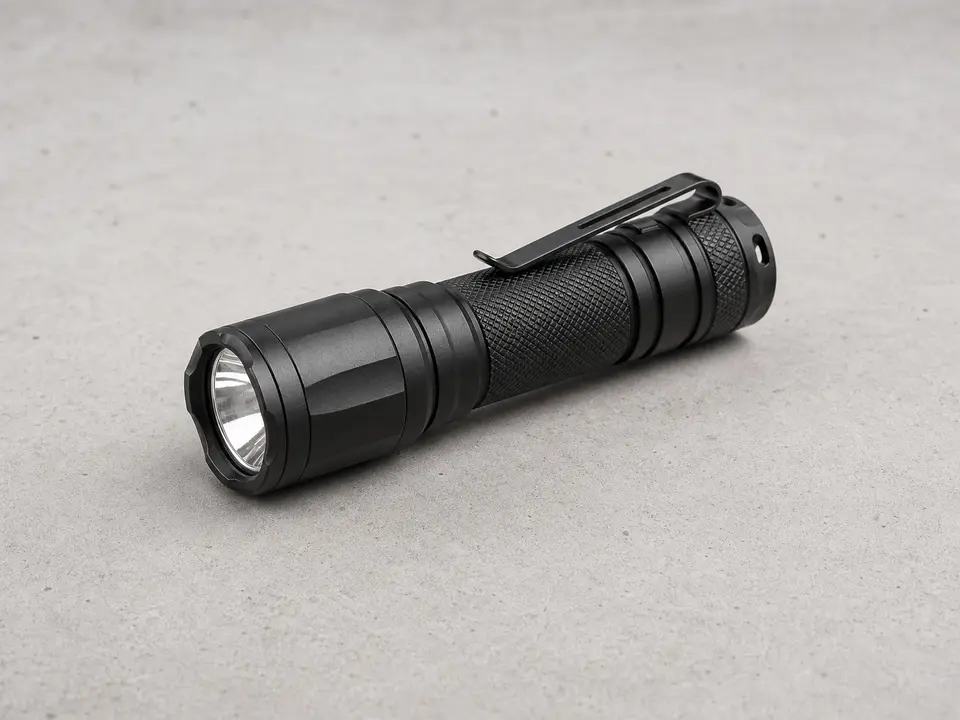
Use it for: Helps you inspect the burner socket, terminals, and cooktop opening for heat damage.
Shop flashlights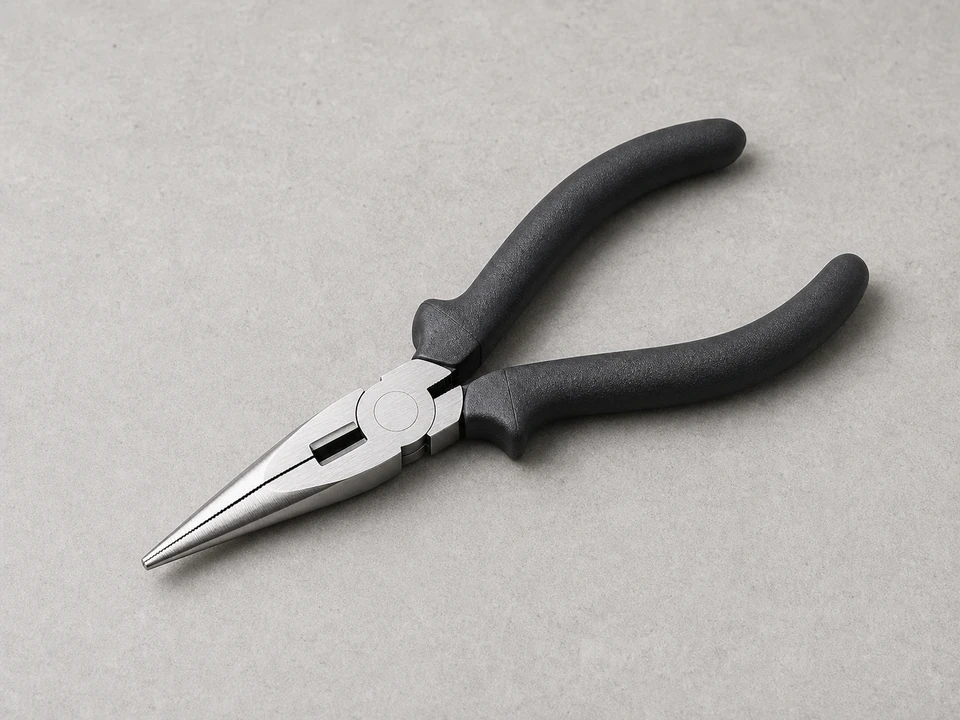
Use it for: Useful for gently pulling a stubborn element straight out without bending the terminals.
Shop needle-nose pliers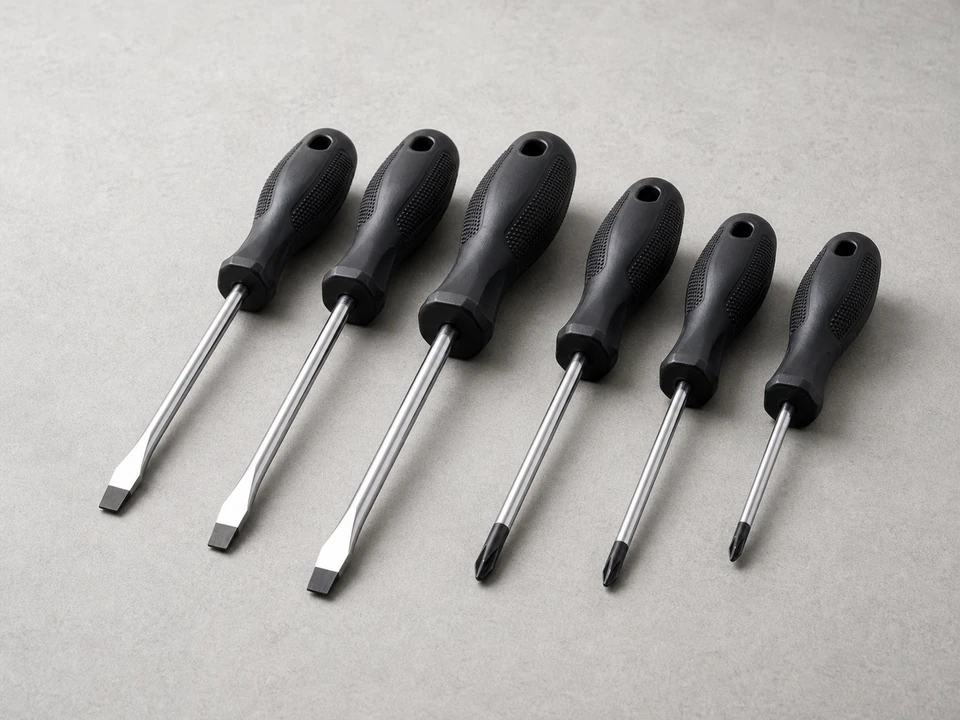
Use it for: Some ranges use screws or clips to hold trim rings, drip bowls, or access panels.
Shop screwdriver setsAs an Amazon Associate I earn from qualifying purchases. Repair Riot may earn a commission at no extra cost to you.
If it works: The problem follows the element, or the element shows clear heat damage, so replacement is a reasonable next step.
If it doesn’t: If the same burner position still fails with a known good element, the issue is more likely the receptacle, wiring, or control switch instead of the surface element.
If it works: The old surface element is out and the burner opening is accessible.
If it doesn’t: If the element will not come free, recheck for hidden clips, retaining screws, or a trim piece holding it in place.
If it works: The new element matches the old one, and the socket looks usable with no obvious heat damage.
If it doesn’t: If the new part does not match exactly, pause and get the correct replacement before forcing it into place.
If it works: The new surface element is fully seated, level, and supported correctly.
If it doesn’t: If the element will not seat fully, remove it and check alignment, socket condition, and part fit before trying again.
If it works: The burner heats evenly, responds to the control, and works through a normal heating cycle without flickering or cutting out.
If it doesn’t: If the new element still does not heat correctly, the next likely checks are the burner receptacle, wiring, or surface element switch.
If it works: The burner works normally with cookware in place, and the repair holds during real use.
If it doesn’t: If the burner works empty but fails with a pan on it, inspect the socket connection and control side of the circuit next.
Match the replacement part to your exact range stove before ordering.
As an Amazon Associate I earn from qualifying purchases. Repair Riot may earn a commission at no extra cost to you.
On many electric ranges, swapping the suspect element with another same-size working burner is the quickest check. If the problem follows the element, the element is likely bad. If the same burner position still fails, look at the receptacle or switch instead.
Often yes for a basic plug-in coil element. Many pull straight out and push straight back in. A flashlight and pliers can still help if the old element is stuck or you need to inspect the socket.
Only if it shows damage. If the receptacle is melted, burned, loose, or pitted, replacing only the element may not solve the problem and can create more arcing.
A small amount of odor or light smoke can happen if there is residue on the new part or leftover spills nearby. Heavy smoke, sparking, or a strong burning-plastic smell is not normal and means you should shut it down and inspect the socket area.
No. The replacement needs to match the burner size and connection style for your exact range. A near match can fit poorly, heat incorrectly, or damage the receptacle.