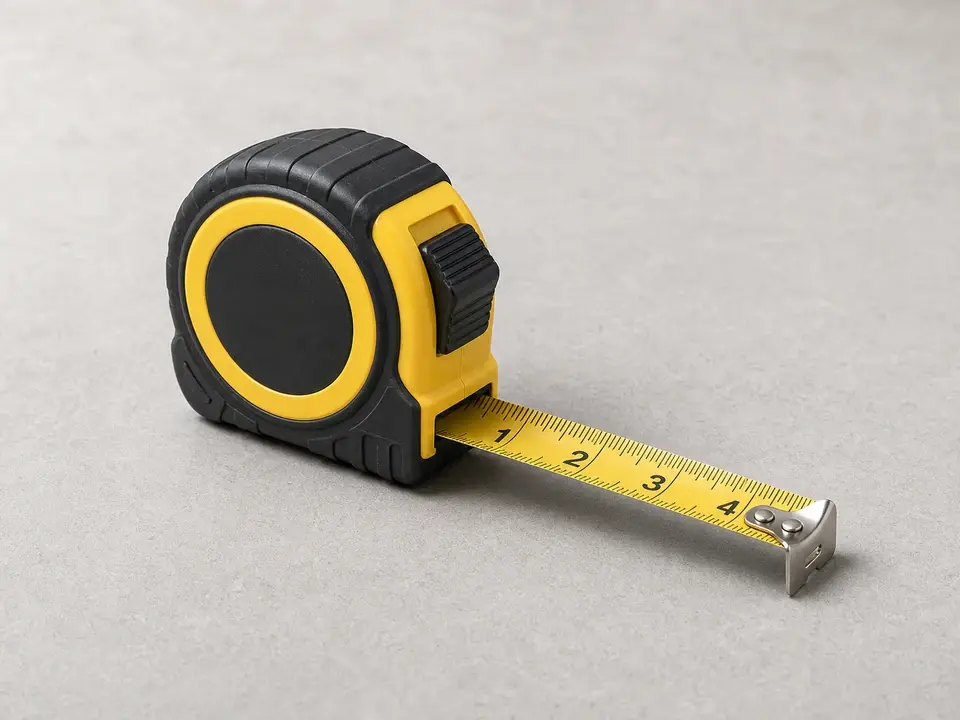
Tape measure
Use it for: To match the new strip length and check the opening width before you buy or cut anything.
Shop tape measuresTo replace an engineered wood floor transition strip, first confirm the strip itself is damaged or loose, then remove the old piece without chipping the floor edges, clean the mounting area, dry-fit the new strip, secure it the same way the original was installed, and test it under normal foot traffic.
A transition strip covers the gap where engineered wood meets another floor surface or a doorway. When it cracks, lifts, or comes loose, the fix is usually straightforward if the flooring edges underneath are still sound. The main job is removing the old strip cleanly and installing a replacement that matches the height, width, and attachment style.
Before you start: Match the replacement part to your exact floor before ordering.
Use it for: To match the new strip length and check the opening width before you buy or cut anything.
Shop tape measures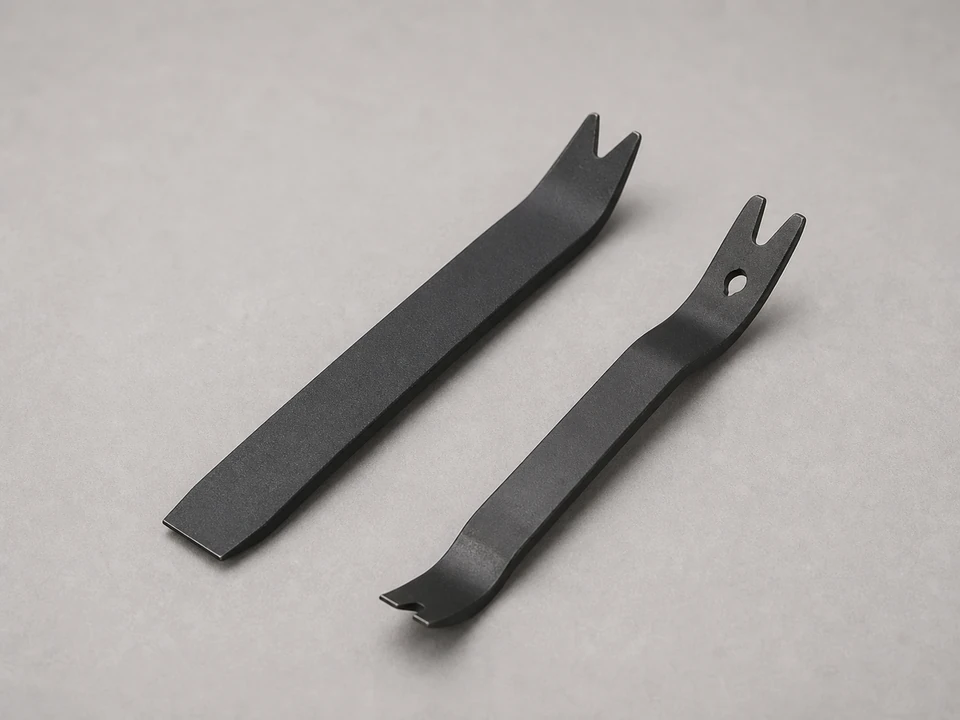
Use it for: To lift the old transition strip carefully without tearing up the floor edge or subfloor.
Shop trim pullers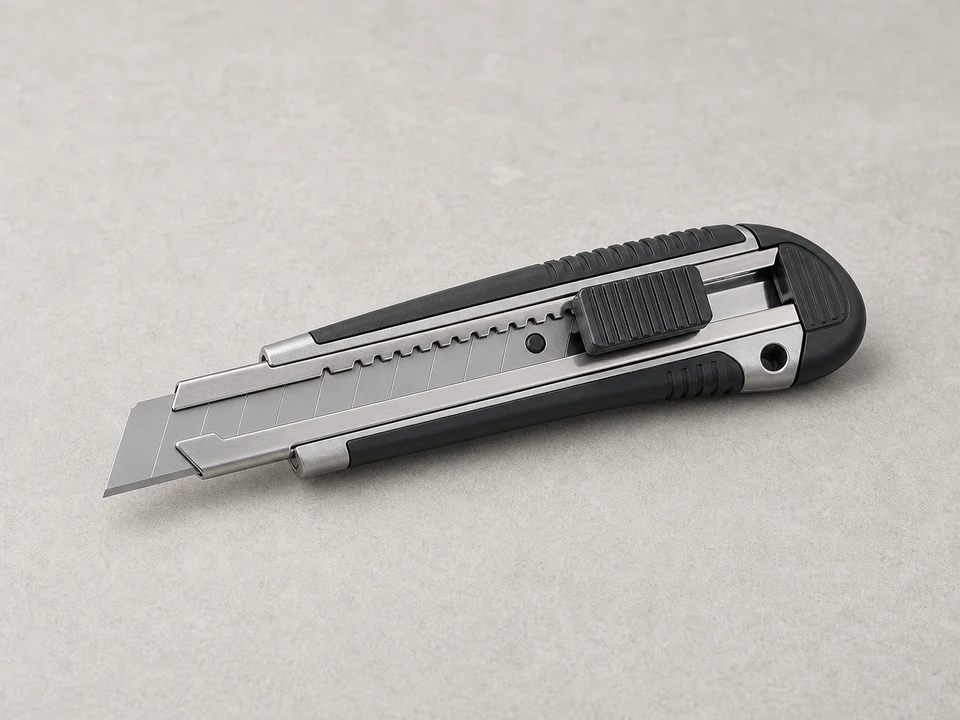
Use it for: To score caulk, paint, or adhesive lines before removal and trim packaging or underlayment if needed.
Shop utility knives
Use it for: To clear out dust, chips, and old debris so the new strip can sit flat.
Shop shop vacuums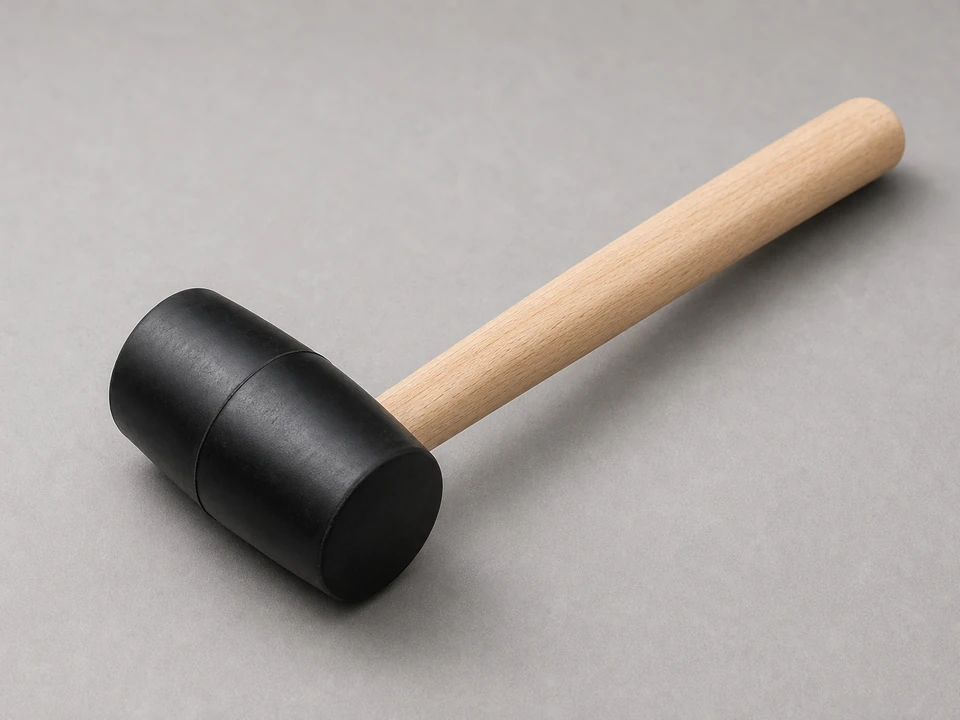
Use it for: To tap a track or snap-in strip into place without denting the visible surface.
Shop rubber mallets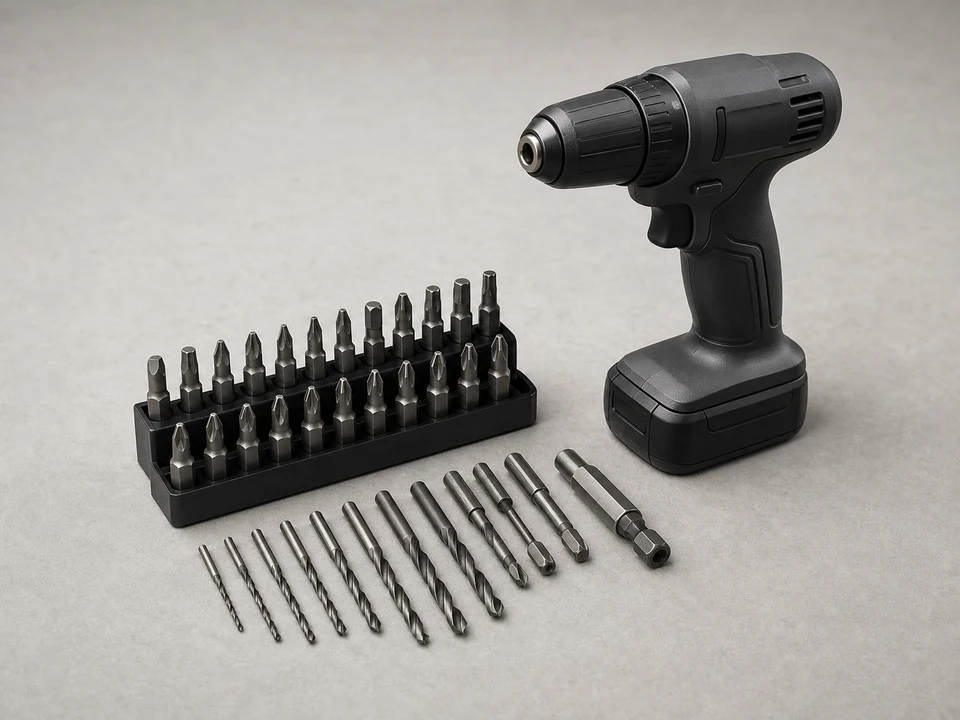
Use it for: To remove old fasteners or install a new track if your replacement uses screws.
Shop drill bit setsAs an Amazon Associate I earn from qualifying purchases. Repair Riot may earn a commission at no extra cost to you.
If it works: You have confirmed the transition strip is damaged or loose and the surrounding floor edges appear solid enough for replacement.
If it doesn’t: If the strip seems fine but the floor itself is moving, buckling, or crumbling at the edge, address the flooring problem first before replacing the trim piece.
If it works: The old transition strip is out, and you have exposed the mounting area without major damage to the floor edges.
If it doesn’t: If the strip will not release, keep scoring and work in smaller sections instead of forcing it up in one pull.
If it works: The area is clean, flat, and ready for a test fit.
If it doesn’t: If the new strip rocks or sits high during a quick test fit, keep cleaning and flattening the mounting area until it rests evenly.
If it works: The replacement strip fits the opening, covers the gap cleanly, and sits in the right position before installation.
If it doesn’t: If the fit is off, recheck the strip style, width, and floor height difference before fastening anything permanently.
If it works: The new transition strip is fully seated, aligned, and secure across the opening.
If it doesn’t: If one section will not stay down, remove that section and check for debris, a bent track, or a mismatch between the strip and the mounting base.
If it works: The strip stays flat, feels solid underfoot, and continues to cover the transition cleanly during normal use.
If it doesn’t: If the strip loosens, clicks, or shifts, remove it and correct the fit, track alignment, or mounting surface before trying again.
Match the replacement part to your exact floor before ordering.
As an Amazon Associate I earn from qualifying purchases. Repair Riot may earn a commission at no extra cost to you.
Yes, or at least the same profile and attachment style. A reducer, T-molding, and threshold-style strip each handle different floor heights and gap layouts. Using the wrong type often leaves a loose fit or an exposed edge.
You can if it is straight, secure, and compatible with the new strip. If the track is bent, loose, or does not match the replacement, change it too.
Common causes are foot traffic, a bent or worn track, failed adhesive, improper fit, or floor movement from moisture or expansion. Replacing the strip without fixing the cause can lead to the same problem again.
No. It should cover the gap cleanly without locking the floor so tightly that normal expansion and contraction are blocked.
Usually yes. If the flooring edges and mounting base are still solid, replacing the damaged strip is often all you need.