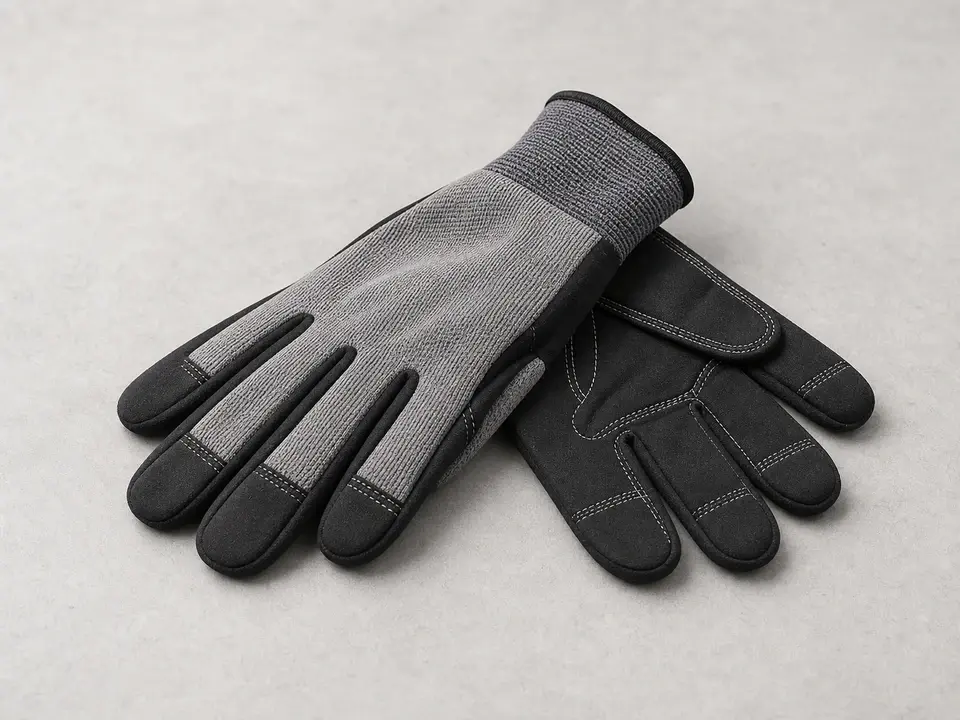
Work gloves
Use it for: Protects your hands from sharp metal edges, concrete chips, and debris inside the basin.
Shop work glovesTo replace an exterior drainage catch basin grate frame, confirm the frame is the failed part, remove the grate and old frame, clean and square the basin opening, then set the new frame so it sits flat, supported, and level with the surrounding surface.
This repair is usually needed when the frame is cracked, bent, rusted through, loose in the opening, or no longer holds the grate securely. The goal is not just to swap parts, but to leave the drain opening stable so the grate does not rock, sink, or create a trip point.
Before you start: Match the replacement part to your exact exterior drainage before ordering.
Use it for: Protects your hands from sharp metal edges, concrete chips, and debris inside the basin.
Shop work gloves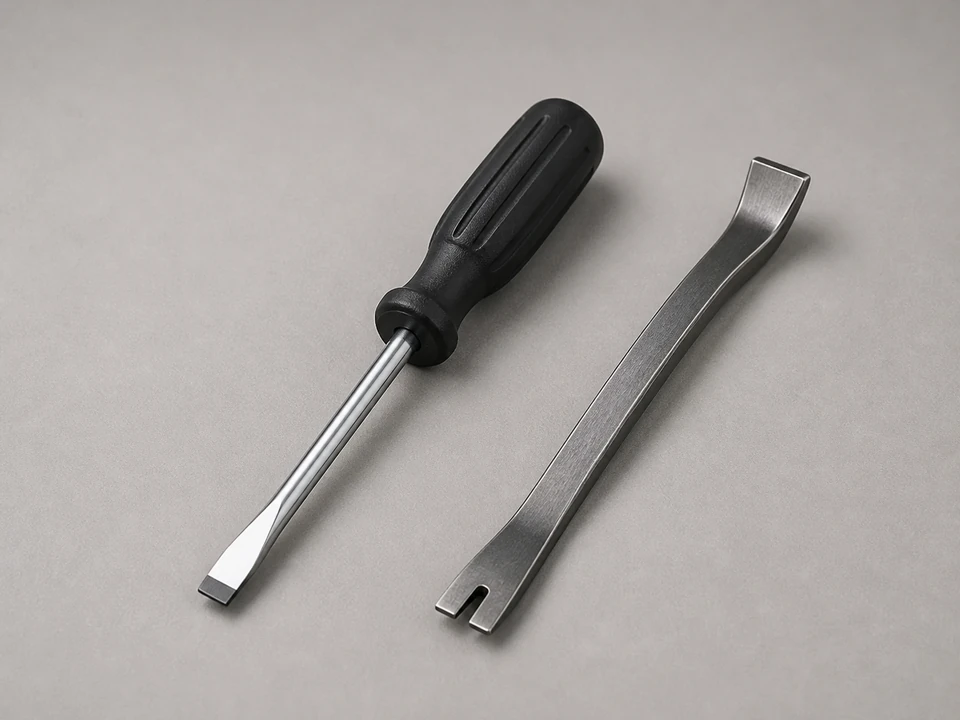
Use it for: Helps lift the grate and loosen an old frame that is stuck in place.
Shop pry bars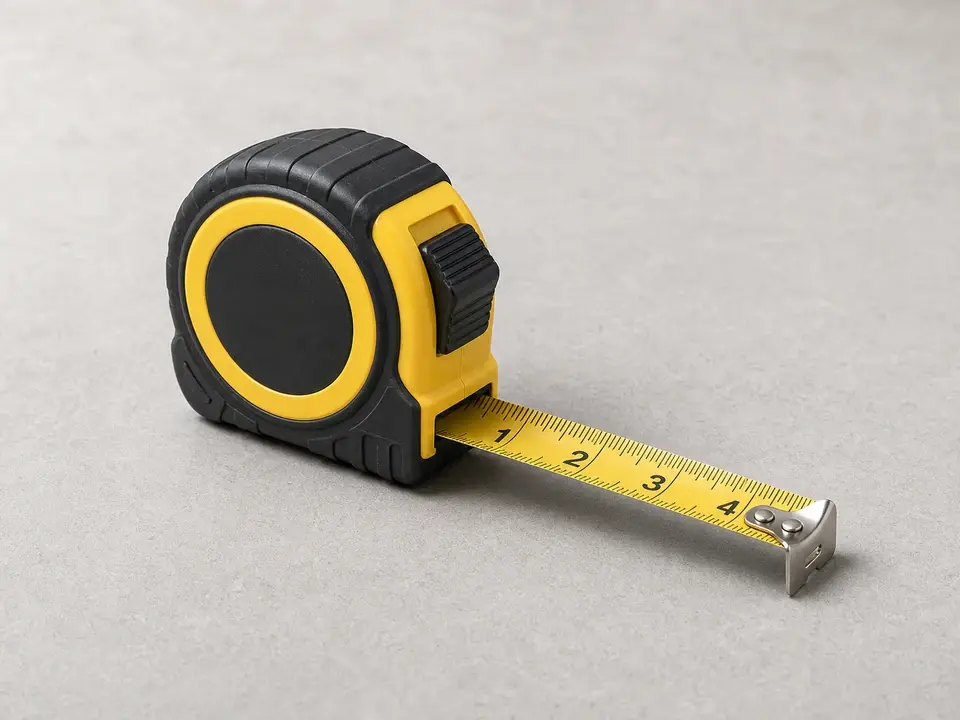
Use it for: Lets you match the replacement frame to the basin opening and grate size.
Shop tape measures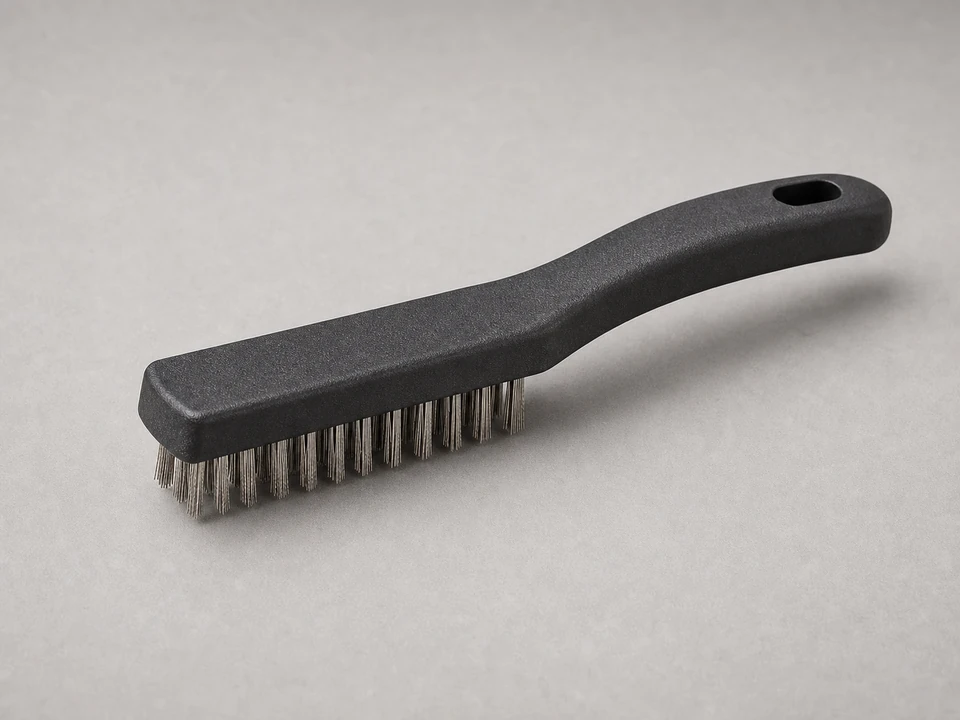
Use it for: Cleans rust, packed dirt, and loose material from the frame seat and basin edge.
Shop wire brushes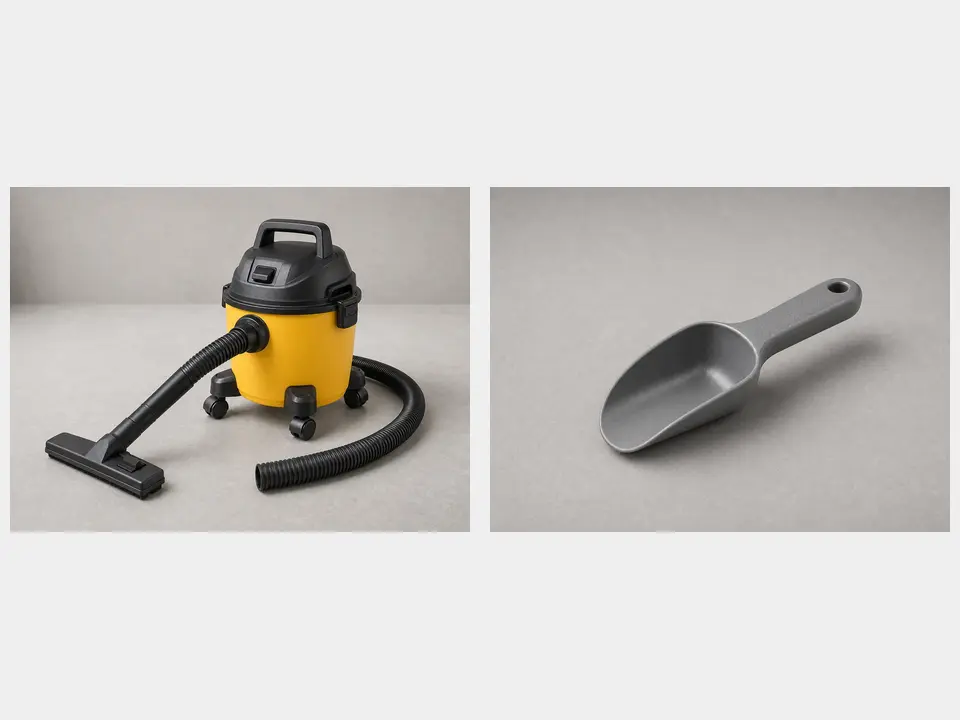
Use it for: Removes sediment and loose debris so the new frame can sit fully supported.
Shop wet dry vacs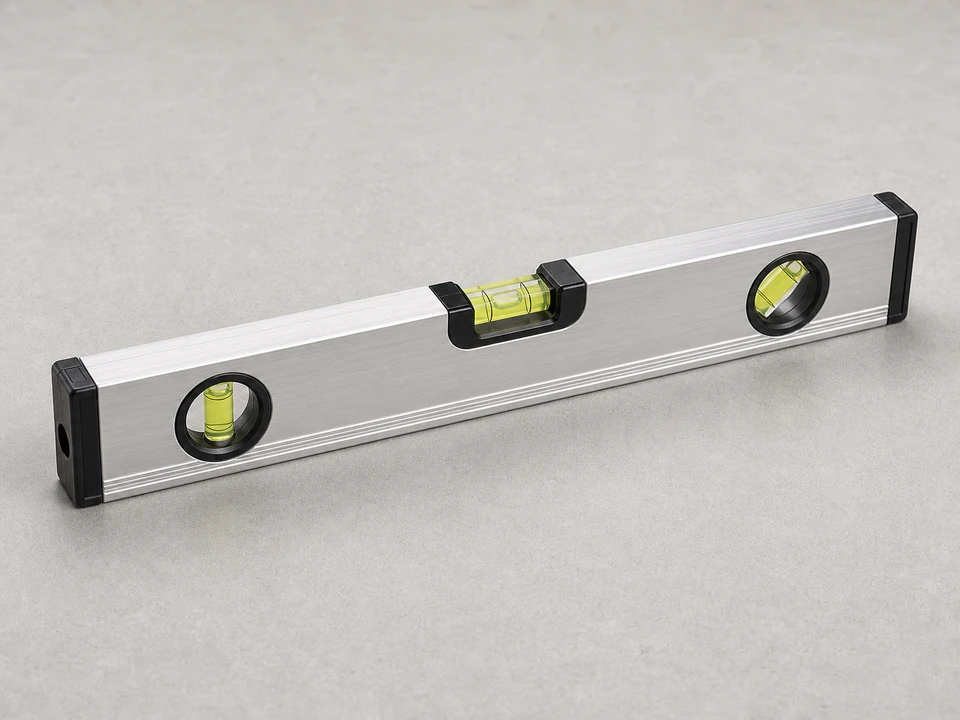
Use it for: Checks that the new frame is even with the surrounding surface and not tipped toward one side.
Shop torpedo levelsAs an Amazon Associate I earn from qualifying purchases. Repair Riot may earn a commission at no extra cost to you.
If it works: You have confirmed the exterior drainage catch basin grate frame is damaged or loose and the replacement matches the opening.
If it doesn’t: If the frame is sound and only packed with debris, clean the basin and reset the grate instead of replacing the frame.
If it works: The grate is out of the way and the top of the basin is visible and accessible.
If it doesn’t: If the grate will not lift because it is rusted or packed in, keep clearing debris around the edges and pry gradually instead of forcing one corner hard.
If it works: The old frame is removed and the basin opening is clean enough for a test fit.
If it doesn’t: If the frame still rocks during a dry test fit, keep cleaning and look for debris or damaged edges preventing full contact.
If it works: The new frame sits flat, supported, and level enough to hold the grate securely without rocking.
If it doesn’t: If the frame will not sit flat after cleaning and minor adjustment, the opening or basin support likely needs repair before the frame can be installed properly.
If it works: The grate sits securely in the new frame and the finished surface feels stable under normal foot traffic.
If it doesn’t: If the grate rocks, remove it and recheck whether the frame is fully seated and whether debris or damage is keeping one side high.
If it works: Water enters the drain normally and the new frame stays solid, level, and secure in real use.
If it doesn’t: If water ponds around the drain or the frame loosens again, the issue is likely with the basin support, surrounding grade, or a blockage below the grate rather than the frame alone.
Match the replacement part to your exact exterior drainage before ordering.
As an Amazon Associate I earn from qualifying purchases. Repair Riot may earn a commission at no extra cost to you.
Yes, if the old grate is still straight, intact, and made to fit that frame. Check the grate carefully before reusing it, because a worn or warped grate can make a new frame seem loose.
Common causes are rust, impact damage, repeated traffic loads, freeze-thaw movement, and settling around the basin that leaves the frame unsupported.
It should be as close to flush as practical. A frame that sits too high can become a trip point, and one that sits too low can collect debris and water around the edge.
That usually means debris, rust buildup, or damage on the support ledge is keeping part of the frame from seating. Clean the ledge again and inspect for broken support areas.
Call for help if the basin body is cracked, the surrounding concrete or pavers have sunk badly, the opening is no longer square, or the area keeps moving after the new frame is installed.