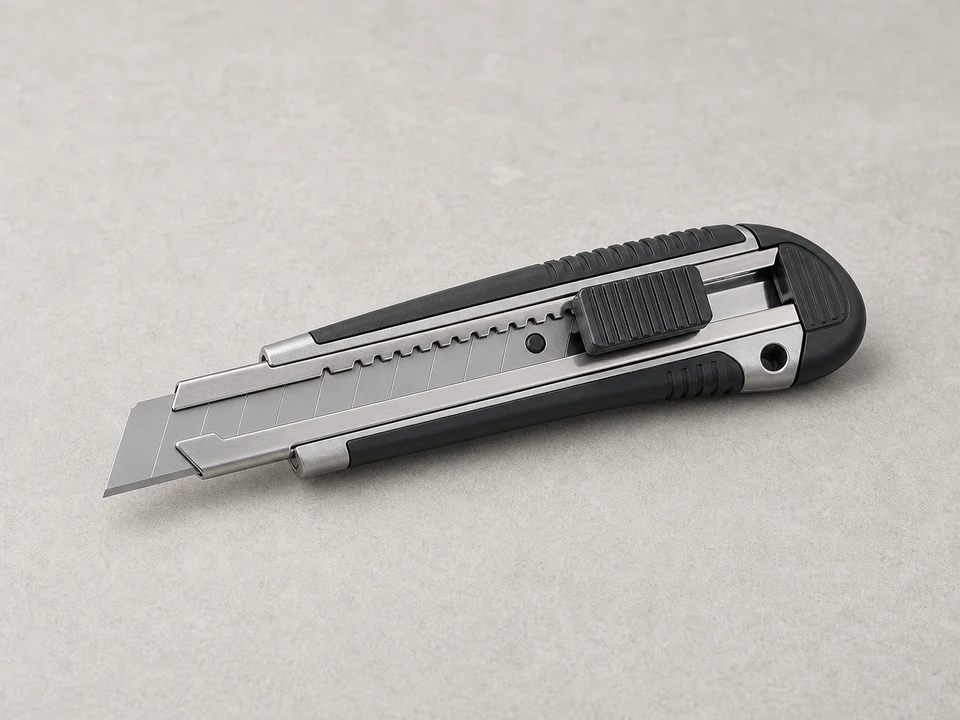
Utility knife
Use it for: To score and lift old tape without tearing nearby housewrap or trim.
Shop utility knivesTo replace exterior flashing tape, remove the failed tape completely, clean and dry the surface, apply new tape over sound material with firm pressure, and make sure the overlap sheds water instead of trapping it.
This repair is usually worth doing when old flashing tape has lifted, cracked, shrunk, or lost its seal around siding or trim joints. The goal is not just to cover the gap, but to restore a clean water-shedding seal on a dry, solid surface.
Before you start: Match the replacement part to your exact siding flashing before ordering.
Use it for: To score and lift old tape without tearing nearby housewrap or trim.
Shop utility knives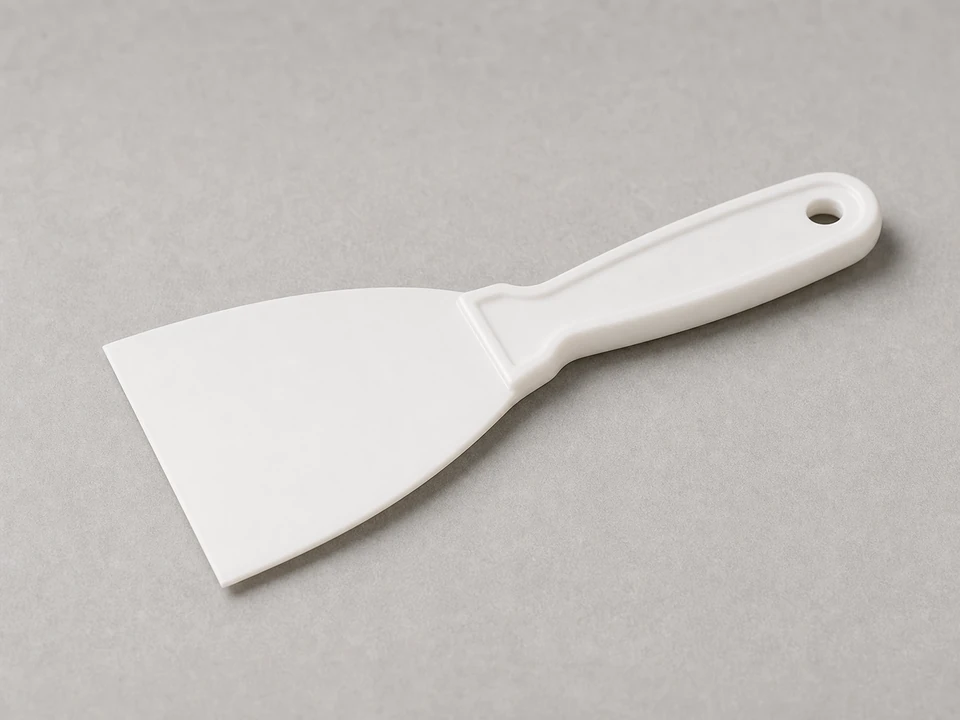
Use it for: To scrape off loose tape and adhesive with less risk of gouging the surface.
Shop plastic putty knives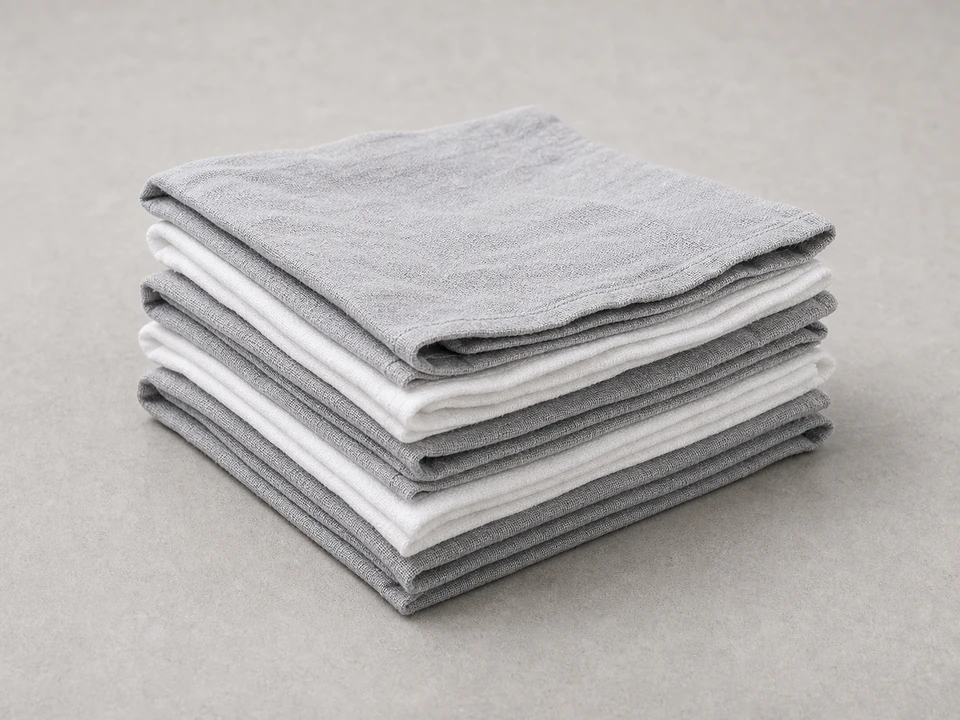
Use it for: To wipe away dust, residue, and moisture before the new tape goes on.
Shop cleaning rags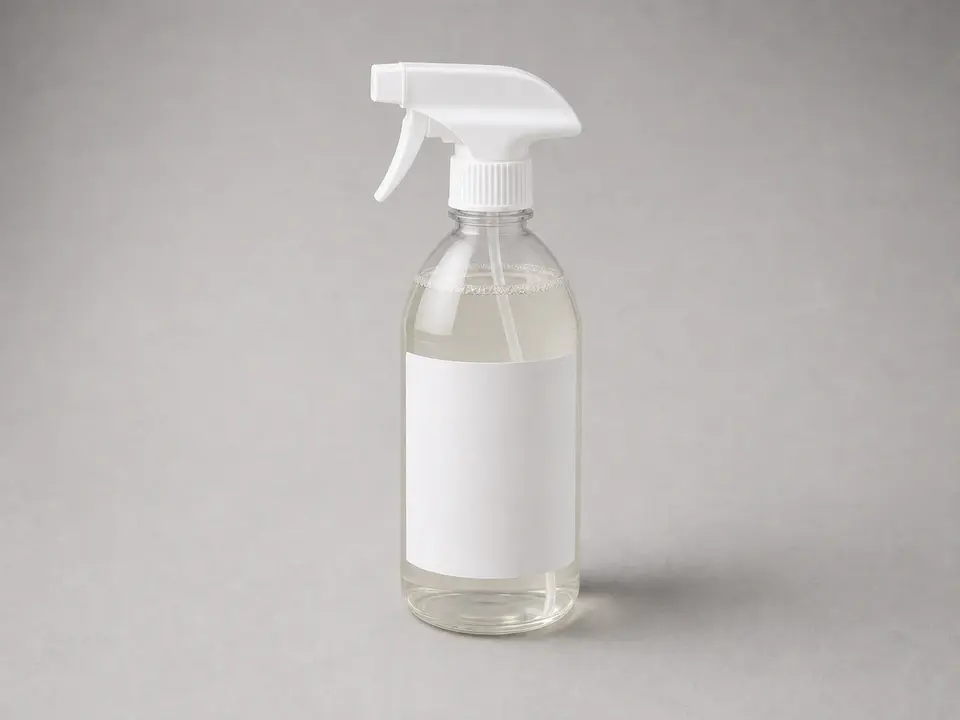
Use it for: To help remove dirt and leftover adhesive so the new tape can bond.
Shop exterior surface cleaner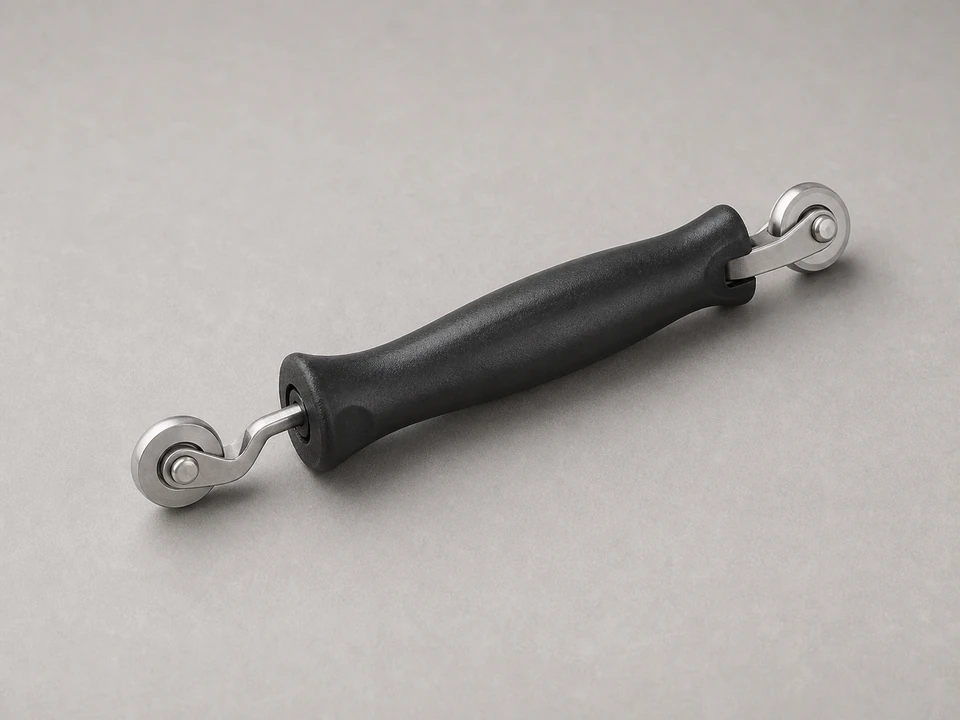
Use it for: To press the tape down evenly and improve contact across the full width.
Shop seam rollers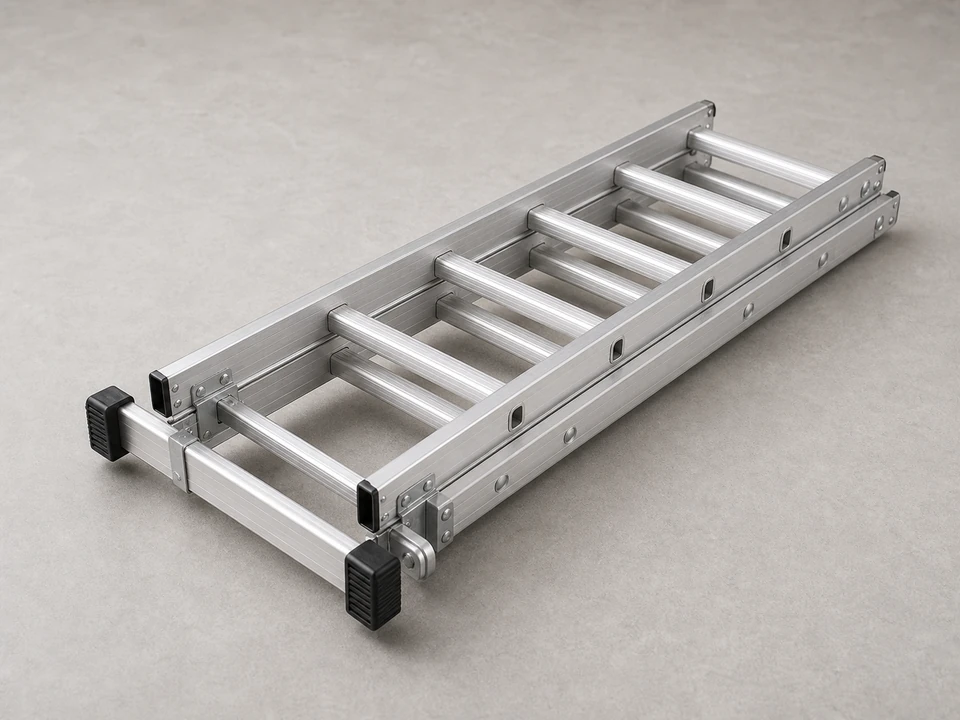
Use it for: To reach the repair area safely if the flashing is above ground level.
Shop extension laddersAs an Amazon Associate I earn from qualifying purchases. Repair Riot may earn a commission at no extra cost to you.
If it works: You have a clearly failed section of exterior flashing tape on an otherwise solid surface, and replacing the tape is a reasonable repair.
If it doesn’t: If the tape looks intact, focus on the joint, flashing detail, or siding attachment instead of replacing tape that is still bonded.
If it works: The failed tape is off, and the repair area is exposed without loose material left behind.
If it doesn’t: If small bits of adhesive remain, keep scraping and cleaning until the surface is flat enough for the new tape to sit tight.
If it works: The surface is clean, dry, and ready for the new exterior flashing tape.
If it doesn’t: If the surface still feels slick, dusty, or damp, clean it again and give it more drying time before applying tape.
If it works: The new tape is centered over the joint or seam and fully covers the failed area with proper overlap onto solid material.
If it doesn’t: If the tape lands crooked or wrinkles badly, pull it back right away and replace it with a fresh piece rather than trying to patch over the mistake.
If it works: The tape is firmly bonded across its full width, with tight edges and no visible voids.
If it doesn’t: If an edge keeps lifting, the surface is still contaminated, damp, or unsound. Remove that section, prep again, and apply a new piece.
If it works: The new exterior flashing tape stays bonded and the area remains dry and stable during normal weather exposure.
If it doesn’t: If water still gets in or the tape starts lifting again, the root problem is likely damaged flashing, a bad overlap detail, or hidden wall damage that needs a broader exterior repair.
Match the replacement part to your exact siding flashing before ordering.
As an Amazon Associate I earn from qualifying purchases. Repair Riot may earn a commission at no extra cost to you.
Usually no. New tape bonds best to a clean, solid surface. Leaving failed tape underneath often traps dirt, moisture, or loose adhesive and leads to another early failure.
Common causes are age, sun exposure, dirt on the surface, moisture during installation, poor overlap, or movement in the siding or trim that keeps stressing the bond.
Not always. Many repairs work best with properly installed tape on a clean surface. If the joint depends on a specific flashing detail or sealant joint, address that detail too instead of relying on tape alone.
It is better to wait for dry conditions. Tape adhesion drops on damp, dirty, or very cold surfaces, and a repair that looks fine at first may peel back quickly.
If you find soft sheathing, rotten trim, missing flashing, repeated leaks, or siding that keeps pulling away, the tape is only part of the problem. Those conditions usually need a larger exterior repair.