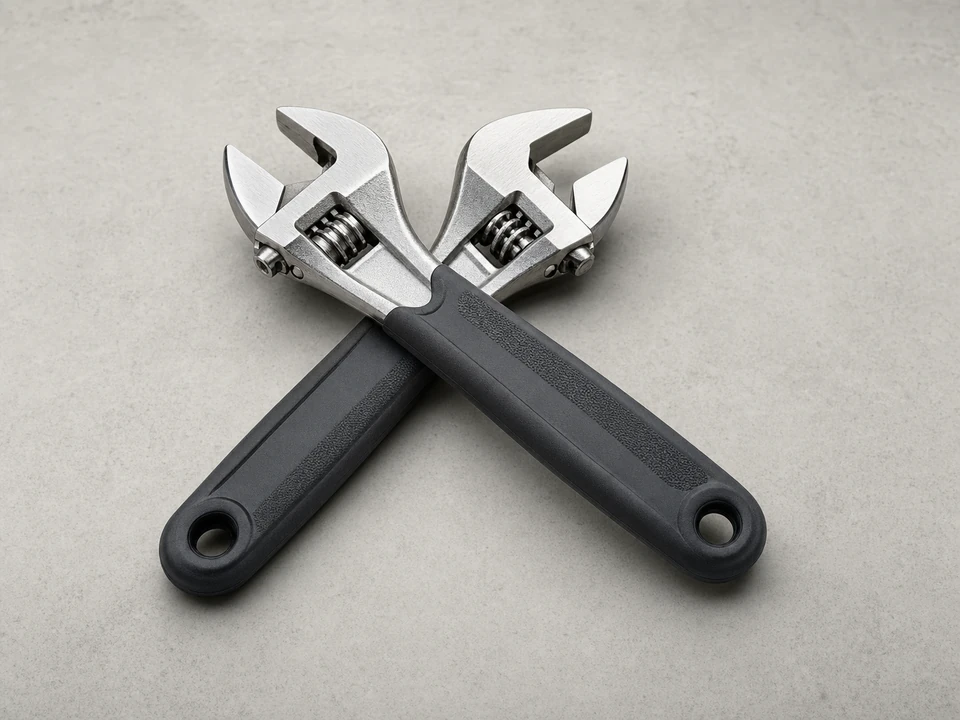
Adjustable wrench
Use it for: To loosen and tighten hose connections under the sink.
Shop adjustable wrenchesIf the side sprayer hose is leaking, split, kinked, or causing weak flow because the inner liner has failed, replacing the faucet sprayer hose is usually the right fix.
This is a manageable under-sink repair for most homeowners. The main job is shutting off the water, disconnecting the old hose without damaging the faucet connections, and making sure the new hose routes smoothly so it does not bind or leak.
Before you start: Match the hose length, connection style, and faucet compatibility before ordering.
Use it for: To loosen and tighten hose connections under the sink.
Shop adjustable wrenches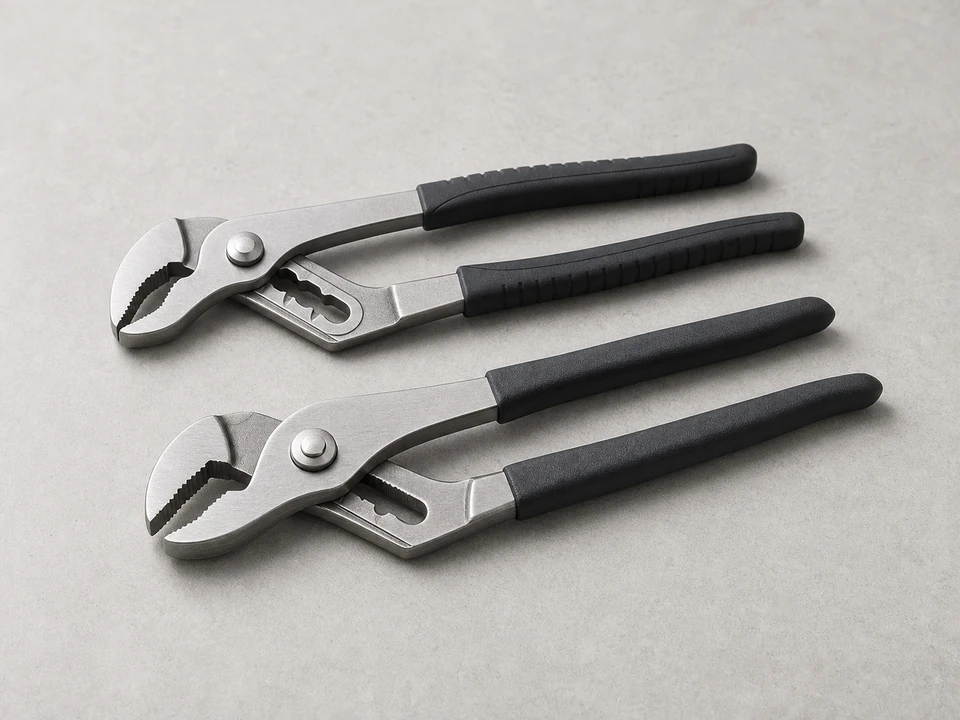
Use it for: Helpful for stubborn fittings or holding one side while loosening the other.
Shop tongue and groove pliers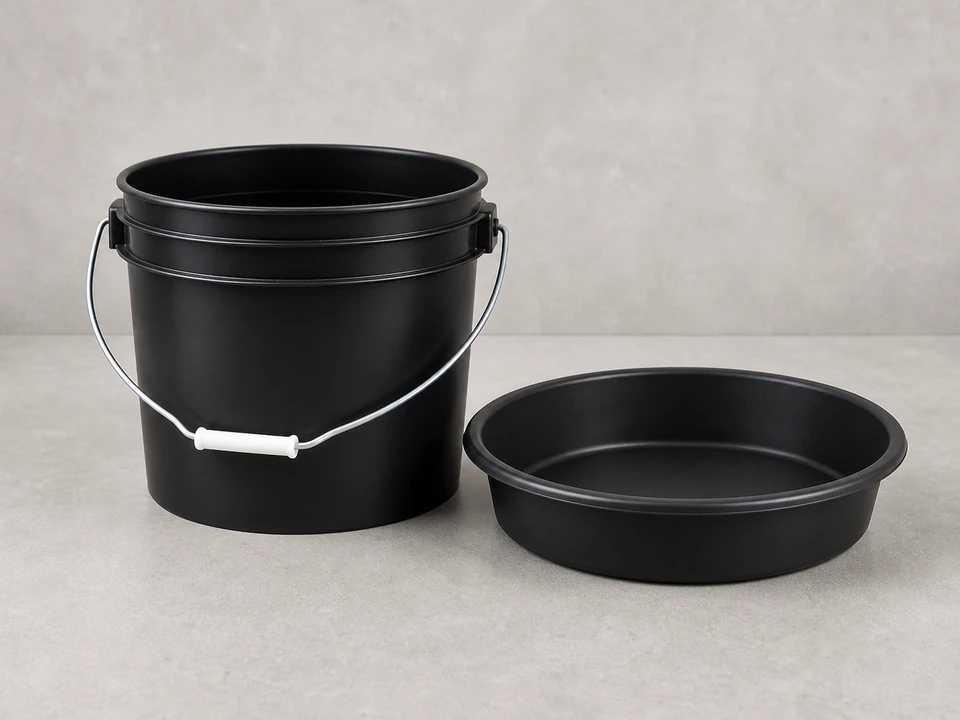
Use it for: To catch the water left in the hose and supply lines.
Find a drain pan or bucket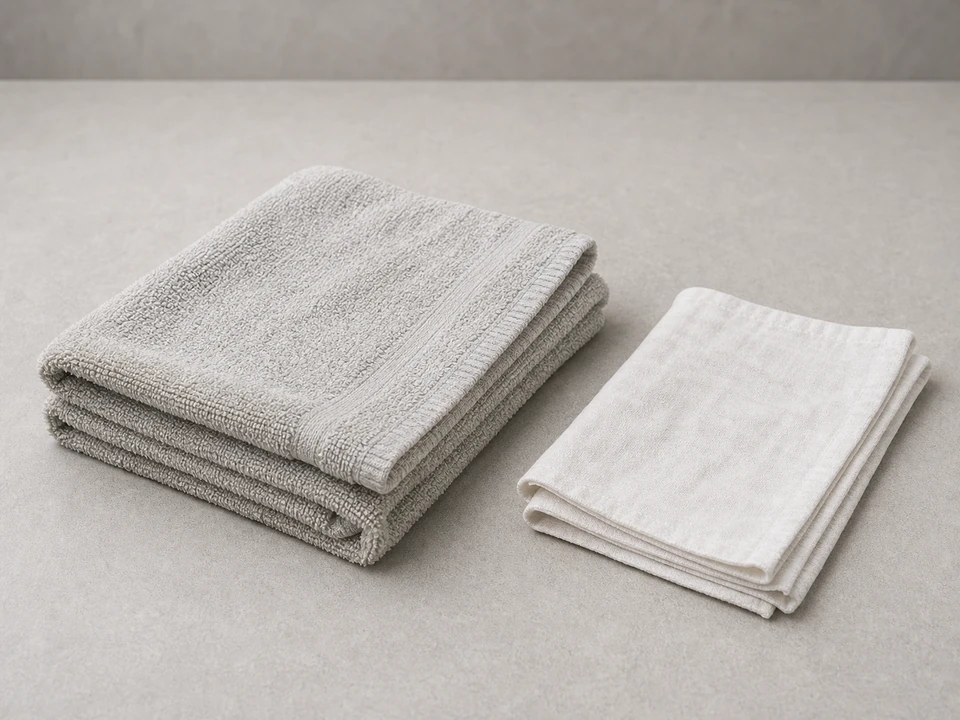
Use it for: To protect the cabinet floor and wipe up drips.
Shop absorbent shop towels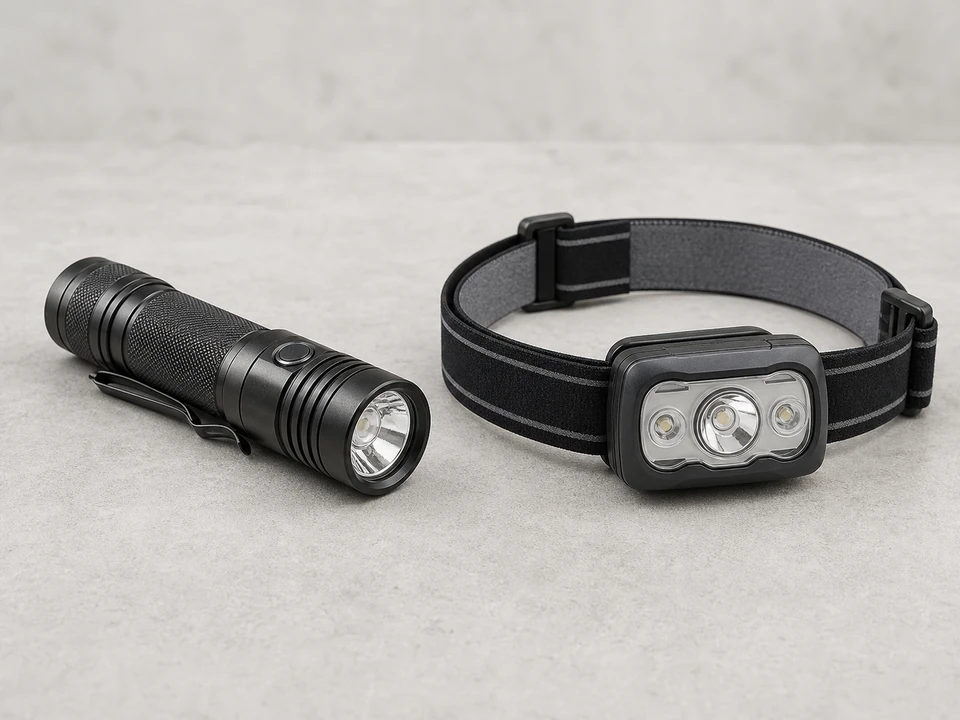
Use it for: To see the hose connection and guide the new hose through the faucet body.
Find a work lightAs an Amazon Associate I earn from qualifying purchases. Repair Riot may earn a commission at no extra cost to you.
If it works: You have confirmed the hose or its hose-end connection is the likely cause of the leak or poor sprayer performance.
If it doesn’t: If the leak is coming from the sprayer head, diverter, shutoff valve, or faucet body instead, stop here and repair that part first.
If it works: The water is off, pressure is relieved, and the cabinet is protected from the small amount of water still in the line.
If it doesn’t: If a shutoff valve will not close fully, use the main water shutoff before disconnecting the hose.
If it works: The old hose is fully removed and you know how the weight, clips, and routing were set up.
If it doesn’t: If the hose will not release, take a clear photo of the connection and match the replacement and connector style before forcing it.
If it works: The new hose is connected, the fittings are snug, and the hose moves freely without twisting or rubbing hard against the cabinet.
If it doesn’t: If the threads do not start easily or the connector does not lock positively, remove it and recheck the fit instead of tightening harder.
If it works: There are no leaks at the connection or along the hose, and the sprayer works with steady flow.
If it doesn’t: If a connection seeps, shut the water back off and reseat or gently retighten that connection. If the hose itself leaks, the part is likely damaged or incorrect.
If it works: The sprayer retracts smoothly, water flow is normal, and the cabinet stays dry during real use.
If it doesn’t: If the hose binds, recheck the weight position and hose routing. If flow is still weak with no leaks, the problem may also involve the sprayer head or faucet diverter.
Match the hose length, connection style, and faucet compatibility before ordering.
As an Amazon Associate I earn from qualifying purchases. Repair Riot may earn a commission at no extra cost to you.
Usually no. If the leak is in the hose or at its hose-end connection, replacing the faucet sprayer hose is often enough.
Yes, in many cases. If the new hose does not include a weight, move the old one to the new hose in about the same position so the sprayer retracts properly.
Only if the replacement instructions for your connection style call for it. Many faucet sprayer hose connections seal with washers, O-rings, or quick-connect fittings instead of thread tape.
If the new hose does not leak and is routed correctly, weak flow may be coming from a clogged sprayer head, a faucet diverter issue, or debris in the line.
Use the main water shutoff before starting the repair. If the sink shutoff valves leak or will not operate normally, they should be repaired before you rely on them again.