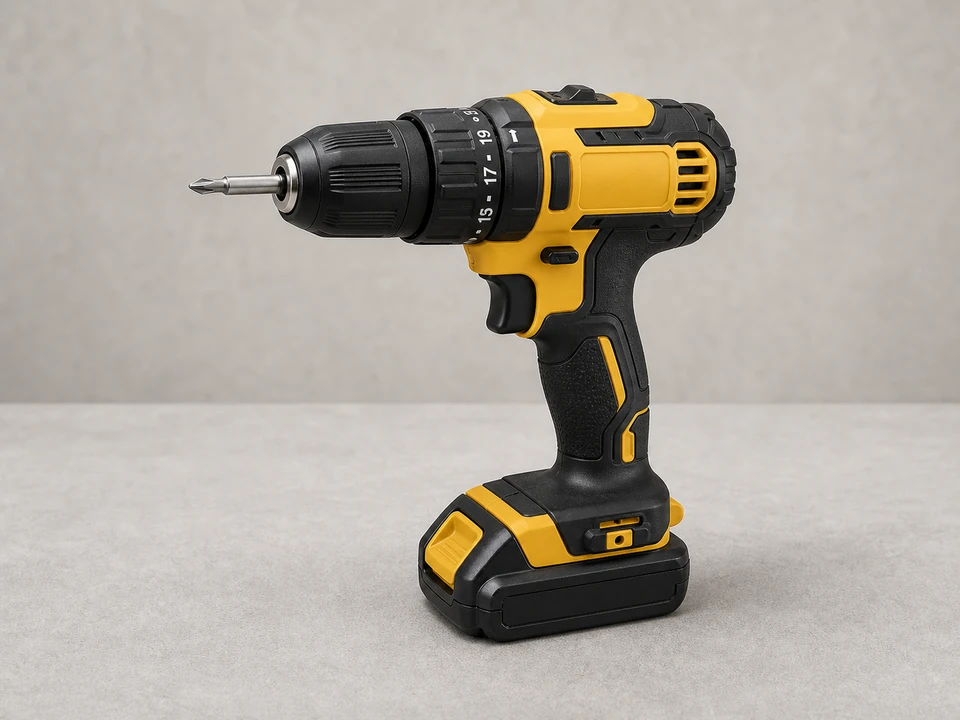
Drill/driver
Use it for: To remove old screws and drive the replacements cleanly.
Shop drill/driversTo replace fence bracket screws, remove the loose or rusted screws, check that the bracket and wood are still sound, and install matching exterior-rated screws that bite firmly without splitting the material.
This is a straightforward repair when the bracket is still usable and the surrounding wood is solid. The key is using the right screw size and coating so the connection stays tight outdoors.
Before you start: Match the screw type, length, head style, and exterior rating to your fence material and framing before ordering.
Use it for: To remove old screws and drive the replacements cleanly.
Shop drill/drivers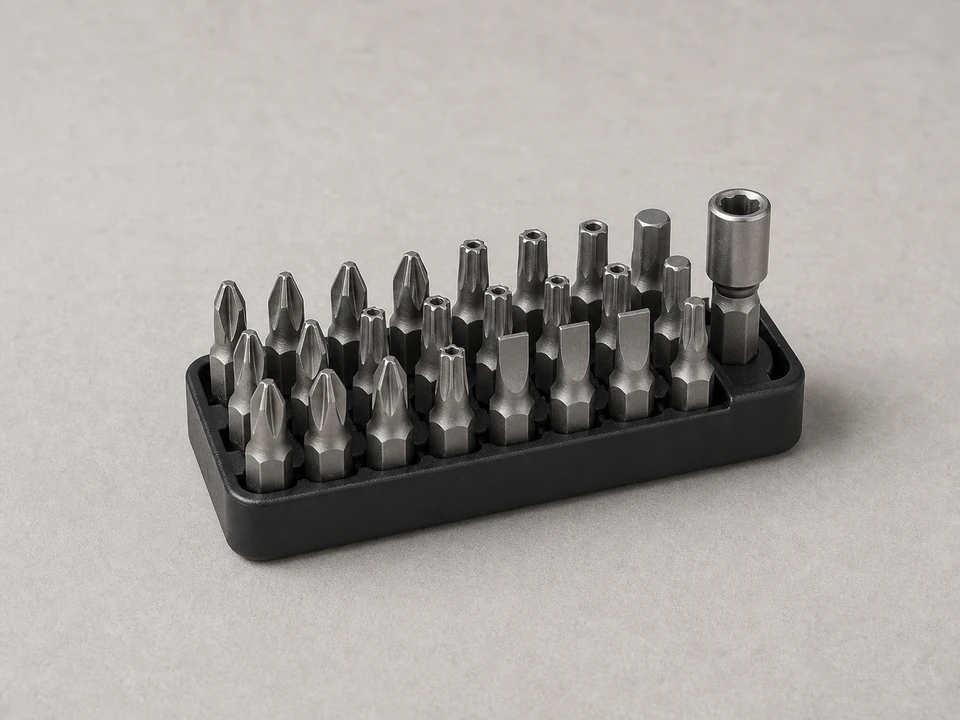
Use it for: To match the screw head and avoid stripping it during removal or installation.
Find driver bit sets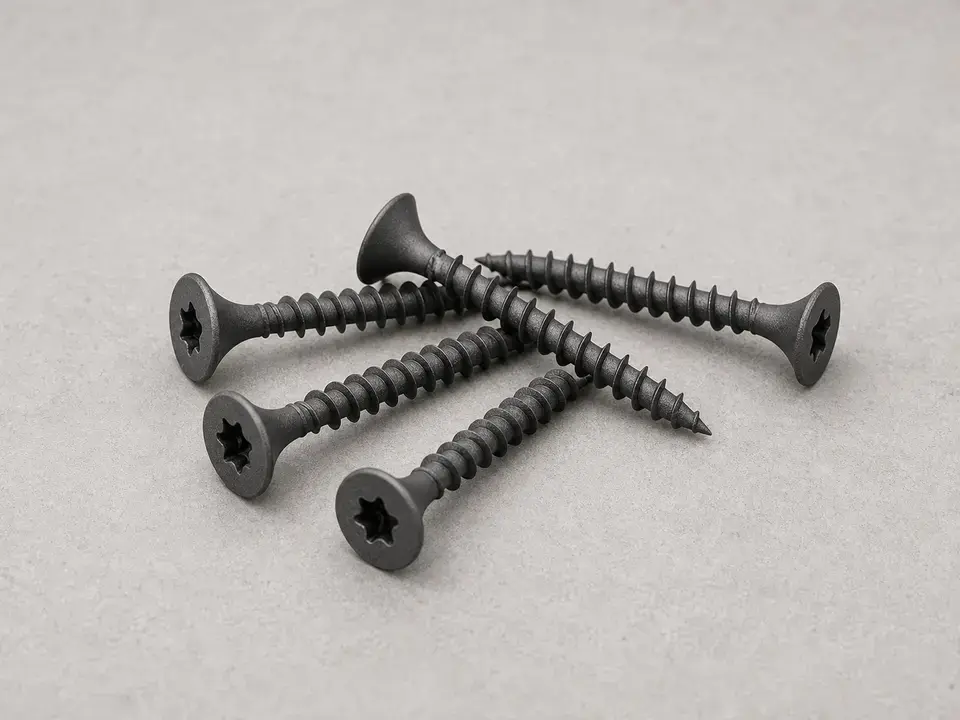
Use it for: These are the replacement fasteners that hold the bracket securely in outdoor conditions.
Find exterior fence bracket screws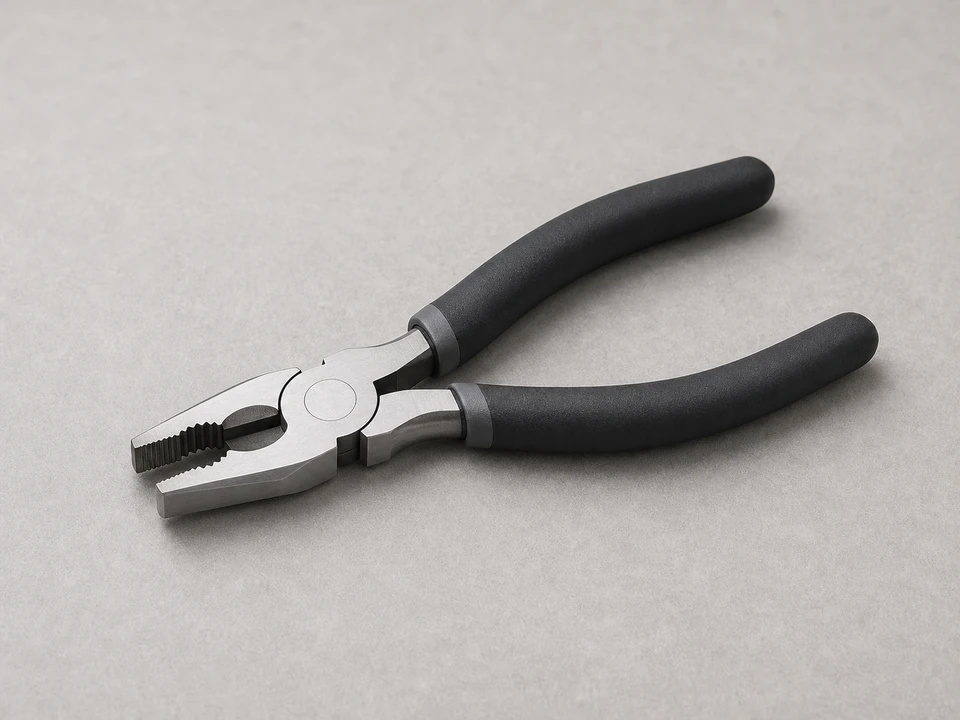
Use it for: Helpful for backing out partly broken screws or holding a loose bracket in place.
Shop pliers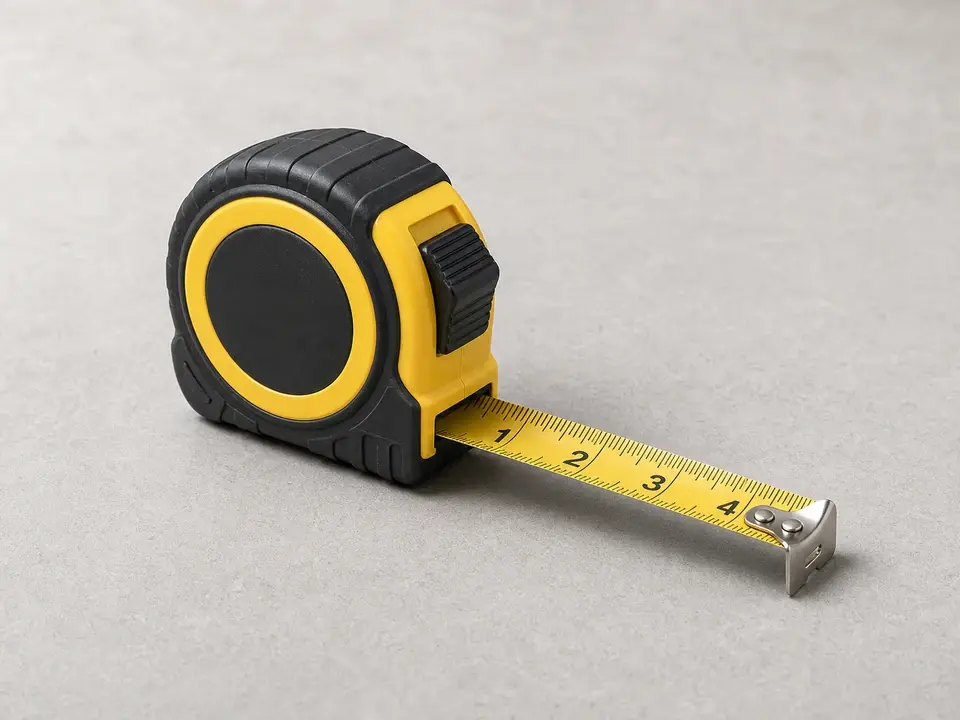
Use it for: To compare old screw length and choose replacements that fit properly.
Find tape measuresAs an Amazon Associate I earn from qualifying purchases. Repair Riot may earn a commission at no extra cost to you.
If it works: You confirmed the bracket screws are loose, damaged, or missing, and the bracket area is still solid enough for a screw replacement.
If it doesn’t: If the screws are tight but the fence still moves, inspect the bracket, post, rail, and surrounding wood for a different failure point.
If it works: You have replacement screws that fit the bracket and are appropriate for outdoor use.
If it doesn’t: If you cannot match the screw well enough, bring one old screw and the bracket measurements with you when shopping.
If it works: The old screws are out and the bracket is free enough to be tightened back into place.
If it doesn’t: If a screw head strips, switch to a better-fitting bit and apply firm pressure while backing it out slowly.
If it works: The bracket is clean, aligned, and ready for new screws to bite into solid material.
If it doesn’t: If the bracket will not sit flat, loosen nearby hardware slightly or realign the fence section before driving new screws.
If it works: The bracket is firmly attached and the new screws are seated cleanly without wobble or stripping.
If it doesn’t: If a screw spins without tightening, remove it and move to solid material nearby if the bracket design allows, or address the damaged wood before continuing.
If it works: The fence bracket stays tight during normal movement and the repair holds in real use.
If it doesn’t: If the bracket loosens again, the root problem is usually damaged wood, a bent bracket, or the wrong screw size rather than the installation itself.
Match the screw type, length, head style, and exterior rating to your fence material and framing before ordering.
As an Amazon Associate I earn from qualifying purchases. Repair Riot may earn a commission at no extra cost to you.
Use exterior-rated screws that match the bracket hole size and are suitable for the fence material. The main things to match are length, diameter, head style, and corrosion resistance.
It is better to replace screws that are rusted, bent, stripped, or loose. Reusing damaged screws often leads to the bracket loosening again.
That usually means the wood behind the bracket is worn, split, or rotted, or the screw is the wrong size. Replacing screws alone will not hold if the base material has lost strength.
If one screw failed from rust or loosening, the others are often not far behind. Replacing the full set in that bracket usually gives a more even, longer-lasting repair.
Not always, but predrilling can help in hard or dry wood and can reduce splitting near edges. If the wood starts to crack while driving a screw, stop and predrill before continuing.