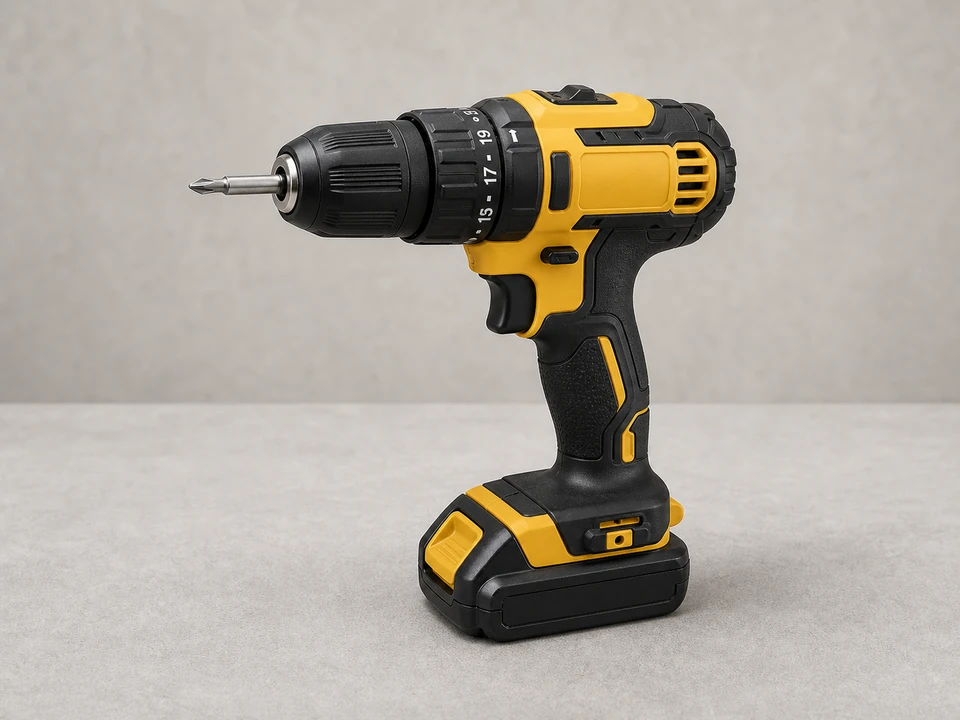
Drill/driver
Use it for: To remove old screws and drive the replacements without over-tightening.
Shop drill/driversTo replace exterior fence screws, remove the failed fasteners, check that the wood around the joint is still solid, and install matching exterior-rated screws that are the right length for the fence board and rail or post connection.
This is a good repair when fence boards or rails are loose because screws are rusted, backing out, stripped, or missing. If the wood itself is rotten or split badly, new screws alone will not hold for long.
Before you start: Match the screw type, length, head style, and exterior rating to your fence material and framing before ordering.
Use it for: To remove old screws and drive the replacements without over-tightening.
Shop drill/drivers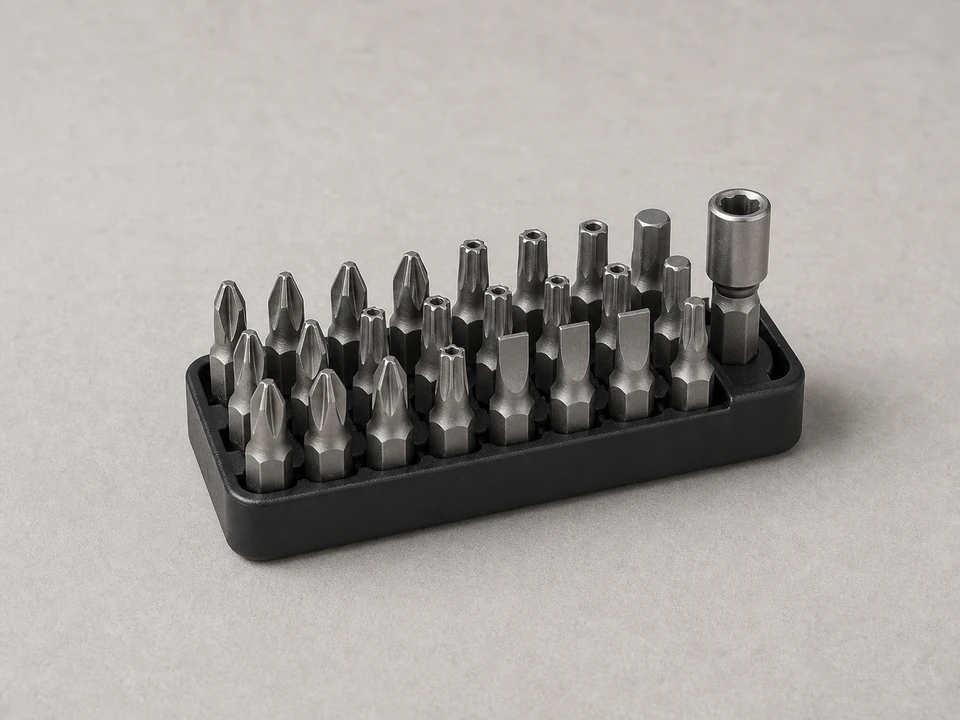
Use it for: To match the screw head and avoid stripping old or new fasteners.
Shop driver bit sets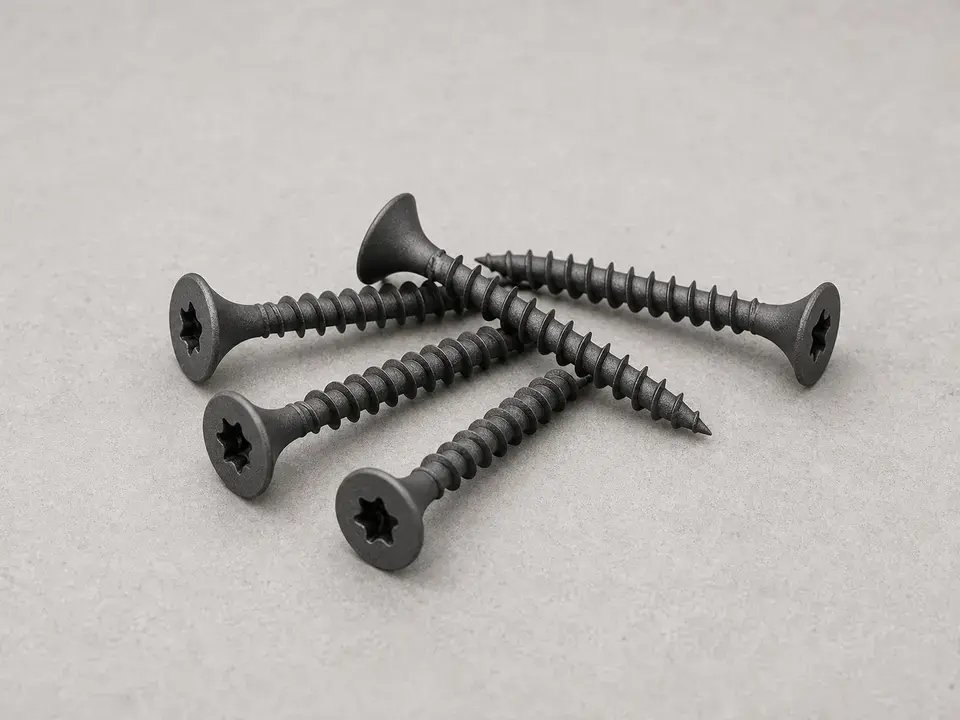
Use it for: These are the replacement fasteners that hold fence boards, rails, or hardware securely outdoors.
Find exterior fence screws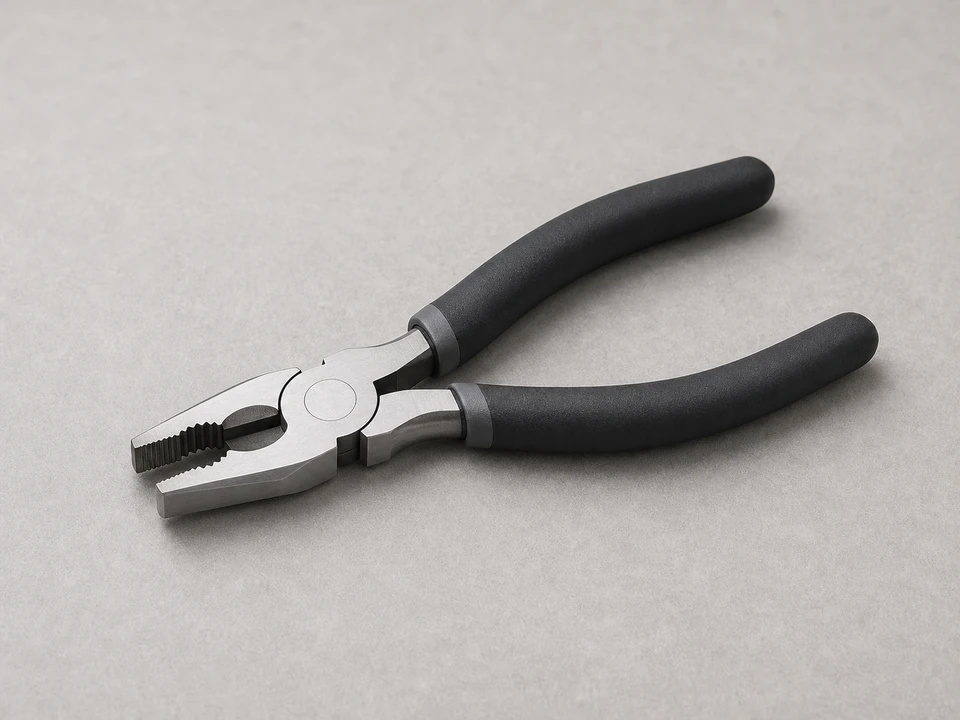
Use it for: Helpful for backing out damaged screw heads or pulling loose metal fragments.
Shop pliers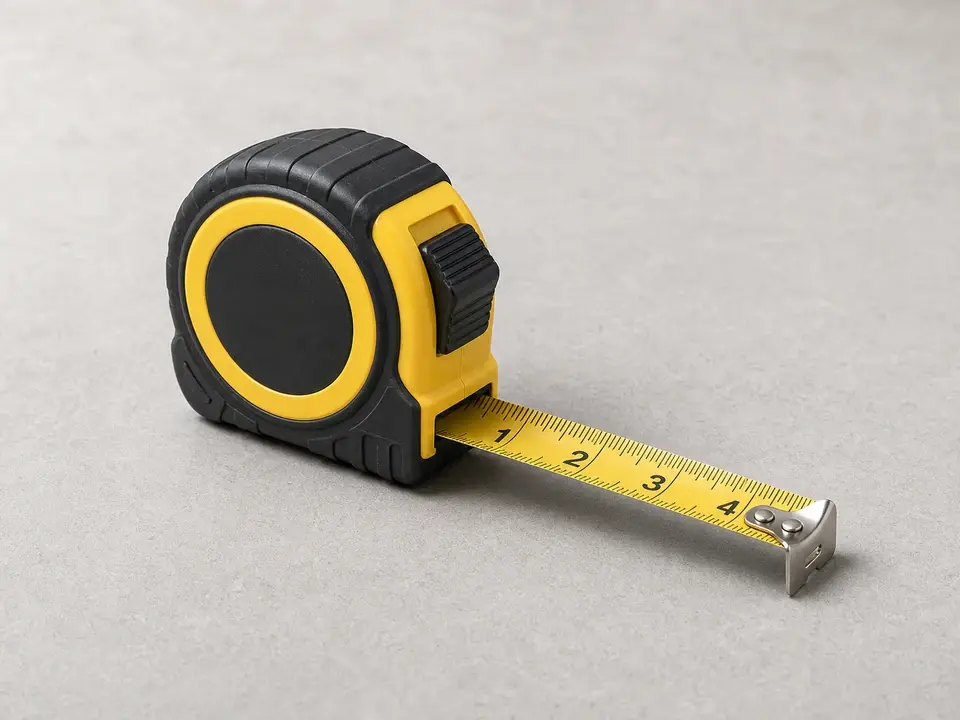
Use it for: To match the old screw length and choose a replacement that bites into solid framing.
Shop tape measures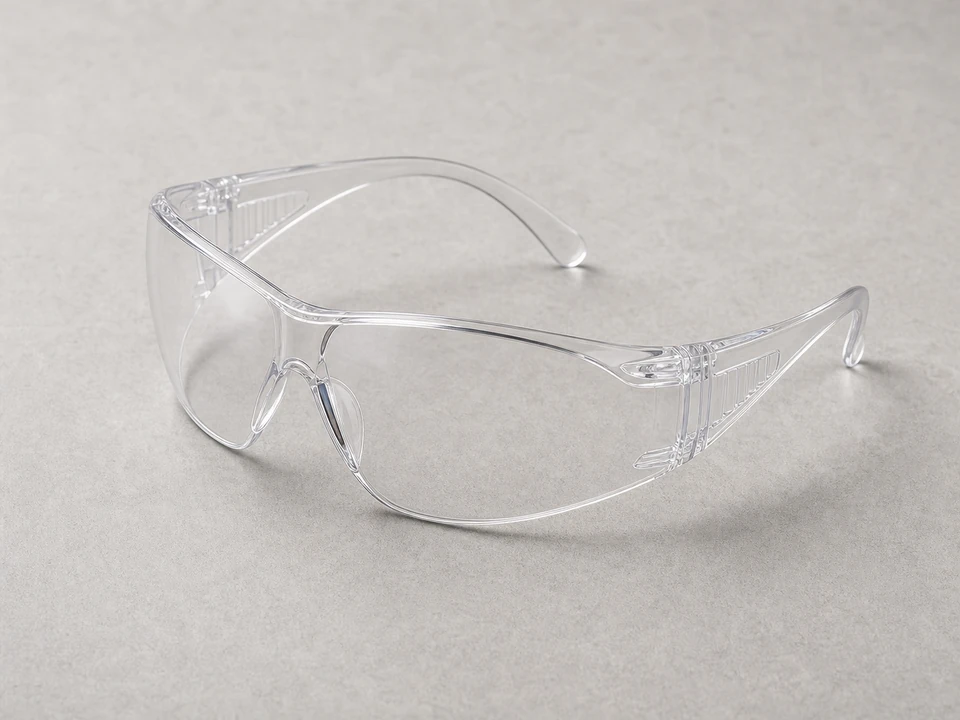
Use it for: To protect your eyes from rust flakes, wood chips, and broken fastener pieces.
Shop safety glassesAs an Amazon Associate I earn from qualifying purchases. Repair Riot may earn a commission at no extra cost to you.
If it works: You found failed screws and the surrounding wood still feels solid enough to hold new fasteners.
If it doesn’t: If the joint is loose because the board, rail, or post is rotten, split through, or badly warped, repair or replace the damaged wood first.
If it works: You have replacement screws that closely match the original size and are rated for exterior use.
If it doesn’t: If you cannot match the old screws exactly, choose the closest exterior-rated replacement that fits the existing hole and still grabs solid framing.
If it works: The failed screws are out and the joint is clean and lined up for the new fasteners.
If it doesn’t: If an old screw breaks off flush and the joint still has room for a nearby new screw in solid wood, shift the new screw slightly rather than forcing the same damaged spot.
If it works: The board or rail is pulled tight and the new screws are seated firmly without wobble or spin.
If it doesn’t: If a screw keeps spinning, remove it and place the next one into solid wood nearby or address the damaged wood before continuing.
If it works: The whole repair area looks secure and there are no nearby failed screws waiting to loosen the section again.
If it doesn’t: If you keep finding widespread rusted fasteners across multiple sections, plan to replace them in batches instead of waiting for each board to loosen.
If it works: The fence stays tight during normal use and the new screws remain seated without backing out.
If it doesn’t: If the joint loosens again quickly, the root problem is usually stripped or rotten wood, movement from a failing post, or the wrong screw size.
Match the screw type, length, head style, and exterior rating to your fence material and framing before ordering.
As an Amazon Associate I earn from qualifying purchases. Repair Riot may earn a commission at no extra cost to you.
Yes, if the rest of that connection is still tight and the wood is solid. If several screws at the same joint are rusted or backing out, replace all of the failed ones together so the load is shared properly.
Use exterior-rated screws that resist corrosion outdoors. Match the old screw's length, thickness, and head style as closely as you can, and make sure the new screw is suitable for the fence material and the framing behind it.
The usual causes are wood movement, rusted fasteners losing grip, stripped holes, or a fence section shifting because of a weak rail or post. Replacing the screws helps only if the surrounding wood and structure are still sound.
Do not keep driving into the same loose hole. Move the new screw slightly into solid wood if there is room and the connection still lines up correctly. If the wood around the joint is too damaged, repair the wood first.
For a screw-based fence connection, replacing failed screws with matching exterior-rated screws is usually the better like-for-like repair. Screws generally hold boards and rails more tightly and are easier to service later.