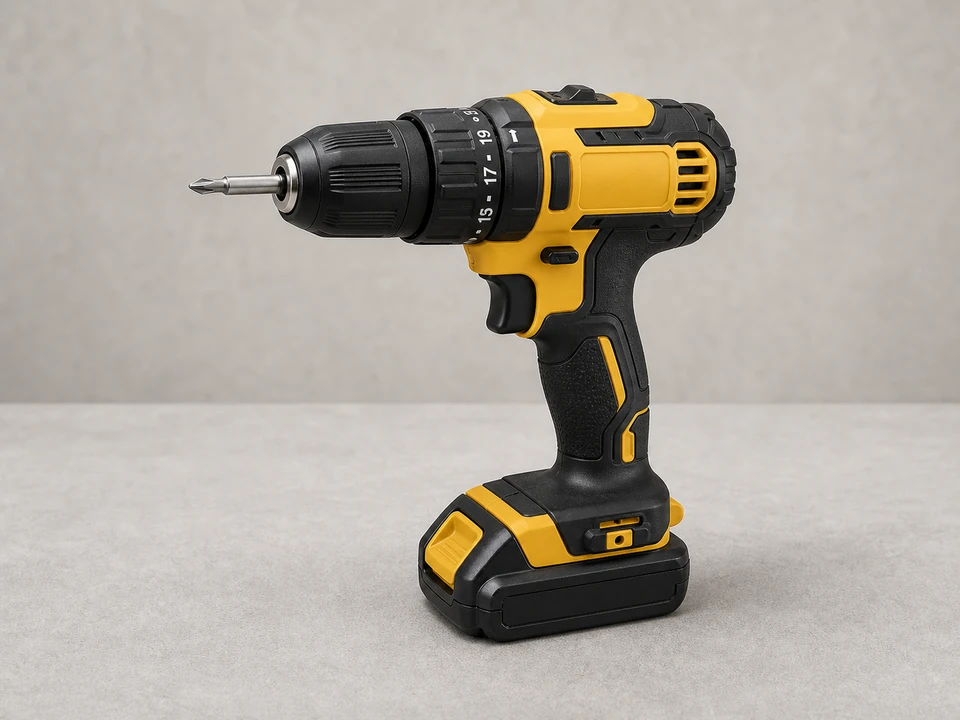
Drill/driver
Use it for: To remove old screws and drive new fasteners securely.
Shop drill/driversIf your fence boards or rails are loose because the old hardware is rusted, backing out, or missing, replacing the fence exterior fasteners is usually a straightforward fix.
Start by confirming the wood itself is still solid enough to hold new fasteners. Then remove the failed hardware, pull the fence parts back into position, and install exterior-rated replacements that fit the existing material and framing.
Before you start: Match the screw type, length, head style, and exterior rating to your fence material and framing before ordering.
Use it for: To remove old screws and drive new fasteners securely.
Shop drill/drivers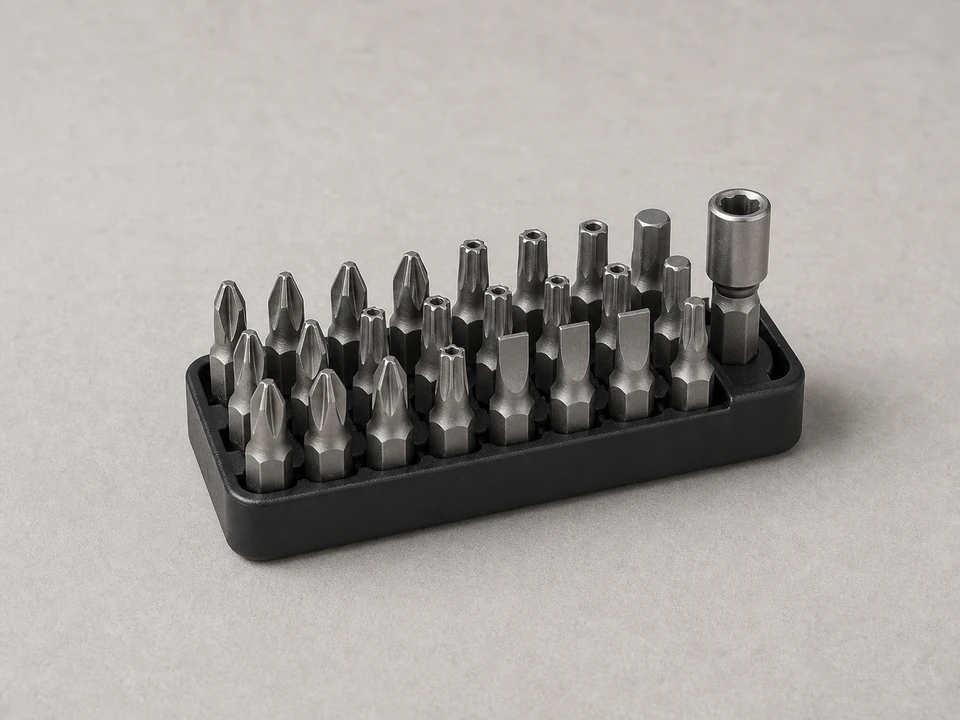
Use it for: To match the head style on the old and new fasteners.
Find driver bit sets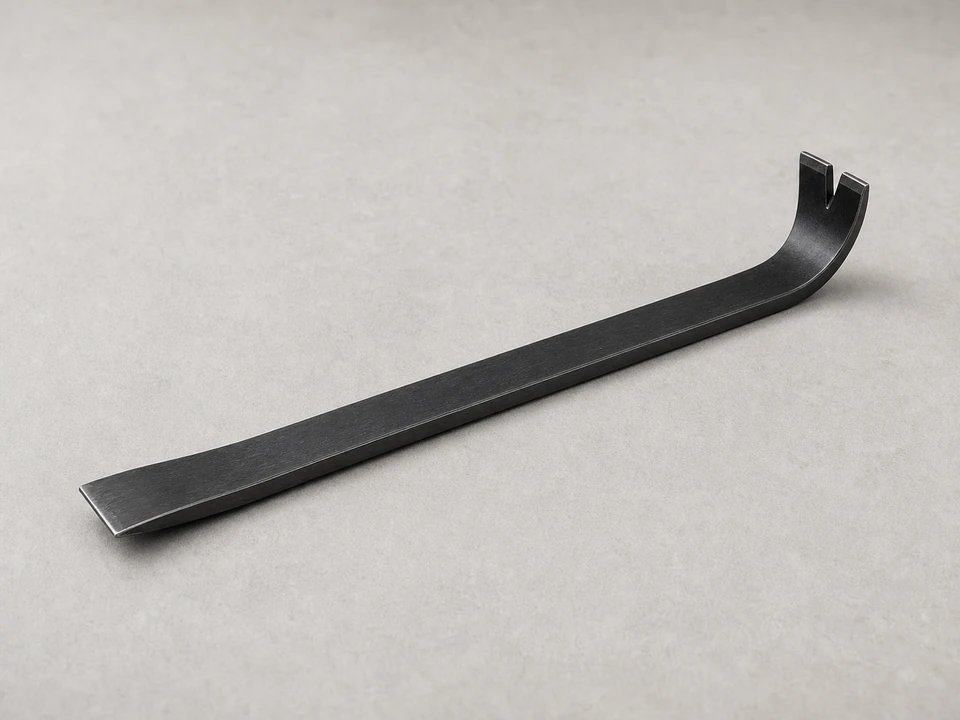
Use it for: To gently lift boards or pull stubborn fasteners without splitting the wood.
Shop small pry bars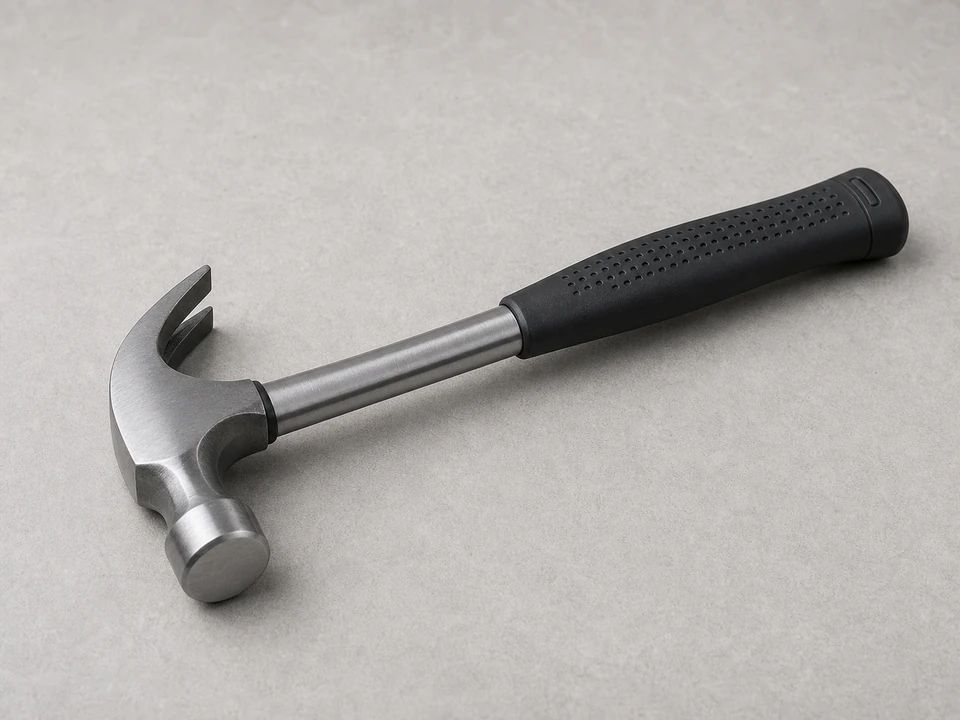
Use it for: To tap loose pieces back into place or remove nails.
Find hammers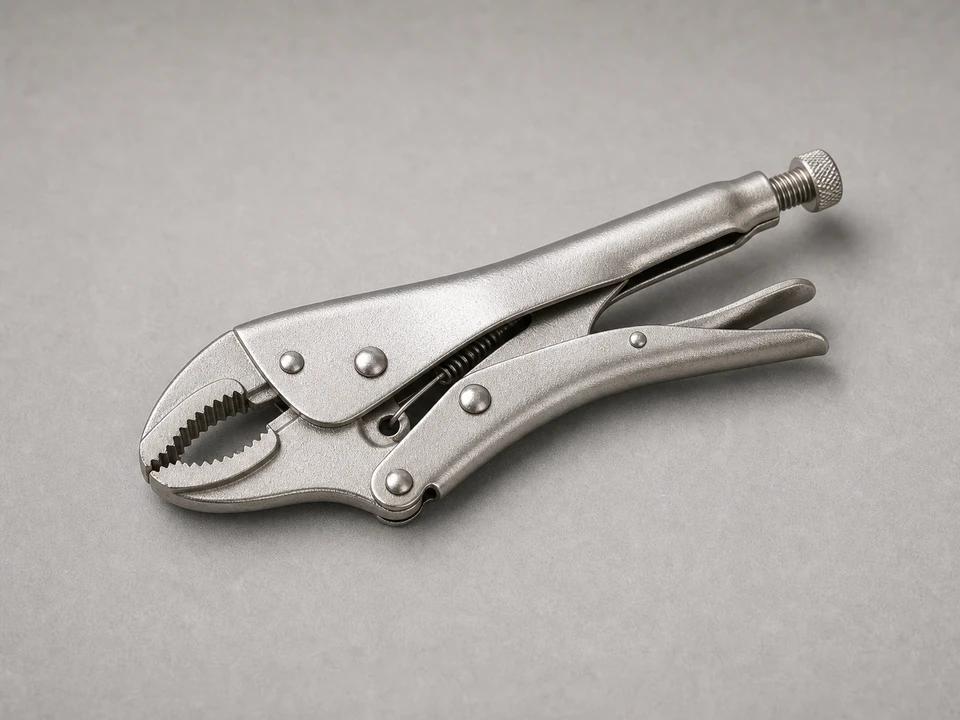
Use it for: To grip stripped screw heads or broken fastener shanks.
Shop locking pliers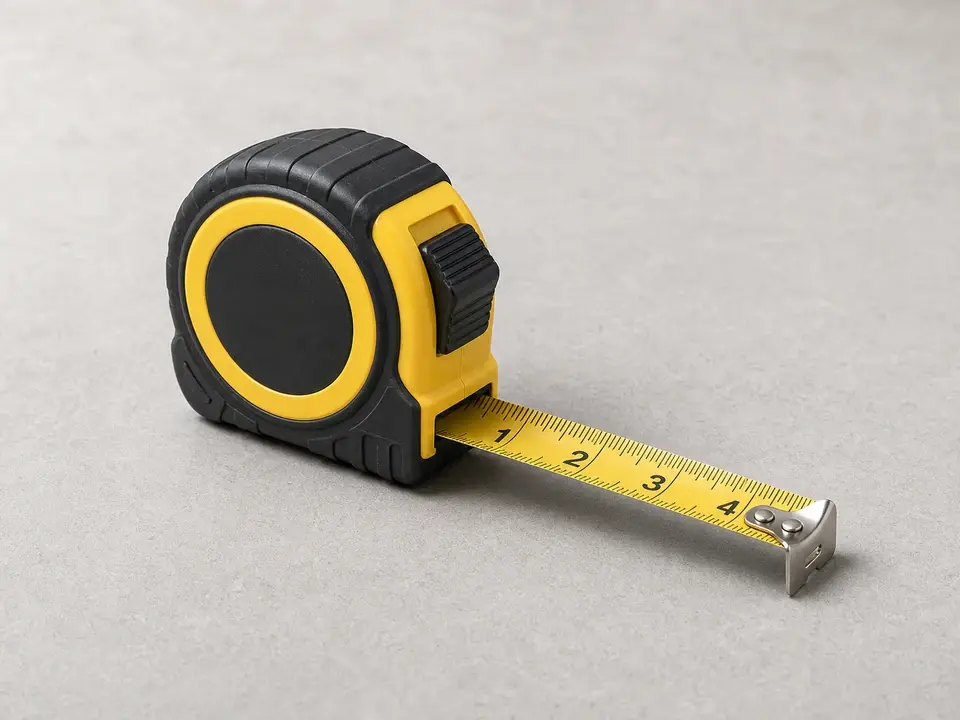
Use it for: To match fastener length and keep spacing consistent.
Find tape measuresAs an Amazon Associate I earn from qualifying purchases. Repair Riot may earn a commission at no extra cost to you.
If it works: You have confirmed the fence is loose mainly because the exterior fasteners failed, not because the whole section is rotted or broken.
If it doesn’t: If the fence post, rail, or picket is badly rotted, cracked through, or pulling apart, repair or replace that wood first and then install new fasteners.
If it works: The loose connection is free of failed hardware and ready to be pulled back together.
If it doesn’t: If one broken fastener cannot be removed cleanly, move the new fastener slightly over or below into solid wood instead of forcing the same damaged hole.
If it works: The fence parts are lined up properly and supported so the new fasteners can pull the joint tight.
If it doesn’t: If the board will not sit flat because it is warped or twisted, secure the best fit you can with multiple fasteners into solid wood, or replace the board if the gap is too large to hold.
If it works: The loose fence connection is now tight, flush, and secured with new exterior-rated fasteners.
If it doesn’t: If a new fastener spins without tightening, remove it and move to fresh solid wood nearby or use the correct longer or thicker fastener that fits the material.
If it works: The repaired area is cleaned up and the surrounding connections are in similar working condition.
If it doesn’t: If you find several nearby failures in the same section, plan to re-fasten that whole section instead of treating only one loose spot.
If it works: The fence stays tight, the new fasteners remain seated, and the repaired section holds during normal use.
If it doesn’t: If the connection loosens again, the root problem is usually stripped wood, hidden rot, or movement from a failing post or rail rather than the fasteners alone.
Match the screw type, length, head style, and exterior rating to your fence material and framing before ordering.
As an Amazon Associate I earn from qualifying purchases. Repair Riot may earn a commission at no extra cost to you.
Use the same style the fence was built for when possible, but many homeowners prefer exterior-rated screws for repairs because they pull loose boards tight and are easier to remove later. The main thing is using hardware rated for outdoor exposure and sized correctly for the wood.
Only if the hole still grips tightly in solid wood. If the hole is enlarged or crumbly, move the new fastener slightly into fresh wood so the repair actually holds.
Try the correct bit first for screws, then locking pliers for stripped heads. For nails, pry them out carefully. If one will not come out cleanly, install the new fastener nearby in solid wood rather than tearing up the fence trying to save the old hole.
If the wood feels soft, flakes apart, splits deeply, or will not hold a snug fastener, the wood itself is the problem. Replace the damaged board or rail before expecting new hardware to last.
Not usually. Replace the failed fasteners at the loose connection first, then inspect the nearby hardware. If several in the same section are rusted or backing out, it makes sense to re-fasten that section while you already have the tools out.