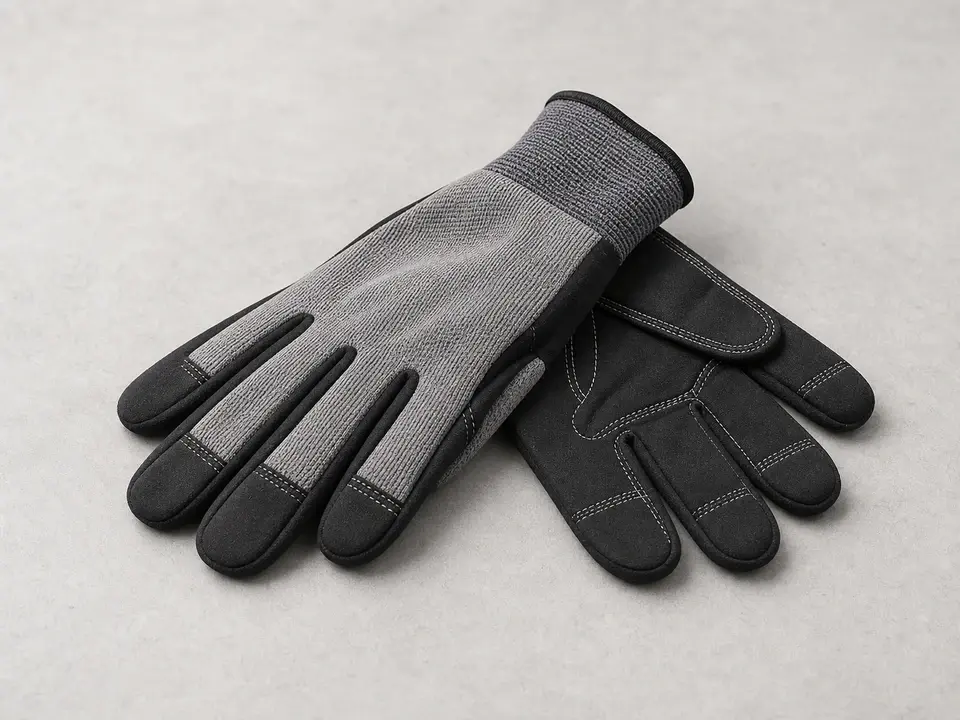
Work gloves
Use it for: Protects your hands from sharp metal edges, splinters, and rusted hardware.
Shop work glovesTo replace fence fasteners, support any loose section, remove the damaged or rusted hardware, match the size and type, install the new fasteners, and tighten them until the fence is secure without splitting the material.
This is a simple repair for many wood, vinyl, and metal fences. The main goal is to use the same style and size of hardware so rails, panels, or brackets sit firmly and line up the way they did before.
Before you start: Match the replacement part to your exact fence before ordering.
Use it for: Protects your hands from sharp metal edges, splinters, and rusted hardware.
Shop work gloves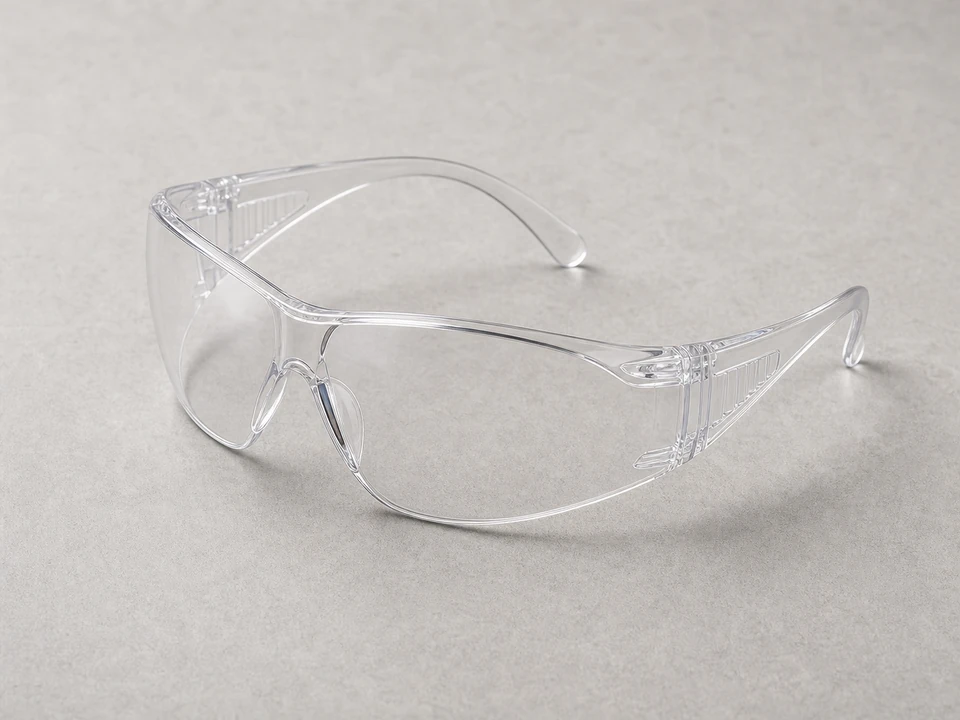
Use it for: Helps protect your eyes when removing old screws, nails, or broken fasteners.
Shop safety glasses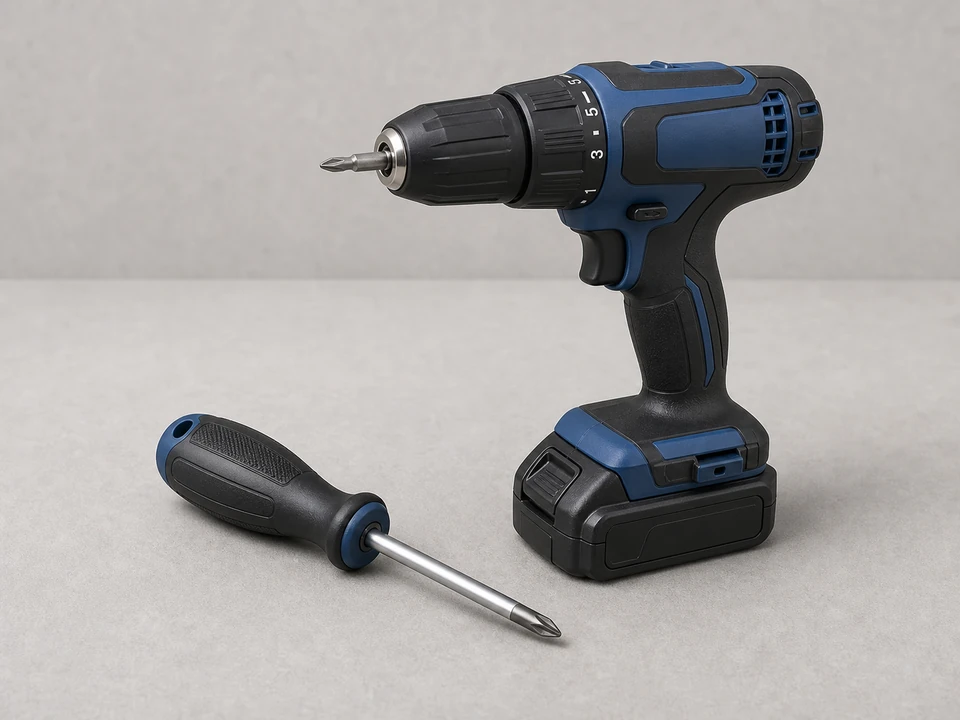
Use it for: Removes old screws and installs new fasteners more easily.
Find a drill driver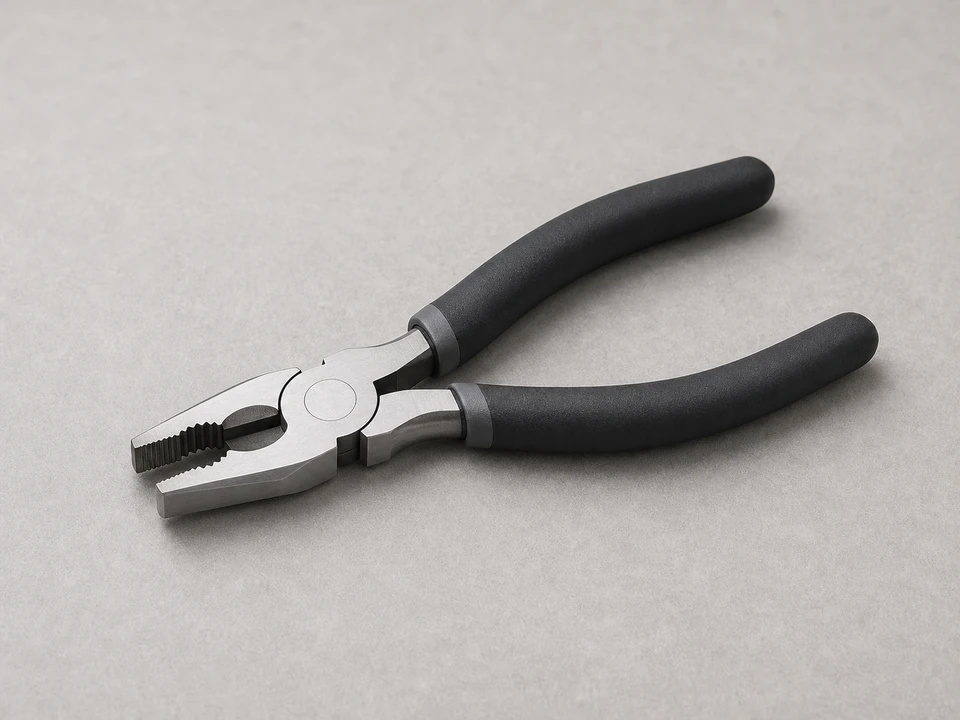
Use it for: Pulls stubborn nails, twisted wire, or damaged fasteners that will not back out cleanly.
Shop pliers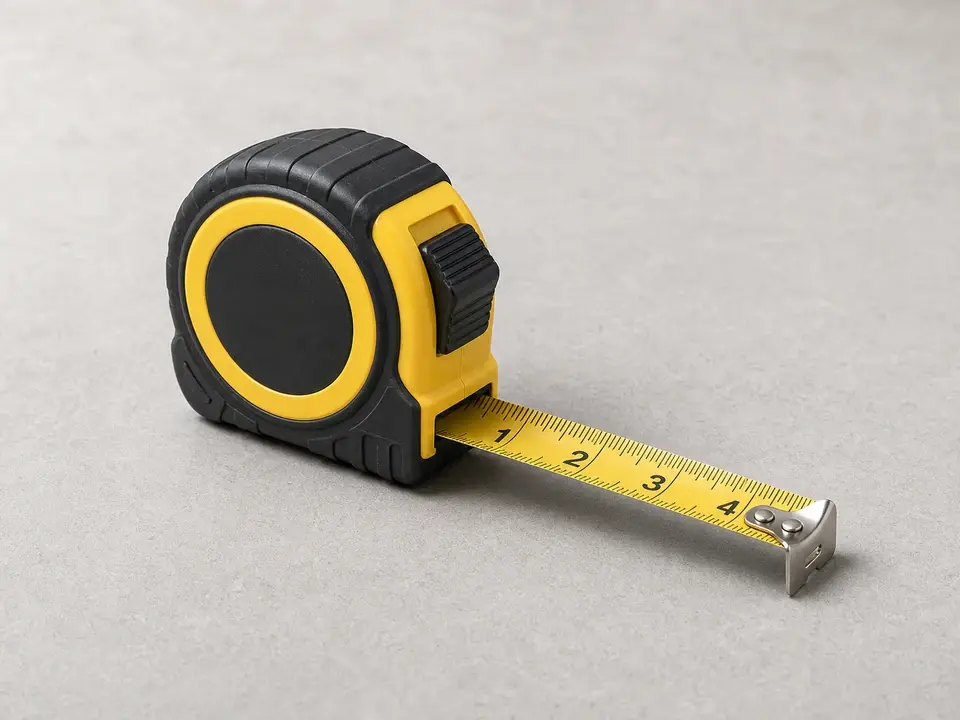
Use it for: Helps match the length and diameter of the old hardware.
Find a tape measure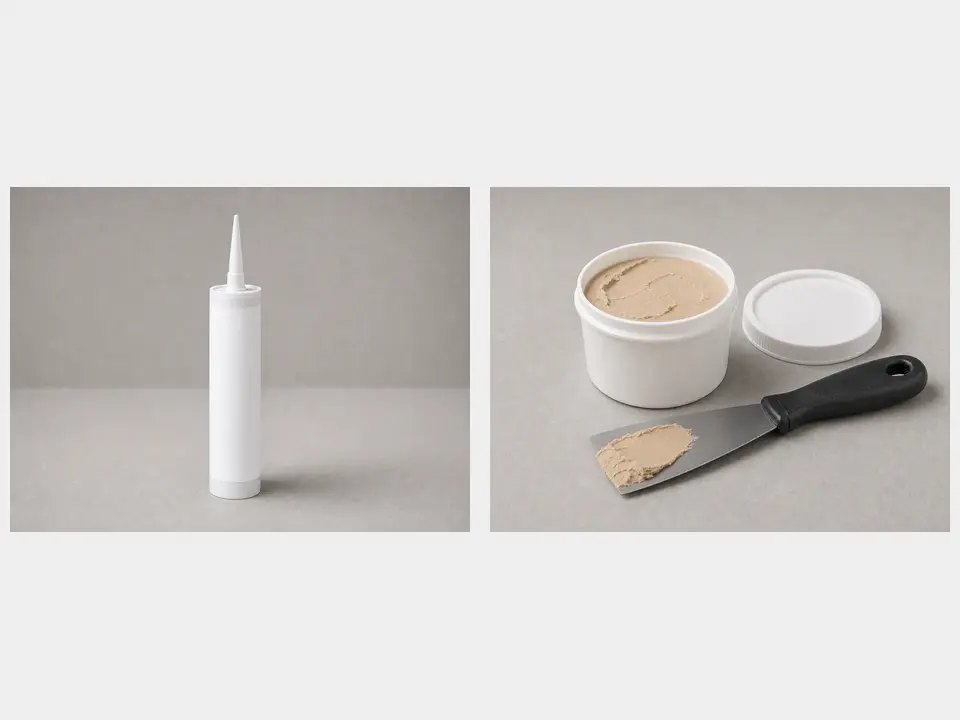
Use it for: Can help fill stripped or enlarged holes before reinstalling hardware in some fence materials.
Shop exterior filler or sealantAs an Amazon Associate I earn from qualifying purchases. Repair Riot may earn a commission at no extra cost to you.
If it works: You know which fasteners need replacement and have matching hardware ready.
If it doesn’t: Remove one intact fastener from the same area and use it as your sample before buying replacements.
If it works: The old fasteners are out and the connection points are exposed and clean enough to inspect.
If it doesn’t: If a fastener is stuck, work it out slowly rather than forcing it and damaging the fence material.
If it works: The fence parts are aligned and the mounting points are ready for new fasteners.
If it doesn’t: If the holes do not line up, loosen nearby hardware slightly and reposition the section before continuing.
If it works: The new fasteners are installed and the fence section feels secure.
If it doesn’t: If a fastener will not tighten, remove it and correct the hole or move to solid material nearby if appropriate.
If it works: The repaired area looks even and has no obvious loose hardware nearby.
If it doesn’t: If the section still shifts, inspect the next connection point because more than one fastener may have failed.
If it works: The fence stays firm, aligned, and quiet under normal hand pressure.
If it doesn’t: If the section still moves, inspect for hidden damage in the post, rail, bracket, or surrounding fasteners.
Match the replacement part to your exact fence before ordering.
As an Amazon Associate I earn from qualifying purchases. Repair Riot may earn a commission at no extra cost to you.
Match the original type first, such as screws, nails, bolts, or bracket fasteners. Also match the length, thickness, and outdoor suitability as closely as you can so the joint fits and holds properly.
Yes, if only one has failed and the surrounding hardware is still solid. If nearby fasteners are rusted, loose, or missing, it is usually better to replace those at the same time in that section.
If the hole no longer grips the fastener, you may need to move slightly to sound material or repair the hole before reinstalling. If the surrounding wood or fence material is badly damaged, the part itself may need repair or replacement.
Sometimes a screw can hold better, but the safest choice is usually to match the original hardware style unless you are sure the connection is designed for a different fastener. The wrong type can affect fit and strength.
The problem may be in another part of the fence, such as a loose post, cracked rail, broken bracket, or damaged panel. Fasteners can only hold well if the material around them is still sound.