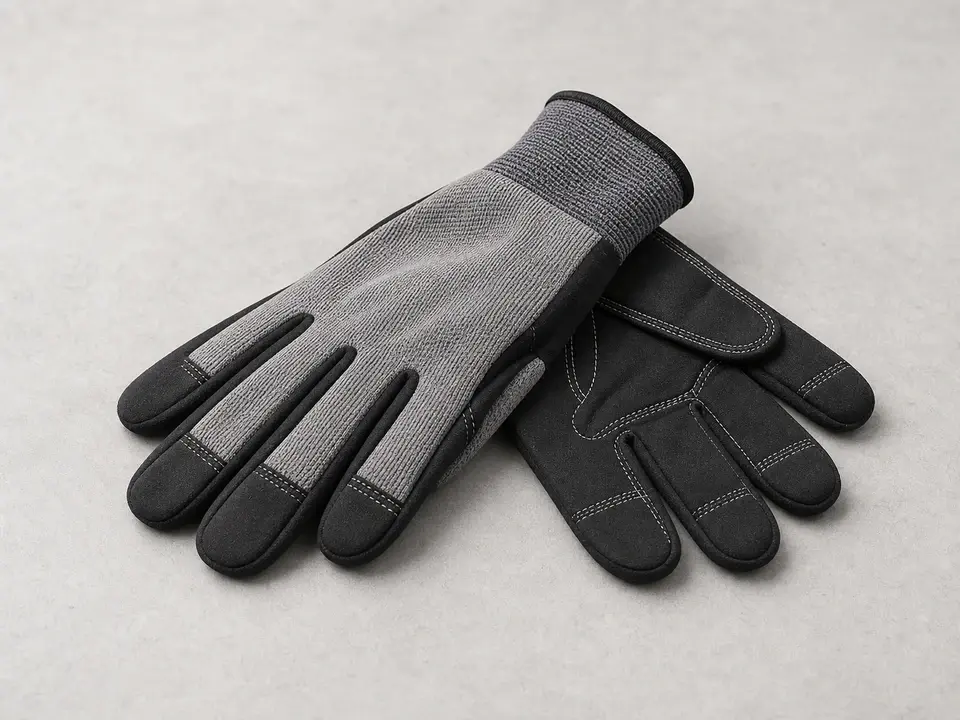
Work gloves
Use it for: Protects your hands from sharp metal edges, splinters, and rough hardware.
Shop work glovesTo replace a fence gate hinge, support the gate first, remove the old hinge one side at a time, install a matching replacement, and then adjust the gate so it swings freely and latches correctly.
A worn, bent, or rusted hinge can make a gate sag, drag, or stop closing properly. This job is usually manageable for a homeowner if you keep the gate supported and replace the hinge carefully.
Before you start: Match the replacement part to your exact fence before ordering.
Use it for: Protects your hands from sharp metal edges, splinters, and rough hardware.
Shop work gloves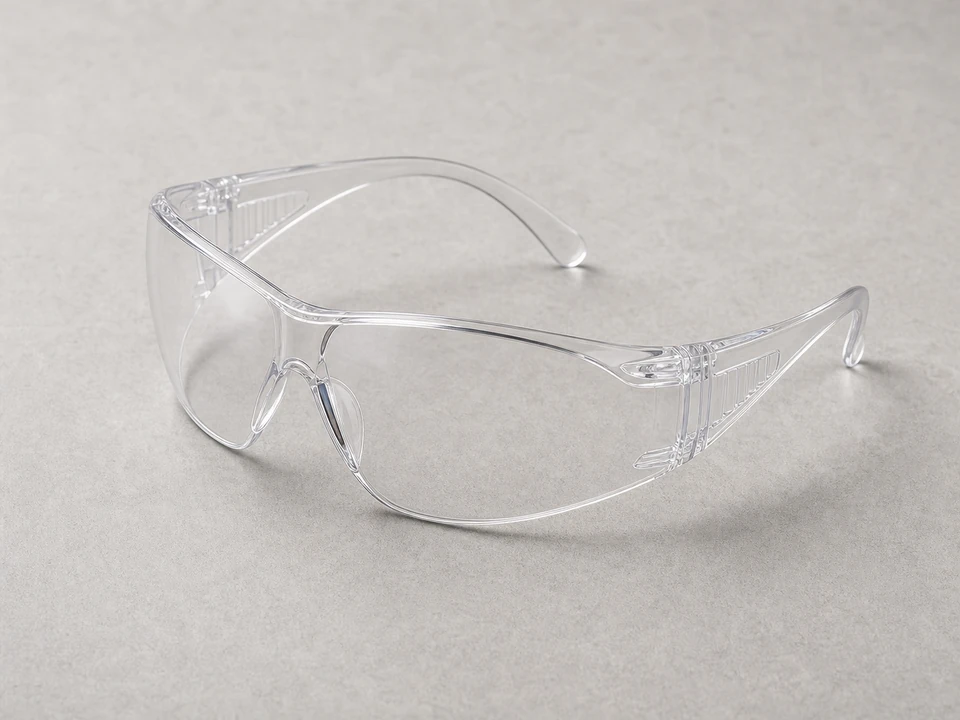
Use it for: Helps protect your eyes when removing screws or drilling new pilot holes.
Shop safety glasses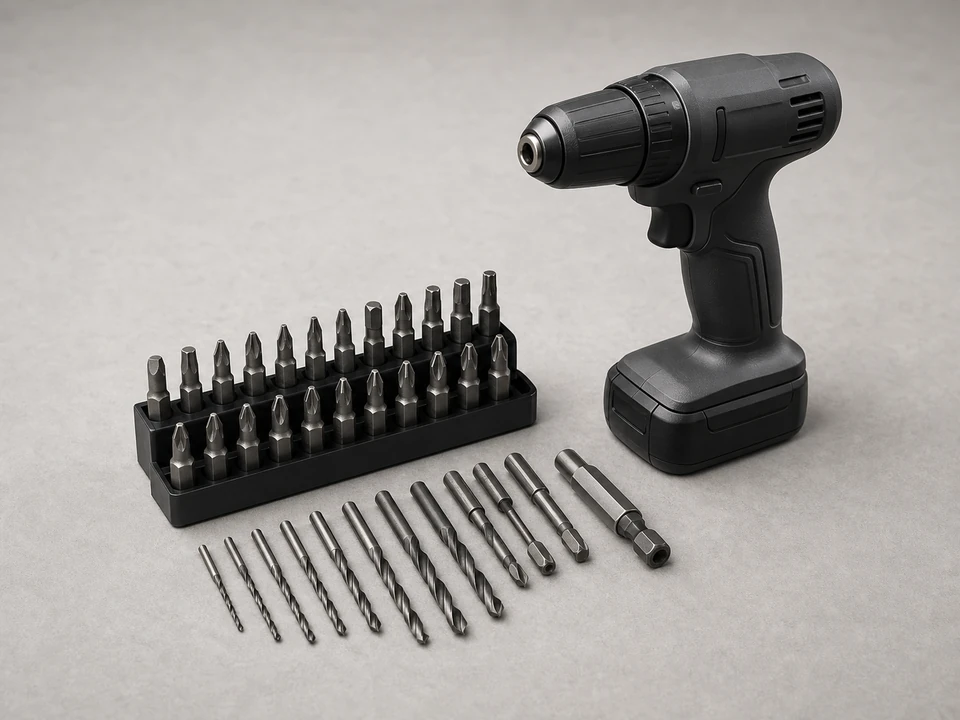
Use it for: Removes old fasteners and installs the new hinge screws or bolts.
Shop drill driver set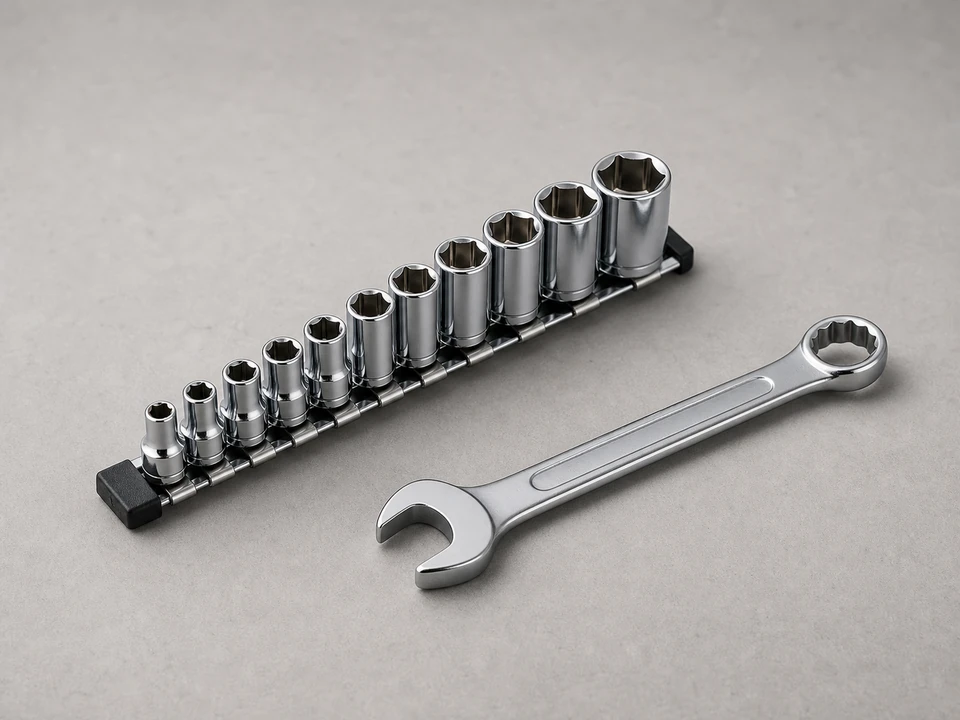
Use it for: Tightens or removes nuts and bolts on through-bolted hinges.
Shop socket and wrench sets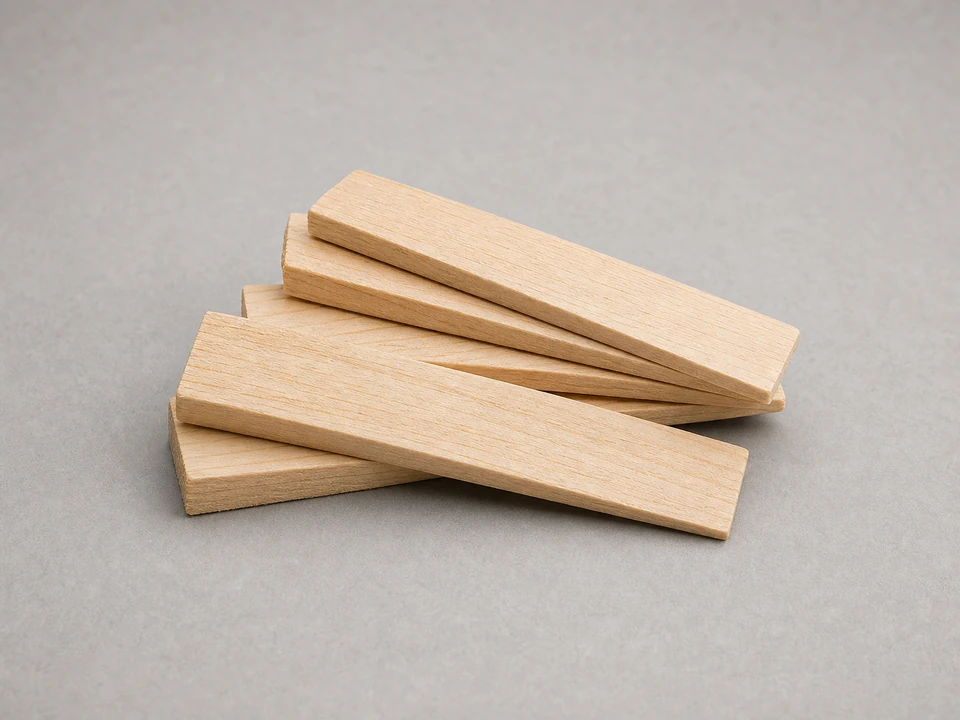
Use it for: Holds the gate at the right height while the hinge is off.
Shop wood shims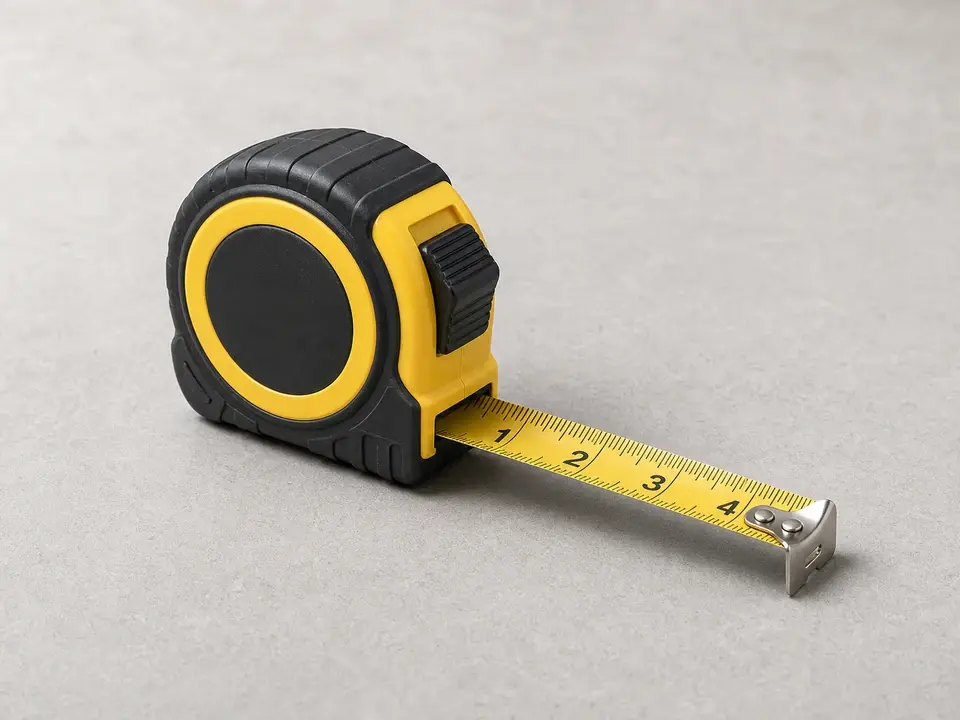
Use it for: Helps match hinge size and keep the gate aligned during installation.
Shop tape measuresAs an Amazon Associate I earn from qualifying purchases. Repair Riot may earn a commission at no extra cost to you.
If it works: The gate is supported and the replacement hinge appears to match the old one closely enough to install.
If it doesn’t: If the new hinge does not match the mounting pattern or size well, pause and get a better match before removing hardware.
If it works: The old hinge is off and the gate remains stable on its support.
If it doesn’t: If a fastener will not come out, apply steady pressure and try again with the correct bit or wrench size. If hardware snaps off in the wood or metal, the repair may need extra work before the new hinge can be mounted.
If it works: The mounting surfaces are solid enough for the new hinge and the hinge can sit flat in the correct position.
If it doesn’t: If the mounting area is weak or damaged, repair the wood or metal first or have the gate structure repaired before installing the new hinge.
If it works: The new hinge is mounted securely and the gate is still aligned closely with the opening.
If it doesn’t: If the hinge holes do not line up well, loosen the fasteners slightly and reposition the gate on the support blocks before tightening again.
If it works: The gate swings freely, clears the ground, and lines up with the latch.
If it doesn’t: If the gate still sags or will not latch, check the other hinge, the post, and the gate frame for wear or movement.
If it works: The replacement is complete and the gate is operating normally.
If it doesn’t: If the gate shifts again soon after replacement, the problem may be with the post, frame, or another hinge rather than the new hinge itself.
Match the replacement part to your exact fence before ordering.
As an Amazon Associate I earn from qualifying purchases. Repair Riot may earn a commission at no extra cost to you.
Not always. If only one hinge is damaged and the other is still solid, you can replace just the bad one. If both are worn, rusted, or loose, replacing both at the same time can help the gate hang more evenly.
Match the hinge style, overall size, mounting method, and outdoor material as closely as possible. Check whether your gate uses screws or through-bolts and compare the old hinge before ordering.
A new hinge will not fix a loose post, a twisted gate frame, or damaged mounting wood by itself. If the gate still sags, inspect the other hinge, the post, and the gate frame for movement or structural wear.
Usually yes, if you support the gate well and replace one hinge at a time. For very heavy or badly misaligned gates, removing the gate completely may be safer and easier.
If the wood around the hinge is stripped or soft, the new hinge may not hold well. You may need to move the hinge slightly to solid material or repair the mounting area before reinstalling hardware.