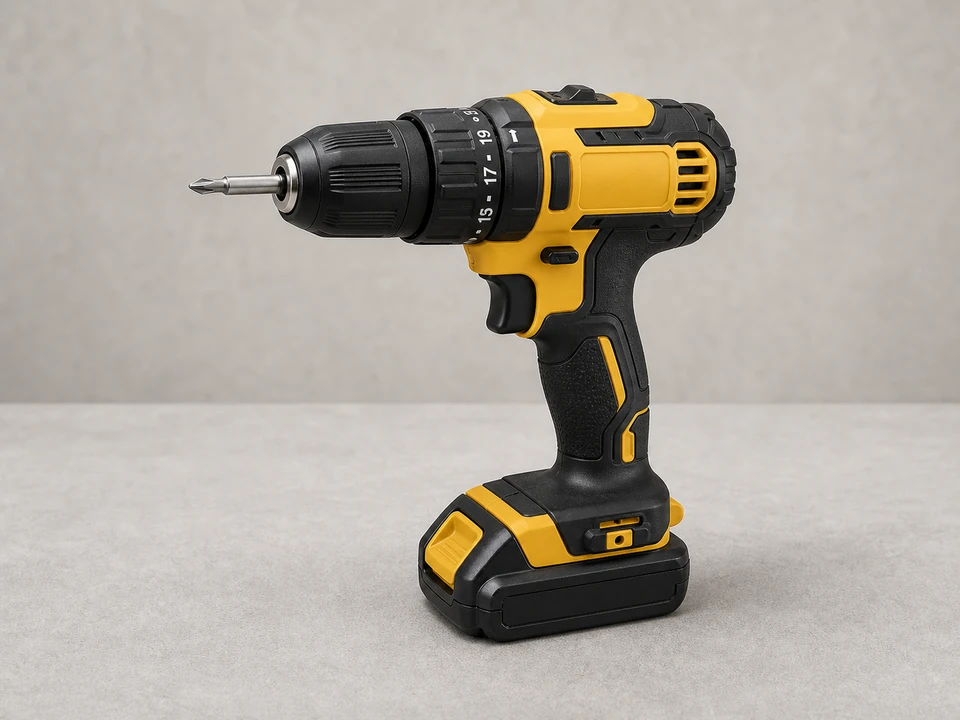
Drill/driver
Use it for: To remove old screws and drive new fasteners into the post or panel frame.
Shop drill/driversTo replace a fence panel bracket, first confirm the bracket is the failed part, support the panel so it cannot drop or twist, remove the old bracket and loose fasteners, install a matching replacement bracket, then test the panel for movement.
This is a straightforward repair if the post and panel are still sound. The main job is keeping the panel supported while you swap the hardware so the new bracket is not forced out of alignment.
Before you start: Match the replacement part to your exact fence before ordering.
Use it for: To remove old screws and drive new fasteners into the post or panel frame.
Shop drill/drivers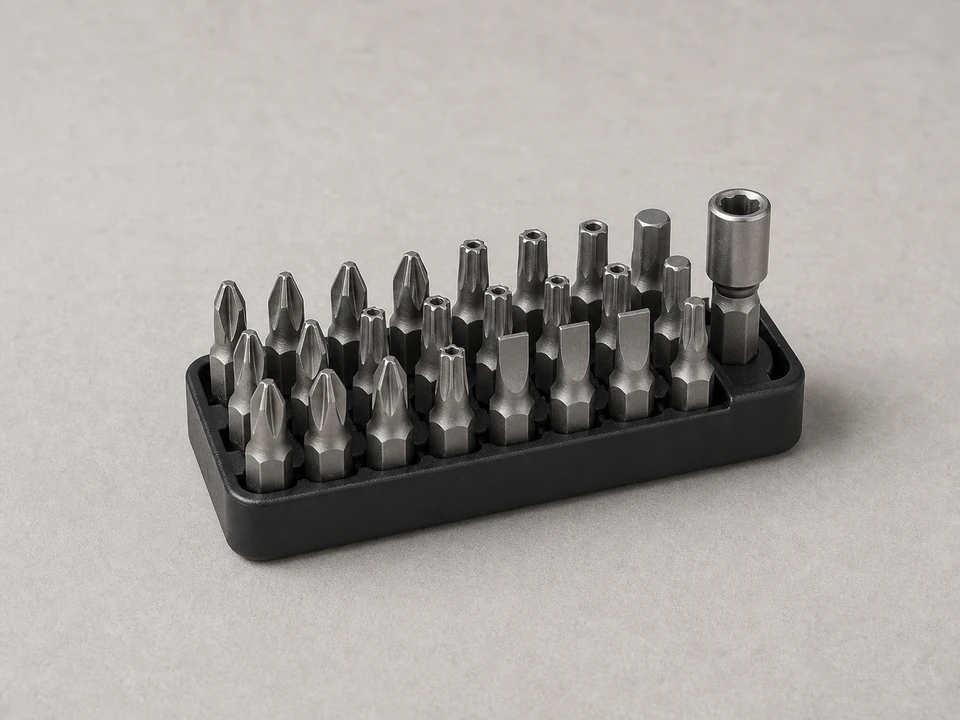
Use it for: To match the screw heads already in the bracket and the new screws you install.
Shop driver bit sets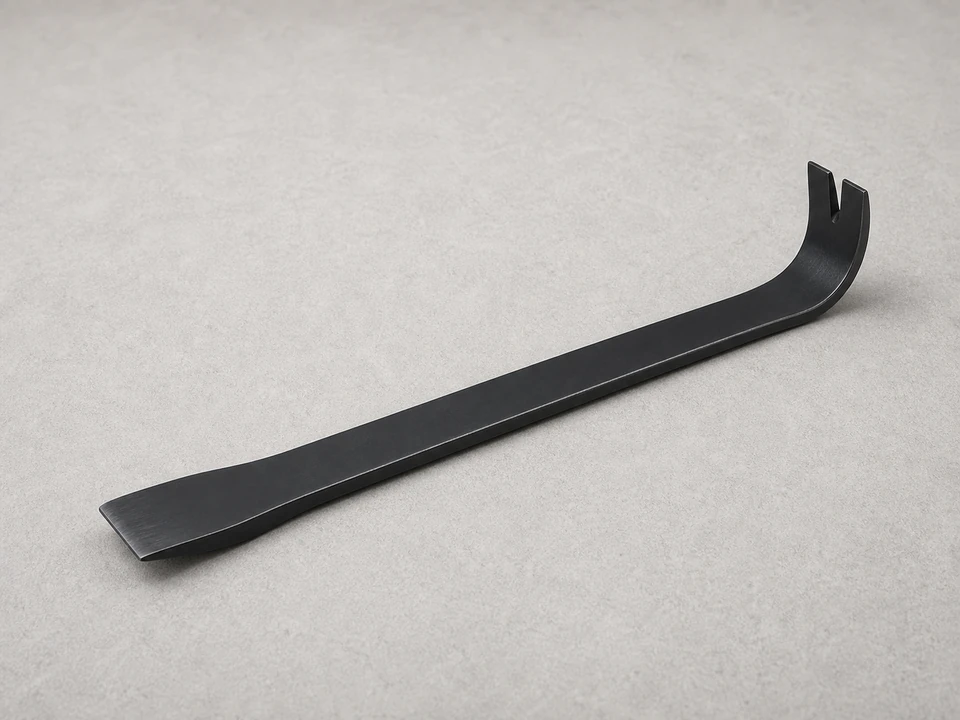
Use it for: To lift a sagging panel slightly or pull away a bent bracket.
Shop pry bars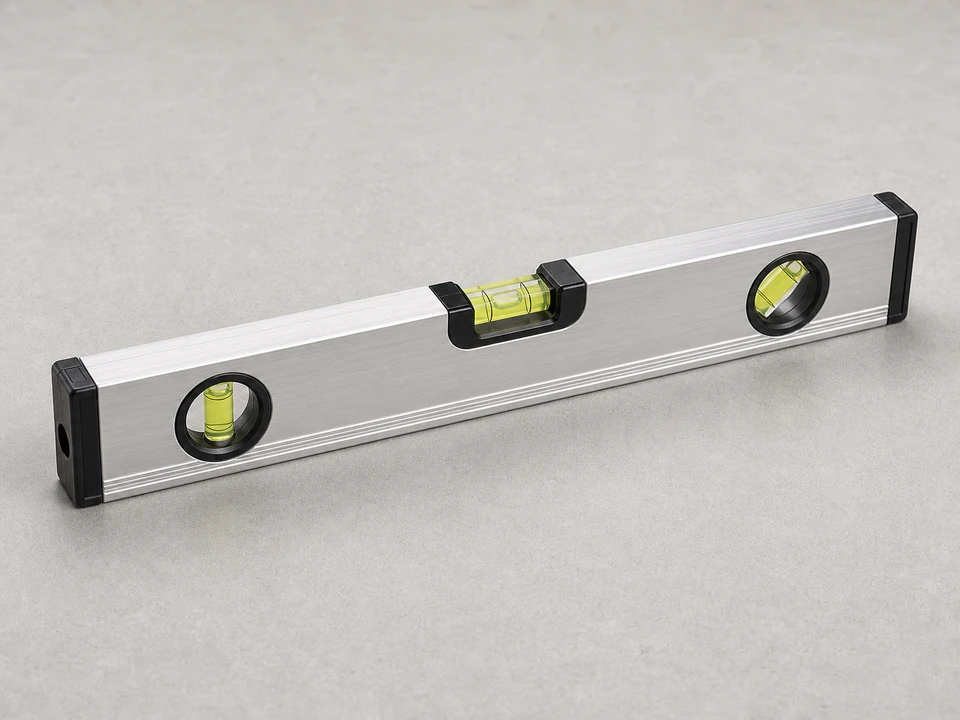
Use it for: To help hold the panel square before tightening the new bracket.
Shop levels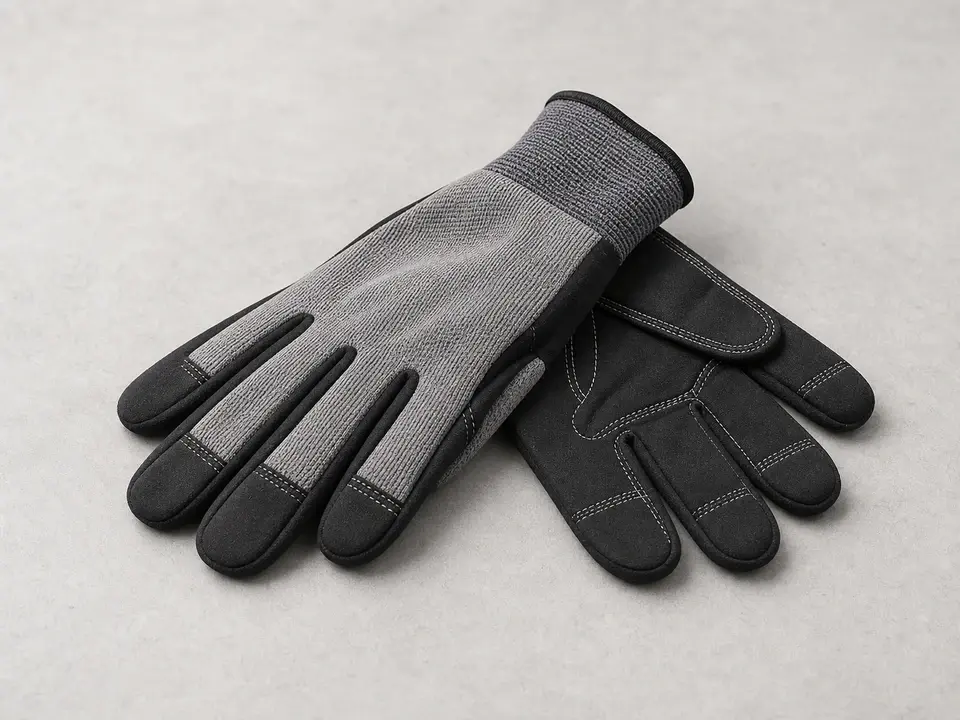
Use it for: To protect your hands from sharp metal edges, splinters, and old fasteners.
Shop work gloves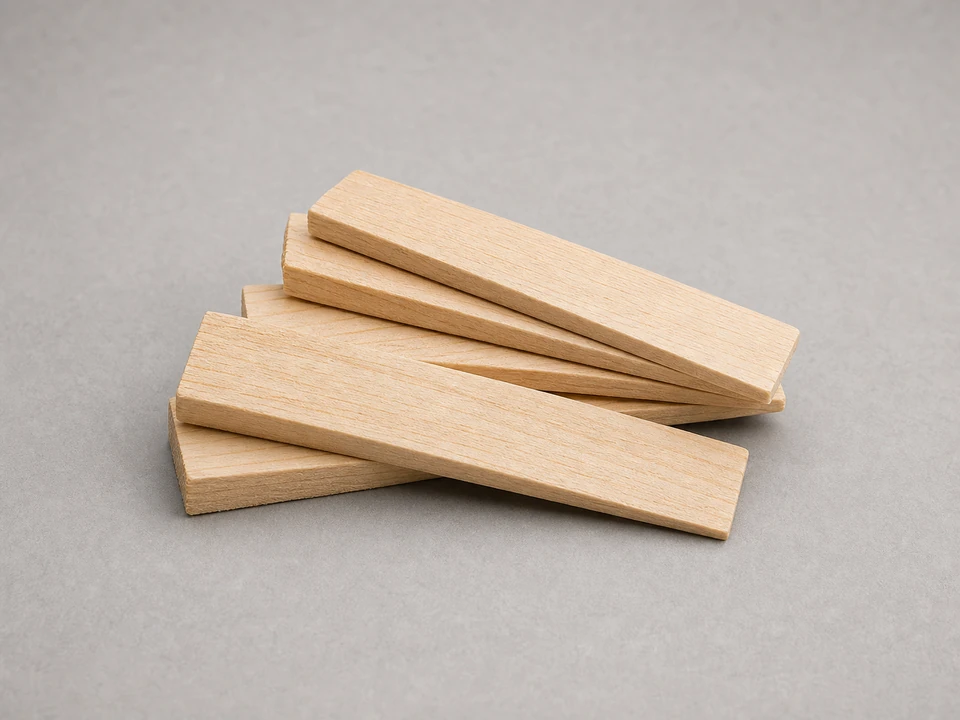
Use it for: To support the panel at the right height while the bracket is off.
Shop shims and blocksAs an Amazon Associate I earn from qualifying purchases. Repair Riot may earn a commission at no extra cost to you.
If it works: You found a damaged or loose bracket, and the surrounding post and panel still look solid enough to hold a replacement.
If it doesn’t: If the bracket looks intact, check whether the real problem is a rotten post, split rail, loose screws, or a panel frame that has failed.
If it works: The panel is supported and stays in place without relying on the damaged bracket.
If it doesn’t: Add more shims, reposition the support, or use a helper so the panel cannot drop or twist while you work.
If it works: The old bracket is off, and the mounting surfaces are clean enough for the new bracket to sit flat.
If it doesn’t: If a screw spins without coming out, pull the bracket away as much as possible and remove the remaining fastener once the bracket is loose.
If it works: The new bracket is in the right position, and the panel lines up with the post without being forced.
If it doesn’t: Recheck the panel height and bracket orientation before tightening anything fully.
If it works: The bracket is tight, the panel stays in position, and the connection feels firm by hand.
If it doesn’t: If a screw will not tighten, move to fresh wood if possible or use a better-fitting replacement fastener for the bracket.
If it works: The panel stays solid in normal use, and the new bracket remains tight without fresh movement.
If it doesn’t: If the panel still shifts, inspect the other brackets, the post, and the panel frame for a second failure point.
Match the replacement part to your exact fence before ordering.
As an Amazon Associate I earn from qualifying purchases. Repair Riot may earn a commission at no extra cost to you.
Yes, if only one bracket has failed and the other brackets, post, and panel frame are still sound. If nearby brackets are rusted or loose too, replacing them at the same time usually gives a longer-lasting repair.
If possible, shift the bracket slightly so the new screws bite into solid wood. If the wood is too damaged to hold any screw, the bracket is not the only problem and the wood member may need repair or replacement.
Usually no. Most bracket swaps can be done with the panel supported in place. Full panel removal is only needed if the section is too unstable to hold safely during the repair.
Common causes are rust, repeated wind movement, loose fasteners, or wood that has shrunk, split, or rotted around the bracket. Replacing the bracket without fixing weak wood can lead to another failure.
Yes, if the old screws are rusted, bent, stripped, or no longer hold tightly. A new bracket works best with solid fasteners that fit the bracket holes properly.