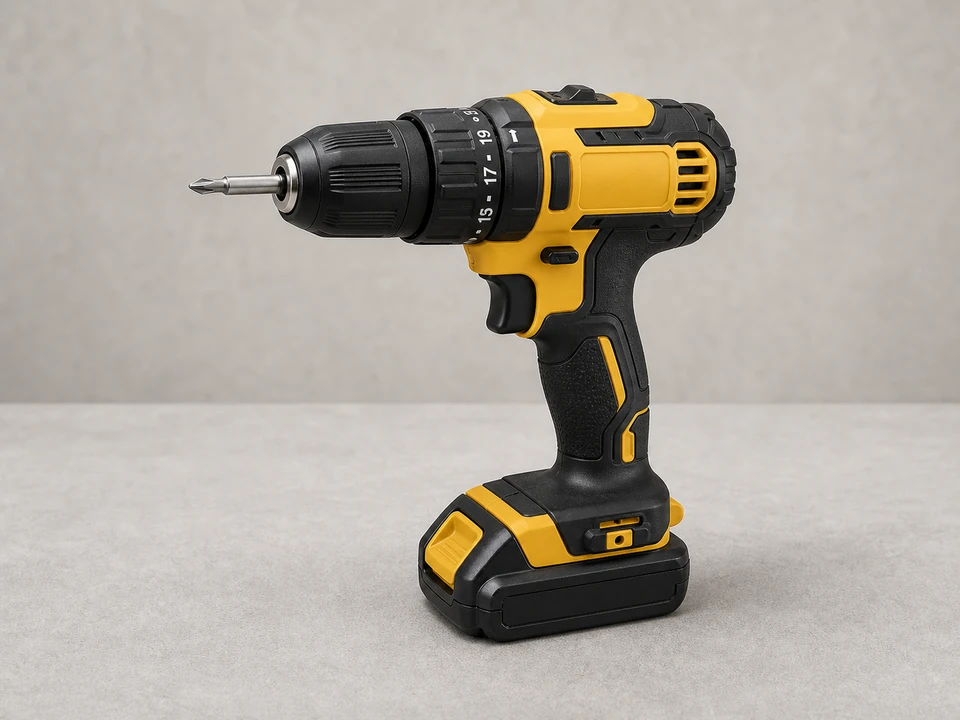
Drill/driver
Use it for: To remove old screws and drive the new fasteners.
Shop drill/driversIf a fence panel has pulled away from the post and the brackets are bent, cracked, loose, or badly rusted, replacing the fence panel brackets is usually the right fix.
This repair is mostly about supporting the panel, removing the old hardware cleanly, and fastening the new brackets into solid wood or metal. Take your time with alignment so the panel sits straight and stays put.
Before you start: Match the replacement part to your exact fence before ordering.
Use it for: To remove old screws and drive the new fasteners.
Shop drill/drivers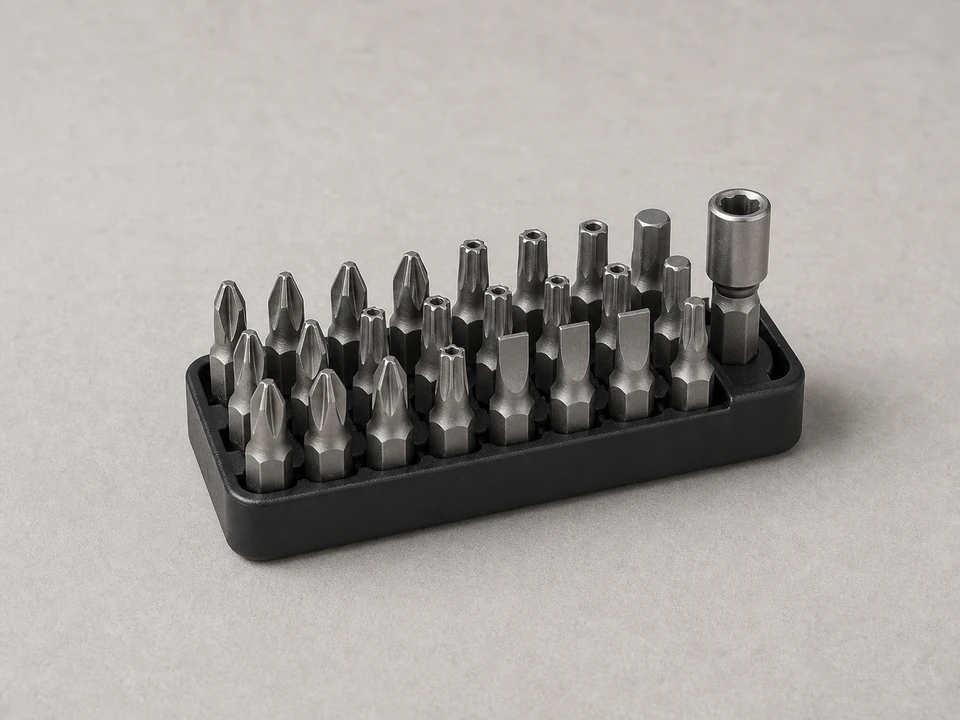
Use it for: To match the screw heads on the old and new bracket fasteners.
Find driver bit sets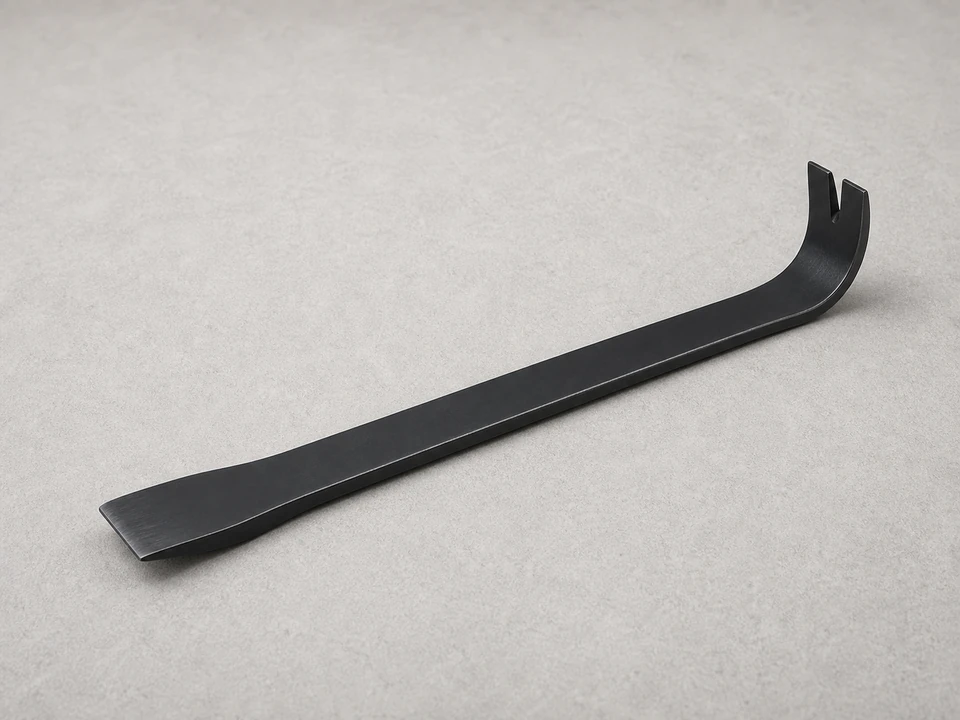
Use it for: To ease a stuck bracket away without tearing up the fence more than necessary.
Shop pry bars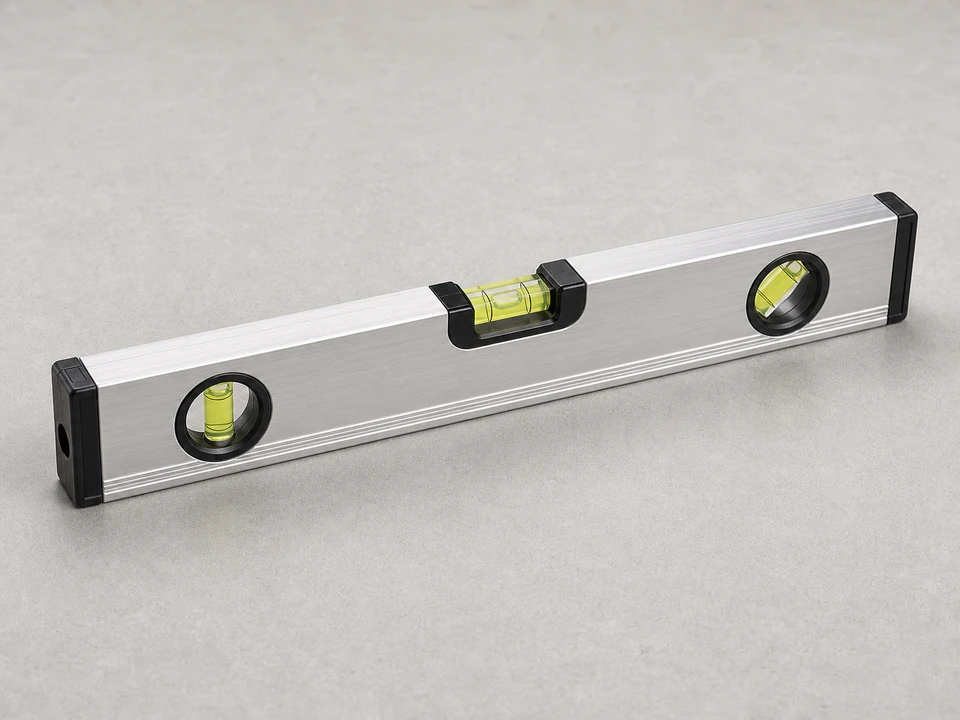
Use it for: To keep the panel straight while you fasten the new brackets.
Find a level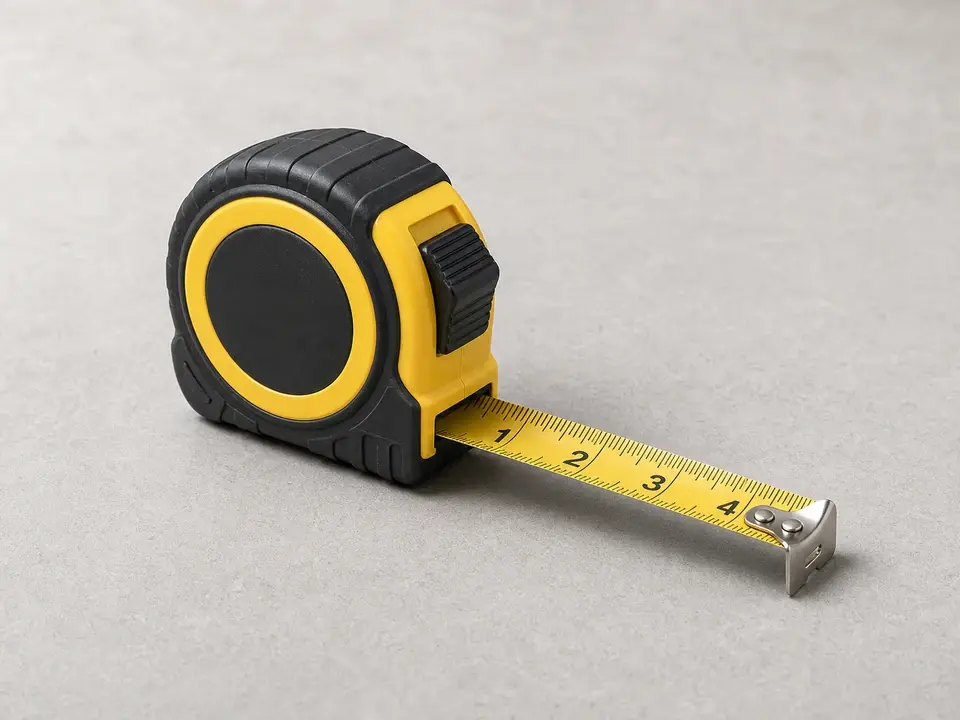
Use it for: To place the new brackets at matching heights and spacing.
Shop tape measures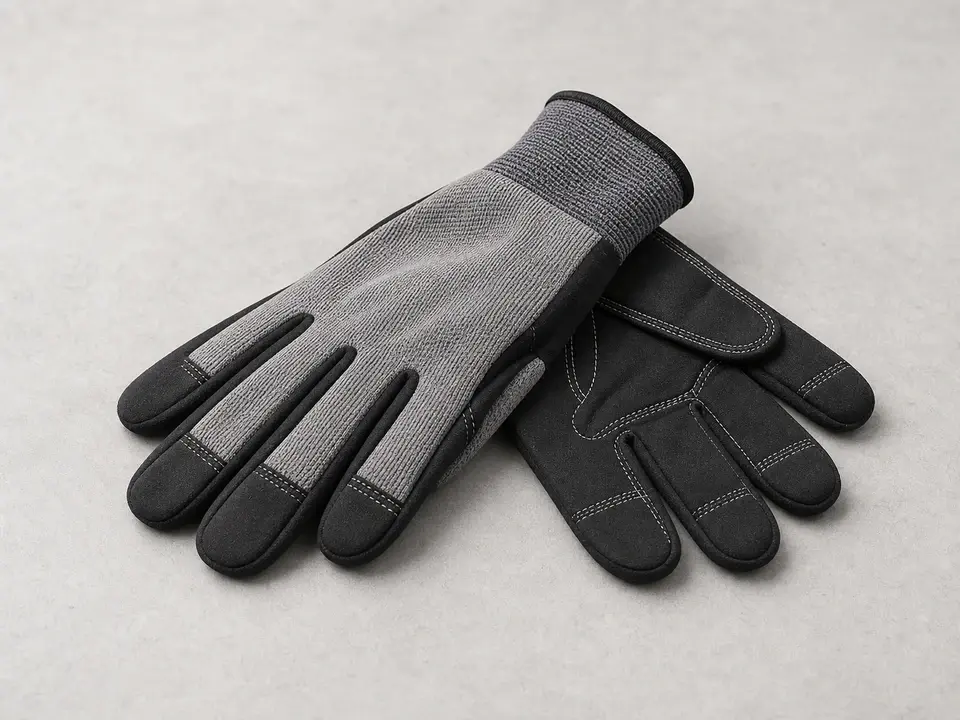
Use it for: To protect your hands from sharp metal edges, splinters, and rust.
Get work glovesAs an Amazon Associate I earn from qualifying purchases. Repair Riot may earn a commission at no extra cost to you.
If it works: You have confirmed the panel is loose because the brackets or their fasteners have failed, not because the whole fence section is failing.
If it doesn’t: If the brackets look fine but the post is leaning, the panel frame is broken, or the screw holes are stripped out in rotten wood, fix that underlying damage before replacing brackets.
If it works: The panel is safely supported and the old brackets are off without letting the panel shift or fall.
If it doesn’t: If screws spin without backing out, pull outward gently on the bracket while reversing the screw, or cut the fastener if needed and safe to do so.
If it works: You have clean, solid mounting spots and clear bracket locations for the new hardware.
If it doesn’t: If there is no solid material left where the bracket needs to mount, repair or replace the damaged fence section before continuing.
If it works: The new fence panel brackets are installed and the panel sits straight, supported, and snug against the post.
If it doesn’t: If the panel keeps drifting out of position, loosen the screws slightly, reset the support under the panel, and realign before tightening again.
If it works: The repair is fully fastened, the panel is carrying its weight, and the area is safe to use again.
If it doesn’t: If the panel shifts after supports are removed, add support again and recheck bracket placement, screw bite, and panel alignment.
If it works: The panel stays tight to the post in normal use and the new brackets hold without movement.
If it doesn’t: If the panel loosens again quickly, the real problem is usually weak mounting material, a failing post, or a damaged panel frame rather than the brackets alone.
Match the replacement part to your exact fence before ordering.
As an Amazon Associate I earn from qualifying purchases. Repair Riot may earn a commission at no extra cost to you.
If the bracket is bent, cracked, rusted through, or pulled open, replace the bracket. If the bracket is still solid and only a screw has loosened, you may only need to address the fastener and the material it anchors into.
Yes, if only one bracket is damaged and the others are still solid. If the rest are rusted or loose too, replacing them as a set usually gives a longer-lasting repair.
That is common. What matters most is that the new bracket fits the fence connection and the screws bite into solid material. Slightly shifting the bracket is usually better than reusing weak old holes.
The usual causes are rust, repeated wind movement, loose fasteners, or wood around the screws weakening over time. Replacing the brackets helps, but the repair will only last if the post and panel frame are still sound.
Use brackets that match the fence connection style and fit the panel and post properly. Comparing the old bracket shape, width, and mounting layout helps avoid ordering the wrong replacement.