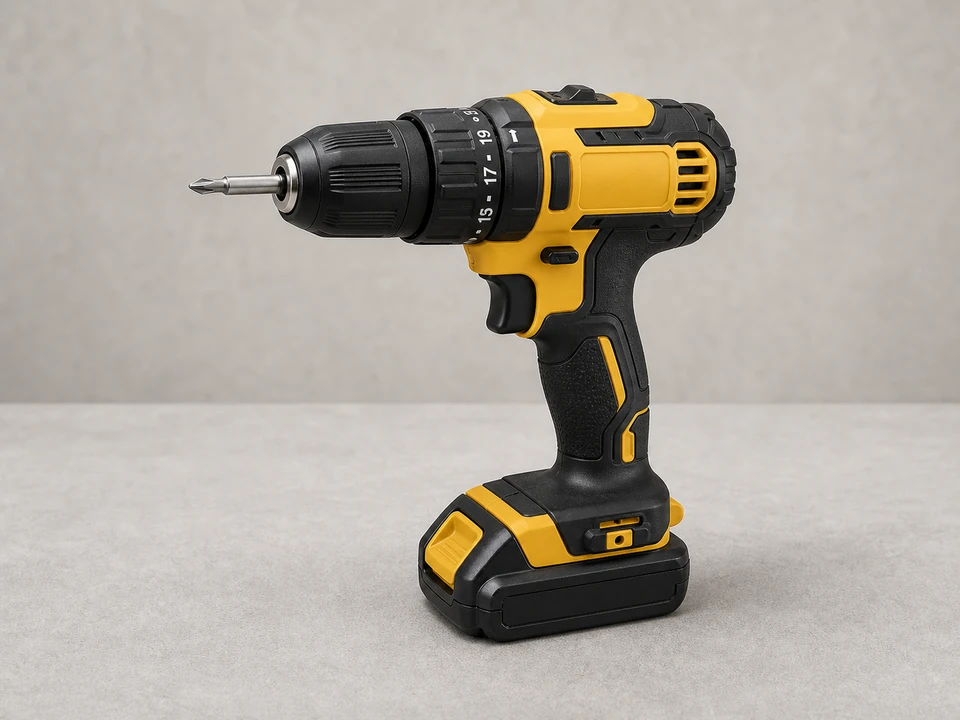
Drill/driver
Use it for: Removes old screws and drives the new fasteners.
Shop drill/driversTo replace fence rail brackets, support the loose rail, remove the failed brackets and screws, fasten matching new brackets to solid wood or metal, then test the section for movement.
This is a good DIY repair when the rails are still usable and the fence posts and panels are basically sound. The job gets harder if the post is rotted, split, badly leaning, or pulling out of the ground.
Before you start: Match the replacement part to your exact fence before ordering.
Use it for: Removes old screws and drives the new fasteners.
Shop drill/drivers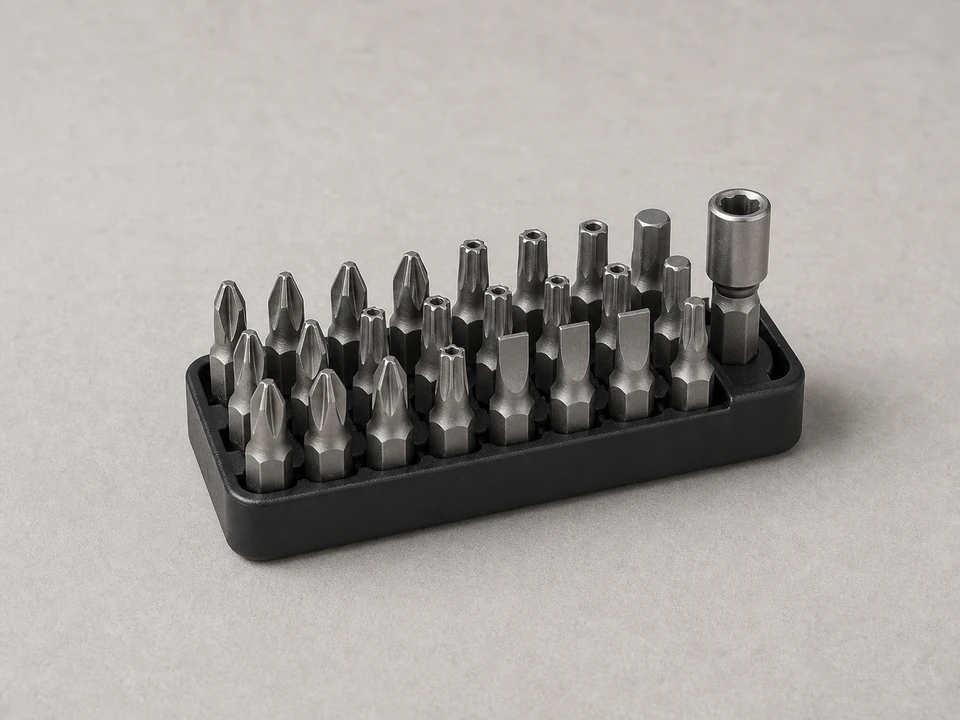
Use it for: Matches the screw heads on the old and new bracket fasteners.
Shop driver bit sets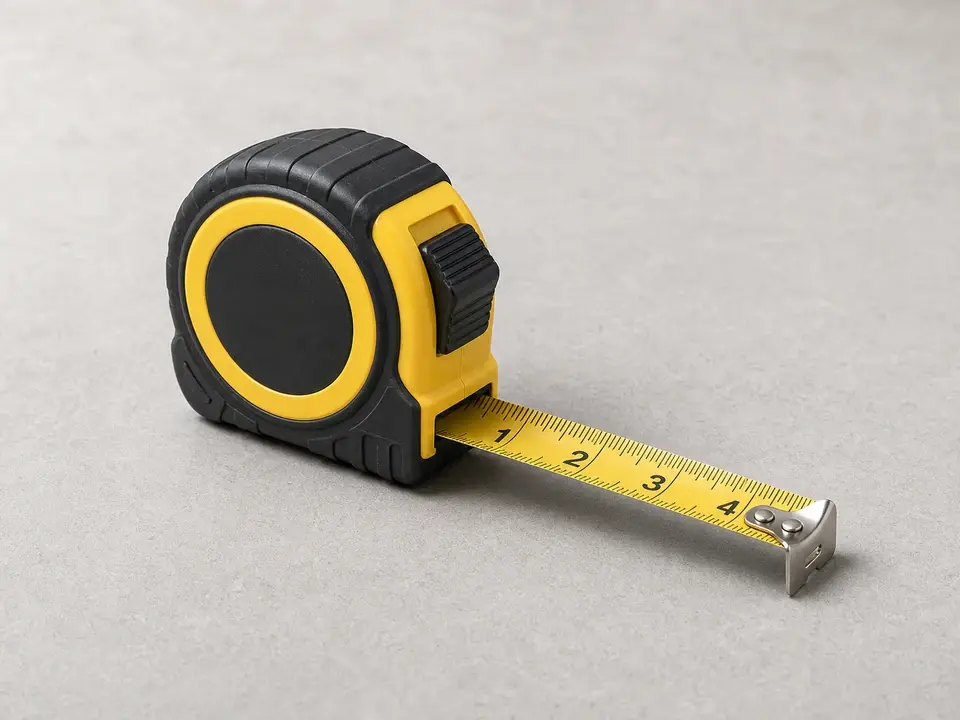
Use it for: Checks bracket spacing and helps keep the rail at the right height.
Shop tape measures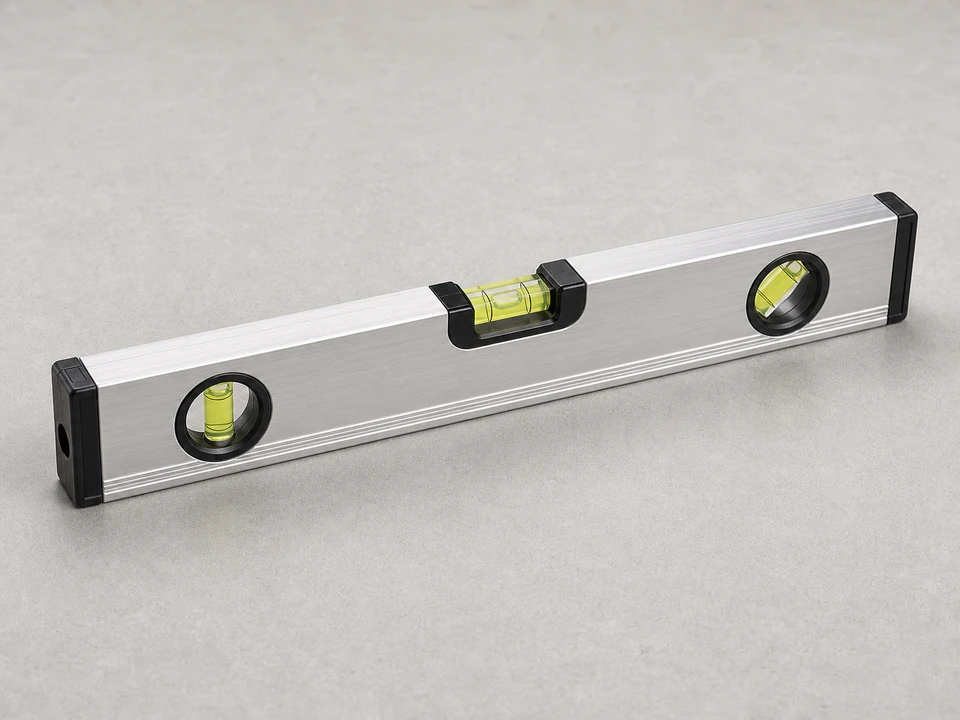
Use it for: Helps keep the rail straight while you fasten the new brackets.
Shop levels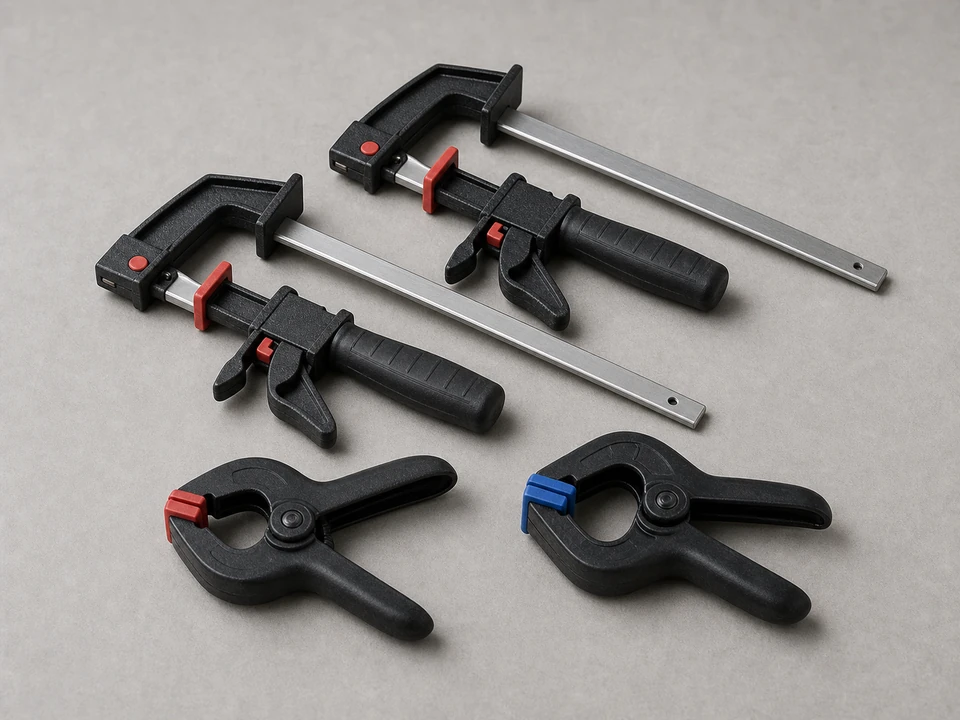
Use it for: Holds the rail in place while you start screws.
Shop clamps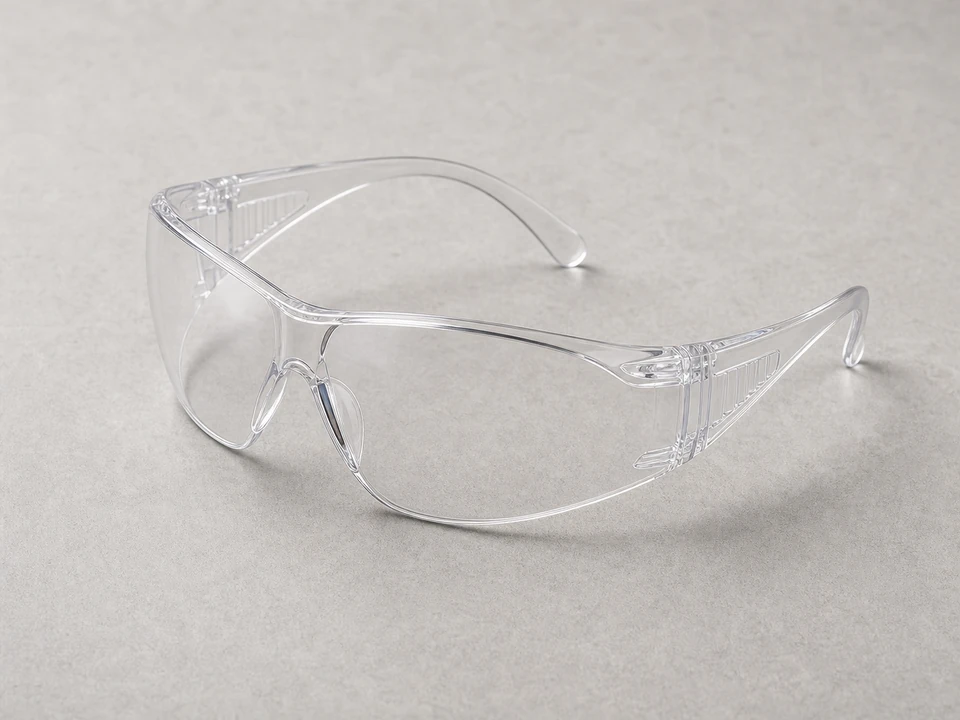
Use it for: Protects your eyes from rust, dirt, and metal or wood chips.
Shop safety glassesAs an Amazon Associate I earn from qualifying purchases. Repair Riot may earn a commission at no extra cost to you.
If it works: You have confirmed the looseness is coming from failed fence rail brackets or their fasteners, not from a failed post or broken rail.
If it doesn’t: If the rail is broken or the post is loose, leaning, rotted, or cracked, fix that larger problem first because new brackets alone will not hold.
If it works: The old brackets are off and the rail is safely supported instead of hanging loose.
If it doesn’t: If a stripped screw will not back out, try a different bit that fits tighter or grip the bracket firmly while reversing the screw again.
If it works: The new brackets fit the rail and post connection, and you know exactly where they will be fastened.
If it doesn’t: If the bracket shape or width does not match the rail connection, pause and get the correct replacement instead of forcing a poor fit.
If it works: The new fence rail brackets are installed tight, aligned, and holding the rail in the correct position.
If it doesn’t: If a screw will not tighten because the hole is stripped, move to a fresh solid mounting spot if the bracket allows, or repair the damaged mounting area before continuing.
If it works: The rail stays in place on its own and the repaired connection feels solid by hand.
If it doesn’t: If the rail still shifts at the bracket, recheck screw tightness, bracket fit, and whether the mounting surface is actually sound.
If it works: The fence section stays straight and secure in normal use, and the new fence rail brackets are not loosening.
If it doesn’t: If movement comes back quickly, the root problem is usually damaged wood, a shifting post, or the wrong bracket size rather than the new brackets themselves.
Match the replacement part to your exact fence before ordering.
As an Amazon Associate I earn from qualifying purchases. Repair Riot may earn a commission at no extra cost to you.
Yes, if the rest of the brackets are solid and the rail is still straight and well supported. If several brackets are rusted or loose, replacing them together usually gives a longer-lasting repair.
Not always. If the rail end is still sound and holds screws well, new brackets may be enough. Replace the rail if it is cracked, rotted, badly warped, or split where the bracket mounts.
Do not rely on loose holes. Move the bracket to solid material if the design allows, or repair the damaged mounting area first. New brackets need a firm base to hold.
Usually yes. Matching the size and shape makes alignment easier and helps the rail sit correctly. A different style can work only if it fully supports the rail and fits the fence connection properly.
Common causes are rust, repeated movement from wind or gate use, loose fasteners, and wood that has started to split or rot around the connection. Replacing the bracket without fixing weak mounting material often leads to another failure.