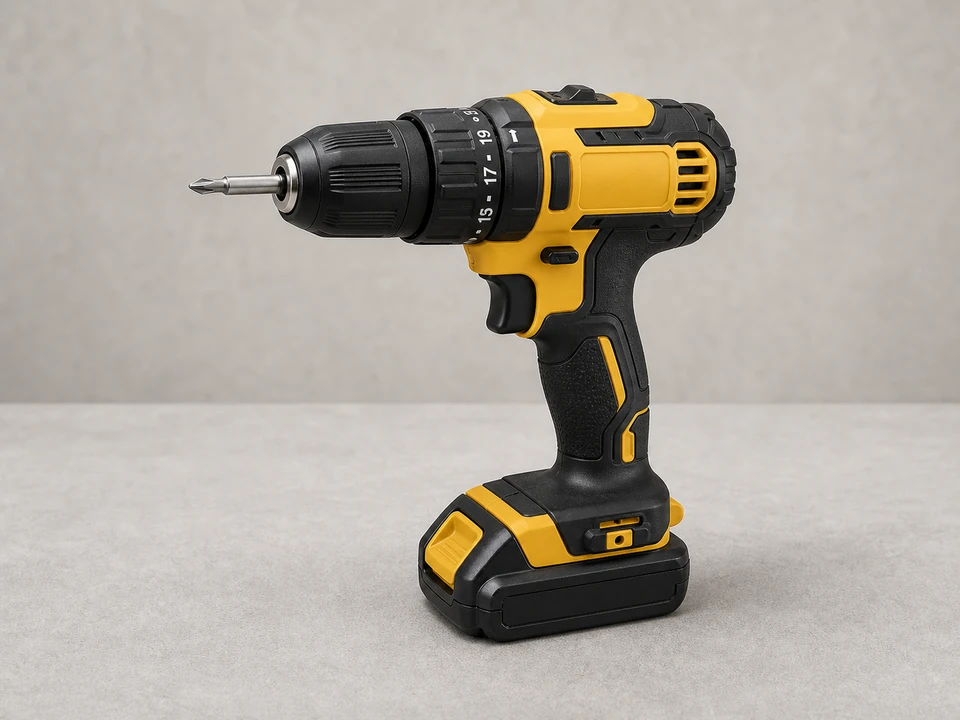
Drill/driver
Use it for: To remove old screws and drive the new ones in straight.
Shop drill/driversTo replace fence screws, confirm the panel or picket is still sound, remove the loose or rusted screws, line the pieces back up, and drive in matching exterior-rated replacement screws without over-tightening.
This is a good repair when a fence panel rattles, a picket has loosened, or screws are rusted, stripped, or missing. If the wood around the fasteners is badly split or rotten, replacing screws alone will not hold for long.
Before you start: Match the screw type, length, head style, and exterior rating to your fence material and framing before ordering.
Use it for: To remove old screws and drive the new ones in straight.
Shop drill/drivers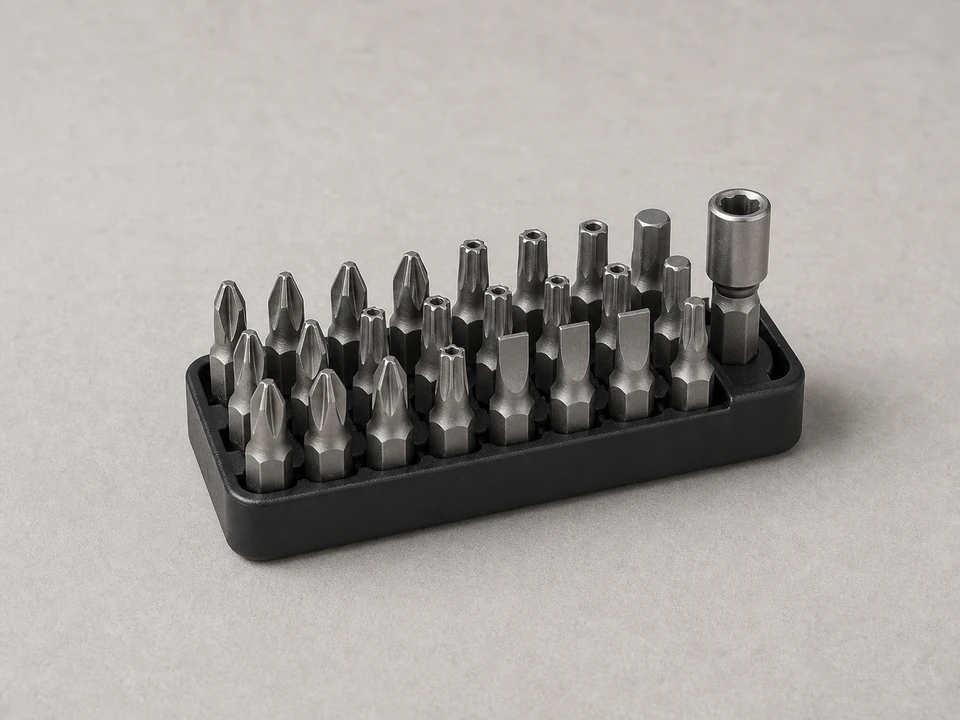
Use it for: To match the screw head and avoid stripping it during removal or installation.
Find driver bit sets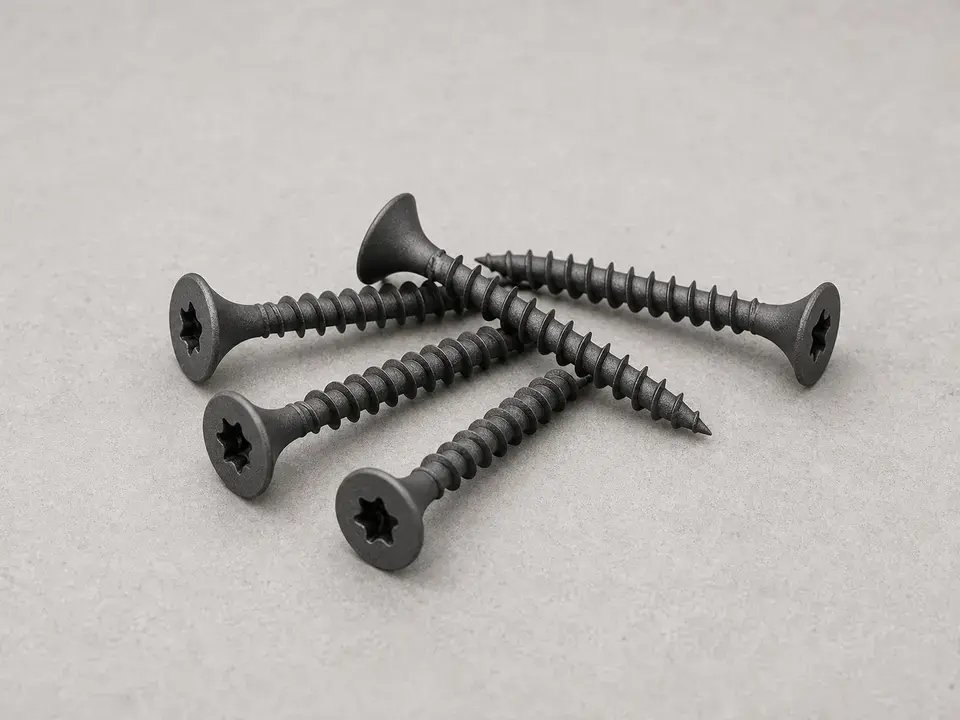
Use it for: These are the replacement fasteners that hold the fence parts together.
Find exterior fence screws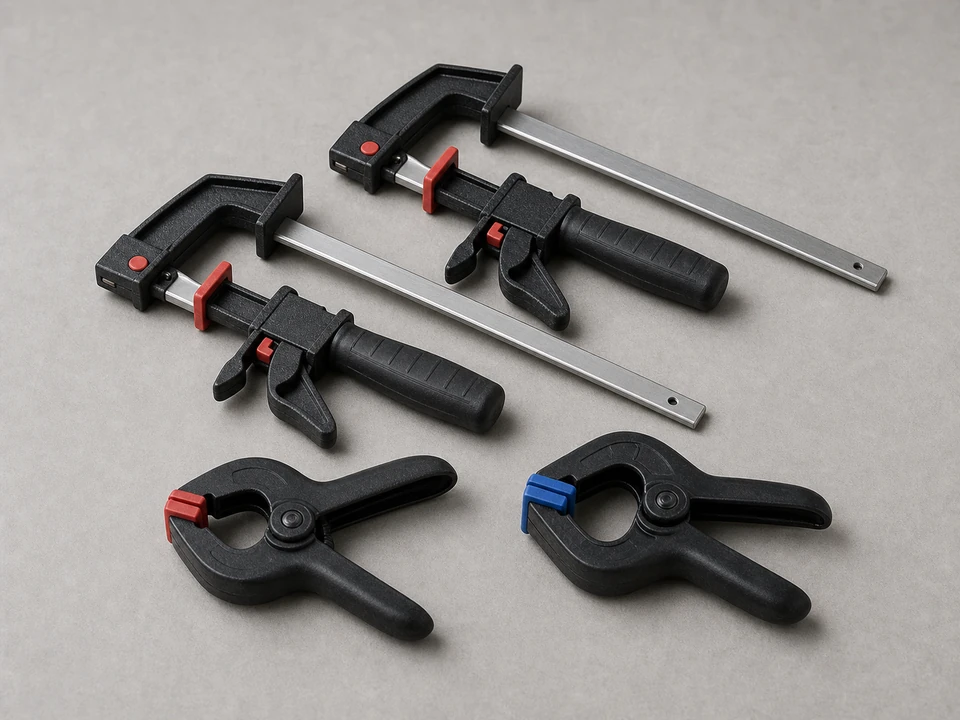
Use it for: To hold a loose panel, rail, or picket in position while you start the new screws.
Shop clamps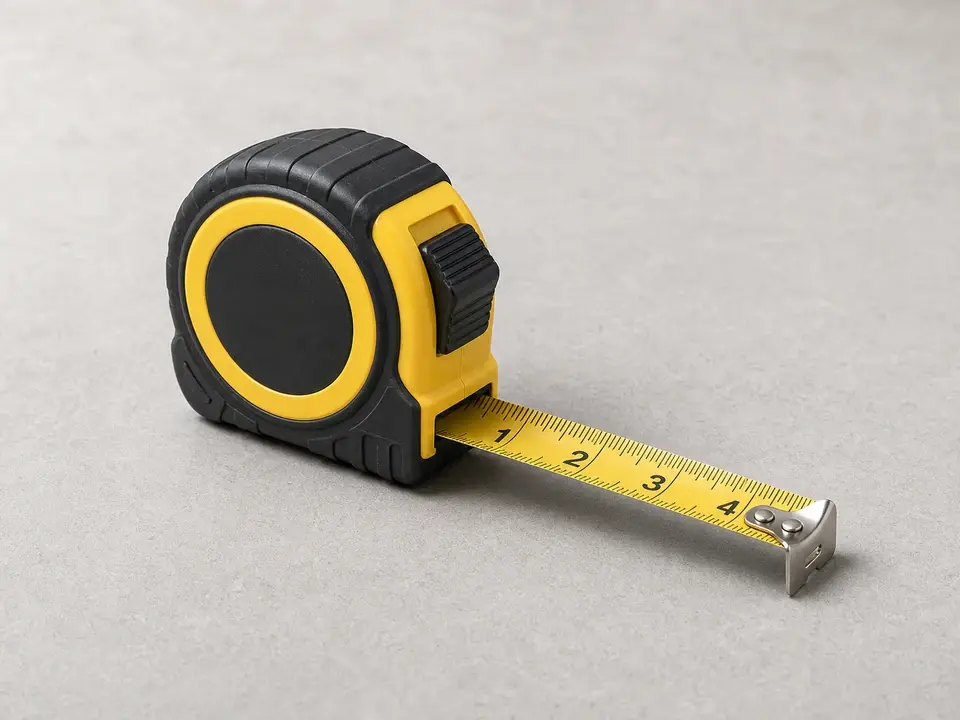
Use it for: To match the old screw length and check spacing before driving replacements.
Find tape measuresAs an Amazon Associate I earn from qualifying purchases. Repair Riot may earn a commission at no extra cost to you.
If it works: You found that the connection is loose because the screws failed or no longer hold well, and the surrounding fence parts are still basically usable.
If it doesn’t: If the fence is loose because a post is leaning, a rail is broken, or the wood is rotten around the joint, fix that larger problem before replacing screws.
If it works: You have replacement screws that match the job and a clear work area around the loose connection.
If it doesn’t: If you cannot match the old screw closely, choose a screw that fits the existing driver bit style and gives solid bite into sound wood without being so large that it splits the material.
If it works: The old failed screws are out and the fence parts are lined up the way they should sit.
If it doesn’t: If a screw head is stripped and will not back out, try a fresh bit with firm pressure. If it still will not move, remove what you can and shift the new screw location slightly into sound wood nearby.
If it works: The loose connection is now tight, the screws are seated cleanly, and the fence parts stay aligned without wobbling.
If it doesn’t: If the screw keeps spinning or will not tighten, the wood behind it may be stripped or damaged. Move to solid material nearby or repair the damaged wood before relying on that joint.
If it works: The repaired section is evenly secured and not relying on one new screw or one tight corner to stay in place.
If it doesn’t: If several nearby screws are failing in the same area, plan to refresh that whole connection so the fence stays tight through wind and normal use.
If it works: The fence stays tight, the repaired section does not rattle or pull away, and the screws remain snug after normal use.
If it doesn’t: If the section loosens again, the root problem is likely damaged wood, a broken rail, or movement from a post rather than just bad screws.
Match the screw type, length, head style, and exterior rating to your fence material and framing before ordering.
As an Amazon Associate I earn from qualifying purchases. Repair Riot may earn a commission at no extra cost to you.
Yes, if only one screw failed and the surrounding screws still hold well. If several are rusted or loose at the same joint, replace them together so the connection stays even and secure.
Use exterior-rated screws sized for the fence material and the framing behind it. Match the old screw's length and head style as closely as you can, and avoid indoor screws for outdoor repairs.
Usually the old hole or the wood behind it is stripped, split, or rotten. Move the screw slightly into solid material, or repair the damaged wood before expecting the fastener to hold.
Only if it still fits the connection safely. A screw that is too long can poke through, split the wood, or miss the framing. Match the original length unless you have a clear reason to change it.
If the rust is light and the screws still hold, you may be able to wait. If the heads are corroded, the screws are staining the wood, or they are starting to loosen, replacing them now can prevent a bigger failure later.