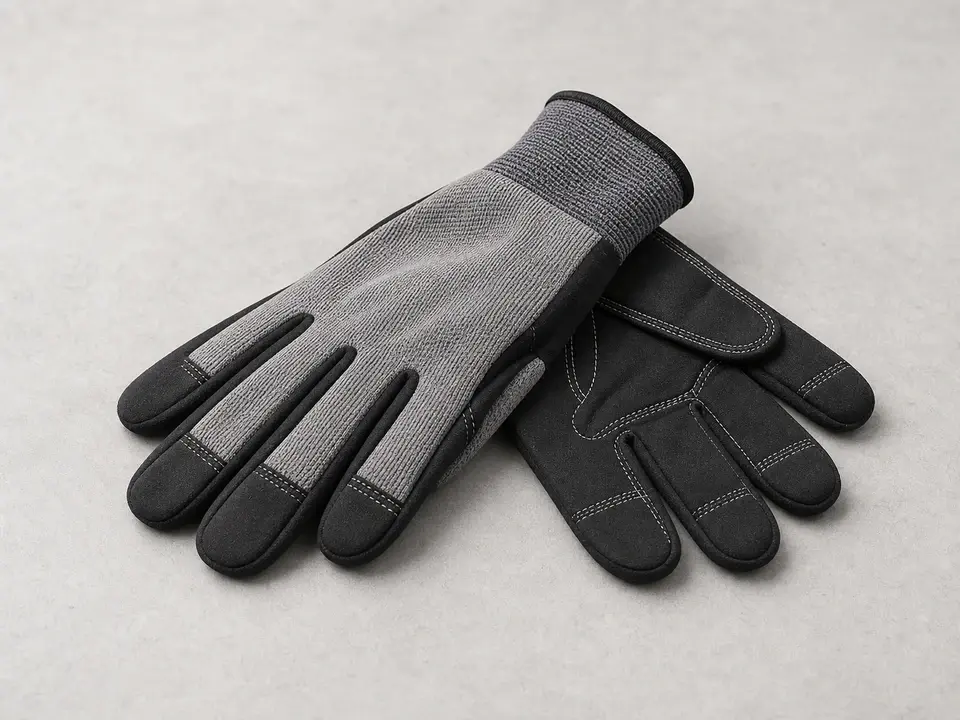
Work gloves
Use it for: Protects your hands from fiberglass irritation while removing and fitting the batt.
Shop work glovesTo replace fiberglass batt insulation, first make sure the old batt is actually wet, moldy, compressed, or torn beyond reuse. Then remove the damaged section, let the cavity dry fully, fit new fiberglass batt insulation to the same depth and width, and close the area only after the insulation sits full and even.
This is a straightforward repair when the damage is limited to the insulation itself. The main goal is to fix the moisture or damage source first, then install a new batt that fills the cavity without being stuffed, folded, or left short.
Before you start: Match the replacement part to your exact insulation before ordering.
Use it for: Protects your hands from fiberglass irritation while removing and fitting the batt.
Shop work gloves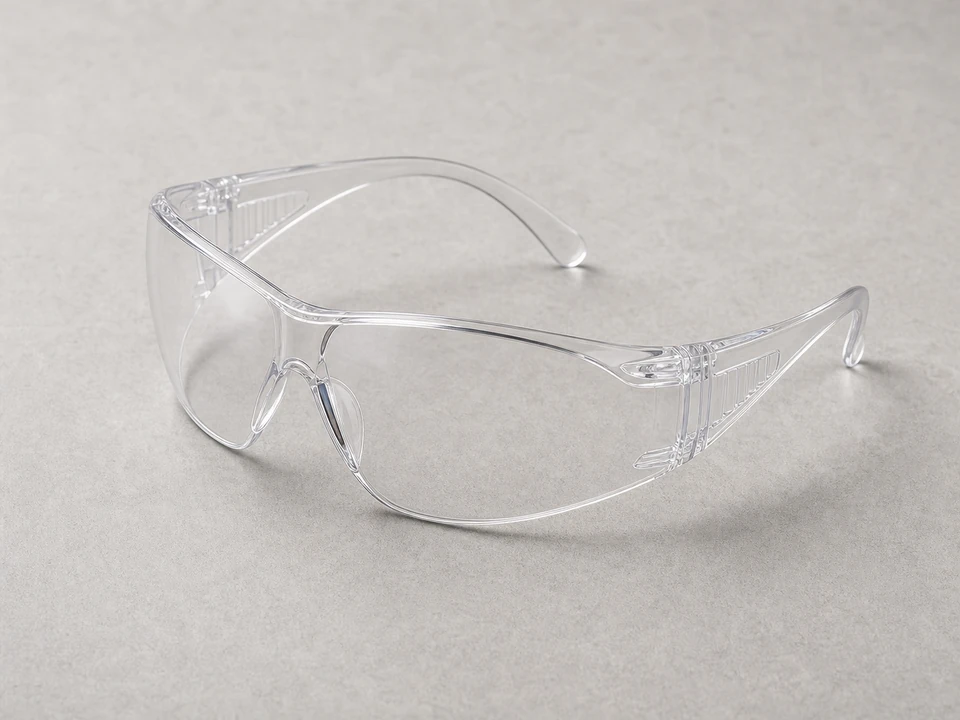
Use it for: Keeps loose fibers and dust out of your eyes.
Shop safety glasses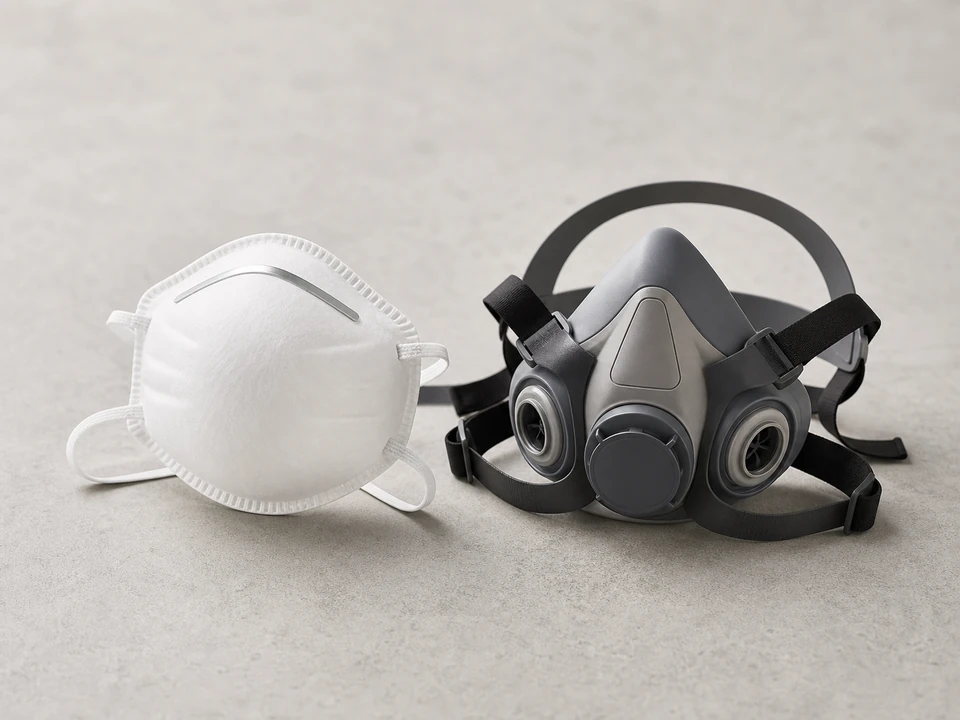
Use it for: Helps reduce breathing in fiberglass fibers and dust during removal.
Shop dust mask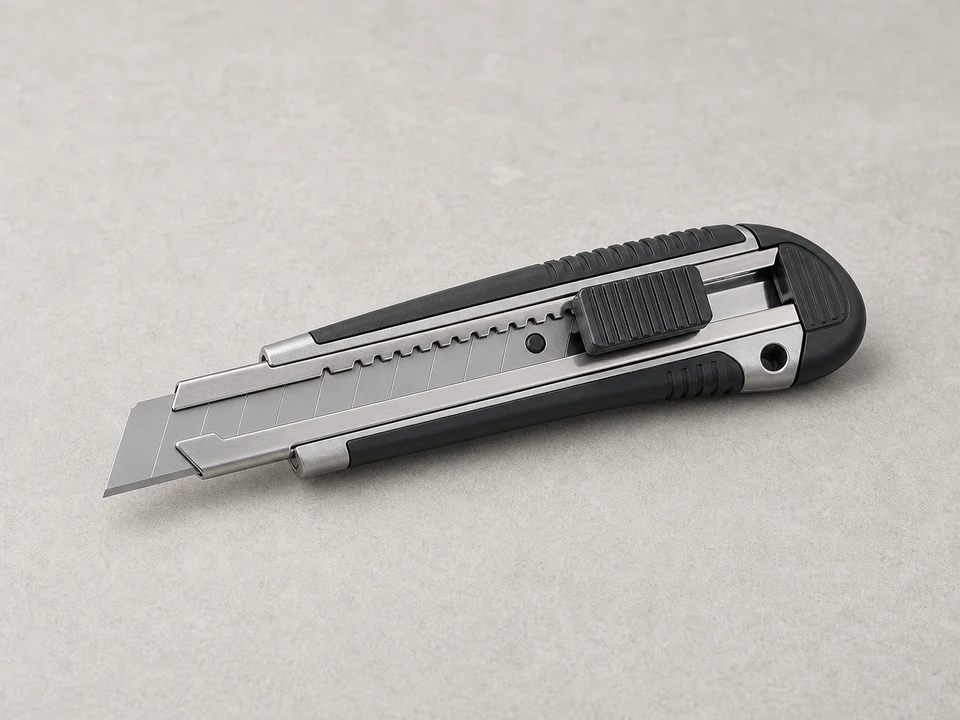
Use it for: Cuts the new batt cleanly to length or around small obstructions.
Shop utility knife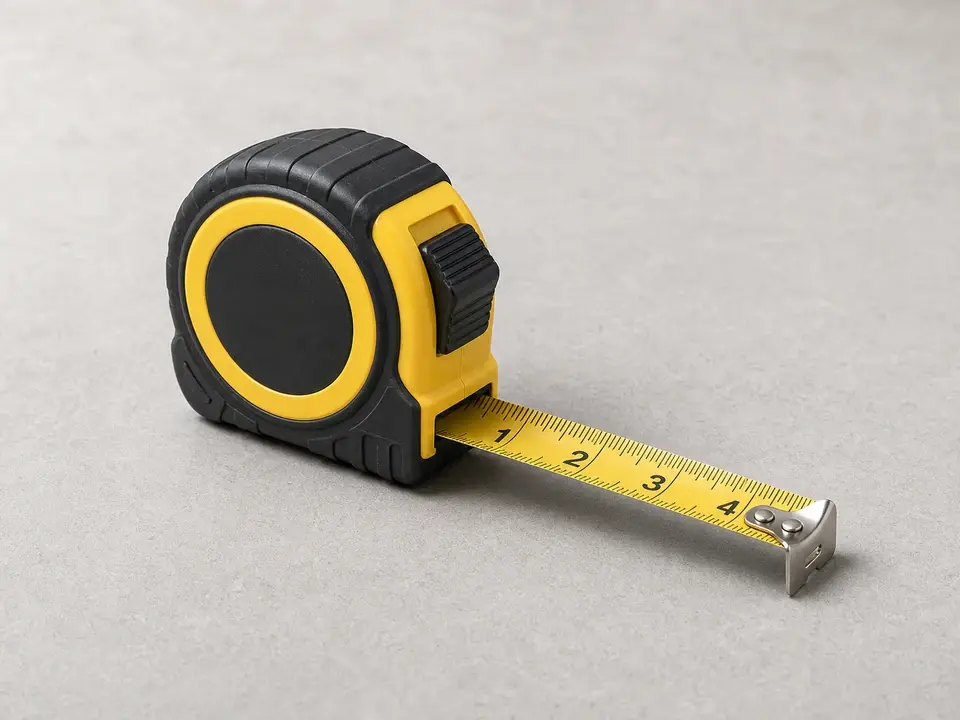
Use it for: Lets you match the new batt to the cavity width and height.
Shop tape measure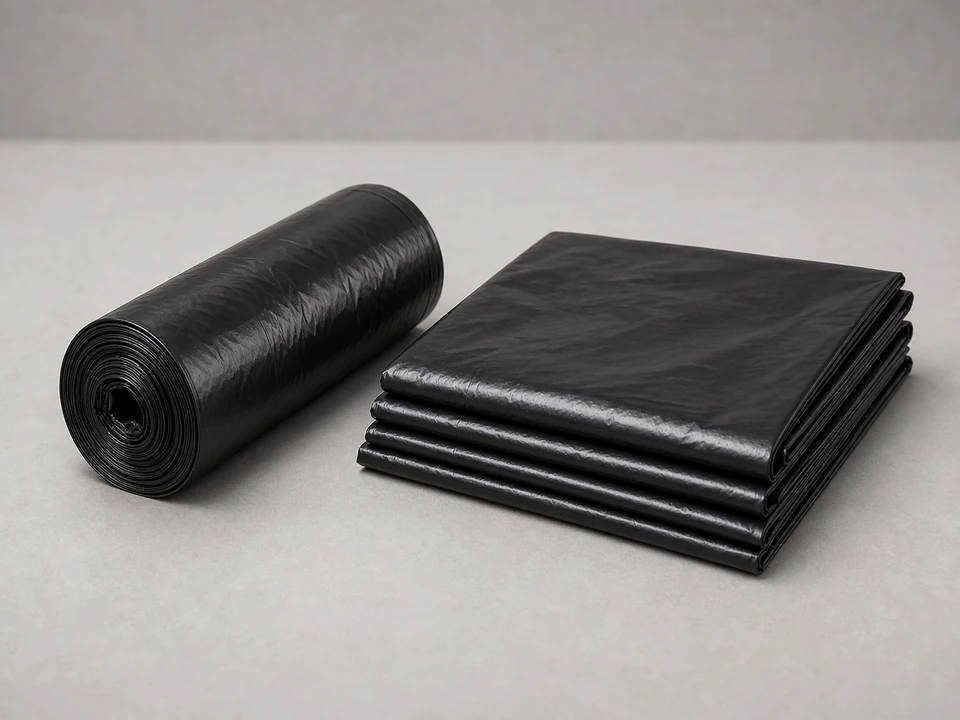
Use it for: Makes it easier to bag and remove damaged insulation without spreading fibers.
Shop contractor bagsAs an Amazon Associate I earn from qualifying purchases. Repair Riot may earn a commission at no extra cost to you.
If it works: You have confirmed the batt itself is damaged and you know what caused it.
If it doesn’t: If the insulation is only slightly out of place and still dry, full, and intact, you may only need to reposition it instead of replacing it.
If it works: The damaged insulation is out and the cavity is clean enough to inspect.
If it doesn’t: If the batt is stuck to wet surfaces, pull it out in smaller pieces and bag each piece right away.
If it works: The cavity is dry, sound, and measured for the replacement batt.
If it doesn’t: If the area still feels cool and damp, give it more drying time and recheck before moving on.
If it works: The new batt matches the cavity size and is ready to install without forcing it.
If it doesn’t: If the batt seems too wide or too thick for the space, recheck your measurements and compare it to the surrounding insulation before installing.
If it works: The new insulation sits evenly, fills the cavity, and is not compressed or sagging.
If it doesn’t: If the batt keeps falling out or bowing, remove it and trim or refit it so it sits naturally in the opening.
If it works: The new batt stays dry, full, and properly seated, and the original damage source has not returned.
If it doesn’t: If the new insulation gets damp again or shifts out of place, reopen the area and fix the moisture or air leak before replacing insulation again.
Match the replacement part to your exact insulation before ordering.
As an Amazon Associate I earn from qualifying purchases. Repair Riot may earn a commission at no extra cost to you.
If fiberglass batt insulation has been soaked, stays damp, smells musty, or has visible mold or heavy compression, replacement is usually the safer path. A lightly damp batt that dries quickly and keeps its full shape may not need replacement, but the cavity must be fully dry first.
Match the cavity width, the insulation thickness, and whether the existing insulation has a facing. The new batt should fit the space snugly without being forced in.
Only if it is dry, clean, full thickness, and not torn or contaminated. If it is wet, moldy, badly compressed, or falling apart, replace it.
No. It should fill the cavity completely, but it should not be crushed or stuffed tight. Compression reduces how well it insulates.
That usually means the root cause was not fixed. Stop replacing insulation until you find and repair the leak, condensation issue, or air leak that is wetting the cavity.