
Work gloves
Use it for: Protects your hands from fiberglass irritation while removing and fitting the batt.
Shop work glovesDo not throw away good insulation just because it slipped out of place. Reuse or reposition unfaced fiberglass batt if it is dry, clean, and still full thickness. Replace it when it is wet, dirty, moldy, pest-damaged, torn, or permanently compressed. Bag the bad batt, dry the cavity, fix the cause, and fit the new batt without crushing it.
Insulation is only as good as the cavity it sits in. If you put a new batt into a damp or leaky space, you have not fixed the repair. Take the time to find the leak, air gap, condensation issue, or pest problem first. Then install a batt that fills the space lightly and evenly.
Before you start: Check the cavity depth, stud or joist spacing, and insulation thickness before buying. If the old batt is dry, clean, and still fluffy, put it back properly instead of replacing it.
Use it for: Protects your hands from fiberglass irritation while removing and fitting the batt.
Shop work gloves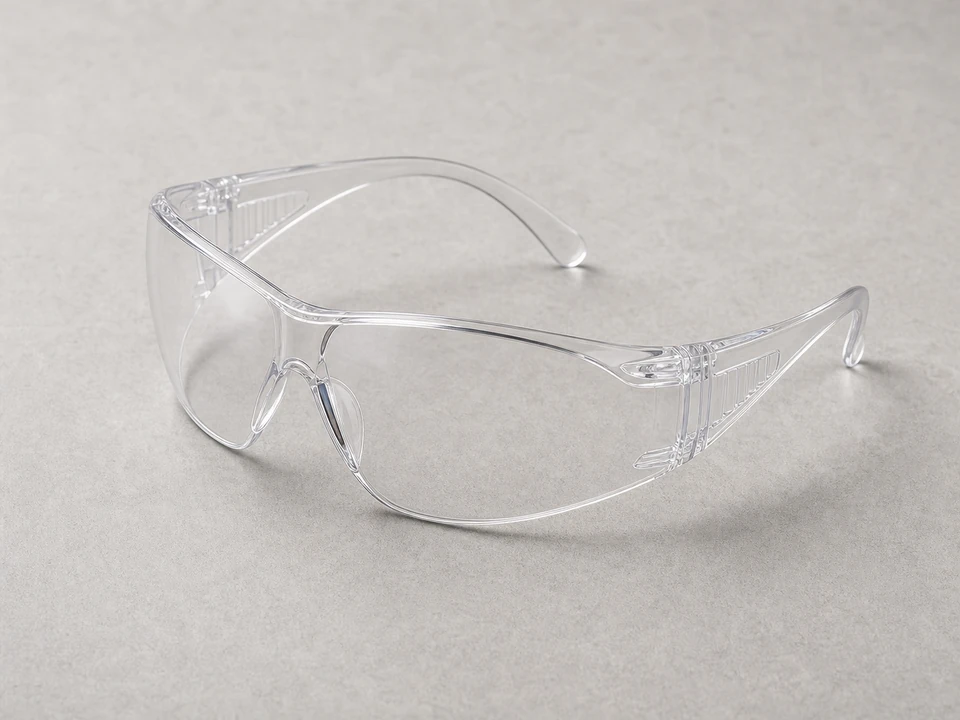
Use it for: Keeps loose fibers and dust out of your eyes.
Shop safety glasses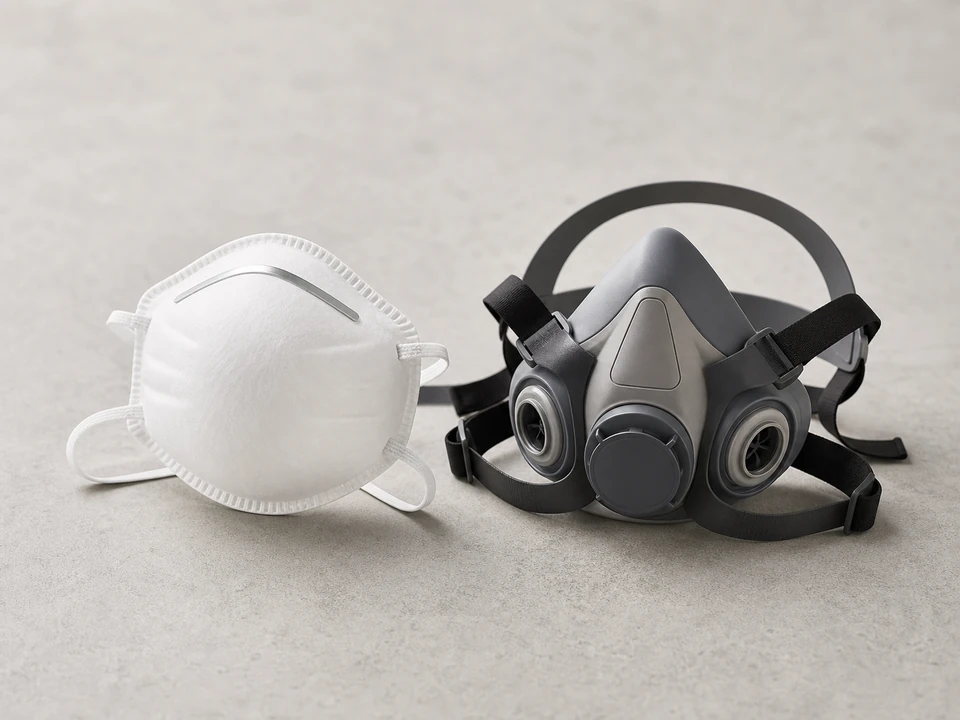
Use it for: Helps reduce breathing in fiberglass fibers and dust.
Shop dust mask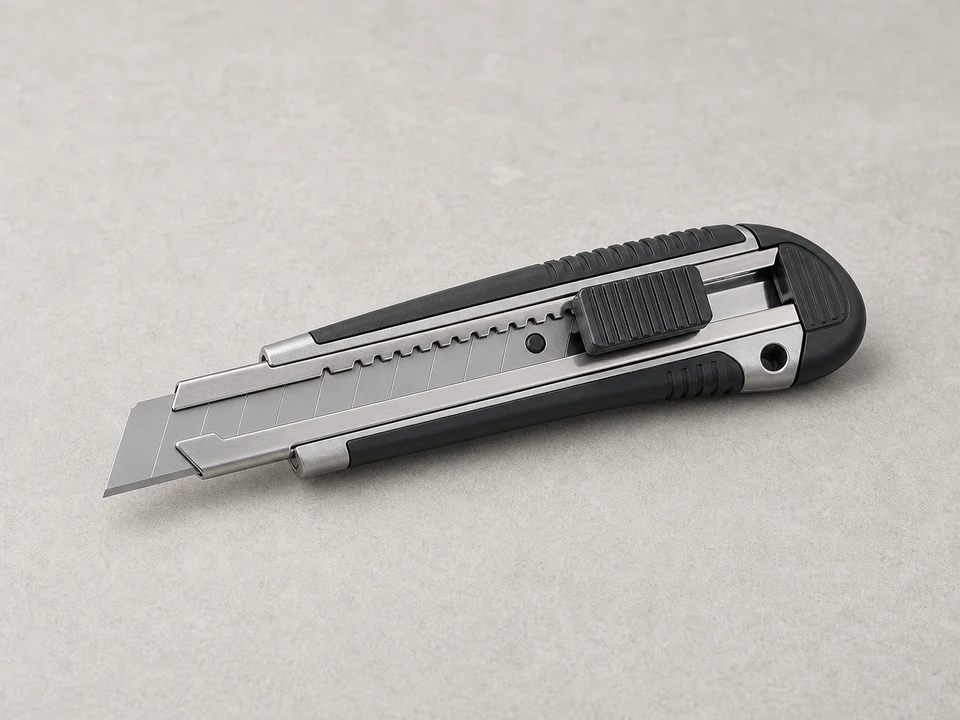
Use it for: Cuts the new batt cleanly to length or around small obstructions.
Shop utility knife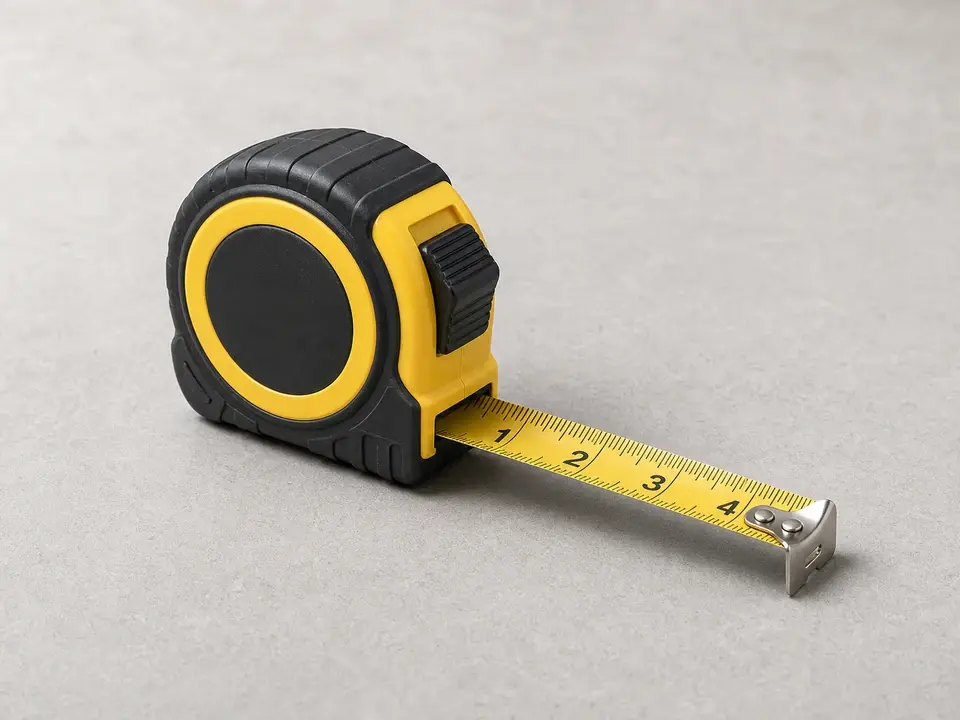
Use it for: Lets you match the new batt to the cavity width and height.
Shop tape measure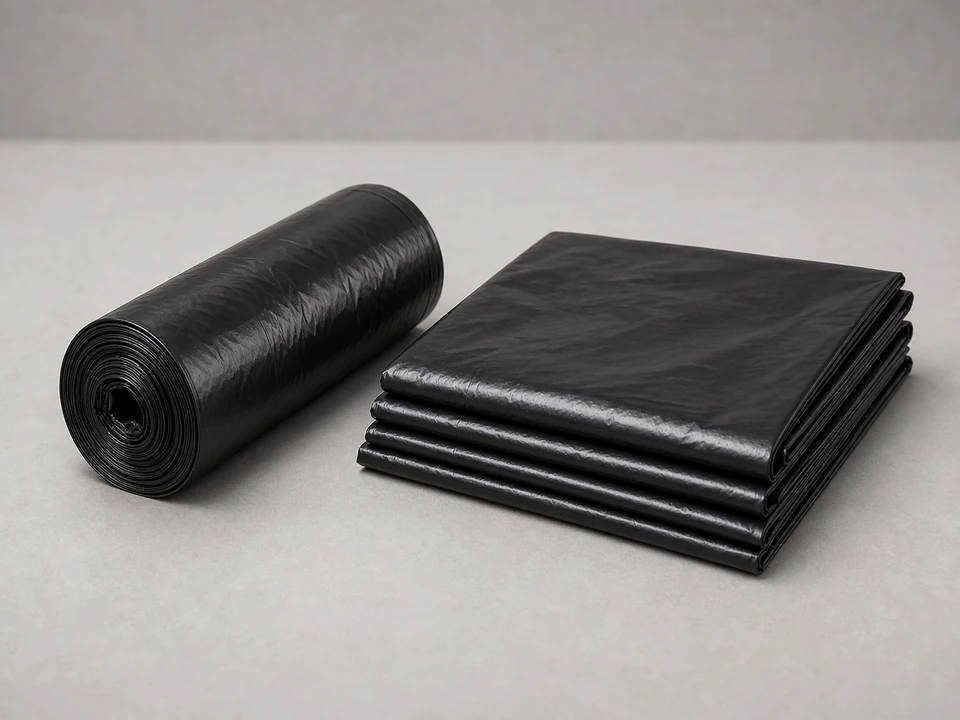
Use it for: Makes it easier to bag and remove the old insulation without spreading fibers through the house.
Shop contractor bagsAs an Amazon Associate I earn from qualifying purchases. Repair Riot may earn a commission at no extra cost to you.
If it works: You know whether the batt actually needs replacing, and you have looked for the reason it failed.
If it doesn’t: If the batt is dry, clean, and still full thickness, you may only need to reposition it and fix the moisture or air leak source instead of replacing it.
If it works: The old insulation is out and the cavity is empty and ready to inspect.
If it doesn’t: If the batt tears apart as you remove it, keep bagging the pieces and vacuum loose fibers with a shop vacuum after the area is dry.
If it works: The cavity is dry, the source problem has been addressed, and the space is ready for new insulation.
If it doesn’t: If the area still feels damp, wait and dry it longer. Installing a new batt into a wet cavity traps moisture and shortens the life of the repair.
If it works: The new batt is sized to fill the cavity evenly without gaps or heavy compression.
If it doesn’t: If the batt is too wide or too thick, get the correct size rather than forcing it in. Compressed fiberglass does not perform as well.
If it works: The batt fills the cavity from edge to edge with no major voids, folds, or compressed spots.
If it doesn’t: If you see gaps at the edges or around obstructions, pull the batt back out and trim or reposition it until the fit is even.
If it works: The new insulation stays dry, in place, and fully fills the cavity during real use.
If it doesn’t: If the new batt gets damp again or starts sagging, track down the remaining leak, air leak, or condensation source before replacing insulation again.
Match the replacement to the cavity depth, stud or joist spacing, and insulation thickness so it fills the space without being compressed.
As an Amazon Associate I earn from qualifying purchases. Repair Riot may earn a commission at no extra cost to you.
Usually no if it was soaked, stayed wet, got dirty, or lost its shape. Once fiberglass batt insulation is contaminated or permanently compressed, replacement is the safer fix.
Reposition it if the batt is dry, clean, full thickness, and only slipped out of place. Replace it if it is wet, moldy, pest-contaminated, torn apart, or compressed enough that it no longer fills the cavity.
Measure the cavity width and depth, then choose a batt that matches those dimensions as closely as possible. The batt should fill the space without being crammed in.
Yes. Putting new insulation into a damp cavity can trap moisture and lead to staining, mold, or another failed repair.
Yes. You can trim it to length and make careful cuts around obstructions. The goal is a snug fit without bunching or heavy compression.
That means the root cause is still there. Look for an unresolved roof leak, plumbing leak, air leak, or condensation issue before replacing the batt again.