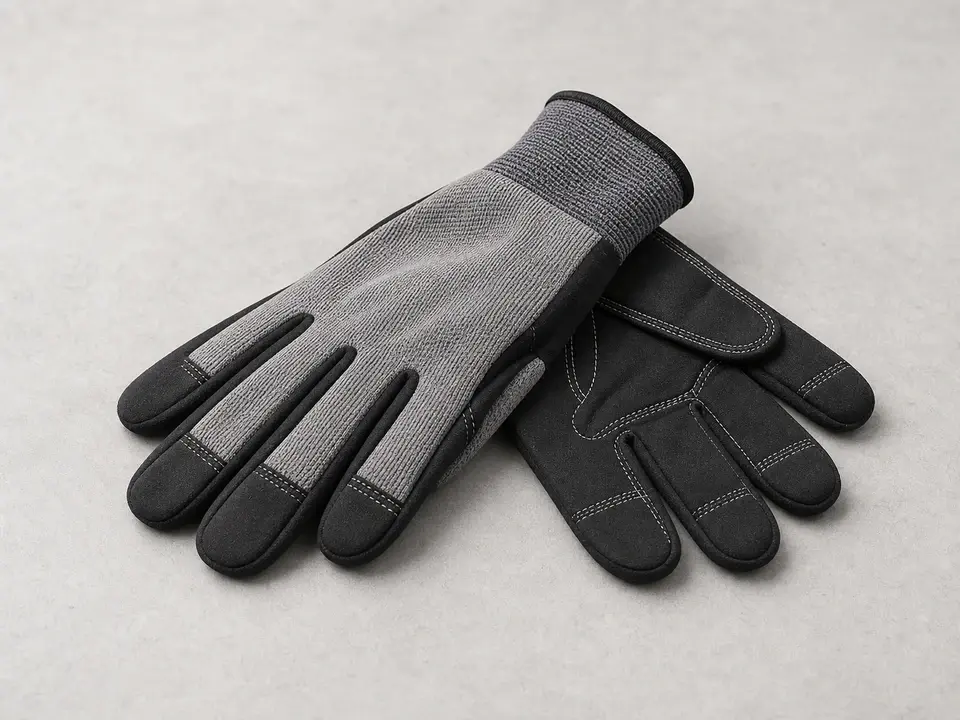
Work gloves
Use it for: Protects your hands from sharp sheet metal edges around the rear panel and compressor area.
Shop work glovesIf your freezer is getting power but the compressor will not start, clicks on and off, or tries to start and then stops, a failed overload protector can be the cause. Replacing it means unplugging the freezer, removing the old protector from the compressor terminals, installing the matching new part, and confirming the compressor starts and keeps running.
This is a manageable repair for many homeowners because the overload protector is usually mounted on the side of the compressor behind the lower rear access panel. The main job is working safely around wiring and making sure you install the correct replacement in the same position as the old one.
Before you start: Match the replacement part to your exact freezer before ordering.
Use it for: Protects your hands from sharp sheet metal edges around the rear panel and compressor area.
Shop work gloves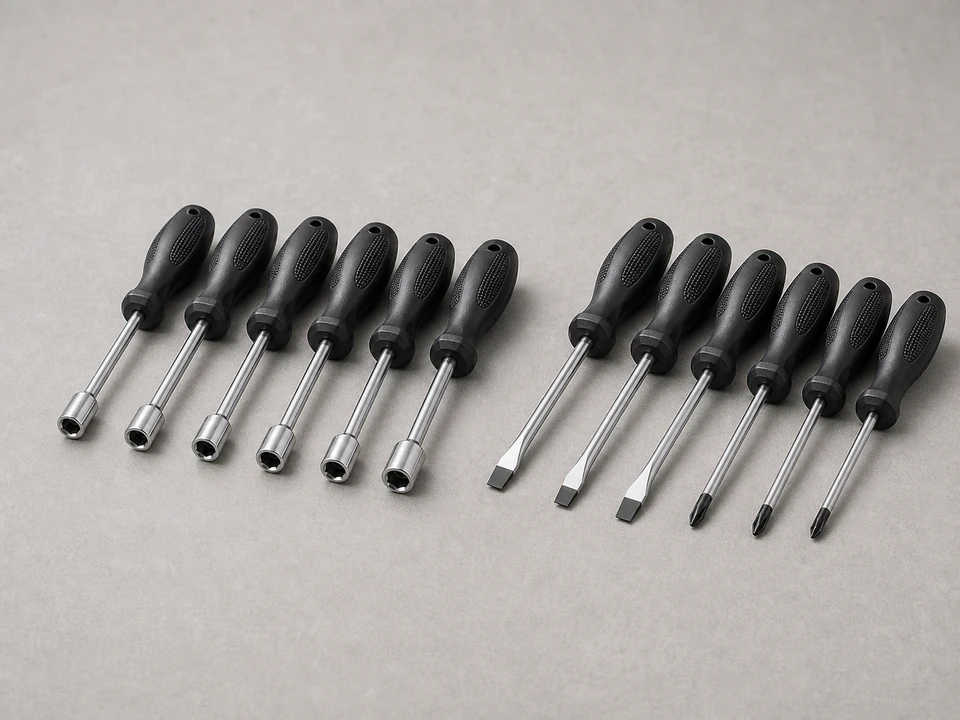
Use it for: Removes the rear access panel and any retaining screws or clips.
Shop nut driver and screwdriver sets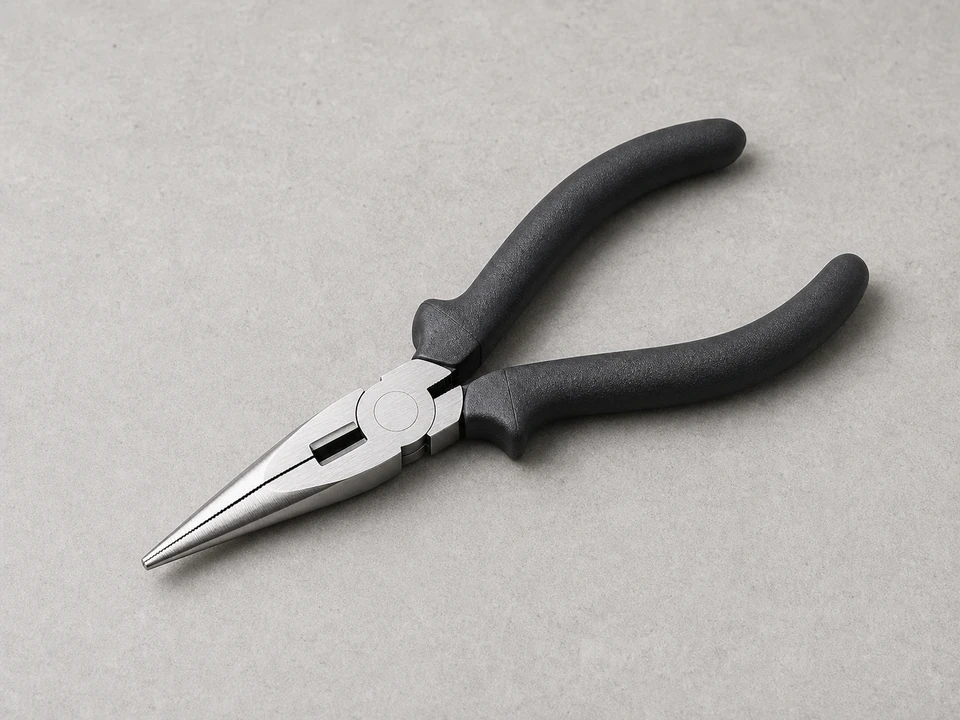
Use it for: Helps pull wire connectors off the old overload protector without yanking the wires.
Shop needle-nose pliers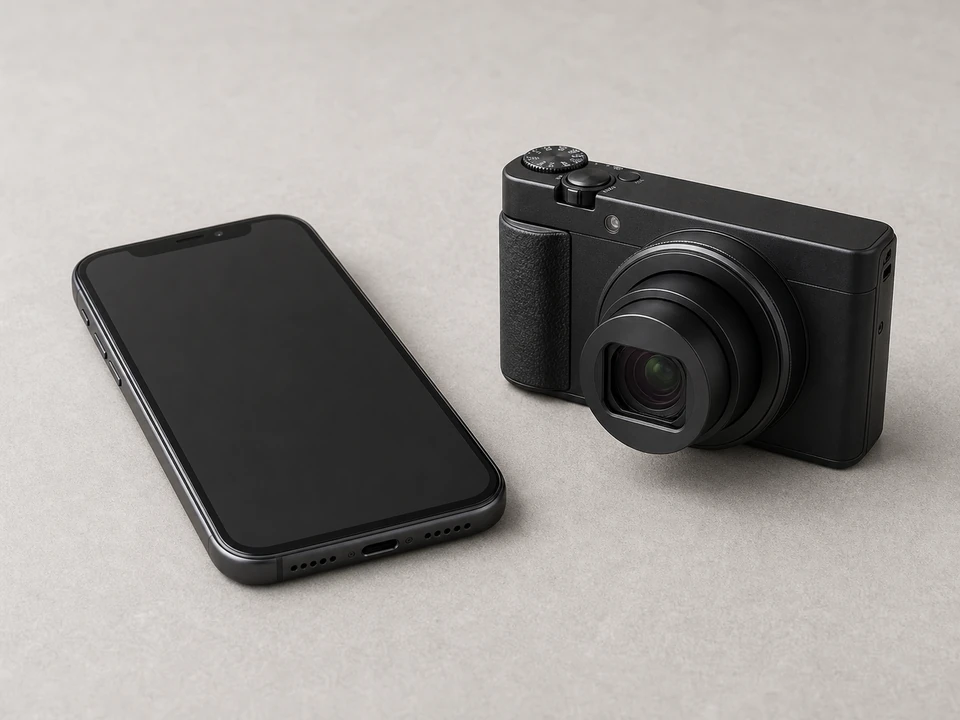
Use it for: Lets you take a quick reference photo before moving wires or parts.
Shop basic digital inspection cameras and accessories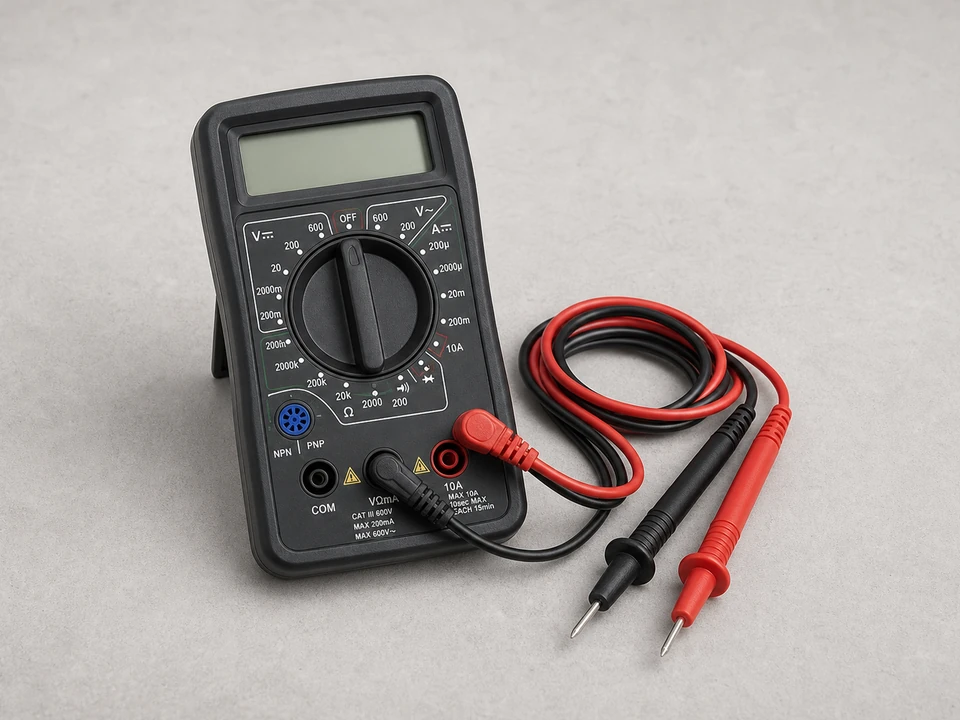
Use it for: Useful for checking that the freezer is unplugged and for basic troubleshooting if the new part does not solve the problem.
Shop multimetersAs an Amazon Associate I earn from qualifying purchases. Repair Riot may earn a commission at no extra cost to you.
If it works: The symptoms point to a compressor start problem, and the overload protector is a plausible failed part.
If it doesn’t: If the freezer is completely dead, the outlet has no power, or the problem is clearly elsewhere, diagnose the power supply, thermostat, control, or start components before replacing the overload protector.
If it works: The freezer is disconnected from power and you have clear access to the overload protector.
If it doesn’t: If you cannot identify the compressor terminal area, look for the wire-connected start components mounted directly on the side of the compressor.
If it works: The old overload protector is out, and you have a clear reference for reinstalling the new one.
If it doesn’t: If the part feels stuck, wiggle it gently and check again for a hidden clip or cover instead of forcing it.
If it works: The new overload protector is fully seated, wired correctly, and secured in place.
If it doesn’t: If the new part will not seat properly, remove it and recheck orientation and fit before applying pressure.
If it works: The freezer is back together and powered on with the new overload protector installed.
If it doesn’t: If the compressor does not start right away, give it a few minutes. Some systems have a short delay before restarting.
If it works: The compressor starts and runs normally, and the freezer begins cooling again without repeated clicking.
If it doesn’t: If the new overload protector does not solve the problem, the issue may be the start relay, capacitor if equipped, compressor windings, or another electrical fault that needs further diagnosis.
Match the replacement part to your exact freezer before ordering.
As an Amazon Associate I earn from qualifying purchases. Repair Riot may earn a commission at no extra cost to you.
It protects the compressor from overheating and excessive current draw. If the compressor struggles to start or overheats, the overload protector opens the circuit to prevent damage.
Common signs are a freezer that has power but does not cool, repeated clicking from the compressor area, or a compressor that hums briefly and shuts off. These symptoms can also overlap with a bad start relay or a failing compressor.
Yes, if you have confirmed the overload protector is the failed part and the replacement matches your freezer. In some designs, the overload protector works alongside a start relay, so both parts may need inspection if the problem continues.
Match the replacement to your exact freezer model and compare the connector layout and mounting style to the original part before installing it.
The problem may be a bad start relay, another wiring issue, or a compressor that is failing mechanically or electrically. At that point, more testing is needed before replacing more parts.