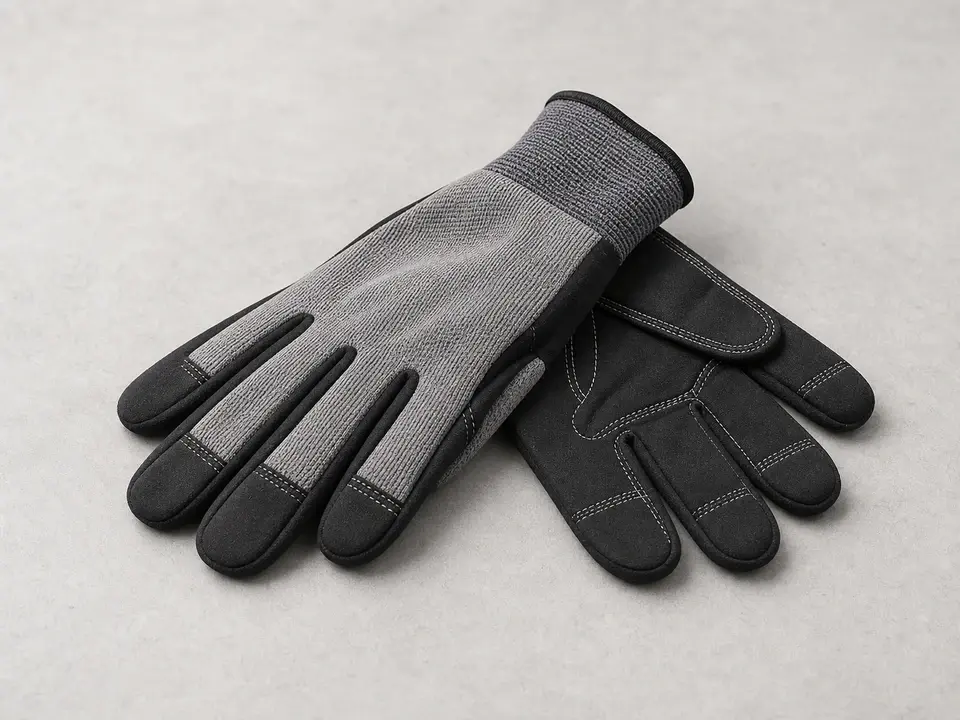
Work gloves
Use it for: Protects your hands from sharp metal edges and old fasteners.
Shop work glovesTo replace a garage door bottom retainer, open the door enough to work safely, confirm the retainer is the damaged part, remove the old retainer from the bottom section, install the matching replacement, then test that the seal sits straight and the door closes evenly.
This repair is usually needed when the bottom retainer is bent, cracked, rusted through, or no longer holding the bottom seal in place. The job is manageable for many homeowners, but the door is heavy and the bottom section can have sharp edges, so work carefully and stop if the damage goes beyond the retainer itself.
Before you start: Match the replacement part to your exact garage door before ordering.
Use it for: Protects your hands from sharp metal edges and old fasteners.
Shop work gloves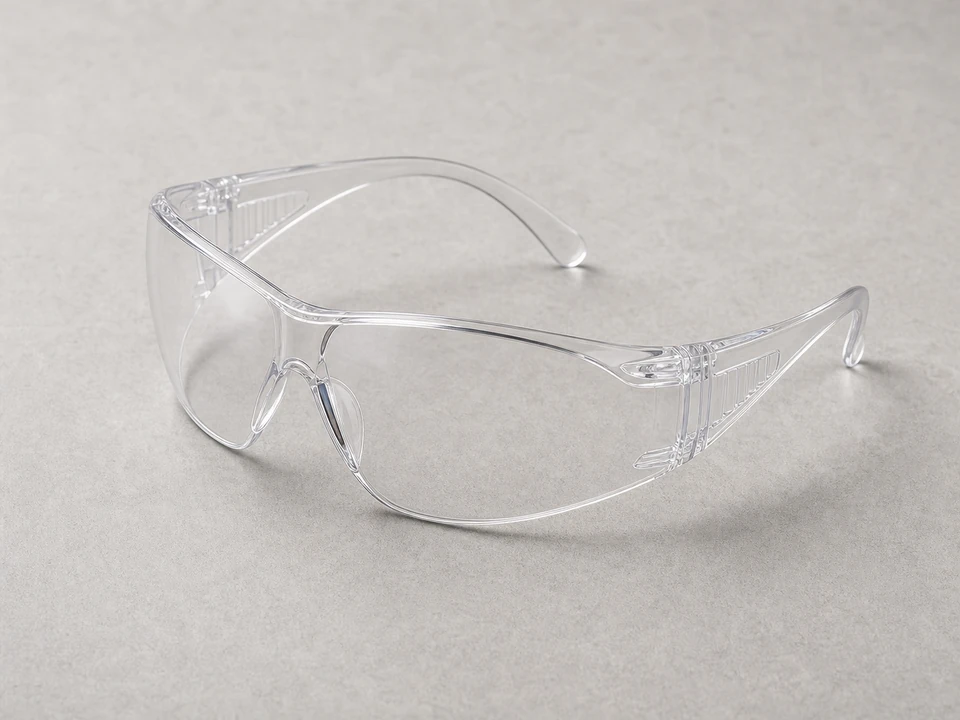
Use it for: Keeps rust, dirt, and metal fragments out of your eyes while removing the old part.
Shop safety glasses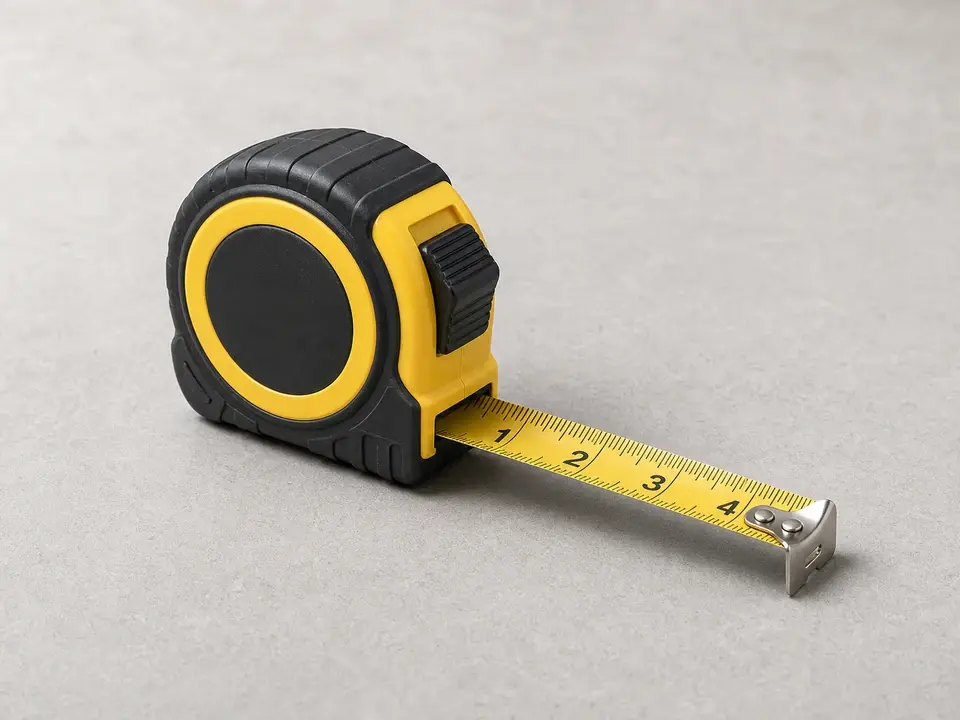
Use it for: Helps you match the new retainer length and profile to the old one.
Shop tape measures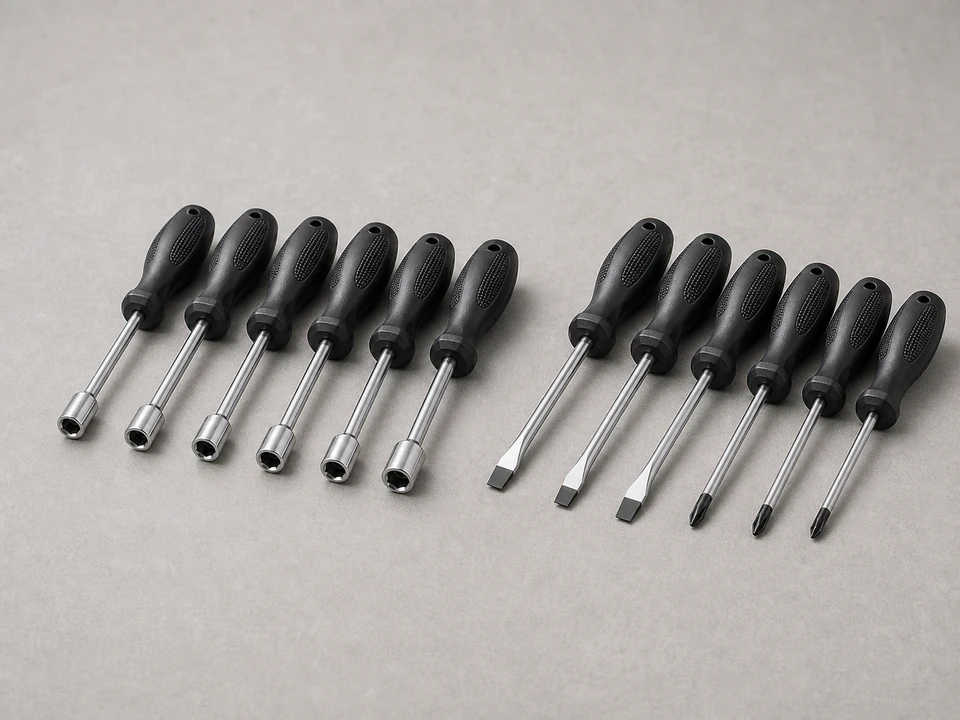
Use it for: Removes screws or clips holding the old retainer, depending on your door.
Shop screwdriver and nut driver sets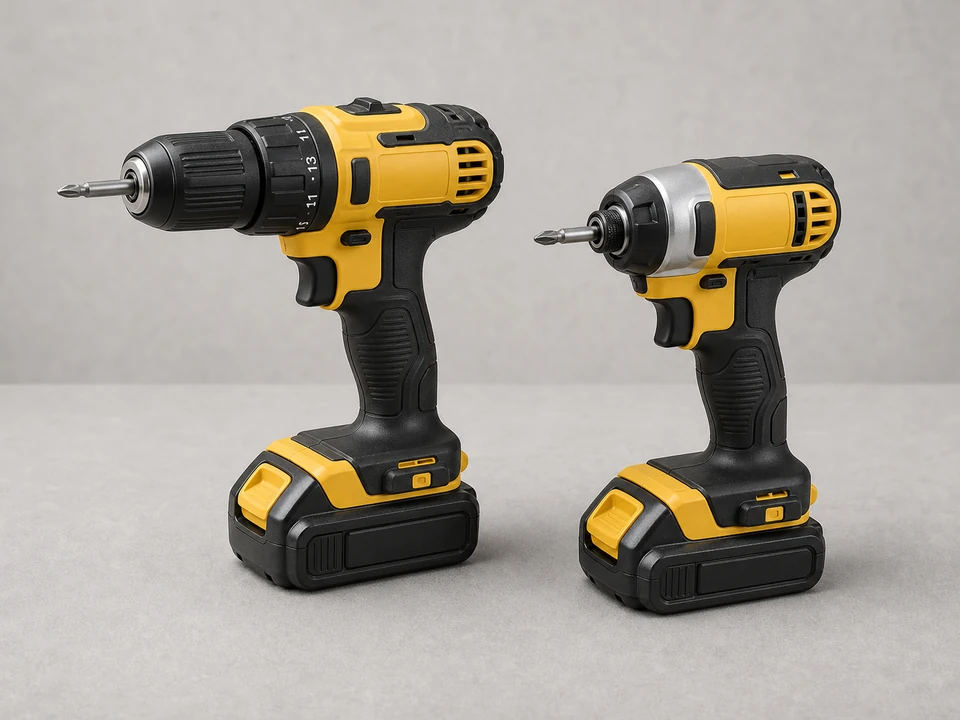
Use it for: Speeds up removing and reinstalling mounting screws.
Shop drill drivers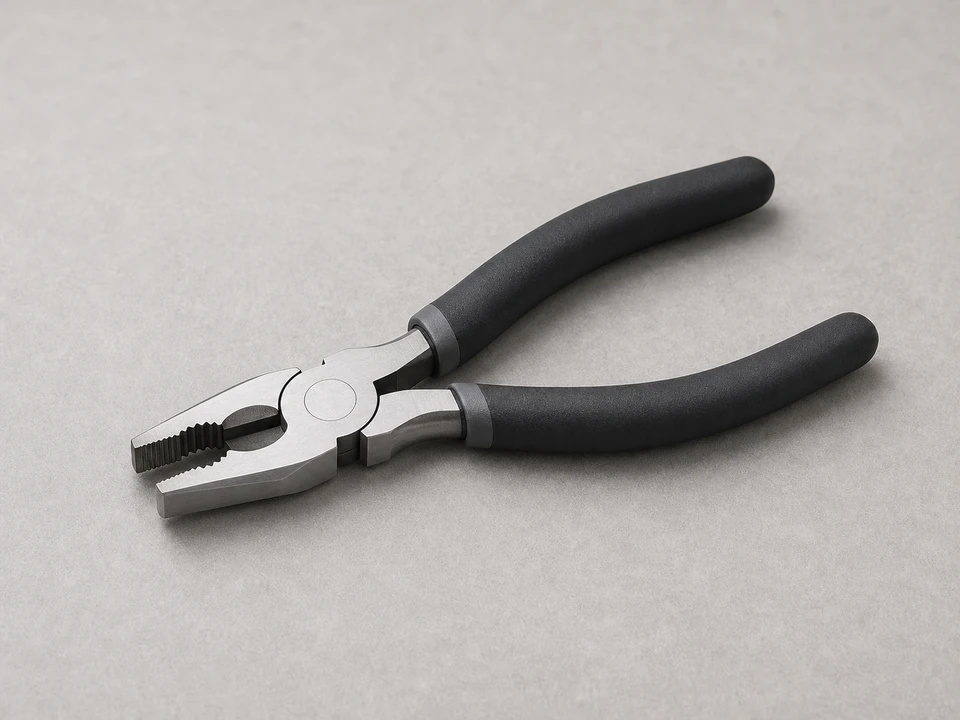
Use it for: Helps pull stubborn fasteners and straighten small bent tabs during removal.
Shop pliersAs an Amazon Associate I earn from qualifying purchases. Repair Riot may earn a commission at no extra cost to you.
If it works: You have confirmed the retainer itself is damaged or no longer holding the seal securely.
If it doesn’t: If the retainer is solid and only the rubber seal is worn, replace the bottom seal instead of the retainer.
If it works: The door is stable, the opener cannot move it, and you can reach the bottom edge without fighting the door.
If it doesn’t: Reposition the door to a more comfortable height and clamp it again before removing any hardware.
If it works: The old retainer is off and the bottom edge of the door is clean enough for the new part to mount evenly.
If it doesn’t: If a fastener is stuck, apply steady pressure, use pliers as needed, and avoid prying against the door panel more than necessary.
If it works: The new retainer matches the old one closely and sits in the correct position before fastening.
If it doesn’t: If the new part does not match the old mounting style or channel shape, pause and get the correct replacement rather than forcing it to fit.
If it works: The new retainer is mounted straight, the seal is captured properly, and nothing is loose along the bottom edge.
If it doesn’t: Loosen the fasteners slightly, straighten the retainer, and reseat the seal before tightening again.
If it works: The door cycles normally, the new retainer stays secure, and the bottom seal holds an even contact line across the opening.
If it doesn’t: If you still have a gap, recheck that the retainer is straight and that the seal is fully seated. If the bottom edge of the door or the floor is uneven, you may need a different seal or a pro to evaluate the door alignment.
Match the replacement part to your exact garage door before ordering.
As an Amazon Associate I earn from qualifying purchases. Repair Riot may earn a commission at no extra cost to you.
If the rubber seal is worn but the holder is straight and secure, replace the seal. If the holder is bent, cracked, rusted through, or no longer keeps the seal in place, replace the garage door bottom retainer.
Usually yes. Many homeowners can replace the retainer with the door secured in a safe working position. You do not need to take apart the full door for a basic retainer replacement.
Yes. Unplugging the opener or cutting power helps prevent the door from moving while your hands are at the bottom edge.
Do not force it. Retainers vary by mounting style and seal channel shape. Compare the old part carefully and get a matching replacement before installing.
A remaining gap can come from a crooked retainer, a seal that is not fully seated, an uneven garage floor, or a door that is out of alignment. Recheck the installation first, then look at the floor and door alignment if the gap remains.