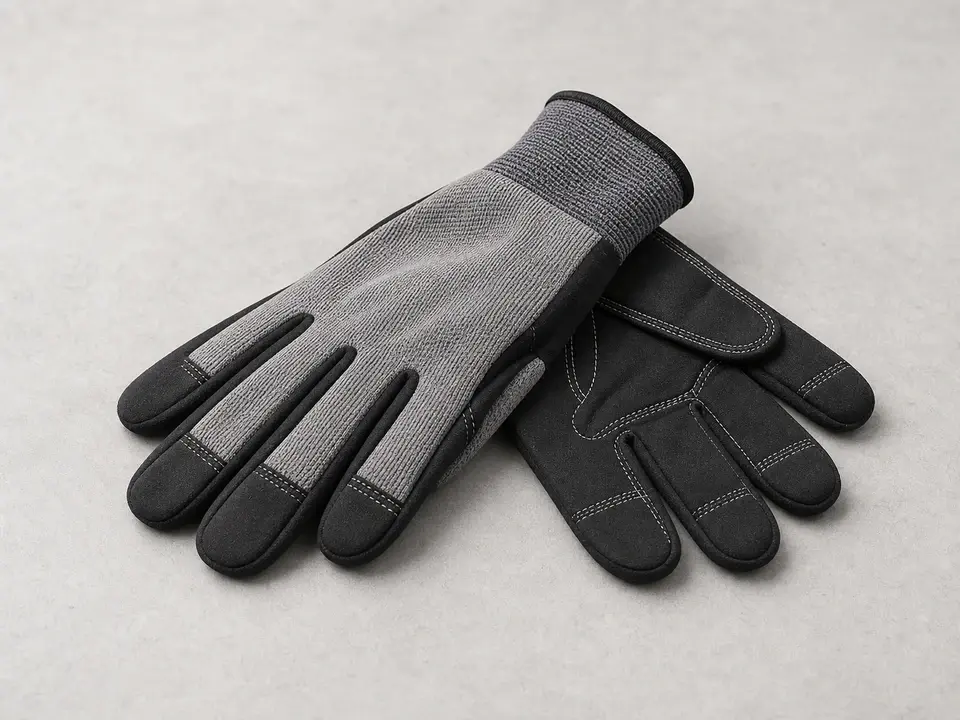
Work gloves
Use it for: Protects your hands from sharp metal edges on the old retainer and fasteners.
Shop work glovesReplace the garage door bottom seal retainer when the old retainer is bent, rusted through, split, or no longer holds the bottom seal straight across the door.
This repair is mostly about getting the right retainer and mounting it square so the seal can sit flat on the floor. Work with the door fully closed so the bottom edge is stable, and stop if the bottom section of the door itself is cracked or badly rotted.
Before you start: Match the door width, retainer style, mounting method, and the bottom seal shape that slides into the track before ordering.
Use it for: Protects your hands from sharp metal edges on the old retainer and fasteners.
Shop work gloves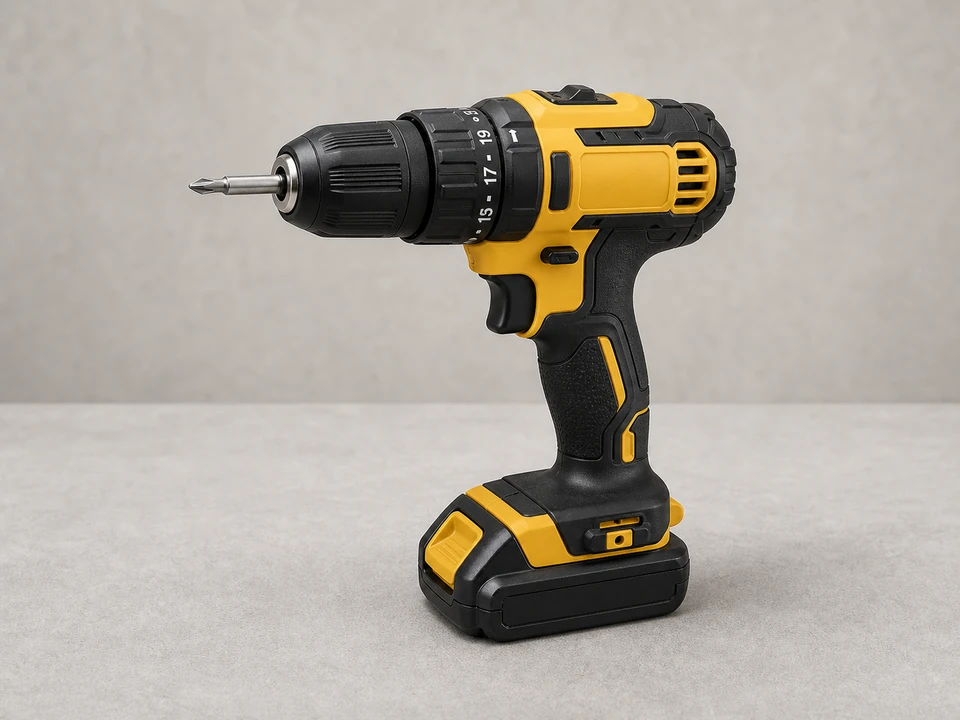
Use it for: Removes old screws and installs the new retainer securely.
Shop drill drivers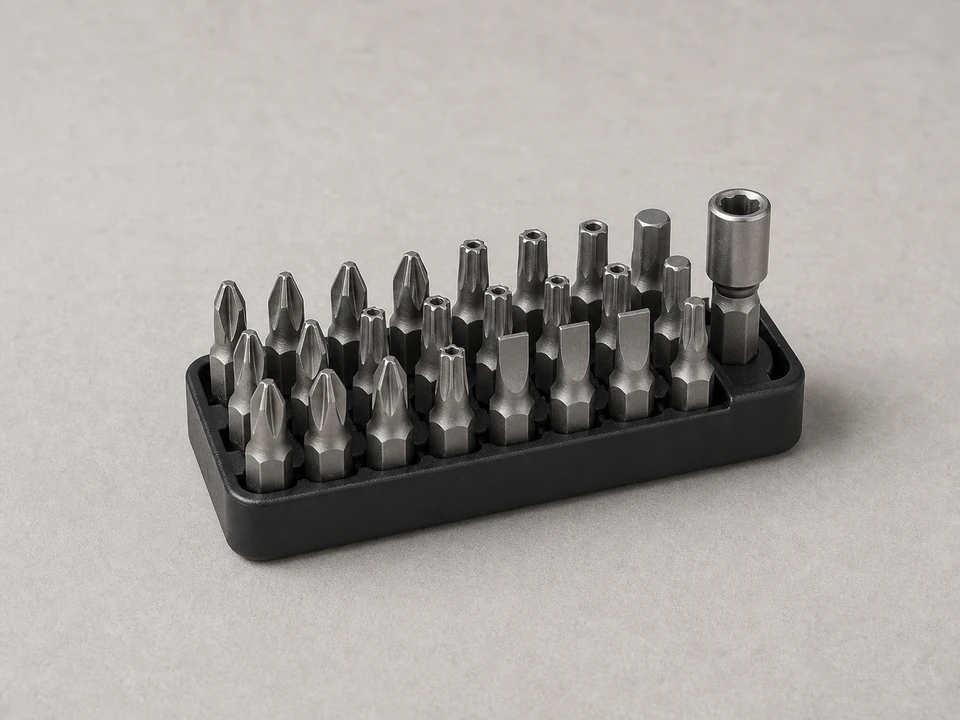
Use it for: Matches the screw heads on the old and new hardware.
Shop driver bit sets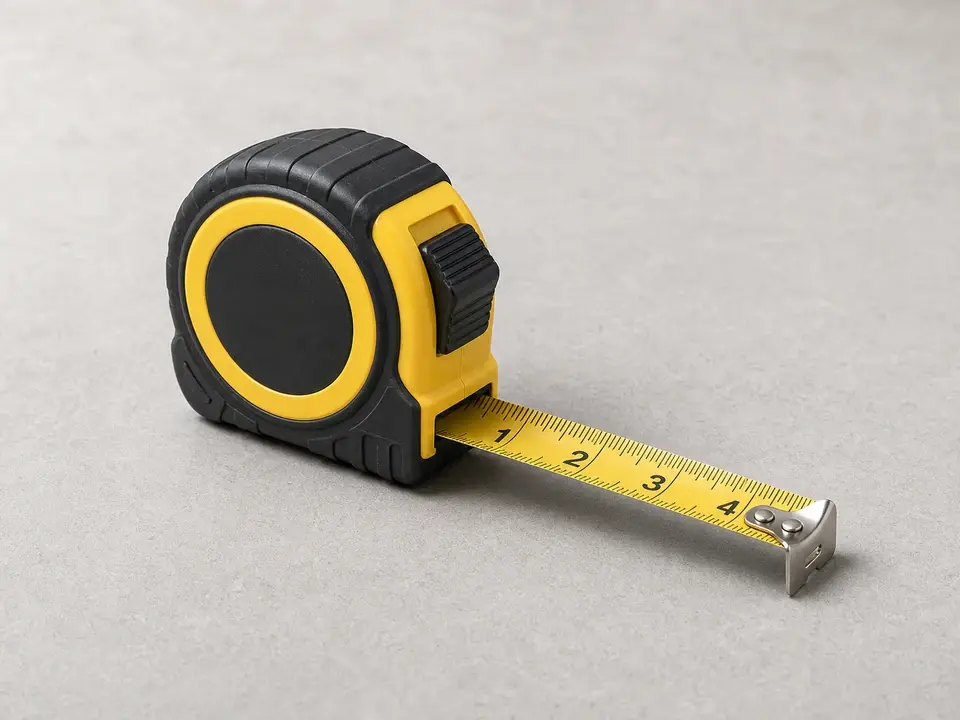
Use it for: Checks door width and helps position the new retainer evenly.
Shop tape measures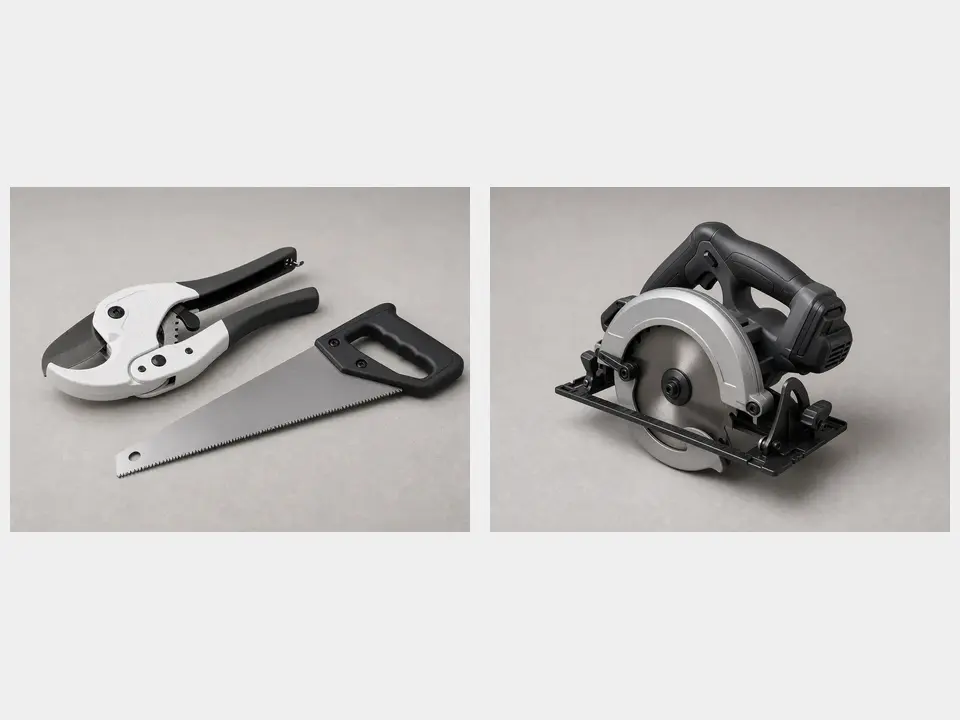
Use it for: Cuts the new retainer to length if it does not come pre-cut.
Shop metal cutting saws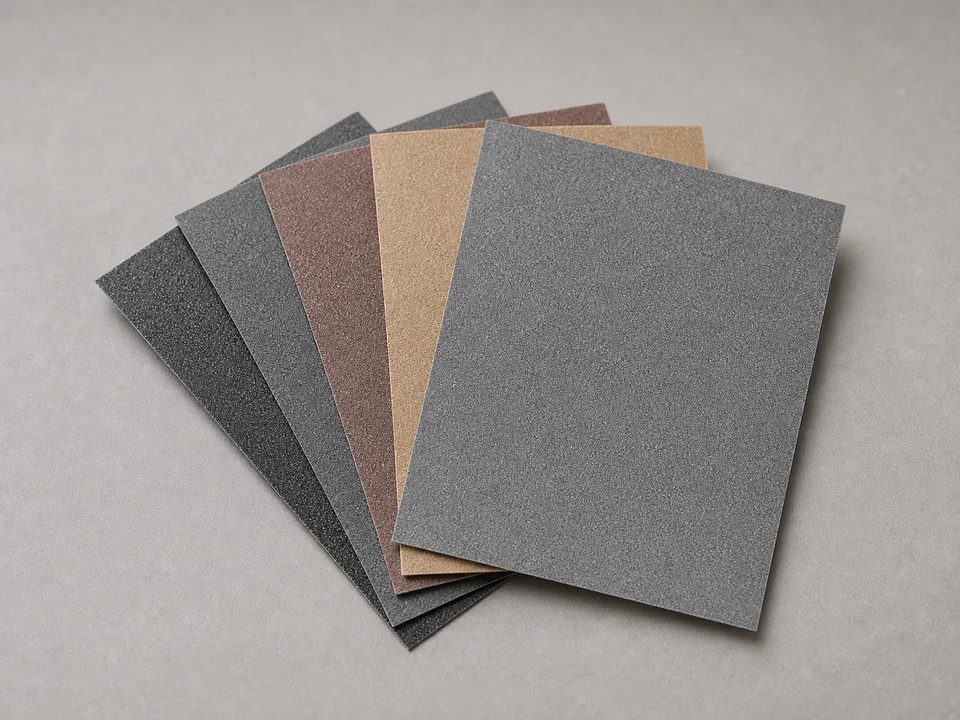
Use it for: Smooths sharp cut edges so the seal can slide in without tearing.
Shop metal filesAs an Amazon Associate I earn from qualifying purchases. Repair Riot may earn a commission at no extra cost to you.
If it works: You have confirmed the retainer is damaged or no longer usable, and the door bottom is solid enough for a replacement.
If it doesn’t: If the retainer is still straight and secure, replace only the bottom seal. If the door bottom edge is damaged, repair that first before installing a new retainer.
If it works: The old retainer is off, and the bottom edge of the door is exposed and clean enough for the new part.
If it doesn’t: If a few screws are stuck, use the correct bit and steady pressure. If hardware strips out, remove what you can and plan to use fresh mounting points in solid material nearby.
If it works: The new retainer is cut to size, smooth at the ends, and ready to mount straight across the door.
If it doesn’t: If the retainer shape does not sit flat or does not accept the seal style you have, recheck the fit before installing anything.
If it works: The new retainer is mounted straight, tight, and evenly supported across the bottom of the door.
If it doesn’t: If the retainer bows or twists as you tighten it, back the screws out slightly, realign it, and retighten evenly from the center outward or end to end.
If it works: The seal is fully seated in the new retainer and lies straight across the bottom of the door.
If it doesn’t: If the seal binds, remove it and smooth any burrs, then confirm the seal profile matches the retainer track before trying again.
If it works: The door opens and closes normally, the retainer stays tight, and the bottom seal contacts the floor evenly without pulling loose.
If it doesn’t: If gaps remain, loosen the retainer and adjust it slightly for a straighter fit. If the floor is uneven, the seal may need a different profile or the door may need adjustment beyond the retainer replacement.
Match the door width, retainer style, mounting method, and the bottom seal shape that slides into the track before ordering.
As an Amazon Associate I earn from qualifying purchases. Repair Riot may earn a commission at no extra cost to you.
Not always, but it is often the easiest time to do both. If the retainer is damaged, the old seal may already be worn or may not fit the new track style well.
Match the door width, the way the retainer mounts to the bottom of the door, and the seal profile that slides into it. A retainer that looks close but uses a different seal channel can waste a lot of time.
You can if they are clean, straight, and still hold well, but new screws are usually the better choice when the old retainer was rusted or loose.
A new retainer will not fix an uneven floor by itself. You may need a different bottom seal profile or a separate door adjustment if the door is not sitting evenly.
It is safer and easier with the door fully closed. The bottom edge is more stable, and you can line up the retainer and seal against the floor contact point more accurately.