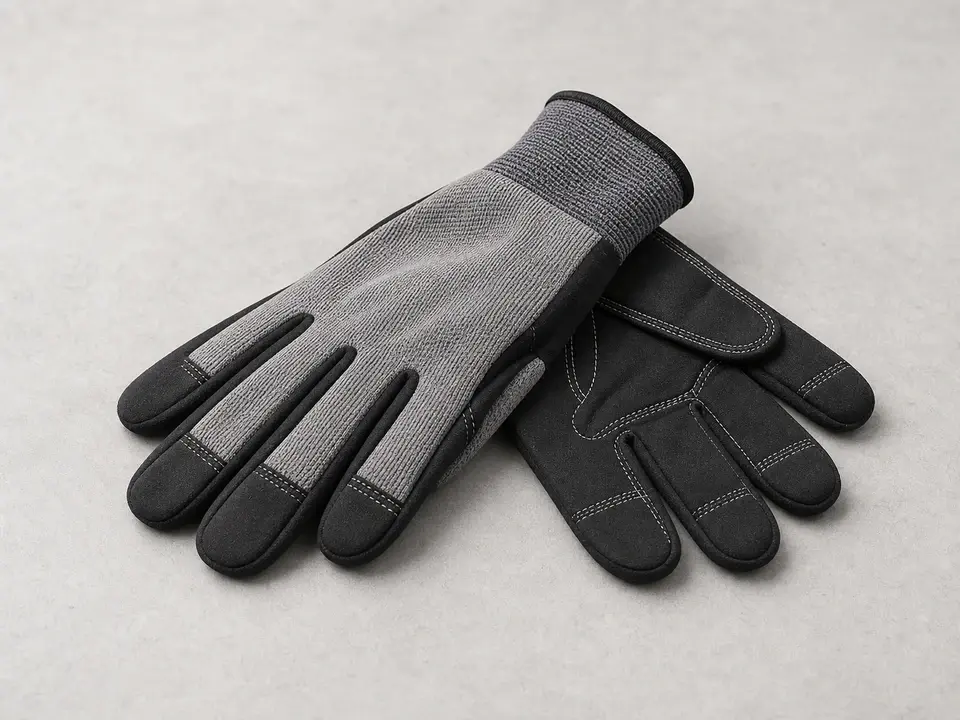
Work gloves
Use it for: Protects your hands from sharp metal edges on the bottom retainer and old brittle rubber.
Shop work glovesTo replace a garage door bottom seal, confirm the old seal is torn, flattened, or missing, remove it from the bottom retainer, clean the channel, then slide in a matching new seal and trim it to fit.
This is a manageable homeowner repair if the door itself is in good shape and the bottom retainer is not bent or rusted through. The key is buying the right seal profile and working with the door fully closed so it stays stable while you remove and install the gasket.
Before you start: Match the seal profile and the bottom retainer style before ordering. Compare the old seal shape, width, and channel fit so the new seal will slide in and compress correctly.
Use it for: Protects your hands from sharp metal edges on the bottom retainer and old brittle rubber.
Shop work gloves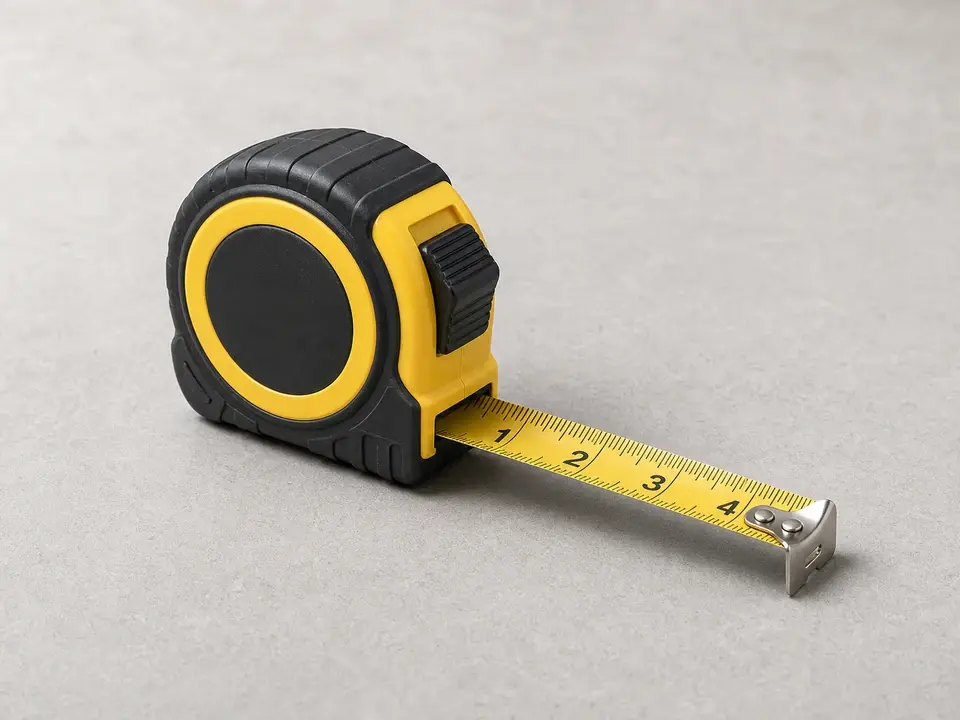
Use it for: Helps you measure door width and compare the old seal size before cutting the new one.
Shop tape measures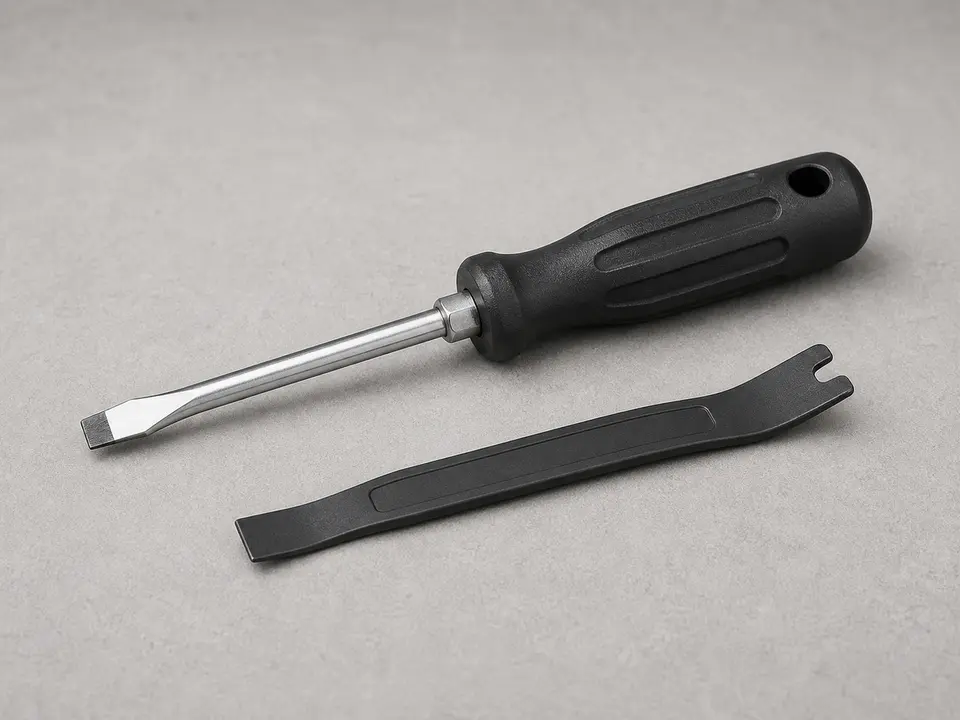
Use it for: Useful for loosening the old seal end and opening a pinched retainer channel slightly if needed.
Shop flat screwdrivers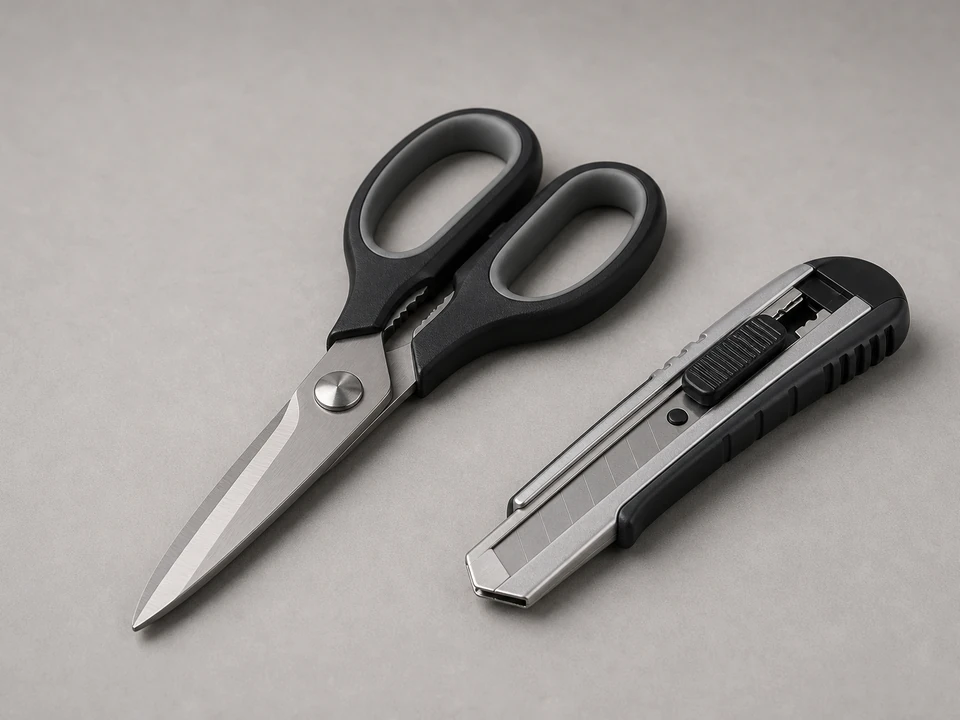
Use it for: Cuts the new seal cleanly to final length.
Shop utility knives
Use it for: Helps the new seal slide through the retainer channel without tearing.
Shop silicone spray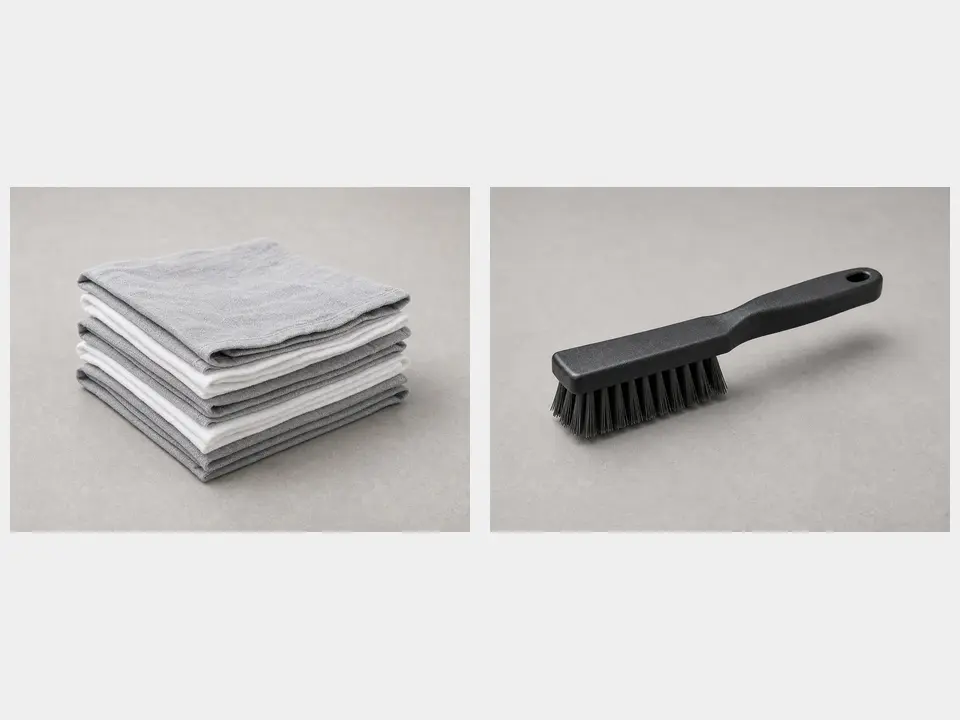
Use it for: Cleans dirt and rust flakes out of the retainer so the new seal can slide in smoothly.
Shop cleaning ragsAs an Amazon Associate I earn from qualifying purchases. Repair Riot may earn a commission at no extra cost to you.
If it works: You confirmed the bottom seal is worn out and the retainer still looks usable.
If it doesn’t: If the seal looks fine, check for an uneven floor, a badly out-of-level door, or damaged side weatherstripping before replacing the bottom seal.
If it works: You have a replacement seal that matches the door width and the retainer profile.
If it doesn’t: If you cannot match the old seal shape, remove a short sample from one end and use it when shopping so you do not order the wrong style.
If it works: The old seal is fully removed and the retainer is empty.
If it doesn’t: If the seal will not slide, clean the exposed end, add a little silicone or soapy water, and try again from the opposite side.
If it works: The retainer channel is clean, open, and ready for the new seal.
If it doesn’t: If the channel still binds badly, keep cleaning and straightening small sections until the seal can start smoothly.
If it works: The new seal is fully seated, straight, and cut to the correct length.
If it doesn’t: If the seal bunches up or twists, pull that section back out and re-feed it before trimming.
If it works: The door closes evenly and the new bottom seal stays put while blocking normal drafts, dirt, and water at the threshold.
If it doesn’t: If small gaps remain, re-center the seal and inspect the floor and door alignment. If the gap is caused by an uneven slab or door setup, the seal alone may not solve it.
Match the seal profile and the bottom retainer style before ordering. Compare the old seal shape, width, and channel fit so the new seal will slide in and compress correctly.
As an Amazon Associate I earn from qualifying purchases. Repair Riot may earn a commission at no extra cost to you.
Match the shape of the old seal and the style of the bottom retainer, not just the door width. Many seals look similar but slide into different channel shapes.
Yes, if the retainer is straight, secure, and not badly rusted or cracked. If the retainer is damaged, a new seal usually will not stay in place well.
The channel is usually dirty, pinched, or dry. Clean it thoroughly, open any crushed spots slightly, and use a little silicone spray or soapy water to help the seal move.
No. Install it flat and relaxed, then trim it to length. If you stretch it tight, it can shrink back, pull out at the ends, or leave gaps later.
The floor may slope toward the door, the slab may be uneven, or the door may not be closing evenly. A new bottom seal helps, but it cannot fully correct a floor or alignment problem.