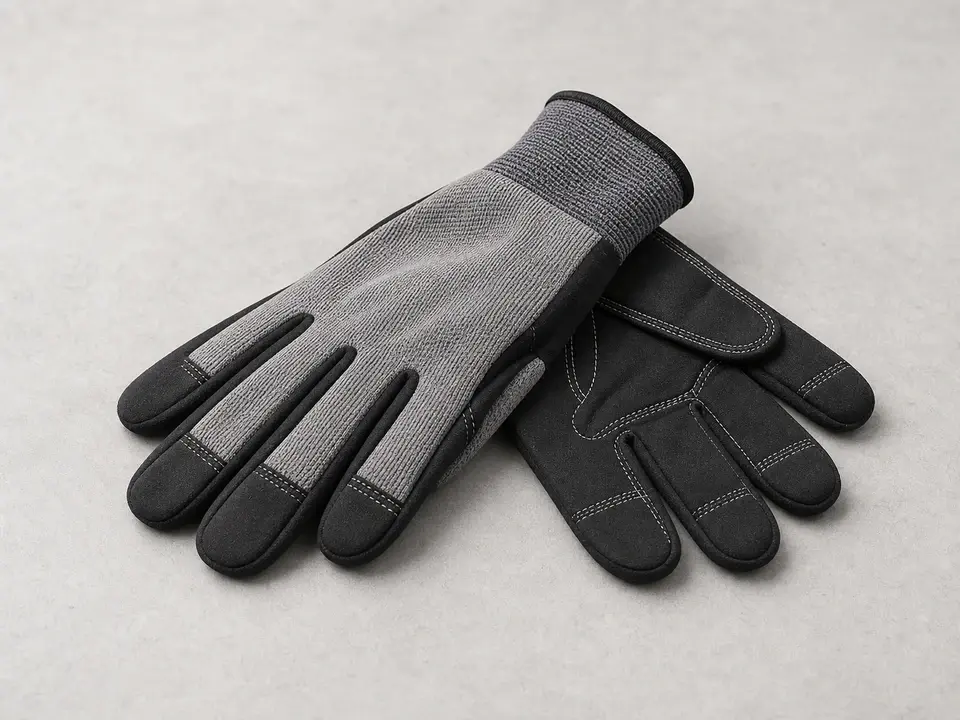
Work gloves
Use it for: Protects your hands from sharp metal edges, dirt, and old brittle rubber.
Shop work glovesTo replace a garage door bottom weather seal, fully close and secure the door, remove the old seal from the bottom retainer, clean the track, cut the new seal to length, slide it into place, and test for an even seal along the floor.
A cracked, flattened, or missing bottom seal can let in water, dirt, pests, and drafts. This is usually a manageable homeowner job if the door is stable and the seal slides into a bottom retainer. Work slowly, keep fingers clear of pinch points, and stop if the door feels too heavy to handle safely.
Before you start: Match the replacement part to your exact garage door before ordering.
Use it for: Protects your hands from sharp metal edges, dirt, and old brittle rubber.
Shop work gloves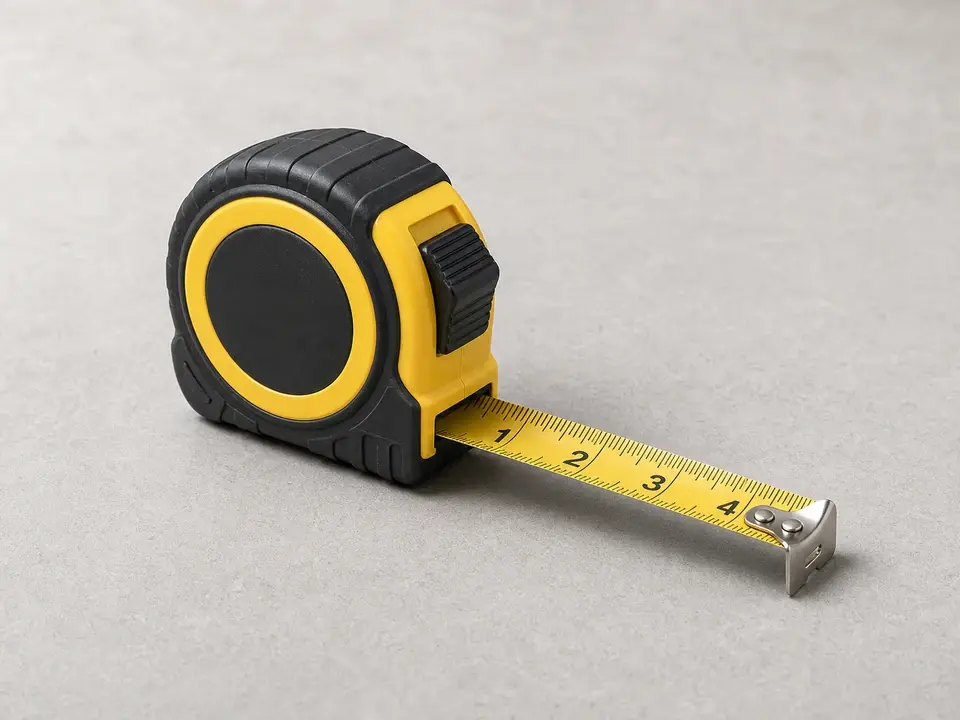
Use it for: Helps you confirm the door width and cut the new seal to the right length.
Shop tape measures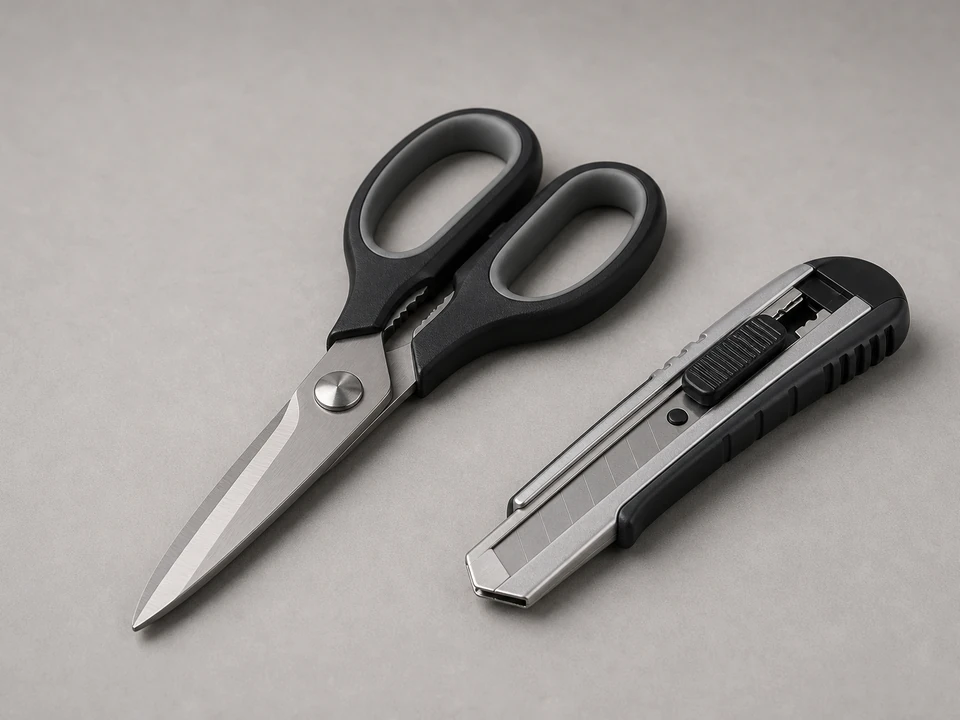
Use it for: Used to trim the new seal cleanly to fit the door.
Shop utility knives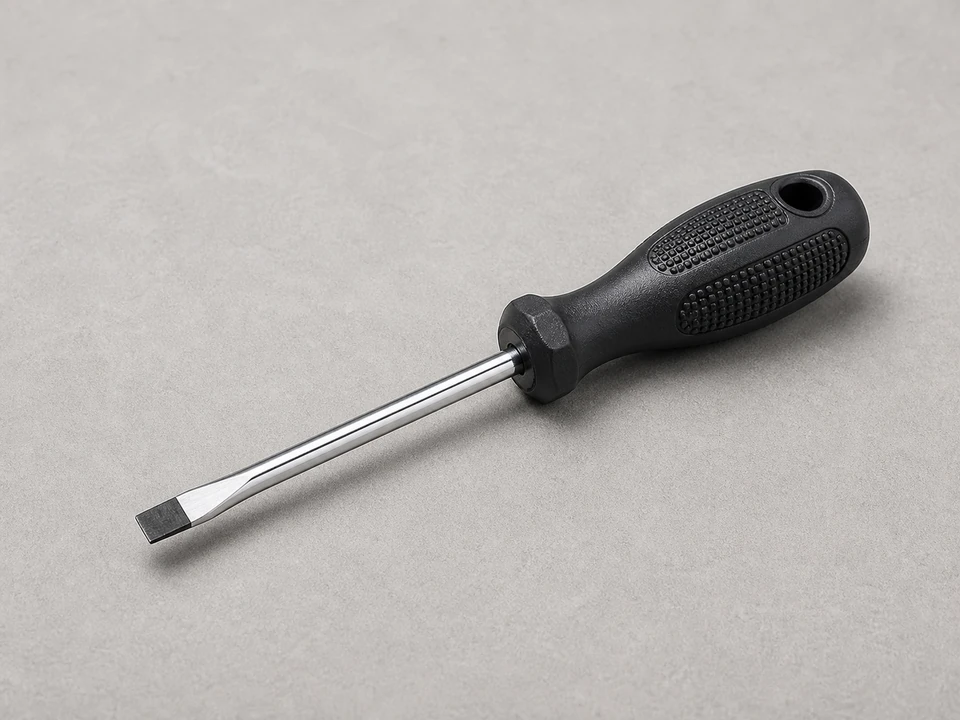
Use it for: Helps lift stubborn sections of the old seal and open a tight retainer edge slightly if needed.
Shop flat screwdrivers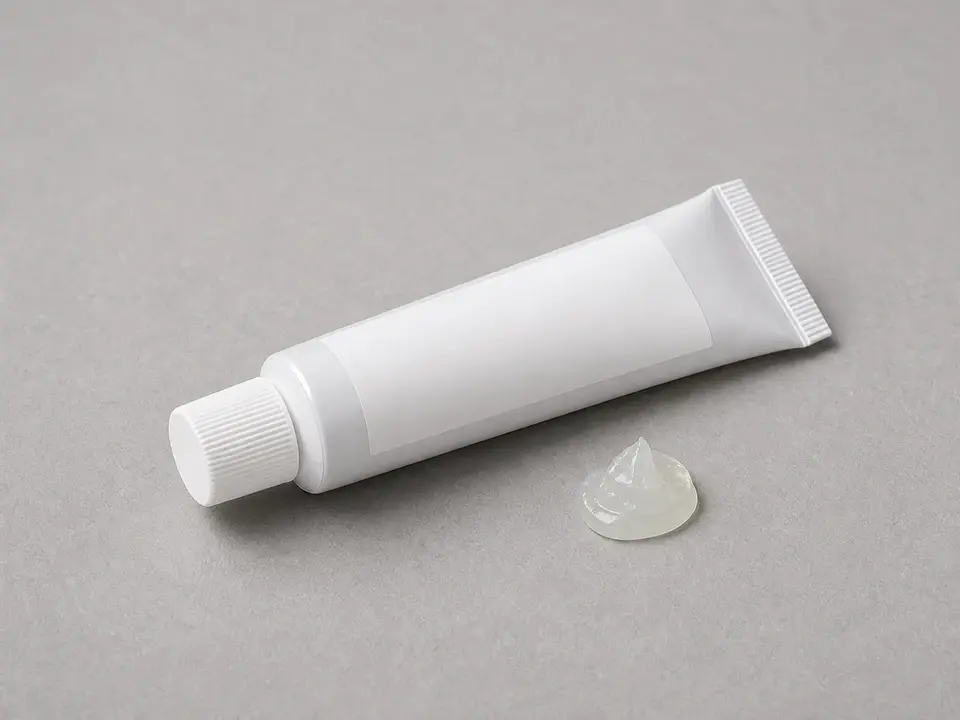
Use it for: Makes it easier to slide the new seal through the retainer channel.
Shop silicone lubricant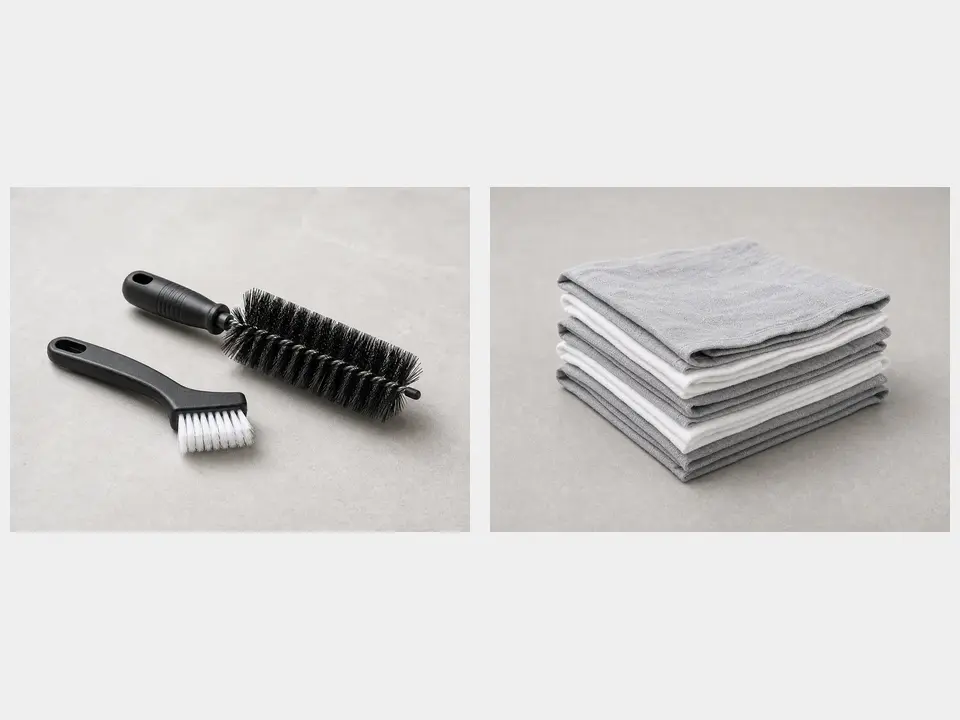
Use it for: Cleans dirt and debris from the bottom retainer before installing the new seal.
Shop cleaning ragsAs an Amazon Associate I earn from qualifying purchases. Repair Riot may earn a commission at no extra cost to you.
If it works: The door is closed, stable, and safe to work on from the bottom edge.
If it doesn’t: If the door will not stay fully closed or stable, do not continue until the door issue is corrected.
If it works: The old seal is fully removed from the bottom retainer.
If it doesn’t: If the seal will not slide out, check for small screws, crimped ends, or damaged retainer edges holding it in place.
If it works: The retainer is clean, open, and ready for the new seal.
If it doesn’t: If the channel is badly damaged or missing sections, the retainer may need repair before a new seal will stay in place.
If it works: The new seal is the right profile and length for installation.
If it doesn’t: If the seal edge shape does not match the retainer, do not force it. Recheck the replacement style before continuing.
If it works: The new seal is fully seated, straight, and centered along the bottom of the door.
If it doesn’t: If the seal binds partway through, back it up slightly, add a little more silicone lubricant, and check for a pinched section in the channel.
If it works: The door closes with an even seal along the floor and no obvious gaps at the bottom.
If it doesn’t: If gaps remain, the floor may be uneven or the seal profile may not match the door retainer correctly.
Match the replacement part to your exact garage door before ordering.
As an Amazon Associate I earn from qualifying purchases. Repair Riot may earn a commission at no extra cost to you.
Replace it if it is cracked, brittle, flattened, torn, missing pieces, or no longer seals against the floor. Water, dirt, pests, or daylight under the door are common signs.
Yes. In many cases the bottom weather seal is a separate replaceable part that slides into a retainer on the bottom of the door.
First clean the retainer and check for crushed spots. A light spray of silicone lubricant can help. If the edge shape still does not match the channel, you likely have the wrong seal style.
The seal may be off-center, twisted, or the wrong profile. An uneven garage floor can also leave small gaps even with a new seal. Recheck the fit before ordering another part.
Usually no. This job is commonly done with the door fully closed so the bottom edge is stable and easier to reach safely.