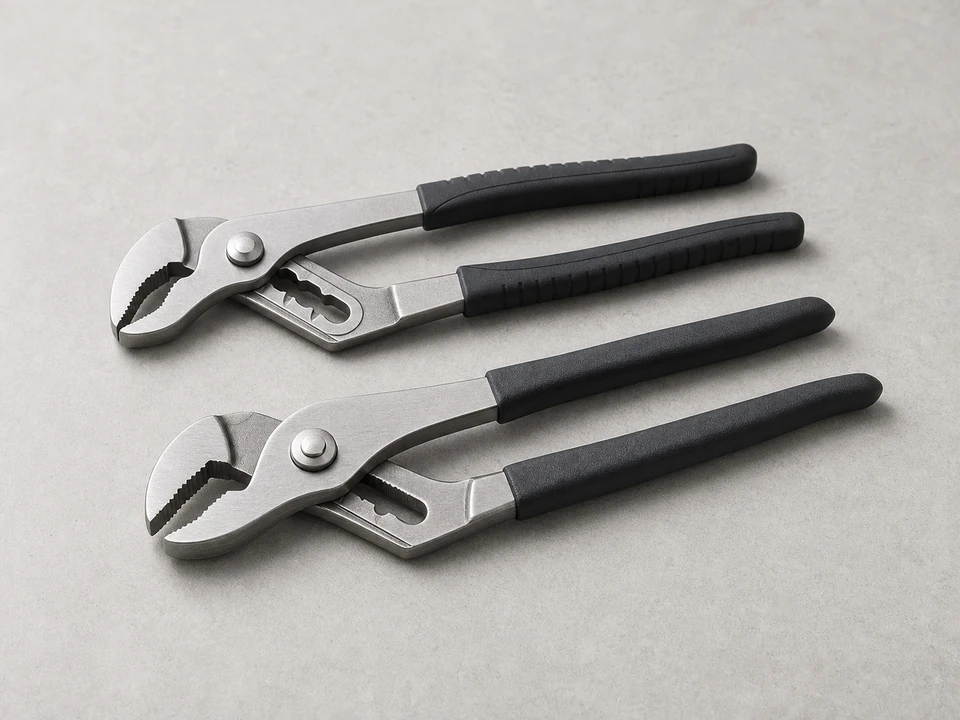
Channel lock pliers
Use it for: To loosen slip nuts, hold mounting parts, and help turn stubborn rings.
Shop channel-lock pliersTo replace a garbage disposal mounting assembly, shut off power, support and remove the disposal, take off the old sink mount parts, install the new flange and mounting ring with fresh sealant, then rehang the disposal and check for leaks and movement.
This repair is usually needed when the disposal no longer locks in tightly, the mount is cracked or rusted, or the sink flange area leaks even after tightening. The job is manageable for a careful homeowner, but the disposal is heavy and the sink opening must be resealed correctly.
Before you start: Match the replacement part to your exact garbage disposal before ordering.
Use it for: To loosen slip nuts, hold mounting parts, and help turn stubborn rings.
Shop channel-lock pliers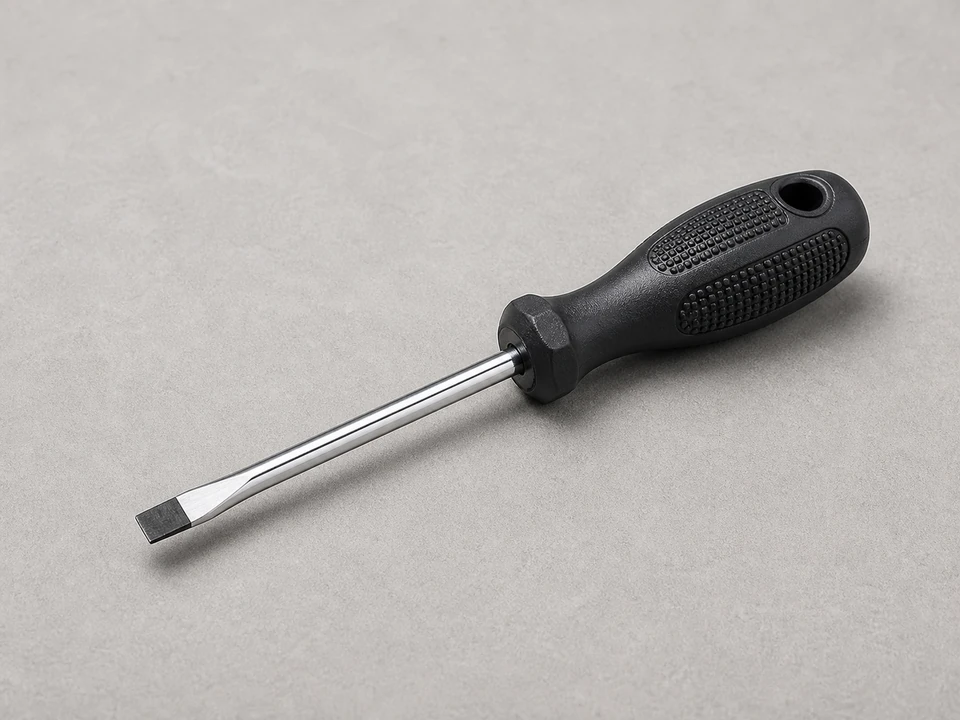
Use it for: To pry off snap rings or help rotate the mounting ring tabs.
Shop flathead screwdrivers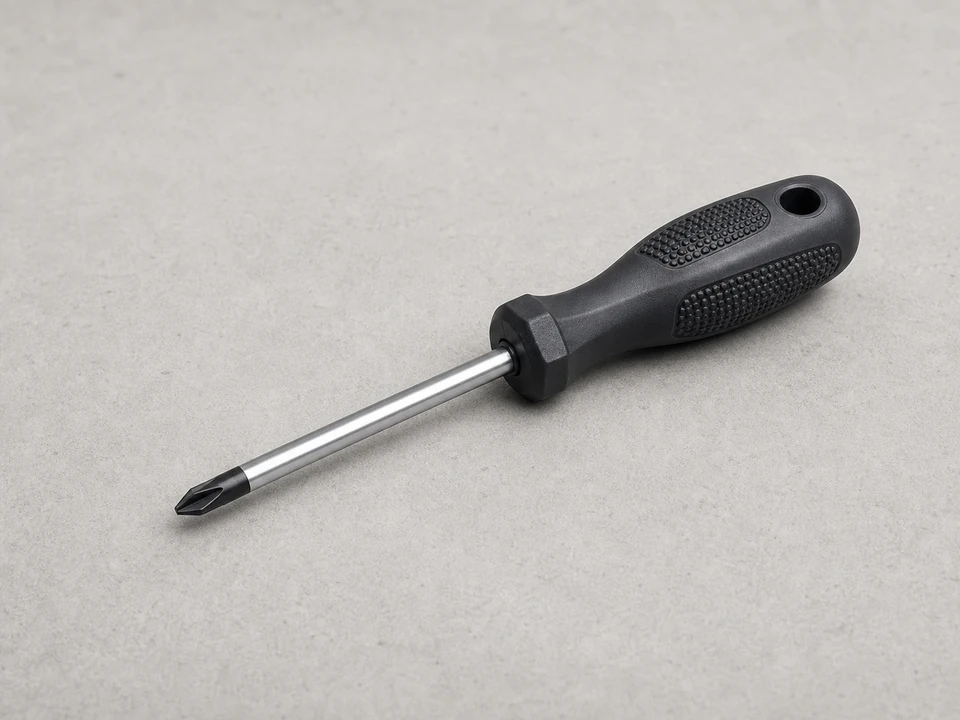
Use it for: To remove hose clamps or mounting screws if your setup uses them.
Shop Phillips screwdrivers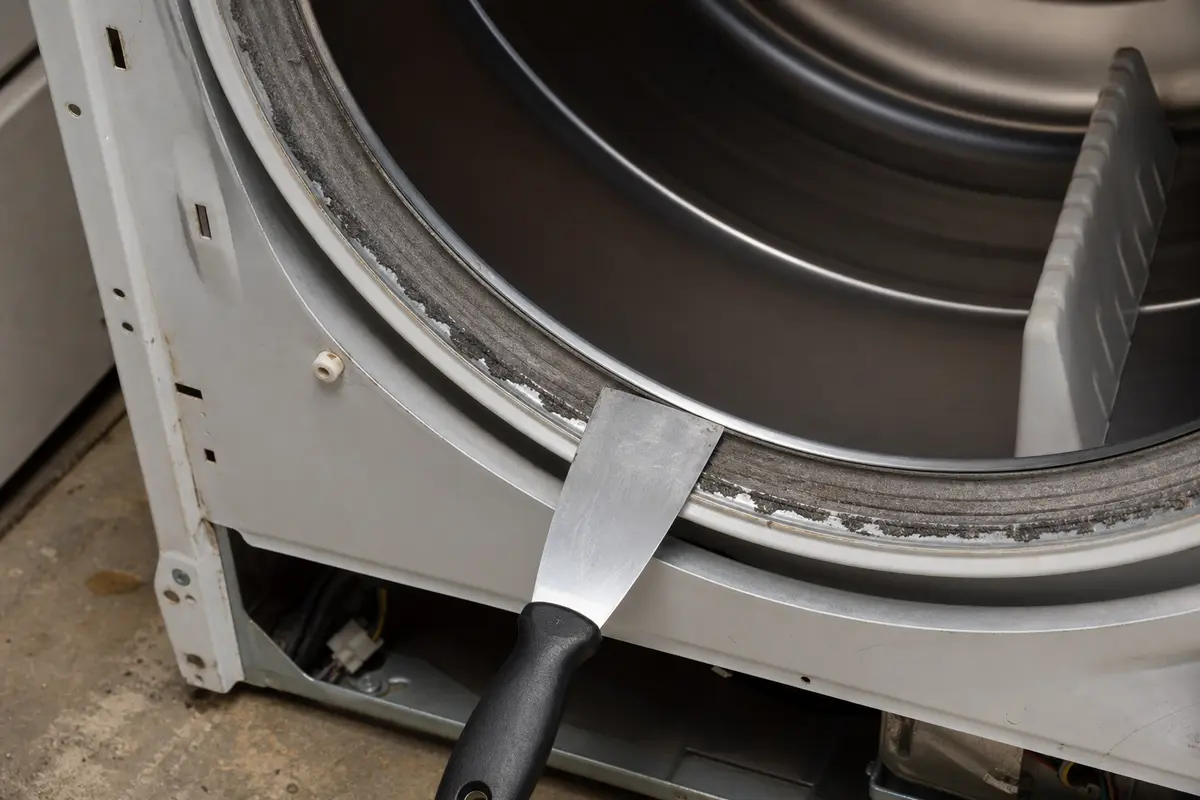
Use it for: To scrape away old plumber's putty or old sealant from the sink opening.
Shop putty knives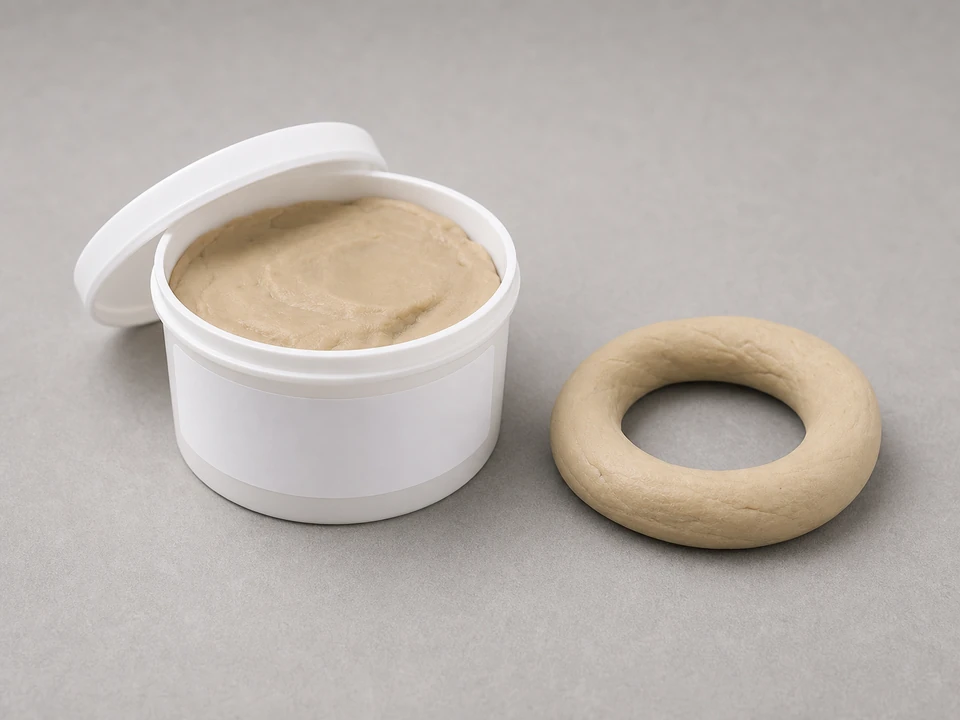
Use it for: To seal the new sink flange unless your replacement instructions call for a different sealant.
Shop plumber's putty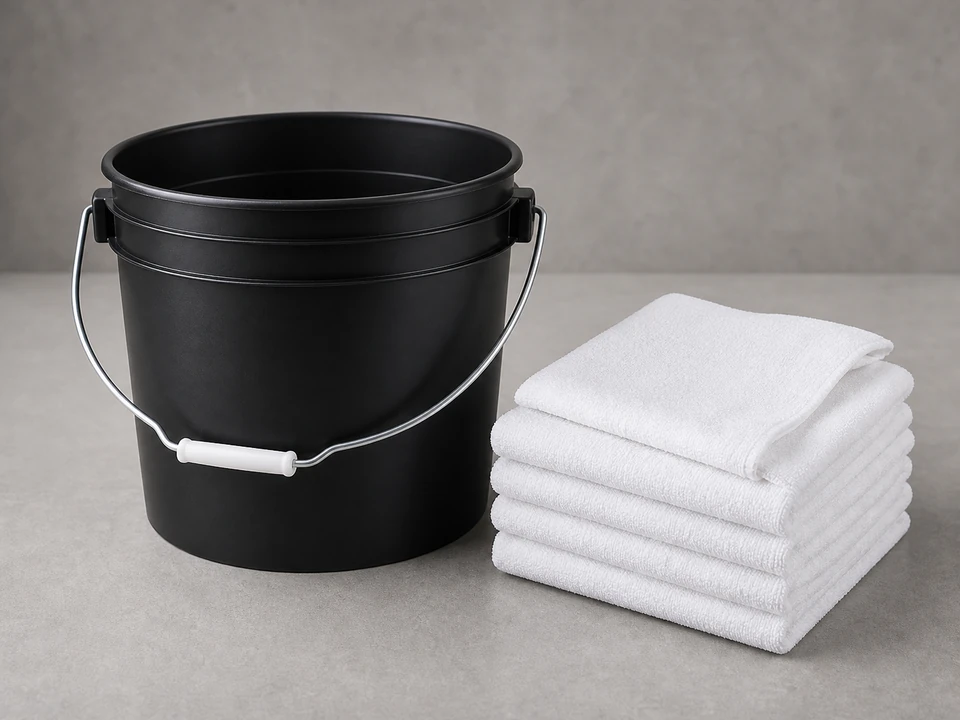
Use it for: To catch water from the trap and keep the cabinet dry while you work.
Shop buckets and towelsAs an Amazon Associate I earn from qualifying purchases. Repair Riot may earn a commission at no extra cost to you.
If it works: You have a clear reason to replace the mounting assembly and the replacement part matches your disposal.
If it doesn’t: If the leak is coming from the disposal body, reset button area, or a cracked housing, replace the disposal instead of the mounting assembly.
If it works: The disposal is fully removed and the work area under the sink is safe and accessible.
If it doesn’t: If the disposal will not unlock, keep supporting its weight and use a screwdriver against a mounting tab only for gentle extra leverage.
If it works: The old mounting assembly is off and the sink opening is clean and ready for the new parts.
If it doesn’t: If old putty is stubborn, soften and lift it in small sections until the sink surface is clean and even.
If it works: The new mounting assembly is installed squarely and the sink flange sits flat without gaps.
If it doesn’t: If the flange shifts or sits unevenly, loosen the assembly, recenter it, and tighten again evenly.
If it works: The disposal is mounted securely and all drain connections are back in place.
If it doesn’t: If the disposal rocks or will not lock in fully, remove it and check that the mounting ring is assembled correctly and fully tightened to the sink.
If it works: The disposal runs normally, the mount stays tight, and there are no leaks from the flange or connections.
If it doesn’t: If you see a small leak at the flange, the mount may need to be tightened evenly a bit more or resealed. If the disposal still shifts in the mount, recheck the assembly order and fit.
Match the replacement part to your exact garbage disposal before ordering.
As an Amazon Associate I earn from qualifying purchases. Repair Riot may earn a commission at no extra cost to you.
Yes, if the disposal itself still works and the problem is a cracked, rusted, loose, or leaking mount. If the disposal housing is leaking or the motor is failing, replacing the whole unit makes more sense.
Usually yes, for the sink flange seal. Some replacement kits may call for a different sealant or include a gasket system, so follow the instructions that come with your new mounting assembly.
The most common causes are the wrong replacement assembly, parts installed in the wrong order, or a mounting ring that is not fully tightened. A damaged sink opening can also keep the mount from holding firmly.
Leaks from the mounting assembly usually show up around the sink flange or directly under the sink opening. If water appears lower on the unit, at the side hose, or at the drain elbow, the leak may be from a different part.
It can be, if you are comfortable shutting off power, handling a heavy disposal, and resealing the sink flange. If the unit is hardwired and you are not comfortable with that part, it is reasonable to call a pro.