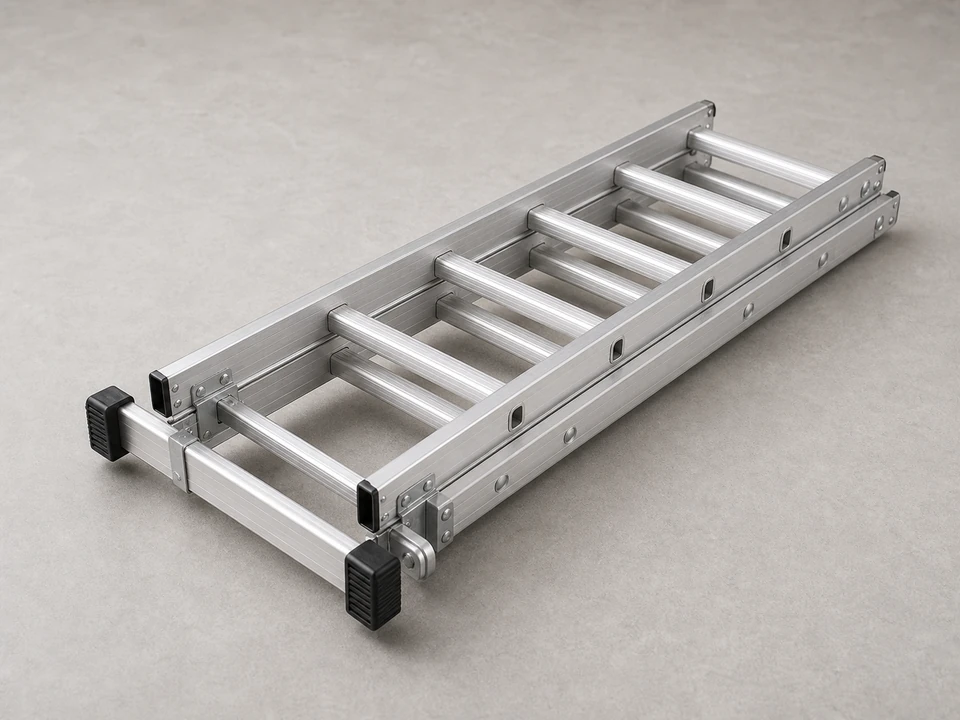
Extension ladder
Use it for: To reach the gutter safely and work at the damaged hanger location.
Shop extension laddersTo replace a gutter hanger, first confirm the gutter itself is still sound, then remove the failed hanger, install a matching replacement in solid material, and check that the gutter is supported and draining the right way.
A bad gutter hanger usually shows up as a sagging section, a loose front edge, or a gutter that pulls away from the fascia during rain. This is a manageable repair for many homeowners if the ladder setup is safe and the surrounding wood is still solid.
Before you start: Match the replacement part to your exact gutter before ordering.
Use it for: To reach the gutter safely and work at the damaged hanger location.
Shop extension ladders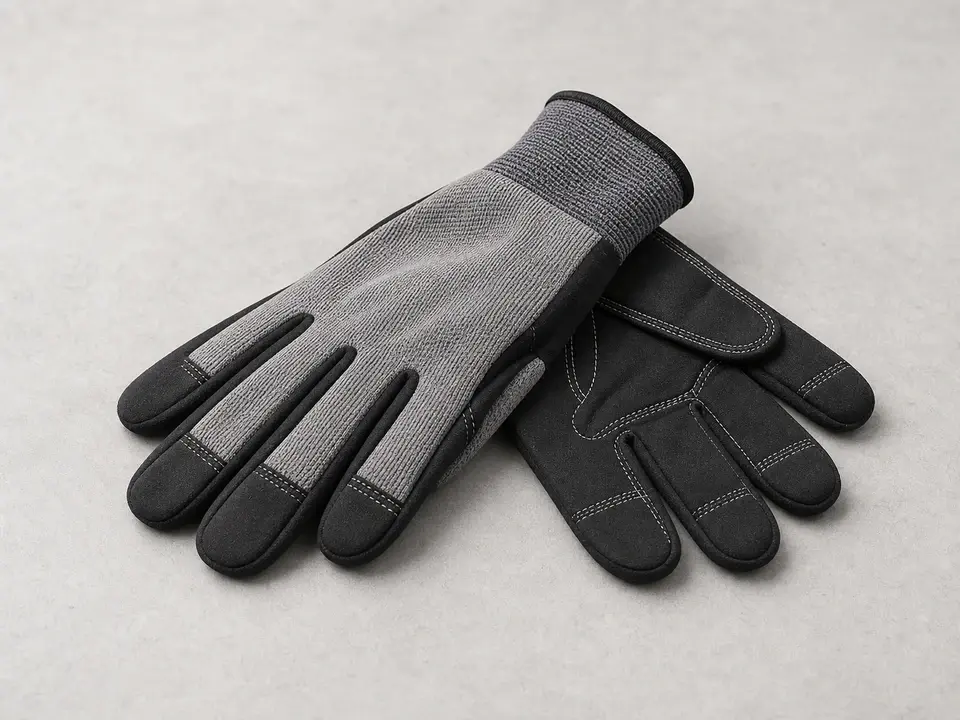
Use it for: To protect your hands from sharp gutter edges and old fasteners.
Shop work gloves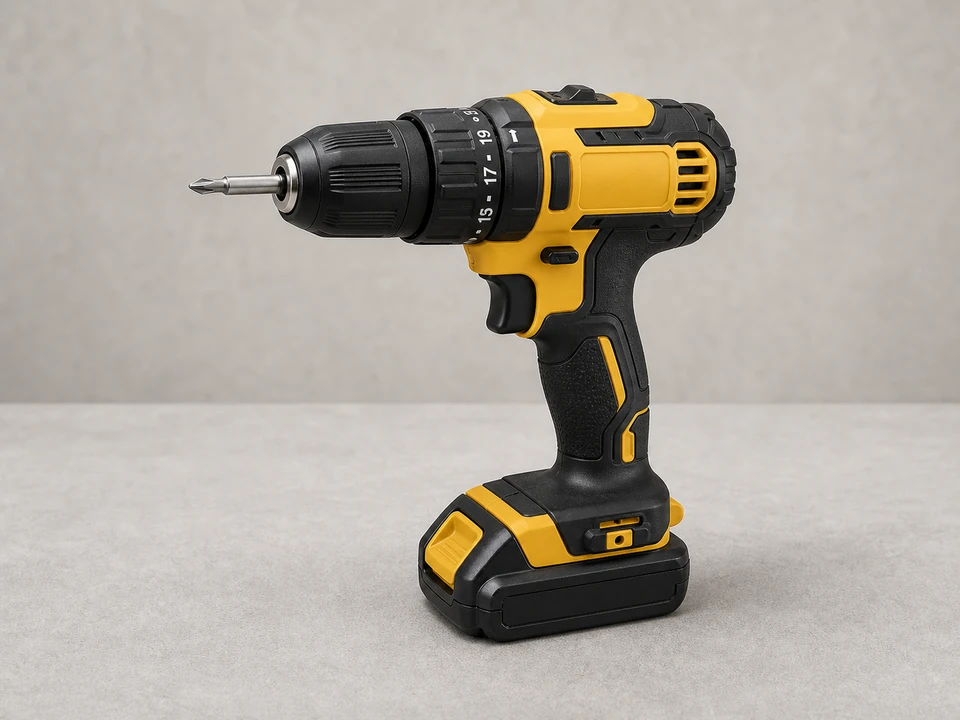
Use it for: To remove old screws and drive the new hanger fastener.
Shop drill drivers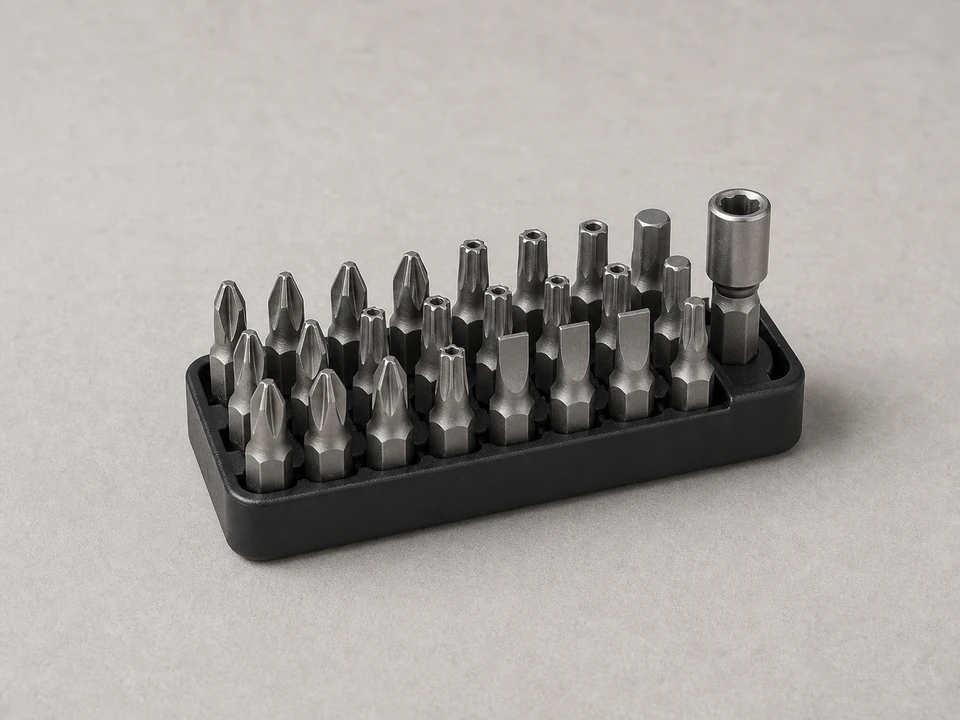
Use it for: To match the screw head on the old and new hanger hardware.
Shop driver bit sets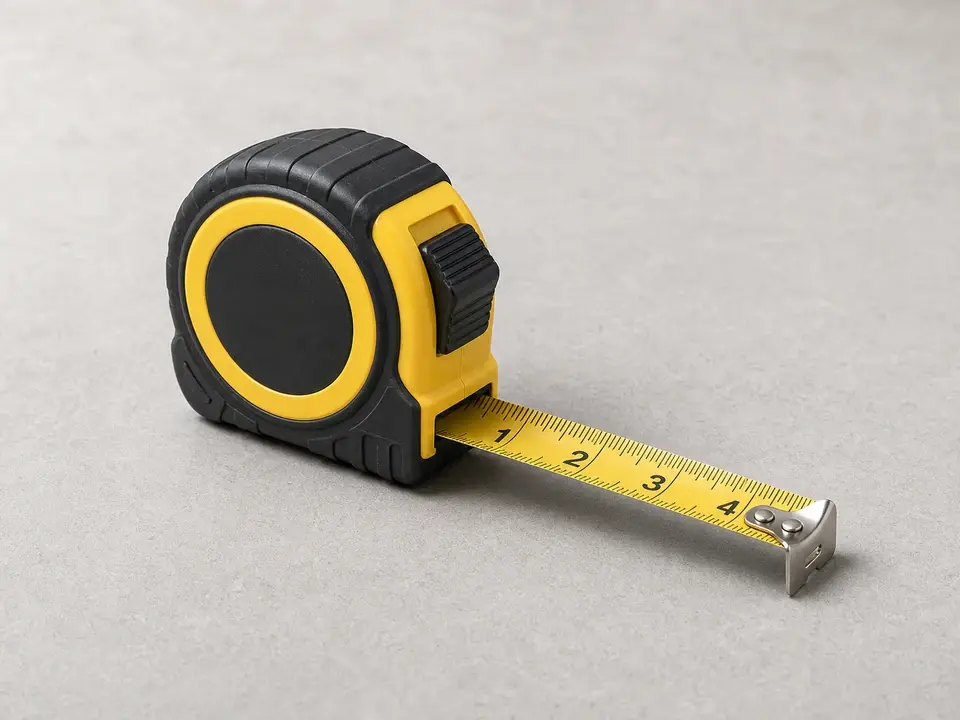
Use it for: To match hanger spacing and place the new support correctly.
Shop tape measures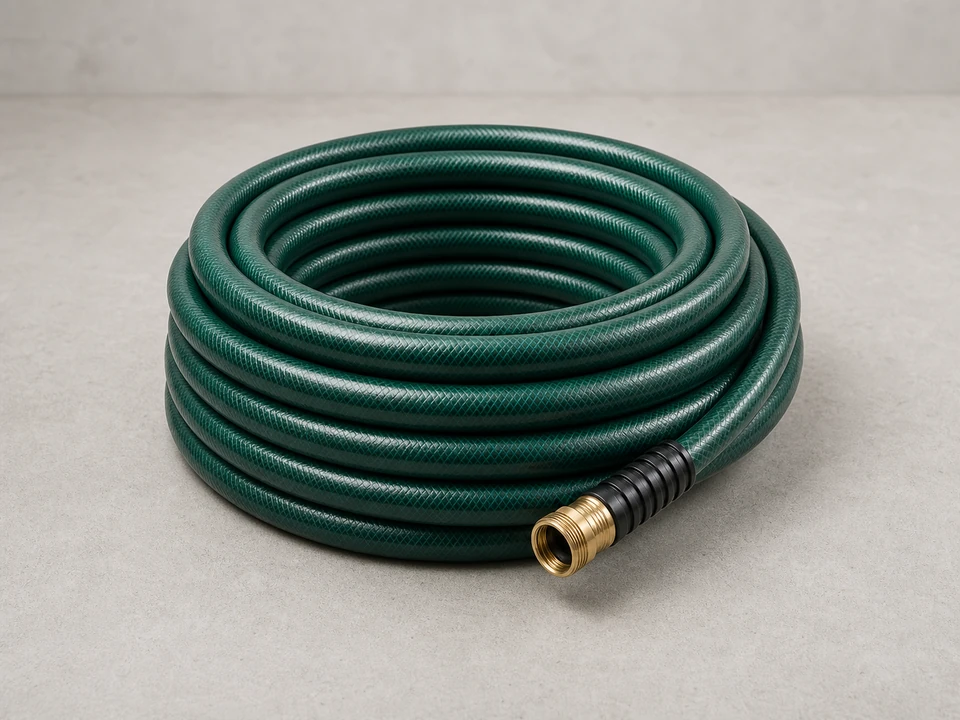
Use it for: To test drainage after the repair.
Shop garden hosesAs an Amazon Associate I earn from qualifying purchases. Repair Riot may earn a commission at no extra cost to you.
If it works: You have identified one failed or loose gutter hanger as the main cause of the sagging section.
If it doesn’t: If the gutter is leaking at a seam, clogged, or twisted along a longer section, address that root problem before replacing the hanger.
If it works: The work area is clean, visible, and safe enough for a controlled repair.
If it doesn’t: If debris is packed tightly through the whole run, clean the gutter first so the repaired section is not immediately overloaded again.
If it works: The failed hanger is out and you can clearly see the gutter edge and mounting surface.
If it doesn’t: If the old fastener spins without backing out, try a different bit, pull gently on the hanger while reversing, or remove the hanger in pieces so you can clear the hole.
If it works: The new hanger is seated correctly and positioned to support the gutter without changing its drainage line.
If it doesn’t: If the replacement does not sit cleanly on the gutter, stop and get a hanger that matches your gutter style instead of forcing it.
If it works: The gutter feels solid at the repaired spot and the sag is corrected or greatly reduced.
If it doesn’t: If the new hanger tightens but the gutter still pulls away, the fascia or nearby hangers likely need repair too.
If it works: The gutter stays supported under water load and drains normally without shifting at the new hanger.
If it doesn’t: If water still pools or the gutter moves under load, inspect the slope, nearby hangers, and fascia condition before calling the repair complete.
Match the replacement part to your exact gutter before ordering.
As an Amazon Associate I earn from qualifying purchases. Repair Riot may earn a commission at no extra cost to you.
If the hanger is bent, cracked, rusted through, or no longer grips the gutter properly, replace the hanger. If the hanger is still in good shape but the fastener simply loosened, you may only need a new fastener into solid material.
Yes, if the rest of the gutter run is solid and properly supported. If several hangers are loose or the gutter is sagging in multiple places, inspect the whole section before stopping at one replacement.
Do not reuse a hole that will not hold securely. Move the new hanger to nearby solid material while keeping the gutter aligned with the neighboring supports.
Yes, at least around the repair area. Removing debris and standing water makes the gutter lighter, easier to support, and less likely to shift when the old hanger comes out.
A new hanger fixes support, not necessarily slope. If water still pools, the gutter may be out of pitch, clogged farther down the run, or missing support at nearby hangers.