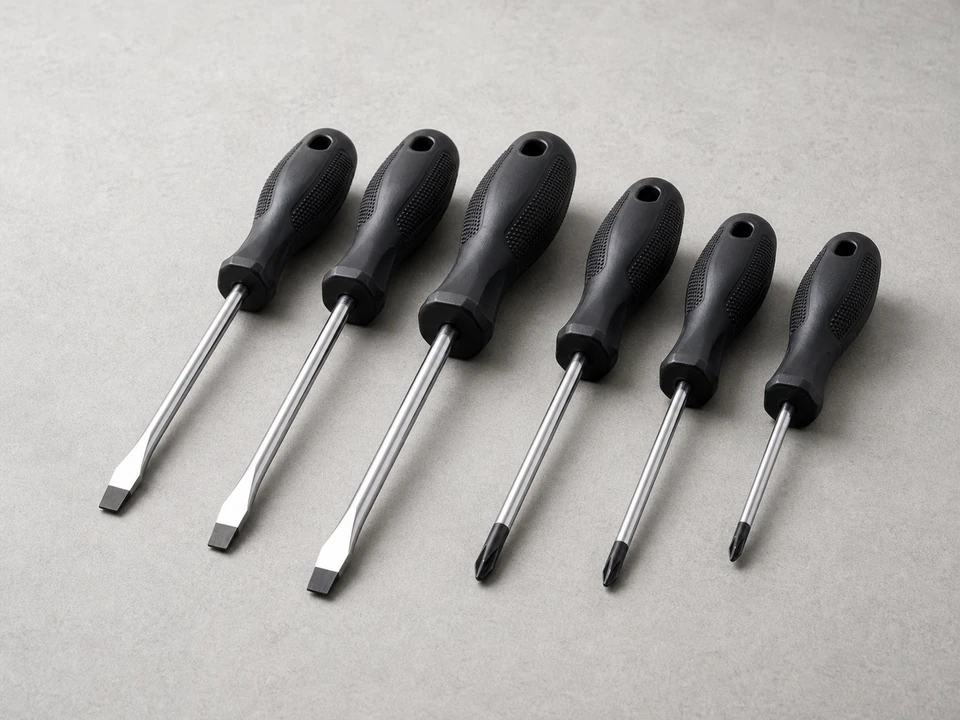
Screwdriver set
Use it for: To remove and tighten connector screws or cover pieces.
Shop screwdriver setsTo replace a handrail connector, first confirm the looseness is coming from the connector joint and not from the wall bracket or post. Then remove the old connector, clean the mating surfaces, install a matching replacement, tighten it securely, and test the rail under firm hand pressure.
A bad handrail connector usually shows up as movement at a joint where two rail sections meet or where the rail ties into another fitting. This repair is straightforward if the rail itself is still sound and the mounting points are solid.
Before you start: Match the size and connection type before ordering.
Use it for: To remove and tighten connector screws or cover pieces.
Shop screwdriver sets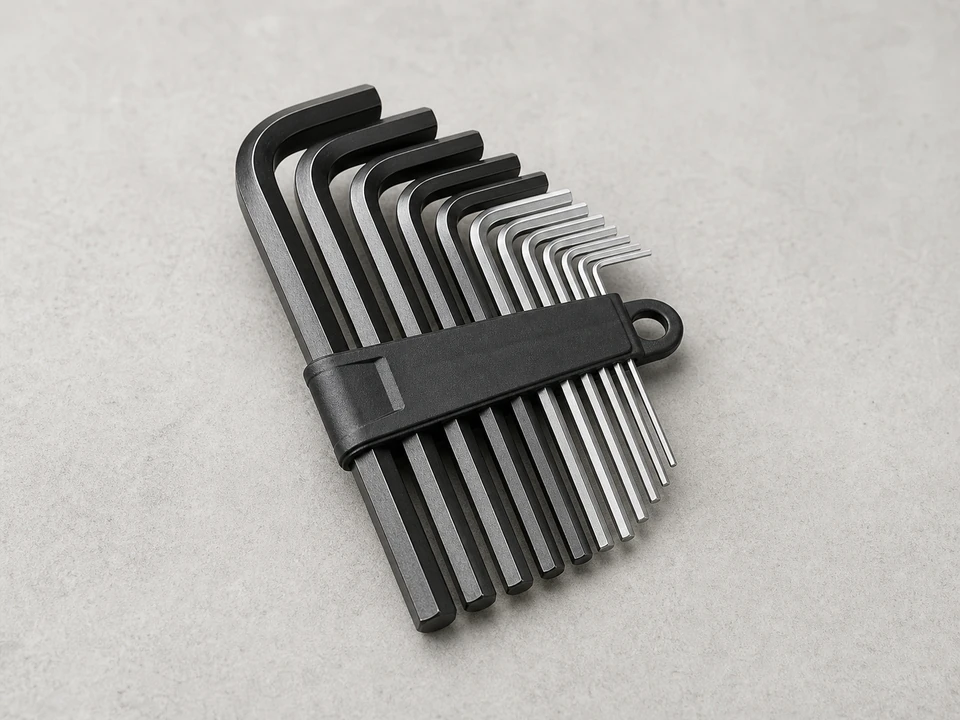
Use it for: Many rail connectors use small set screws that tighten with an Allen key.
Shop hex key sets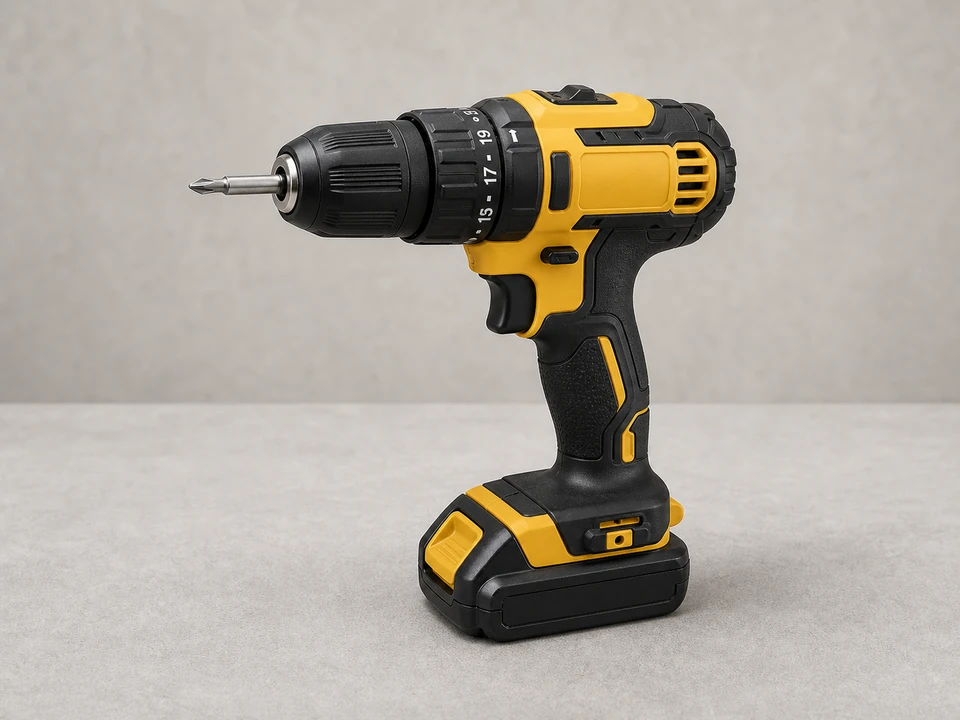
Use it for: Helpful if the connector uses mounting screws or if old screws are stubborn.
Shop drill drivers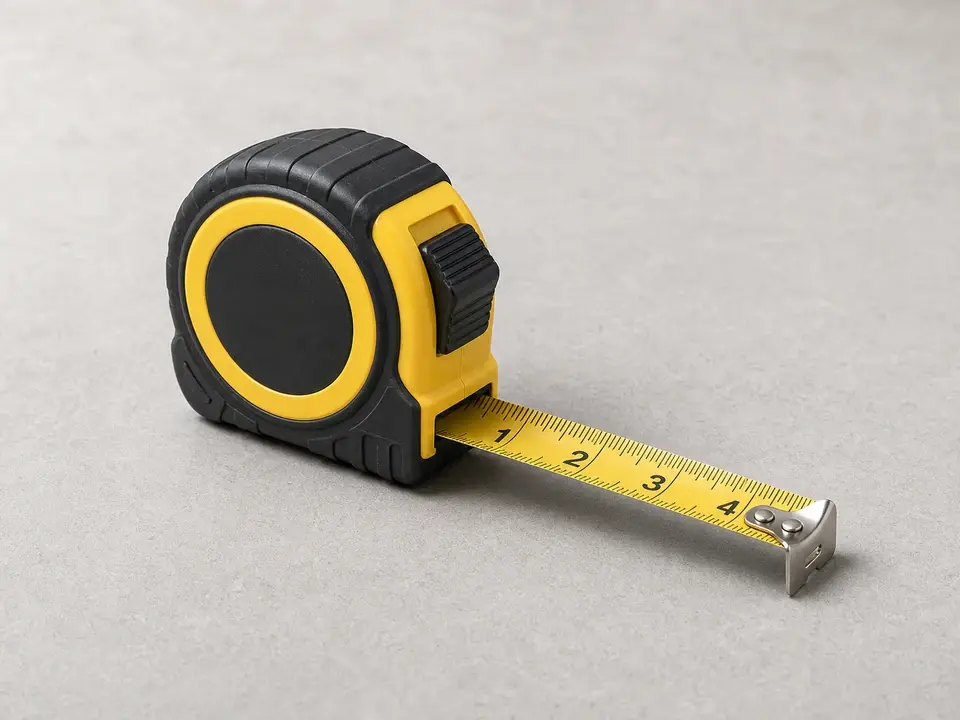
Use it for: To match the connector size and check rail alignment before tightening.
Shop tape measures
Use it for: To wipe away dust, old adhesive, and grime so the new connector seats properly.
Shop cleaning rags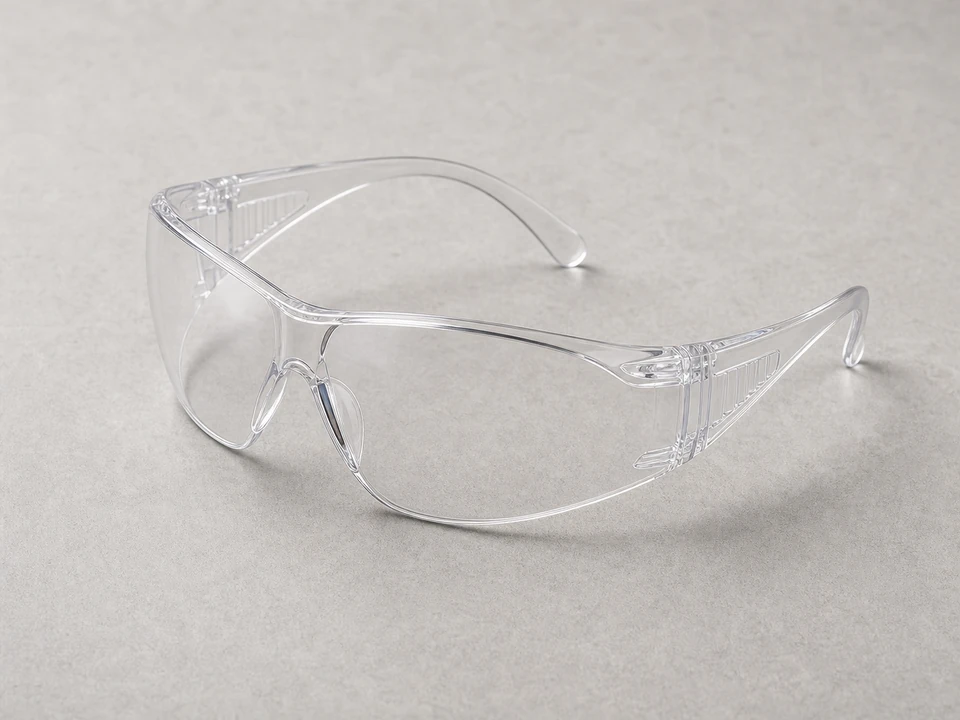
Use it for: To protect your eyes from metal shavings, dust, or falling fasteners.
Shop safety glassesAs an Amazon Associate I earn from qualifying purchases. Repair Riot may earn a commission at no extra cost to you.
If it works: You have traced the movement to the handrail connector itself.
If it doesn’t: If the rail is solid at the connector but loose at a bracket, post, or wall anchor, fix that support instead.
If it works: The work area is clear and the rail is supported so the joint can be opened safely.
If it doesn’t: If you cannot safely support the rail while the connector is removed, pause and arrange help before continuing.
If it works: The old handrail connector is off and the rail ends are accessible.
If it doesn’t: If the connector will not come off, recheck for hidden set screws or trim covers and remove those first.
If it works: The new connector fits the rail correctly and the joint lines up before final installation.
If it doesn’t: If the new connector does not sit flush or the holes do not line up, compare it to the old part and get the correct replacement.
If it works: The new handrail connector is installed and the joint feels tight by hand.
If it doesn’t: If the connector keeps shifting while you tighten it, loosen it, realign the rail sections, and tighten again evenly.
If it works: The handrail stays solid during normal use and the repaired joint does not move.
If it doesn’t: If the joint loosens again, remove the connector and inspect for worn rail ends, stripped holes, or a mismatched replacement part.
Match the size and connection type before ordering.
As an Amazon Associate I earn from qualifying purchases. Repair Riot may earn a commission at no extra cost to you.
Hold the rail near the loose spot and watch where the movement starts. If the joint itself opens, twists, or clicks, the connector is likely the problem. If the whole rail moves at the wall or post, check the bracket or mounting hardware first.
You can if they are the correct size and the threads are still in good shape, but worn or stripped fasteners are a common reason a joint loosens again. Replace damaged fasteners when needed.
Not always. Many connectors are designed to hold with screws or set screws alone. If the old setup used adhesive, clean the surfaces first and follow the replacement connector's intended fastening method rather than guessing.
That usually means the rail ends, mounting holes, bracket, or post are worn or damaged. The connector may not be the only failed part, so inspect the surrounding support points before tightening it again.
Usually yes, if the rail is otherwise sound and you can safely support it during the repair. If the rail is pulling away from the wall, the post is loose, or the wood is split, it is better to stop and repair the larger structural issue first.