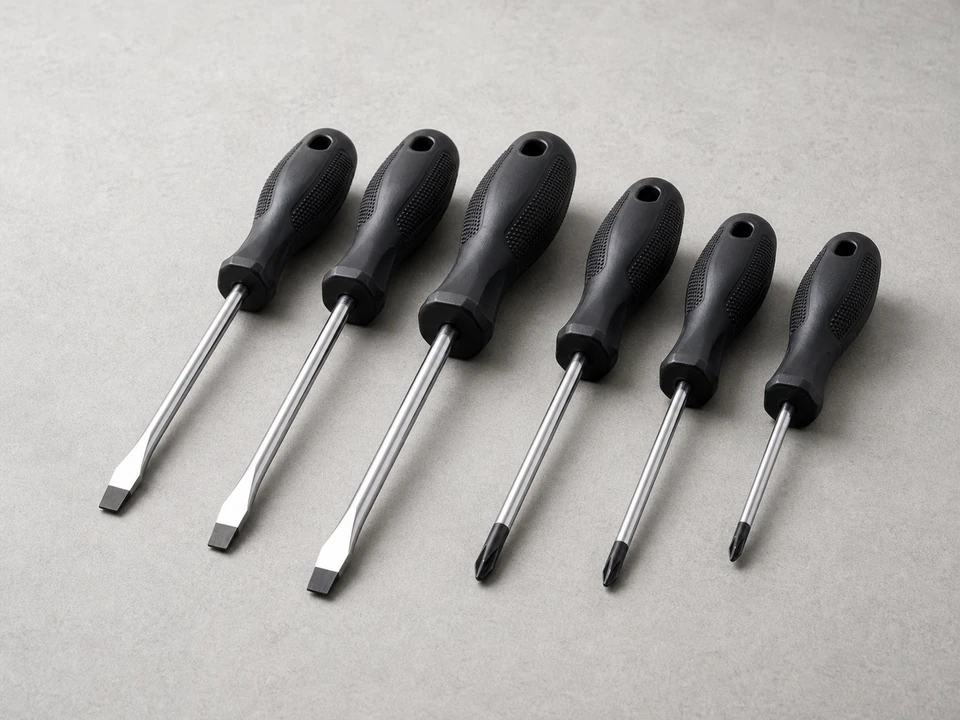
Screwdriver set
Use it for: To remove trim screws, connector screws, or cover plates around the joint.
Shop screwdriver setsIf the handrail is loose where it meets the newel post, replacing the stair handrail to newel connector kit is often the right fix. The job usually involves removing the old connector hardware, tightening the joint back into alignment, and installing a matching replacement kit.
This repair is worth doing as soon as the connection starts moving. A loose handrail joint tends to get worse with daily use, and the rail can stop giving reliable support right where people grab it most.
Before you start: Match the handrail profile, bolt length, and connection style before ordering so the new kit seats fully in both the rail and the newel.
Use it for: To remove trim screws, connector screws, or cover plates around the joint.
Shop screwdriver sets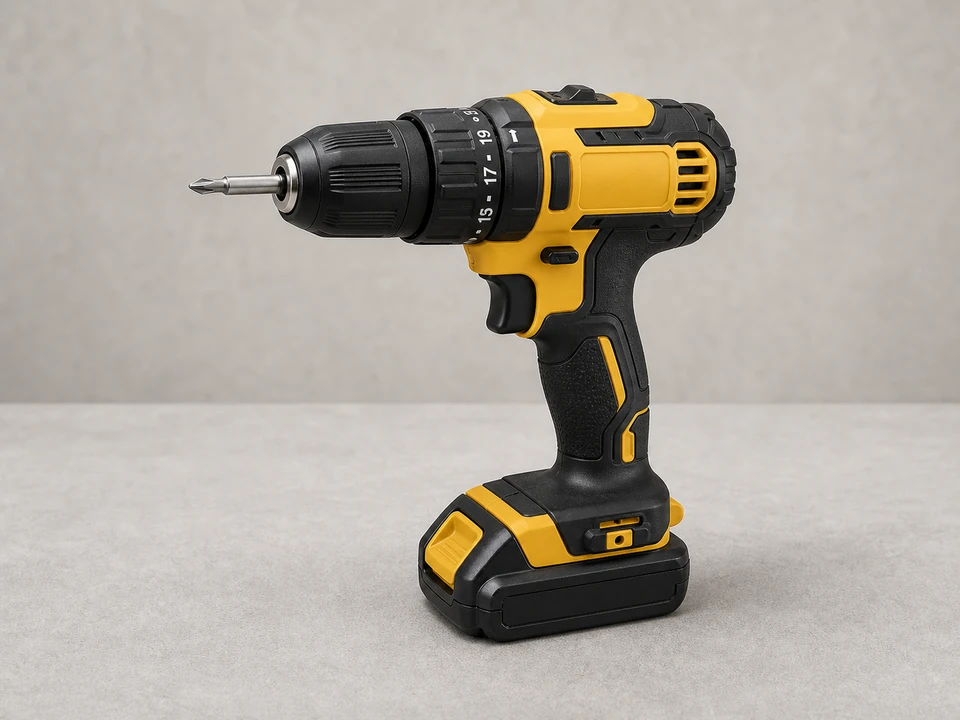
Use it for: To drive new fasteners and back out stubborn old hardware.
Shop drill/drivers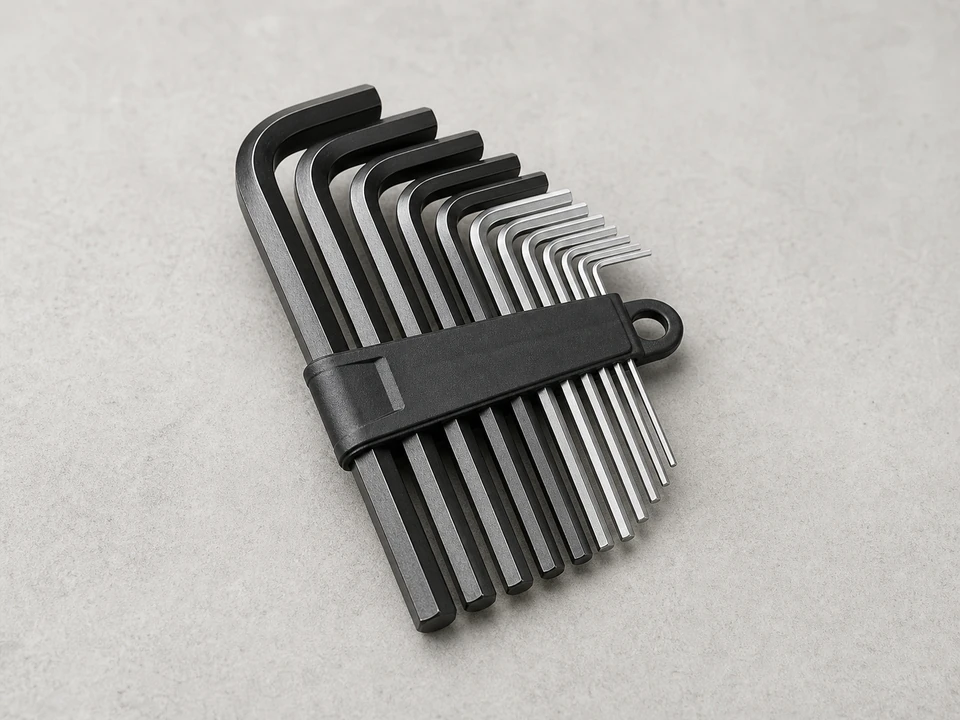
Use it for: Many connector kits use an Allen-head bolt or set screw.
Shop hex key sets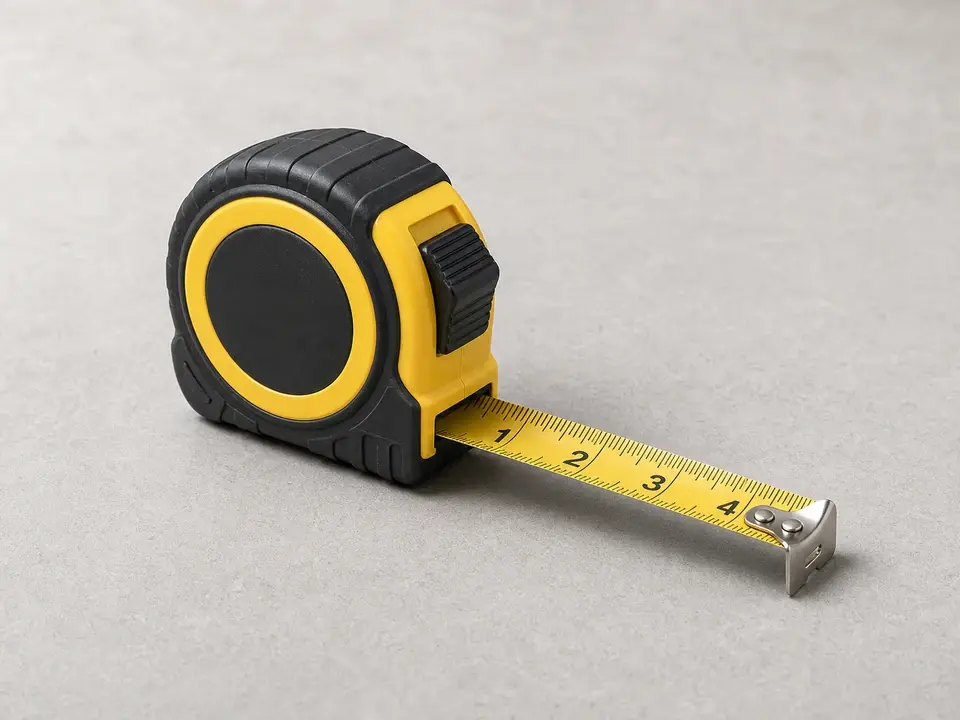
Use it for: To compare the old connector size and check rail alignment before tightening.
Shop tape measures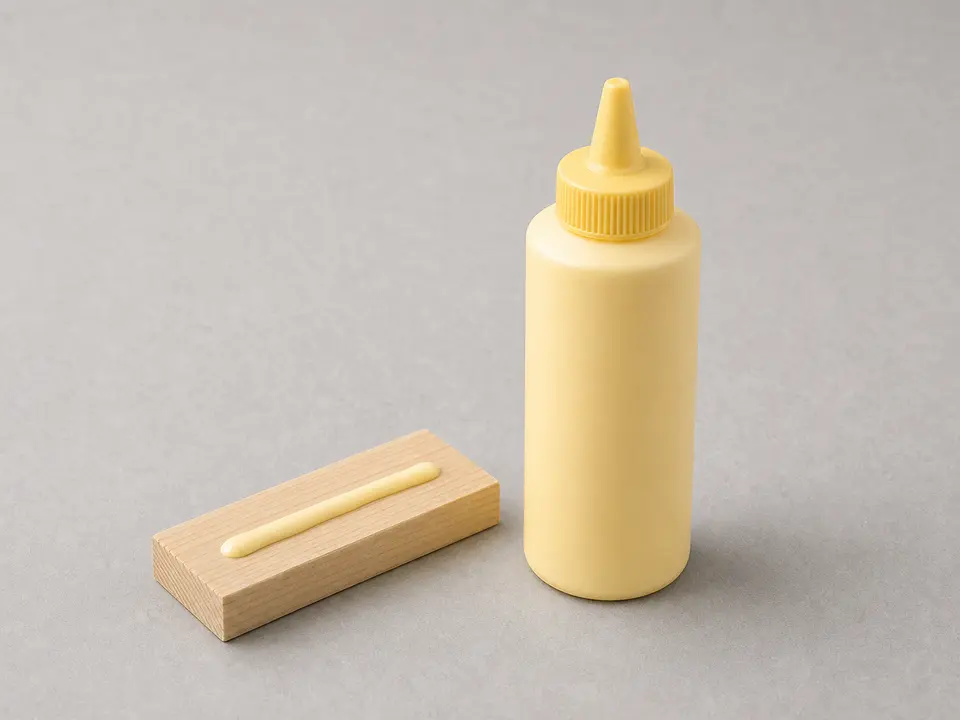
Use it for: Useful if the old screw holes are slightly worn and need light reinforcement around wood plugs or trim.
Shop wood glue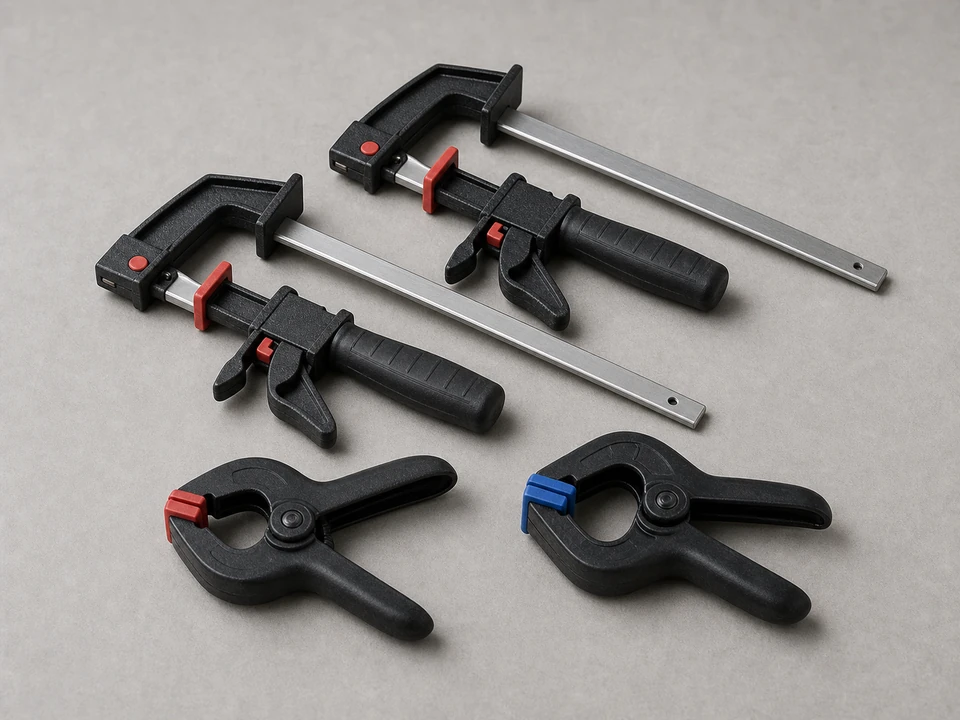
Use it for: To hold the handrail in position while you start and tighten the new connector.
Shop clampsAs an Amazon Associate I earn from qualifying purchases. Repair Riot may earn a commission at no extra cost to you.
If it works: You confirmed the looseness is centered at the handrail-to-newel connection and the connector kit is a reasonable repair path.
If it doesn’t: If the rail is solid at the newel but loose elsewhere, repair the loose bracket, baluster, or post instead of replacing this connector kit.
If it works: The joint is exposed, the handrail is supported, and you can reach the old connector hardware clearly.
If it doesn’t: If trim will not come off without splintering, score paint or caulk lines lightly and work it loose a little at a time.
If it works: The old connector kit is out and the joint surfaces are clean enough for the new hardware to seat properly.
If it doesn’t: If a screw spins without backing out, pull gentle outward pressure on the rail or hardware while reversing the fastener to help it catch and release.
If it works: The new connector fits the joint and the handrail sits in its normal position with good alignment.
If it doesn’t: If the fit is close but not exact, recheck the kit size and connection style before drilling or tightening anything permanently.
If it works: The handrail is firmly attached to the newel and the joint looks tight and even.
If it doesn’t: If the joint still shifts while tightening, back off, realign the rail, and confirm the hardware is bearing on solid wood rather than stripped holes or trim.
If it works: The handrail stays solid during real use and the connection remains tight after repeated loading.
If it doesn’t: If the joint loosens again, the connector may not be the only issue and the rail end, newel, or mounting structure likely needs a more involved repair.
Match the handrail profile, bolt length, and connection style before ordering so the new kit seats fully in both the rail and the newel.
As an Amazon Associate I earn from qualifying purchases. Repair Riot may earn a commission at no extra cost to you.
Hold the newel post and the handrail separately while you test for movement. If the post stays still but the rail shifts at the joint, the connector kit is the likely problem. If the whole post moves, fix the post anchoring first.
Sometimes yes, but only if the hardware is intact and the wood still holds it firmly. If the bolt is bent, the screws are stripped, or the joint loosens again quickly, replacement is the better fix.
Usually the connector hardware does the main work. Wood glue can help with minor trim pieces or lightly worn wood around plugs, but it is not a substitute for solid hardware and sound wood.
If the damage is minor, you may be able to reposition the fasteners into solid wood or reinforce the area lightly. If the holes are badly blown out or the wood is cracked, the connection needs more than a simple connector replacement.
No. The replacement needs to match the rail size, connection style, and hardware length closely enough to pull the joint together without forcing it out of alignment.