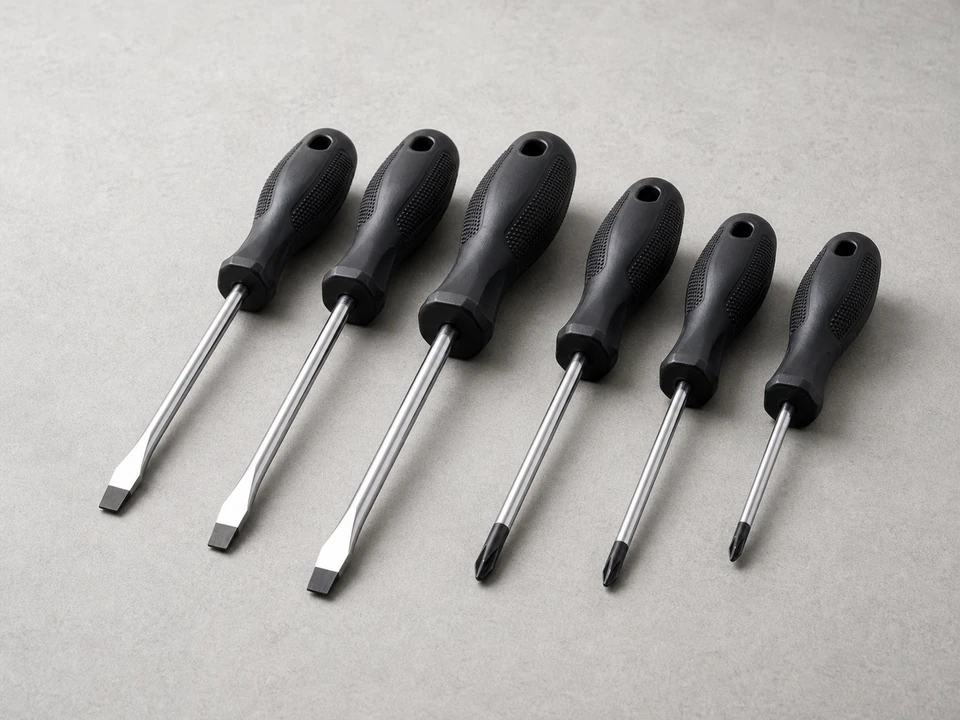
Screwdriver set
Use it for: To remove the old connector screws and install the new hardware.
Shop screwdriver setsTo replace a stair railing connector kit, first confirm the looseness is coming from the connector joint, then remove the old hardware, install the matching replacement, tighten it firmly, and test the railing under normal hand pressure.
This is a manageable repair when the rail and post are still sound and the problem is a worn, bent, cracked, or stripped connector. Work carefully because a weak stair railing is a fall hazard, and stop if you uncover split wood, rusted-through metal, or movement in the post itself.
Before you start: Match the rail shape, angle, finish, and screw hole pattern before ordering so the new connector fits your railing and post.
Use it for: To remove the old connector screws and install the new hardware.
Shop screwdriver sets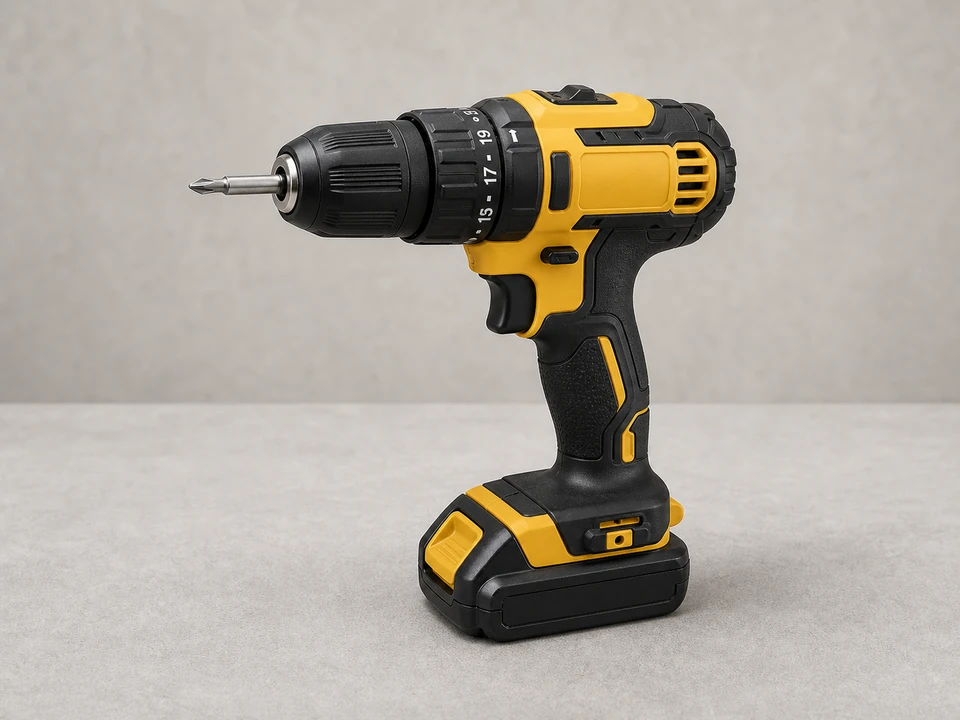
Use it for: To drive screws cleanly and make pilot holes if the new kit needs them.
Shop drill/drivers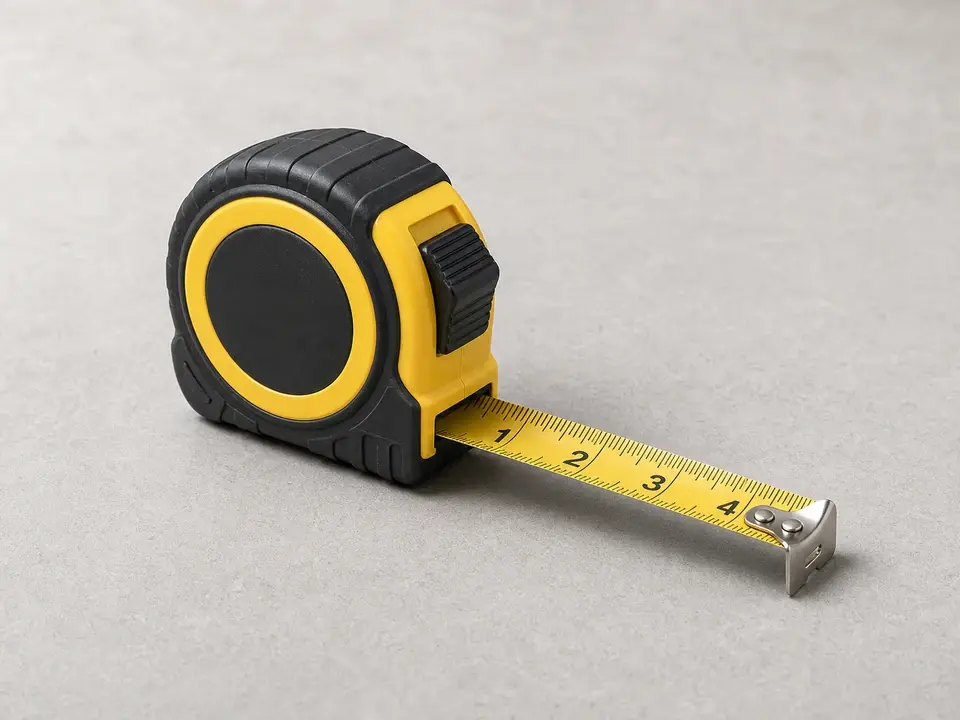
Use it for: To check rail width, connector spacing, and hole locations before installing the new kit.
Shop tape measures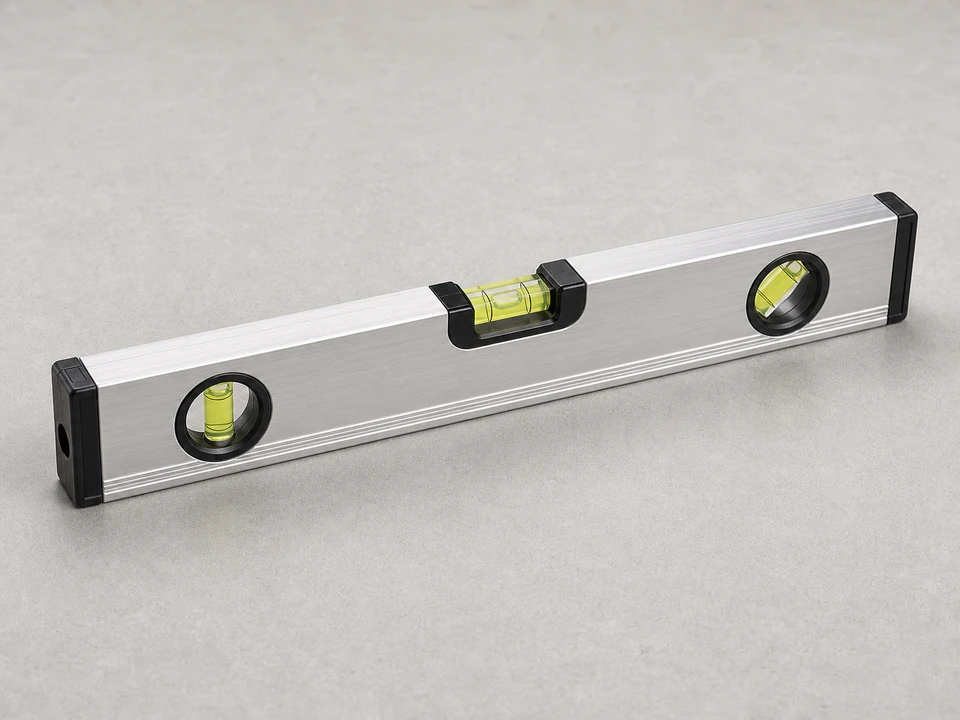
Use it for: To keep the rail aligned while you tighten the new connector.
Shop small levels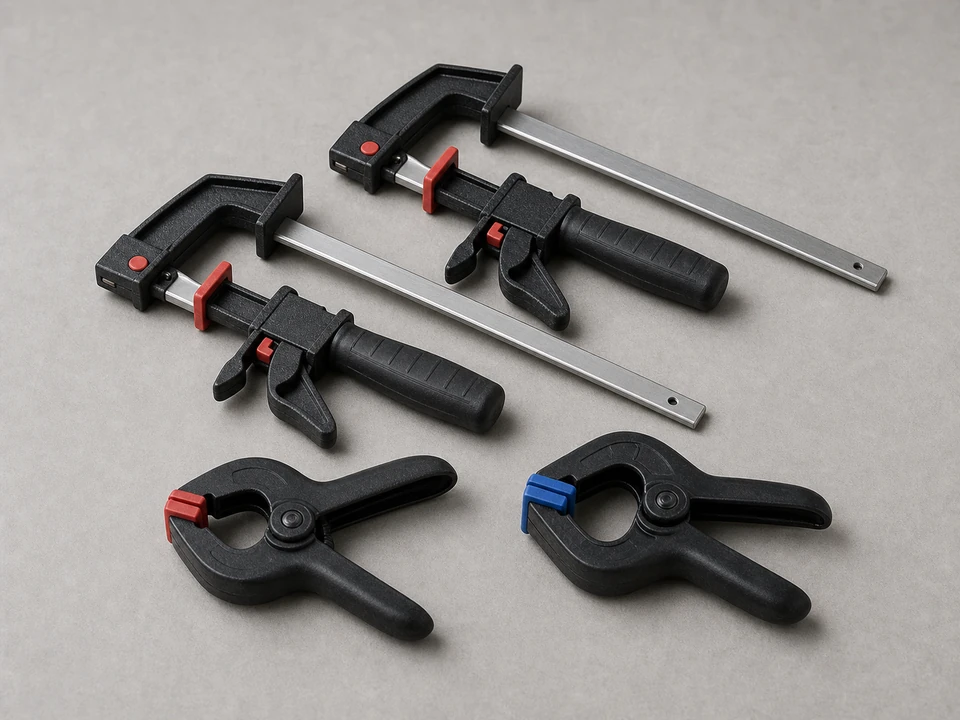
Use it for: To hold the rail in position while the connector is being replaced.
Shop clamps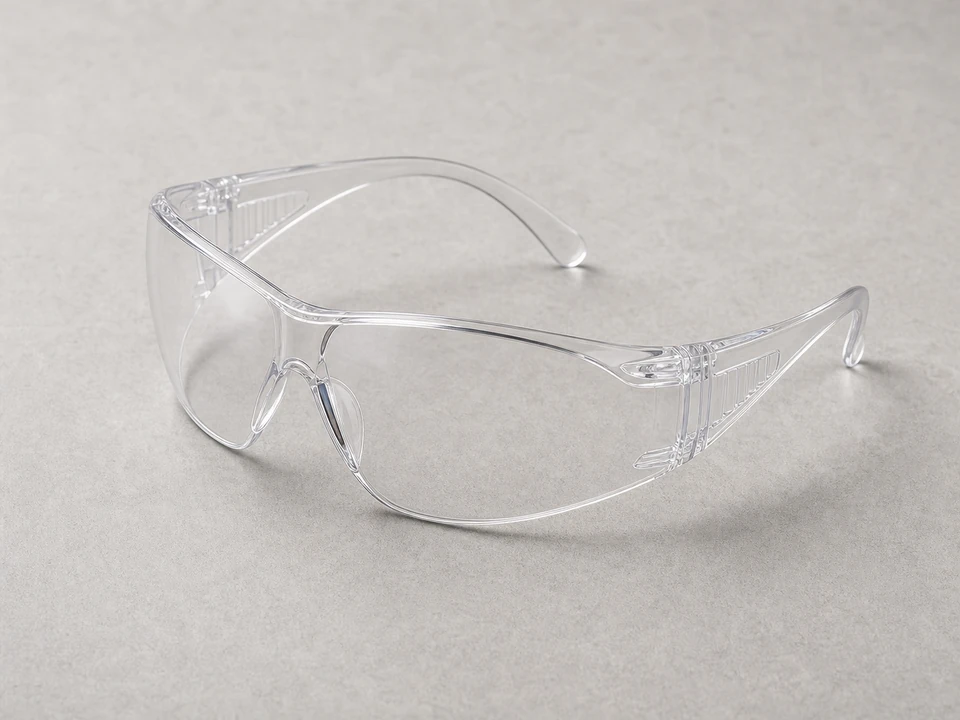
Use it for: To protect your eyes from metal shavings, dust, and slipping bits.
Shop safety glassesAs an Amazon Associate I earn from qualifying purchases. Repair Riot may earn a commission at no extra cost to you.
If it works: You have confirmed the looseness is coming from the connector hardware, not from a failing post or damaged rail.
If it doesn’t: If the post moves at the floor or the rail itself is split, fix that larger structural problem before replacing the connector kit.
If it works: The old connector kit is off and the rail is still supported and aligned well enough for refitting.
If it doesn’t: If a screw will not back out, try a better-fitting bit and steady pressure before moving to the next step.
If it works: The mounting area is clean, solid, and ready for the new connector kit.
If it doesn’t: If the old holes are stripped but the surrounding material is sound, shift to fresh pilot hole locations allowed by the new connector.
If it works: The new connector kit is installed evenly and the rail sits in its normal position without obvious twist or gap.
If it doesn’t: If the connector shifts while tightening, loosen it slightly, realign the rail, and tighten again in small steps.
If it works: The joint looks clean, the connector is fully seated, and the railing is ready for a load test.
If it doesn’t: If a small gap remains, loosen the hardware, pull the rail into alignment, and retighten evenly.
If it works: The railing feels solid in normal use, the connector stays tight, and the joint no longer shifts under hand pressure.
If it doesn’t: If the joint loosens again, the root problem is likely stripped mounting material, a damaged rail, or a loose post that needs a larger repair.
Match the rail shape, angle, finish, and screw hole pattern before ordering so the new connector fits your railing and post.
As an Amazon Associate I earn from qualifying purchases. Repair Riot may earn a commission at no extra cost to you.
Watch the railing while you push on it. If the movement starts at the connector joint, the kit is likely the issue. If the whole post moves at the floor or wall, the post anchoring needs repair first.
It is usually better to use the hardware that comes with the new kit if it fits your railing material and connection style. Old screws may be worn, bent, or the wrong length for the new connector.
If the surrounding material is still solid, you can often use fresh pilot hole locations that fit the new connector. If the wood is split or too soft to hold screws, the repair needs more than a connector replacement.
You need a connector that matches the rail shape, angle, and mounting style closely enough to sit flat and pull the joint tight. A close visual match is not enough if the hole pattern or connection geometry is wrong.
Usually no. The connector should hold mechanically with the correct hardware and solid mounting material. Glue or filler will not make a weak post or stripped connection reliably safe.