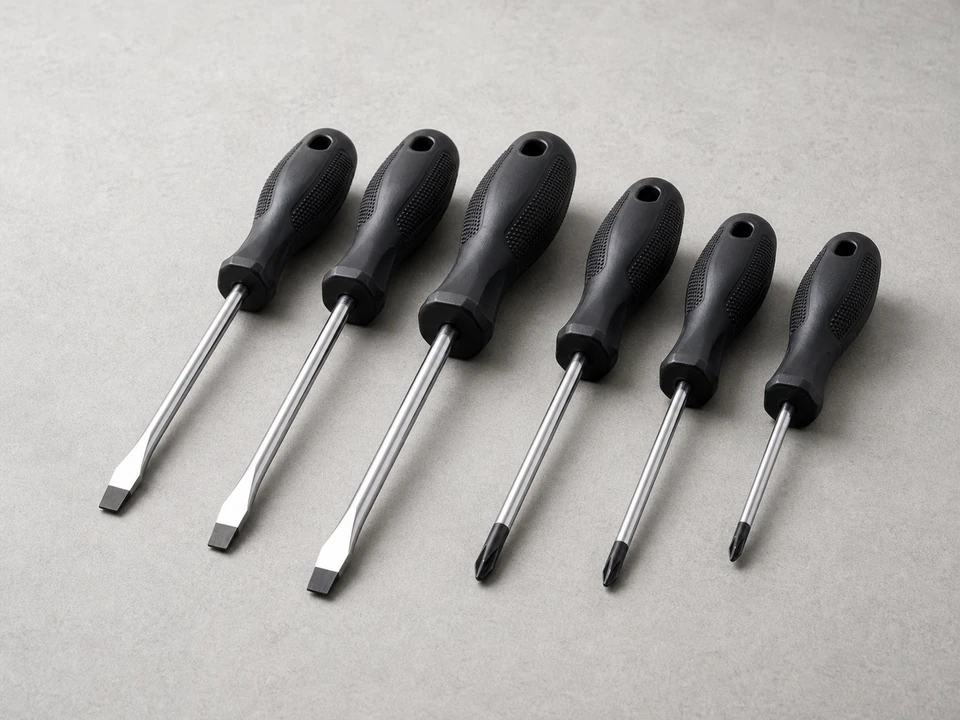
Screwdriver set
Use it for: To remove and reinstall connector screws if the fitting is mechanically fastened.
Shop screwdriver setsTo replace a stair baluster connector, first confirm the connector is the loose or broken part, then remove the baluster, swap in a matching connector, and reinstall everything so the baluster sits tight without wobble.
This is usually a manageable repair when the railing itself is sound and only one connector has failed. Work slowly, support the baluster as you remove it, and stop if you find split wood, stripped mounting points, or a railing that moves beyond the connector area.
Before you start: Match the baluster shape, connector size, mounting style, and finish before ordering.
Use it for: To remove and reinstall connector screws if the fitting is mechanically fastened.
Shop screwdriver sets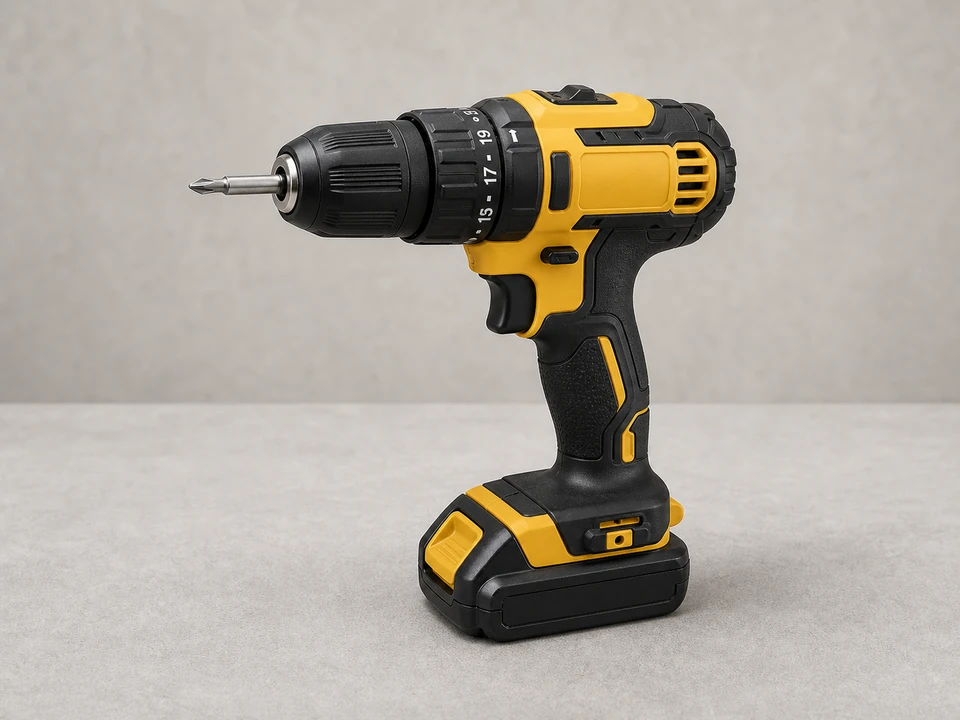
Use it for: To drive screws cleanly and make pilot holes if needed.
Shop drill/drivers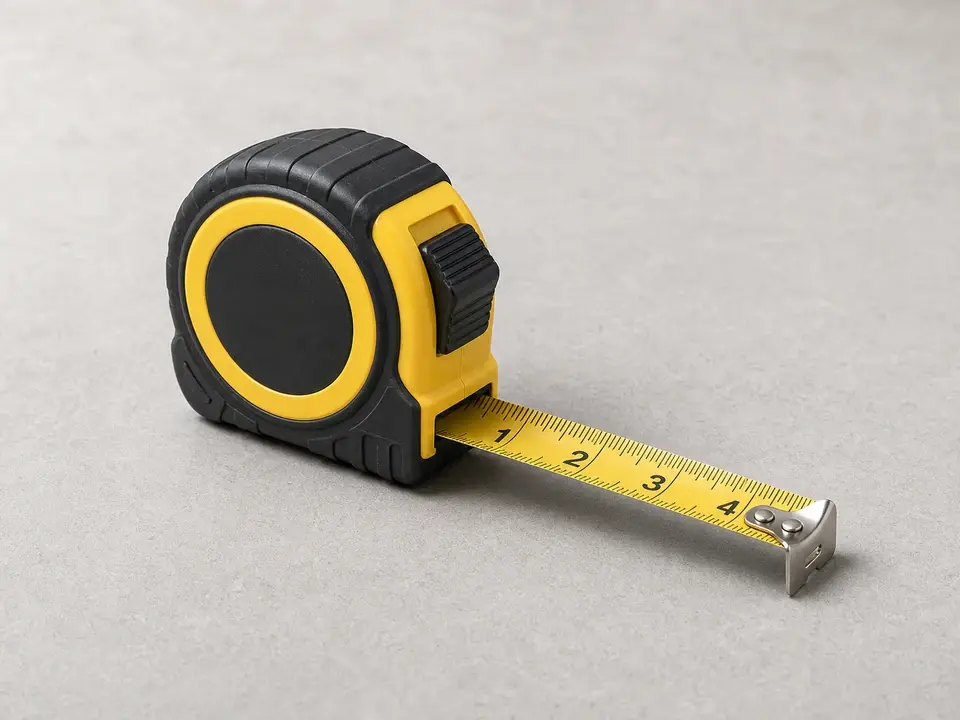
Use it for: To match the replacement connector size and check baluster spacing before reinstalling.
Shop tape measures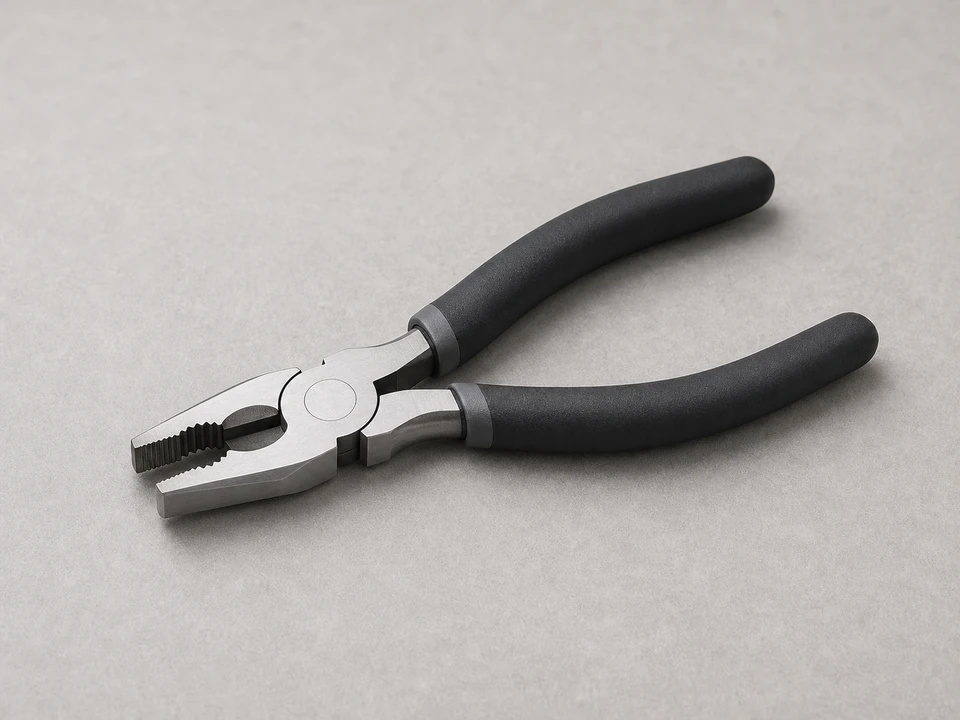
Use it for: To pull stubborn fasteners or help free a connector without twisting the baluster.
Shop pliers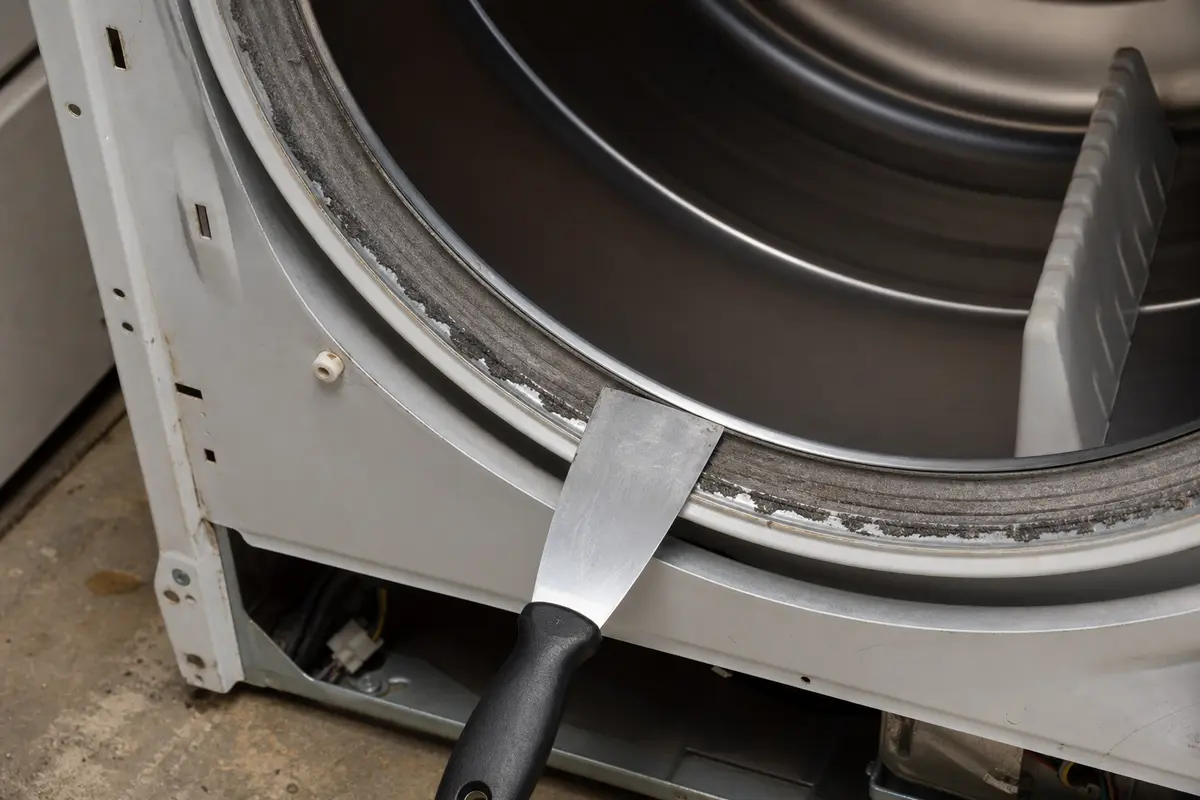
Use it for: To gently separate trim, adhesive, or paint buildup around the connector.
Shop putty knives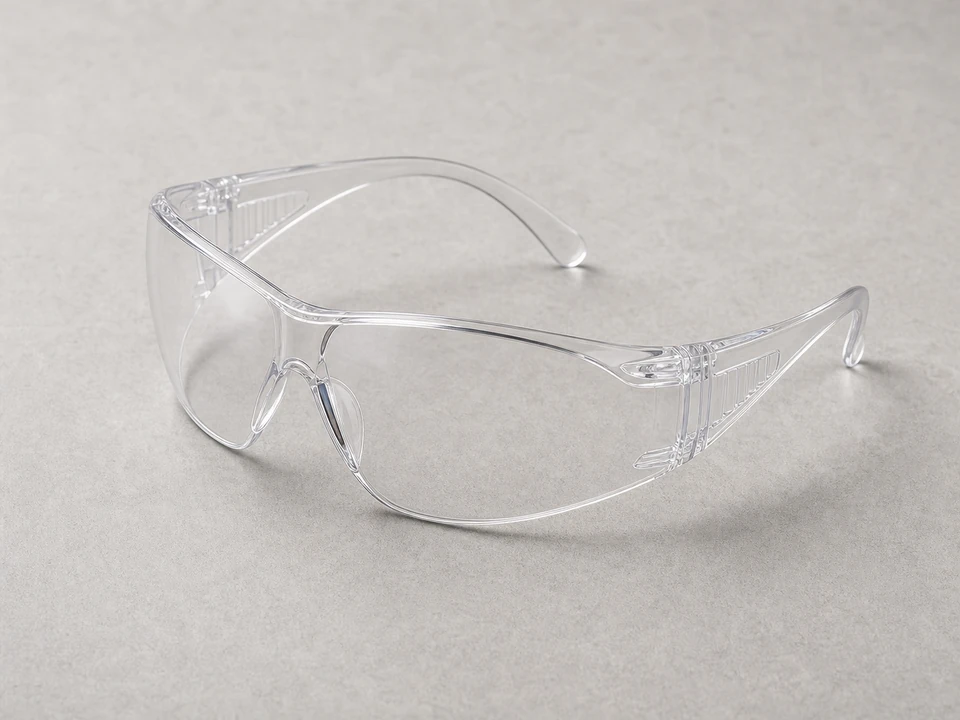
Use it for: To protect your eyes from metal fragments, dust, or old fasteners.
Shop safety glassesAs an Amazon Associate I earn from qualifying purchases. Repair Riot may earn a commission at no extra cost to you.
If it works: You have identified one failed or loose stair baluster connector and the surrounding railing appears otherwise solid.
If it doesn’t: If the whole rail moves, multiple balusters are loose, or the mounting surface is damaged, shift from connector replacement to a broader railing repair.
If it works: The baluster is out without bending it or damaging the surrounding railing parts.
If it doesn’t: If the baluster will not release, check again for hidden screws, finish buildup, or a second connector point still holding it.
If it works: The old connector is gone and the mounting surface is clean, flat, and ready for the replacement.
If it doesn’t: If the old holes are enlarged or weak, move the fastener slightly if the connector design allows, or repair the mounting area before reinstalling.
If it works: The new connector is mounted firmly and lines up with the baluster opening or attachment point.
If it doesn’t: If the connector shifts or will not sit flat, remove it and correct the alignment before going further.
If it works: The baluster is back in place, aligned with the others, and feels secure by hand.
If it doesn’t: If the baluster still leans or wiggles, loosen it, realign the connector and baluster together, and retighten evenly.
If it works: The baluster stays tight during normal use and the repaired section feels consistent with the rest of the railing.
If it doesn’t: If movement returns, the root problem is likely a damaged mounting surface or a larger railing issue that needs a more involved repair.
Match the baluster shape, connector size, mounting style, and finish before ordering.
As an Amazon Associate I earn from qualifying purchases. Repair Riot may earn a commission at no extra cost to you.
Watch the exact point where the movement starts. If the baluster moves at one fitting but the rail and newel stay solid, the connector is a likely cause. If the whole rail shifts, the problem is bigger than one connector.
Sometimes a loose fastener is the only issue, but if the connector is cracked, bent, worn, or no longer holds tightly, replacement is the better fix. Reusing a damaged fitting usually leads to more wobble.
You need a connector that matches the baluster size, shape, angle, and mounting method closely enough to hold it securely. A close visual match is not enough if the fit or attachment style is wrong.
That usually means the mounting surface needs repair before the new connector will hold. If the connector design allows, you may be able to shift to a fresh fastening point, but badly damaged wood or trim should be repaired first.
If nearby connectors are the same age and already loosening, it can make sense to inspect and replace them while you have tools out. At minimum, check the adjacent balusters so you do not miss another weak connection.