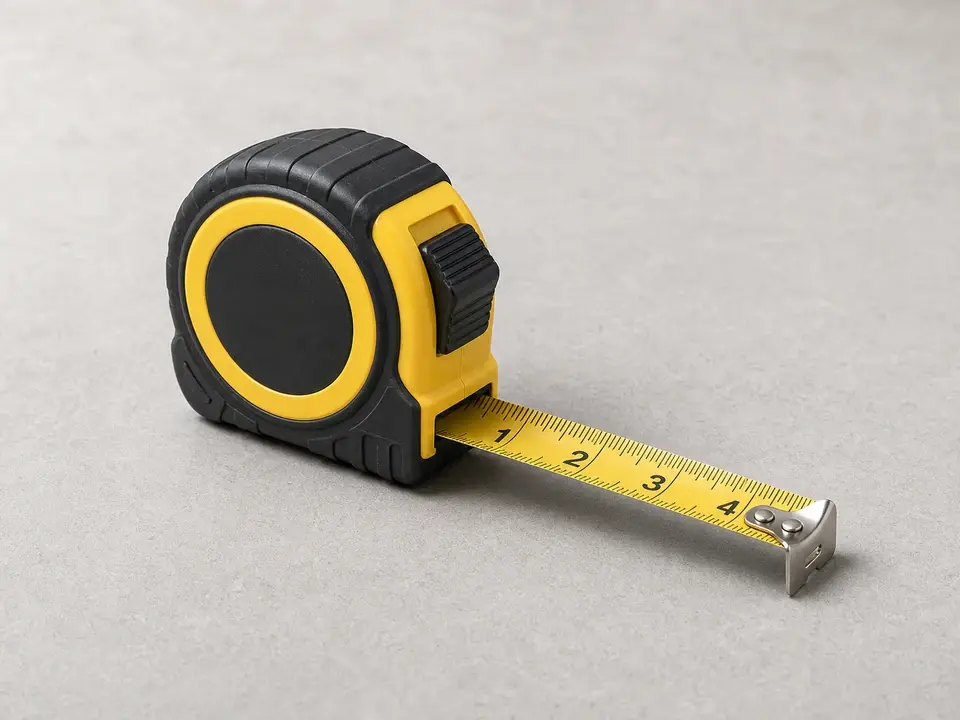
Tape measure
Use it for: To match the baluster length, width, and spacing before you buy or trim the replacement.
Shop tape measuresTo replace a stair baluster, first confirm the baluster itself is damaged and the rail and tread are still sound. Then remove the old baluster, clean out the mounting points, trim or fit the new piece to match, and fasten it so the railing feels tight and even.
This repair is usually manageable for a careful homeowner if the damage is limited to one loose, split, or broken baluster. The goal is not just to swap the piece, but to restore the railing so it stays solid when people actually use the stairs.
Before you start: Match the replacement part to your exact stairs railing before ordering.
Use it for: To match the baluster length, width, and spacing before you buy or trim the replacement.
Shop tape measures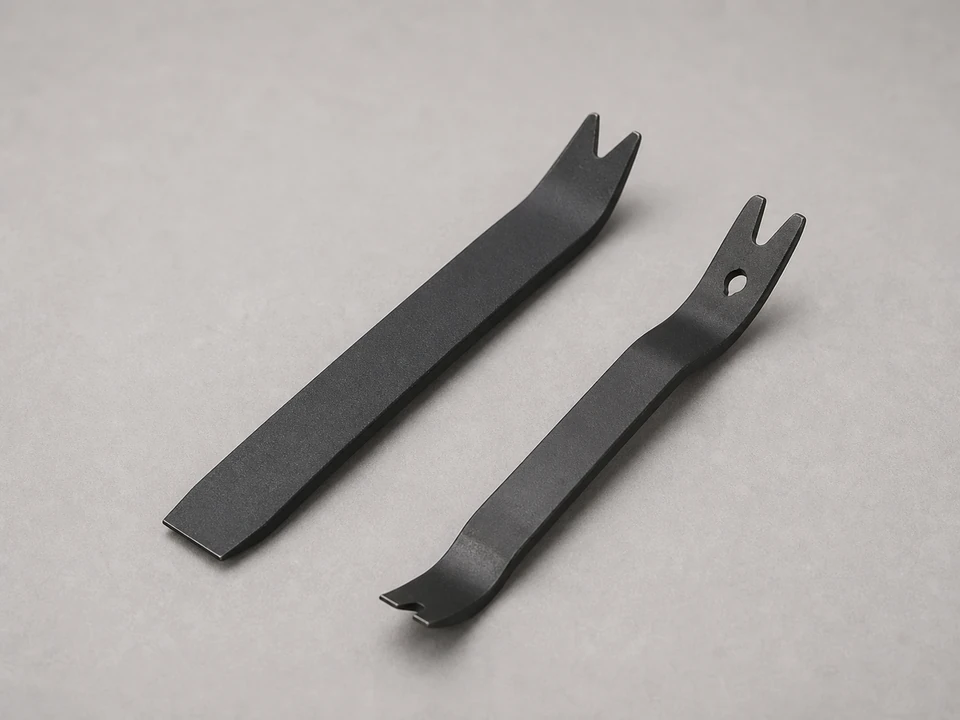
Use it for: To loosen the old baluster without tearing up the tread, shoe rail, or handrail trim more than necessary.
Shop trim pullers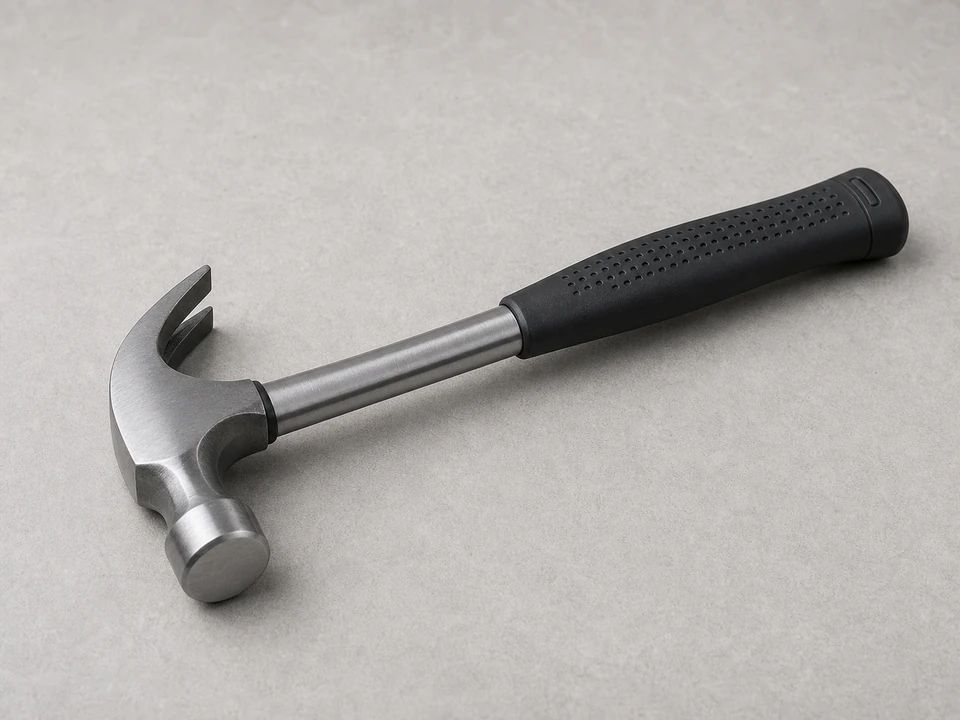
Use it for: To tap loose fasteners, help remove the old piece, and seat the new baluster gently.
Shop hammers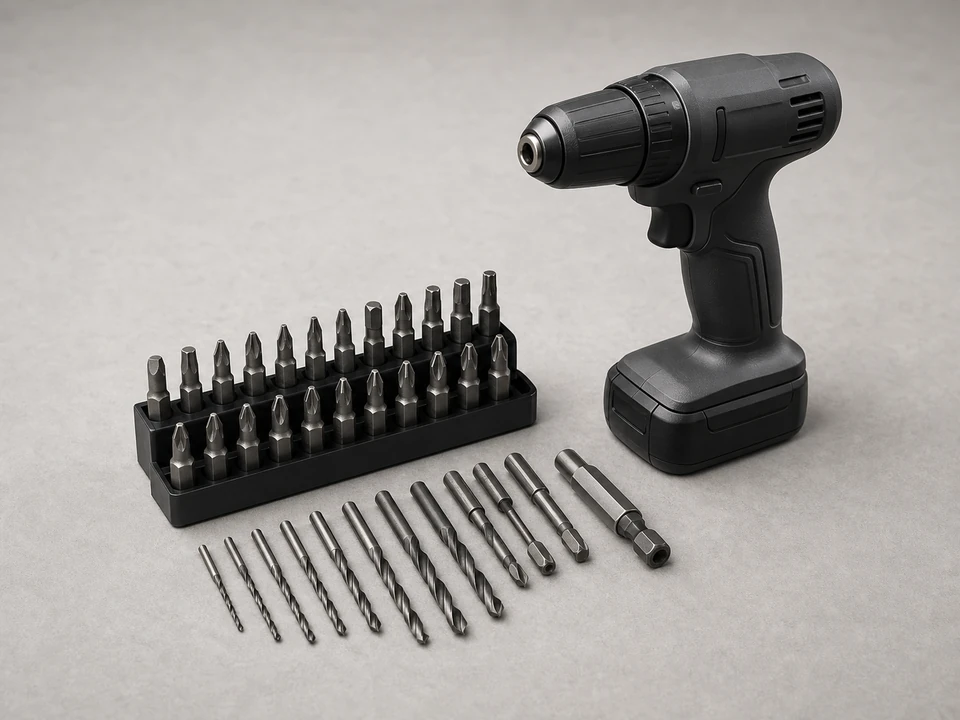
Use it for: To remove screws, predrill pilot holes, or drive new fasteners if your baluster uses them.
Shop drill driver kits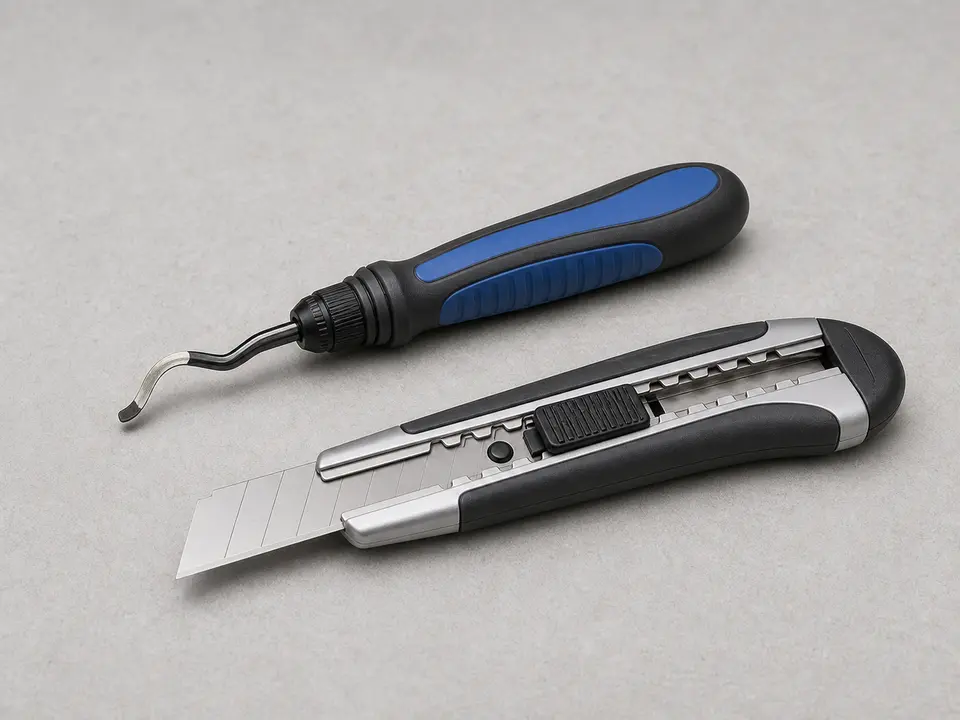
Use it for: To cut paint, adhesive, or filler around the old baluster and clean the opening for the new one.
Shop chisels and utility knives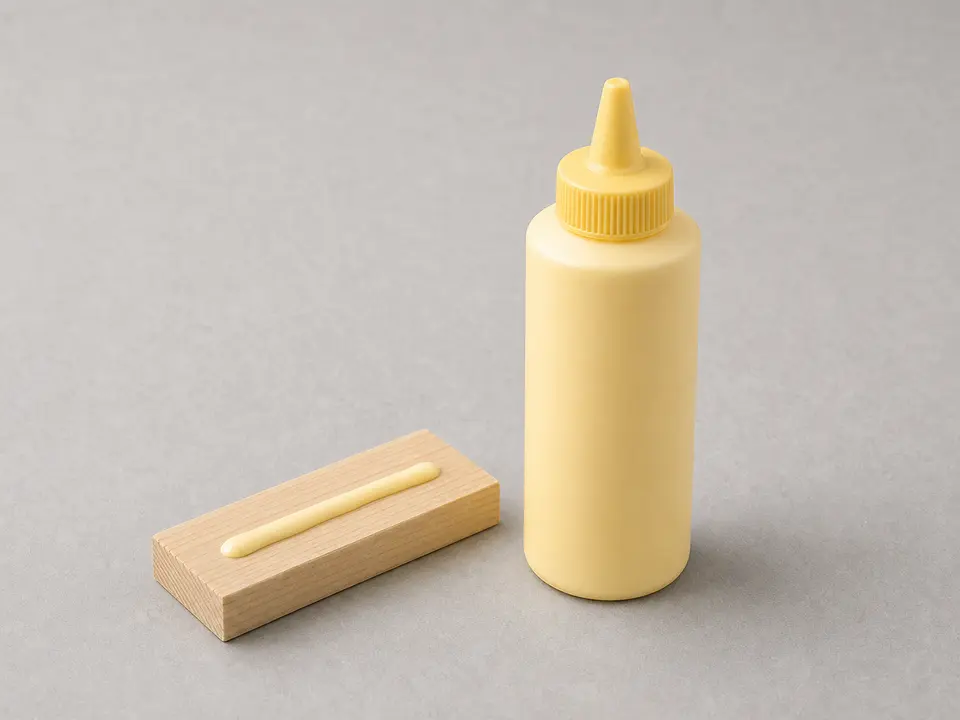
Use it for: To help secure a wood baluster in its socket when that matches the original installation method.
Shop wood adhesive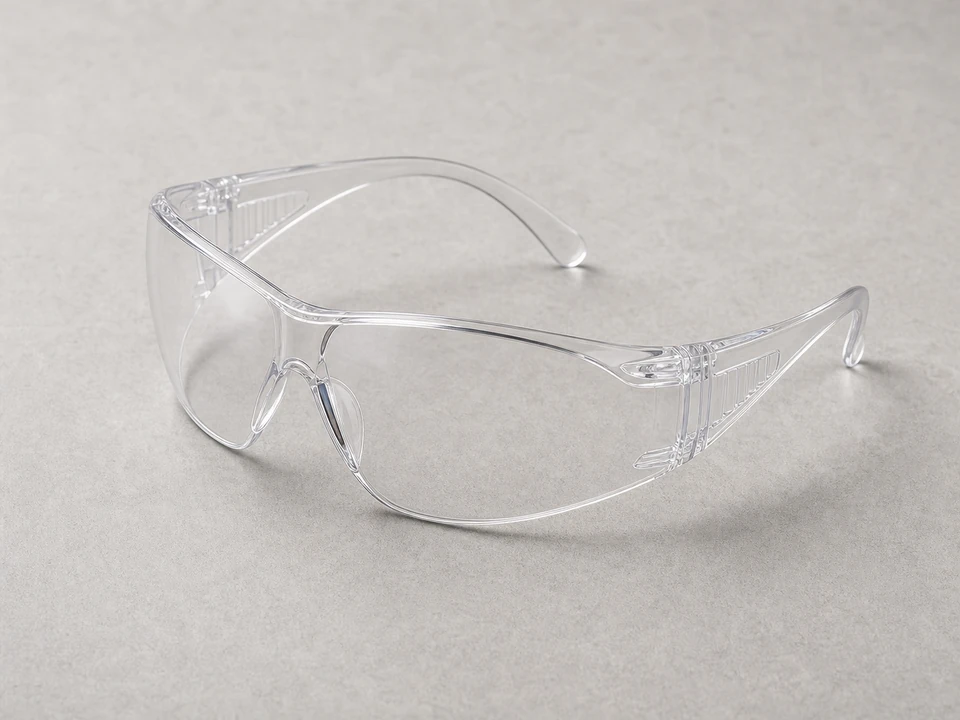
Use it for: To protect your eyes from wood chips, old fasteners, and brittle trim pieces during removal.
Shop safety glassesAs an Amazon Associate I earn from qualifying purchases. Repair Riot may earn a commission at no extra cost to you.
If it works: You know the baluster is the failed part, and you have the basic measurements needed to match it.
If it doesn’t: If the handrail, newel post, tread, or landing framing is loose instead, fix that root problem before replacing the baluster.
If it works: The old baluster is out, or loose enough to remove without forcing the surrounding railing apart.
If it doesn’t: If the baluster will not come free, look again for hidden fasteners, finish nails, or adhesive before prying harder.
If it works: The openings are clean, solid, and ready for a test fit.
If it doesn’t: If the new baluster rocks because the opening is damaged or oversized, repair the mounting area before installation so the baluster is not carrying load loosely.
If it works: The new baluster fits cleanly, sits in line with the others, and reaches both connection points without forcing.
If it doesn’t: If the replacement does not match the profile or cannot be fitted without large gaps, exchange it for a closer match before installing it permanently.
If it works: The baluster is firmly attached, aligned with the rest of the railing, and does not shift by hand.
If it doesn’t: If the baluster still moves, remove it before the adhesive sets and correct the fit or fastening method rather than hoping finish trim will hold it.
If it works: The railing feels solid in normal use, the new baluster stays tight, and the repair blends in with the rest of the stairs.
If it doesn’t: If the baluster loosens again after testing, the mounting points or nearby rail parts likely need repair, not just another replacement baluster.
Match the replacement part to your exact stairs railing before ordering.
As an Amazon Associate I earn from qualifying purchases. Repair Riot may earn a commission at no extra cost to you.
Yes, if the rest of the railing is sound and the damage is limited to that one piece. If several balusters are loose or the handrail moves, the problem is bigger than a single replacement.
That depends on how the original baluster was installed. Many repairs use the same basic method as the original, sometimes with a small amount of adhesive plus nails or screws for a tighter hold.
Measure the old baluster's length, width, thickness, and shape at both ends. Bring the old piece or clear photos with measurements when shopping so the replacement fits the railing style and mounting points.
Repair that mounting area first. A new baluster will not stay secure if the surrounding wood is split, rotten, or too worn to hold fasteners or adhesive.
It is best not to. Once a baluster is removed, the railing has an open section and may not be safe to grab or lean on until the replacement is installed and tested.