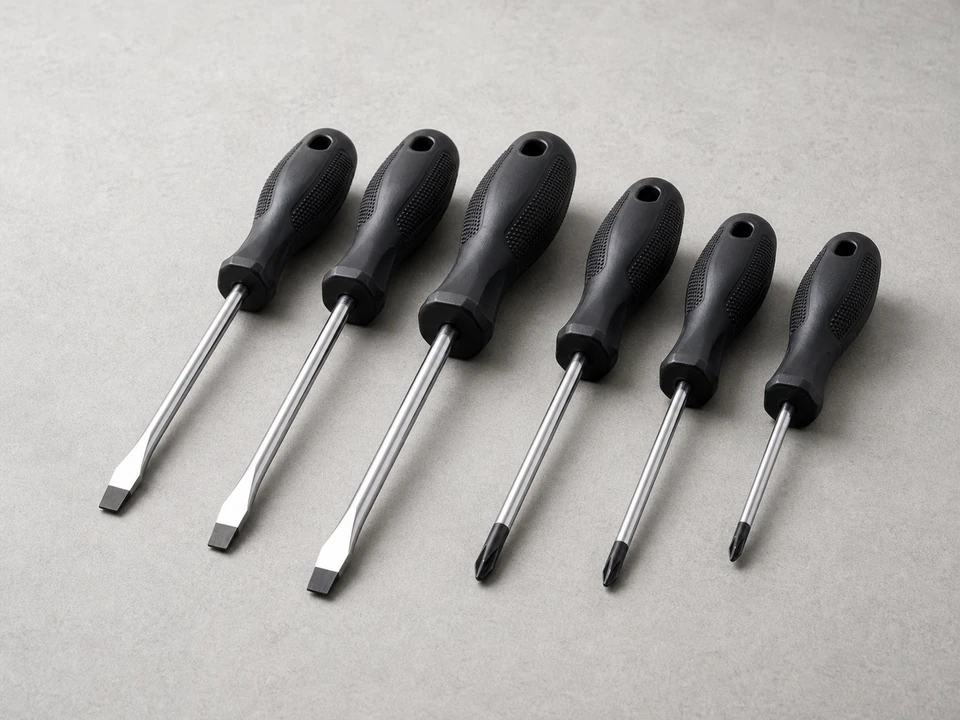
Screwdriver set
Use it for: Removes and reinstalls connector screws or cover plates.
Shop screwdriver setsTo replace a stair handrail connector, first confirm the looseness is coming from the connector itself, then remove the old fitting, install a matching replacement, tighten it securely, and test the rail under normal hand pressure.
A bad handrail connector can make the rail feel loose even when the wall brackets and posts are still solid. This repair is usually straightforward if the rail itself is not split and the mounting points are still sound.
Before you start: Match the size and connection type before ordering.
Use it for: Removes and reinstalls connector screws or cover plates.
Shop screwdriver sets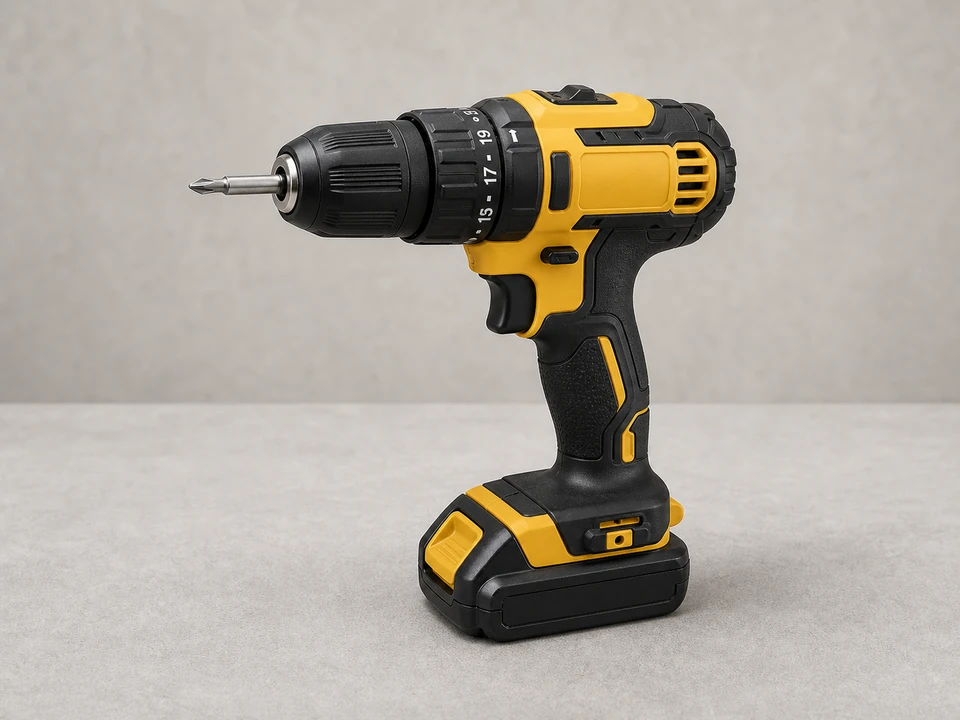
Use it for: Drives screws cleanly and helps with pilot holes if needed.
Shop drill/drivers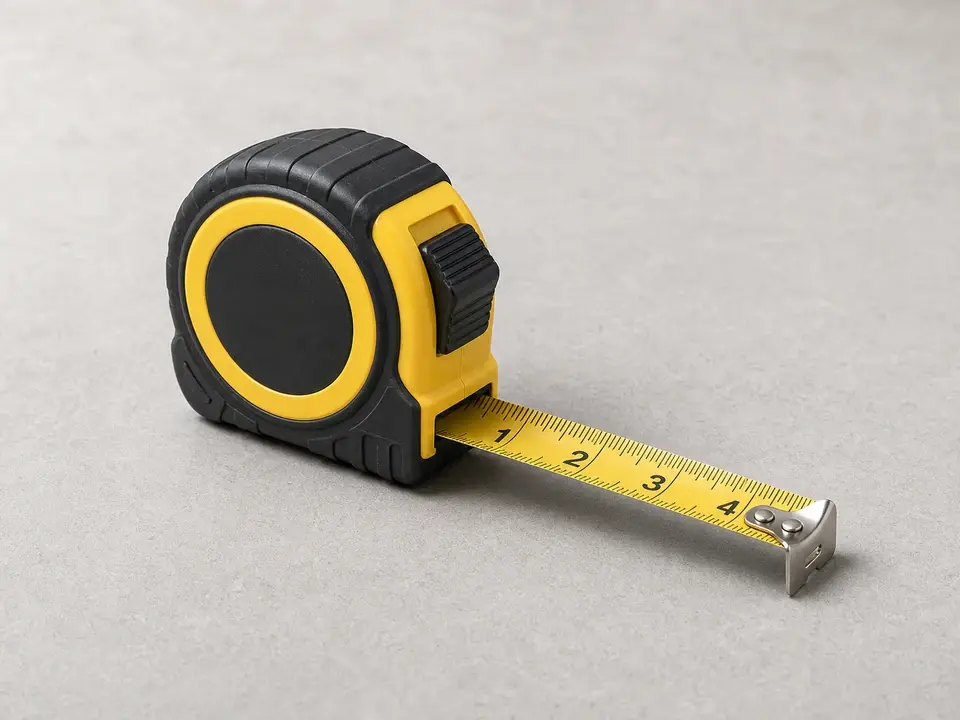
Use it for: Checks connector size and spacing before you buy the replacement.
Shop tape measures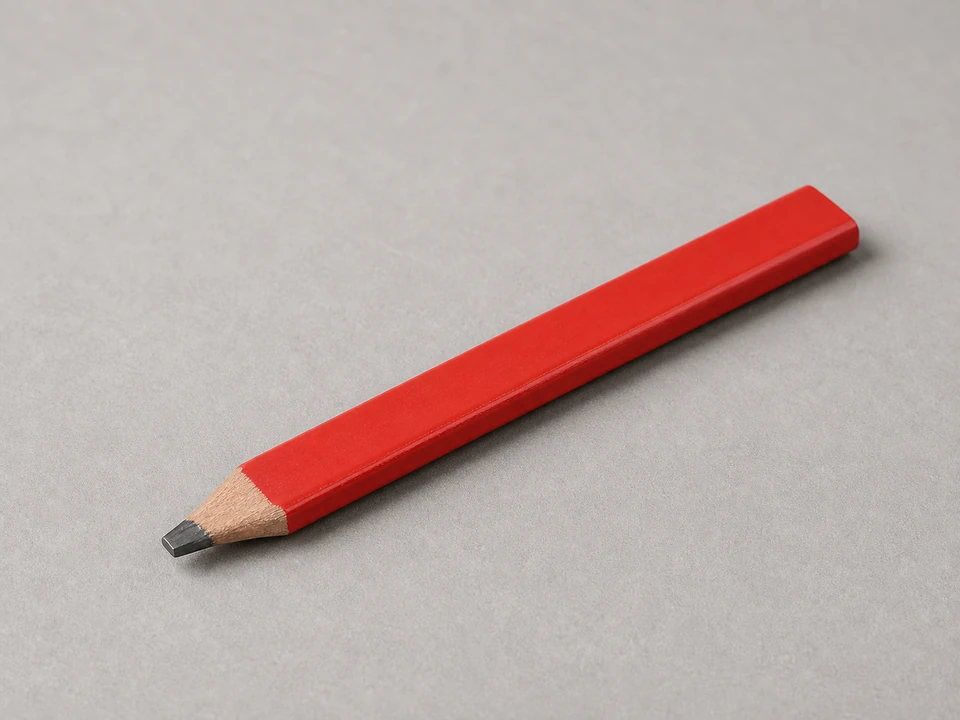
Use it for: Marks alignment so the new connector goes back in the right position.
Shop carpenter pencils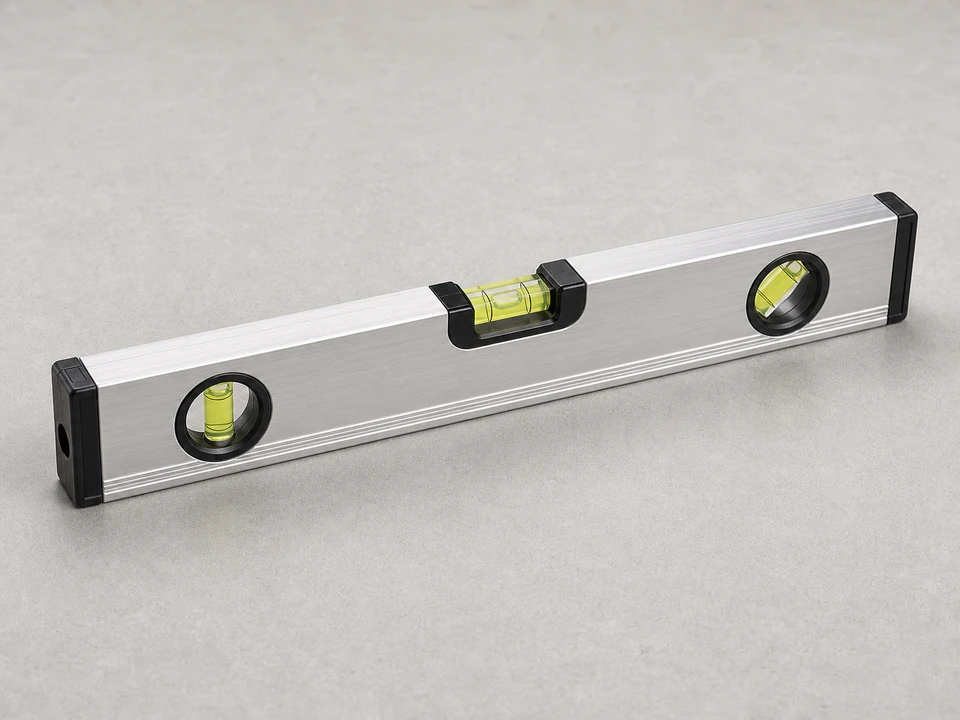
Use it for: Helps keep the handrail aligned while you tighten the new connector.
Shop small levels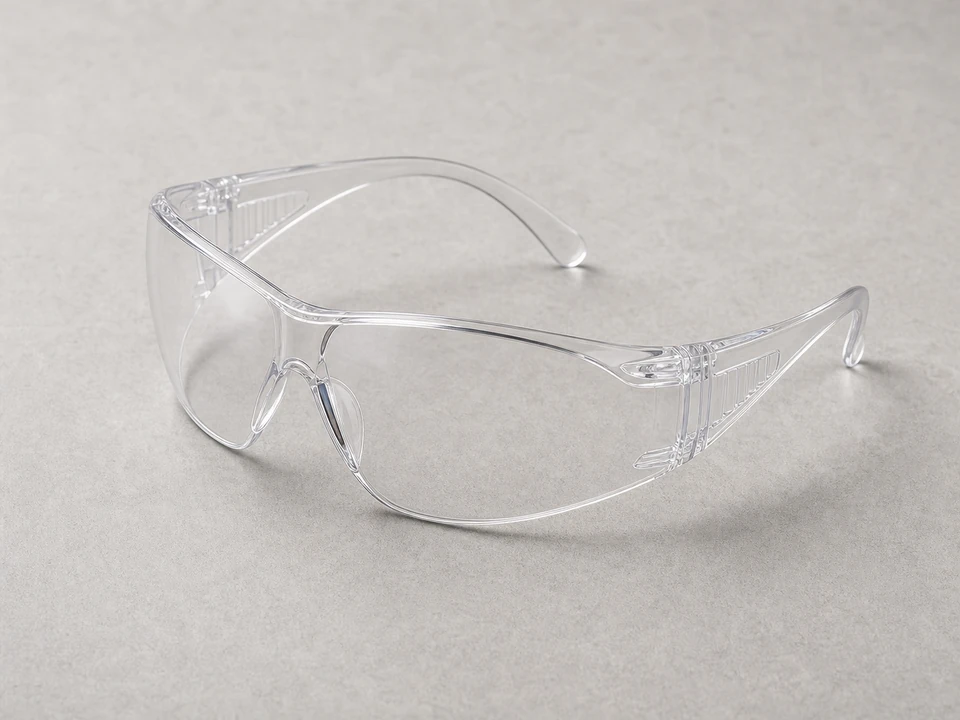
Use it for: Protects your eyes from metal shavings, dust, or falling fasteners.
Shop safety glassesAs an Amazon Associate I earn from qualifying purchases. Repair Riot may earn a commission at no extra cost to you.
If it works: You have traced the movement to the stair handrail connector or its fasteners.
If it doesn’t: If the rail is loose at a bracket, post, or wall anchor instead, fix that connection first because a new connector will not solve the real problem.
If it works: You have a matching replacement connector and a safe, clear work area.
If it doesn’t: If you cannot match the connector size or connection style, remove the old fitting and bring it with you when shopping so you can compare directly.
If it works: The old connector is off and the handrail ends or connection points are exposed for inspection.
If it doesn’t: If a screw is stripped or stuck, apply steady pressure with the correct bit and remove it slowly to avoid enlarging the hole.
If it works: The connection area is clean, solid, and ready for the new connector.
If it doesn’t: If the connector rocks, binds, or leaves a gap during dry-fit, recheck the fit and alignment before fastening anything permanently.
If it works: The new connector is installed and the handrail sits in line without obvious gaps or twist.
If it doesn’t: If the rail pulls out of alignment as you tighten, loosen the screws slightly, reset the rail position, and tighten again evenly.
If it works: The handrail feels solid in normal use and the connector stays tight under pressure.
If it doesn’t: If the rail still moves, inspect the nearby brackets, posts, and wall anchors because another connection point may also be loose.
Match the size and connection type before ordering.
As an Amazon Associate I earn from qualifying purchases. Repair Riot may earn a commission at no extra cost to you.
Watch the rail while you move it by hand. If the motion starts at the joint or fitting between rail sections or where the rail meets the post, the connector is likely the problem. If the whole rail moves at the wall, a bracket or anchor may be loose instead.
You can if they are straight, not stripped, and still match the new connector. If they are worn, rusty, or no longer hold tightly, use the new hardware that comes with the replacement fitting.
Not always, but a helper makes it easier to hold the rail in position while you remove and reinstall the connector, especially on a long or heavy handrail.
If the connector design allows, shift to fresh material and drill proper pilot holes. If the surrounding wood is badly worn, split, or too soft to hold screws, the rail or post may need repair before the new connector can hold safely.
Usually the connector and its fasteners do the real work. Glue is not a substitute for solid mechanical fastening, and it can make future repairs harder. Focus on a correct fit and secure screws first.