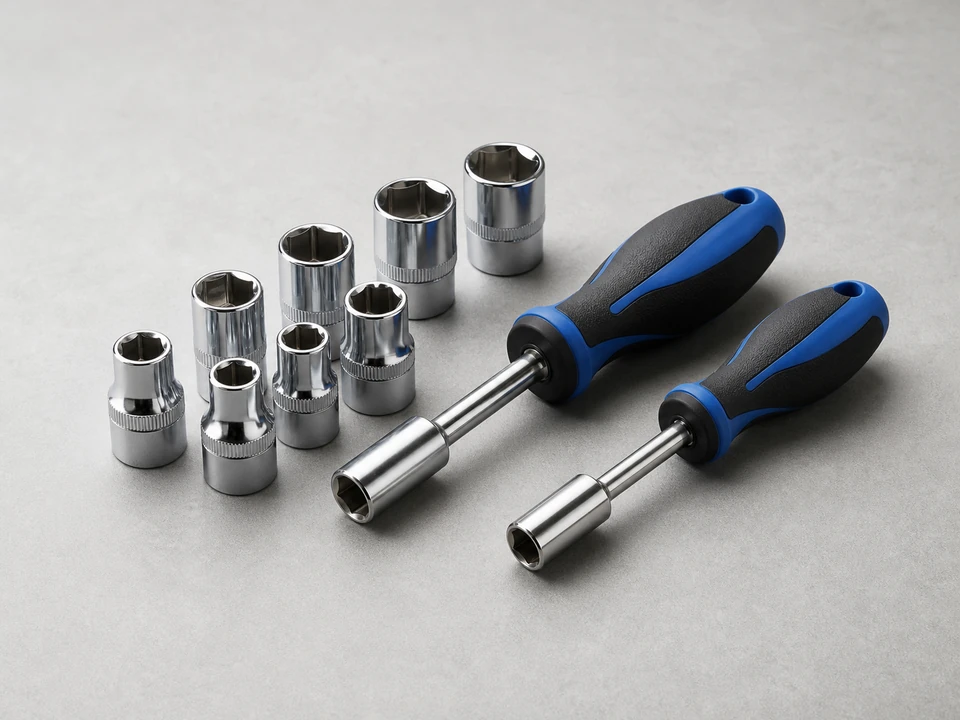
Nut driver set
Use it for: Removes the air handler panels and blower housing screws.
Shop nut driver setsTo replace a heat pump blower motor, first confirm the blower is the failed part, shut off power to the indoor air handler, remove the blower assembly, transfer the wheel if needed, install the new motor, and test for steady airflow and normal startup.
This repair is manageable for a careful homeowner if the diagnosis is solid and the wiring is documented before anything comes apart. The goal is not just to swap parts, but to restore normal airflow without rubbing, vibration, or overheating.
Before you start: Match voltage, horsepower, speed settings, shaft size, rotation direction, mounting style, and wire connections before ordering.
Use it for: Removes the air handler panels and blower housing screws.
Shop nut driver sets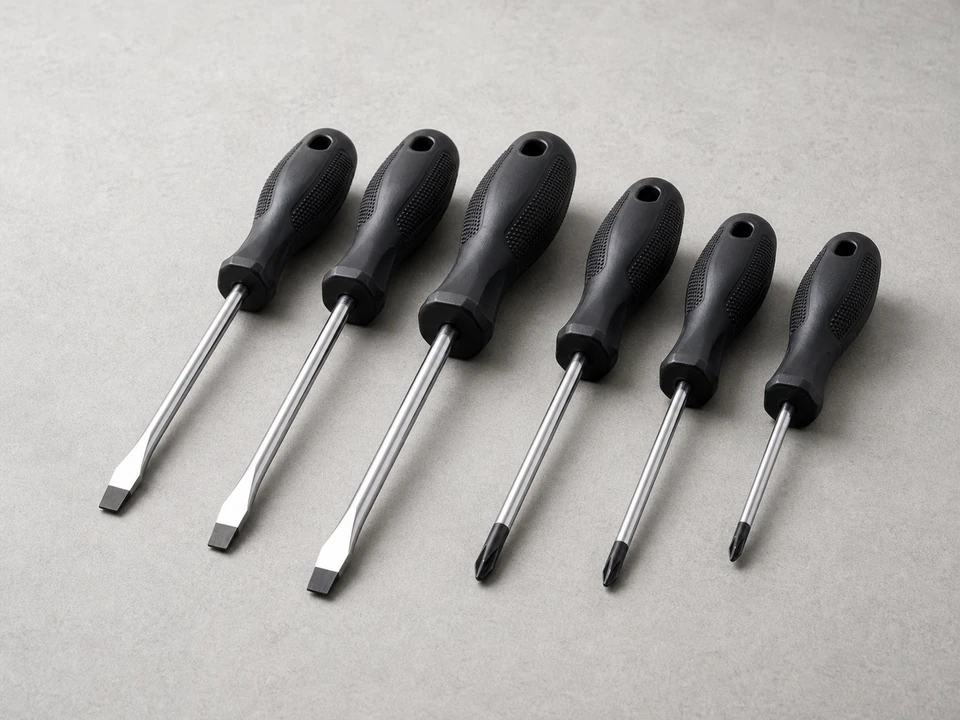
Use it for: Helps remove access panels, wire covers, and mounting hardware.
Shop screwdriver sets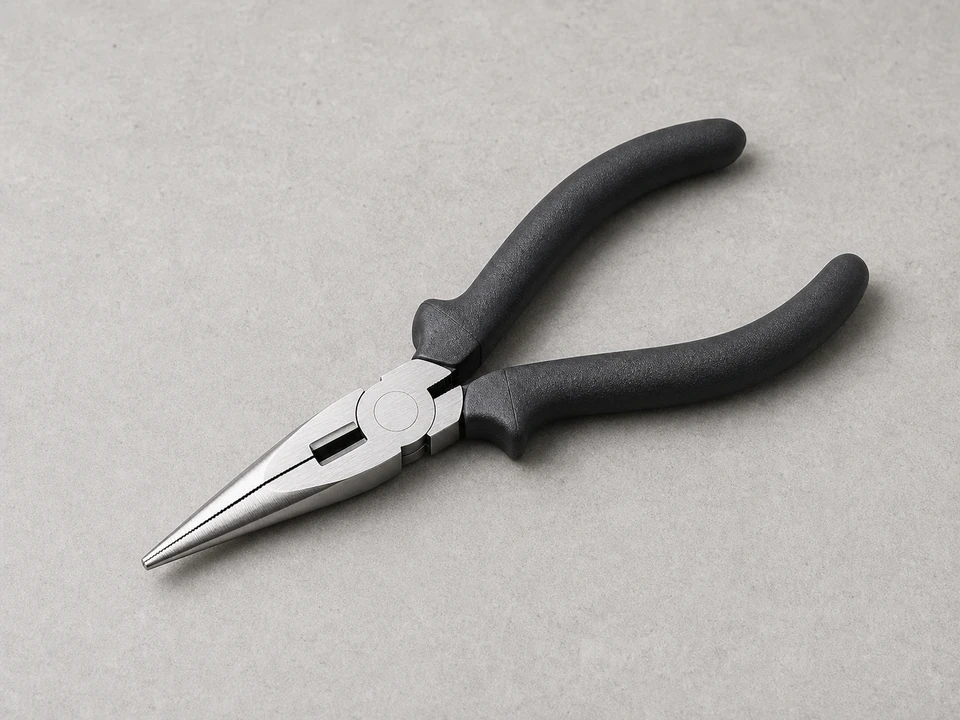
Use it for: Useful for pulling wire connectors and handling small clips.
Shop needle-nose pliers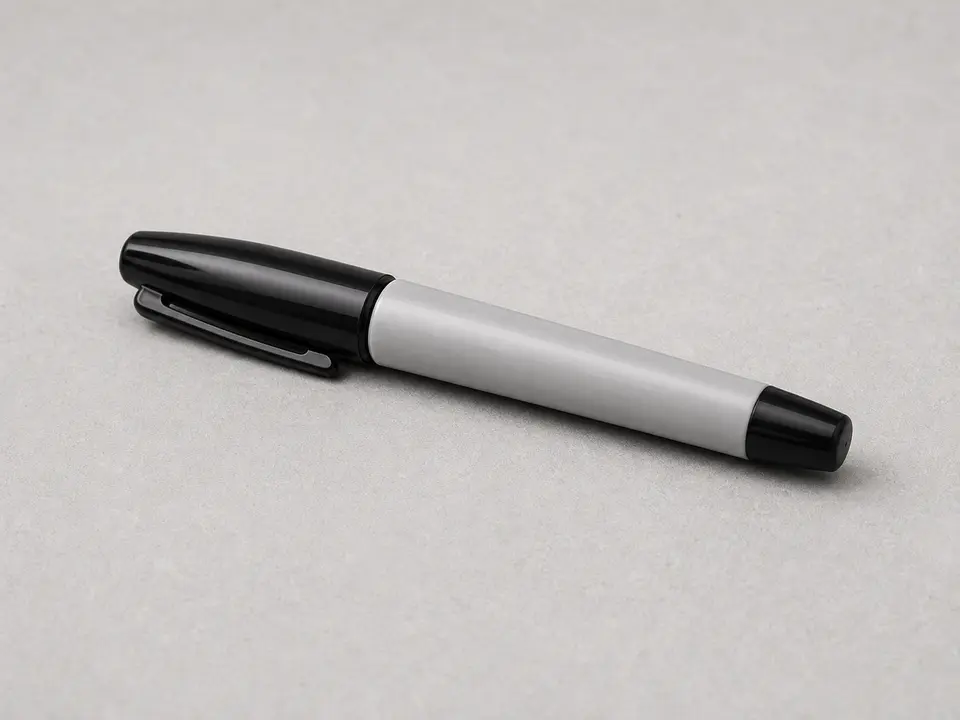
Use it for: Lets you mark wires before disconnecting them so the new motor is wired the same way.
Shop wire labels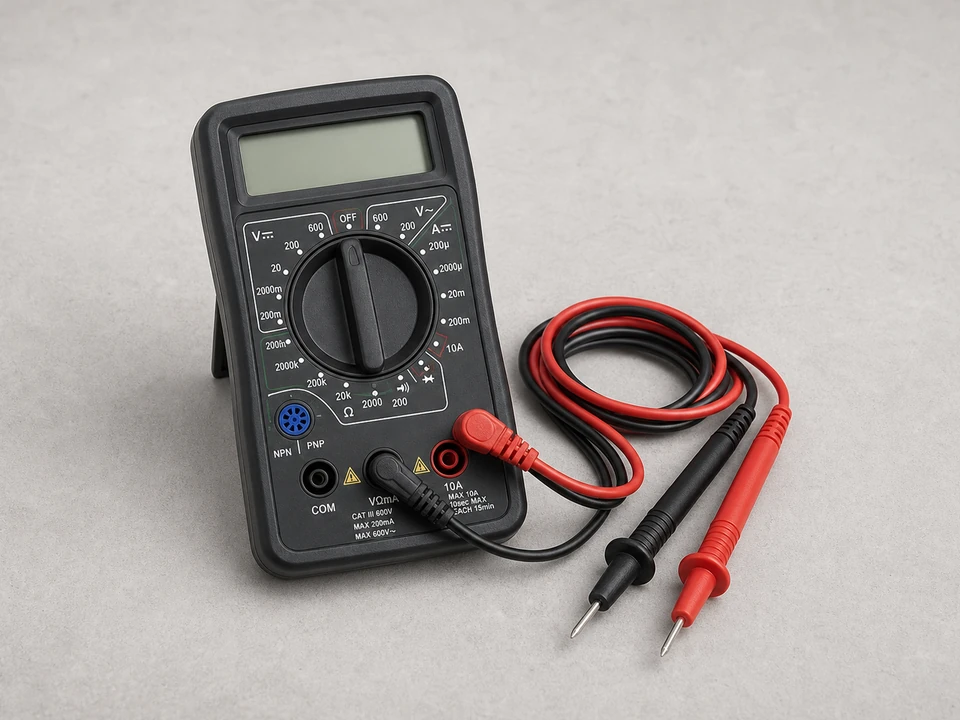
Use it for: Checks that power is actually off before you touch wiring.
Shop multimeters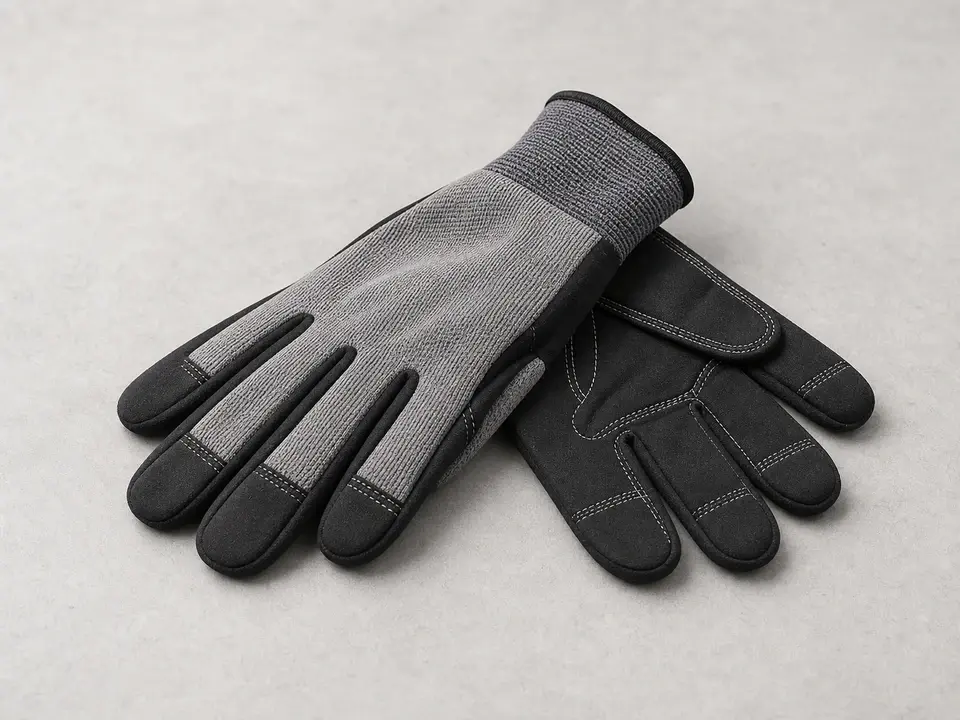
Use it for: Protects your hands from sharp sheet metal edges inside the cabinet.
Shop work glovesAs an Amazon Associate I earn from qualifying purchases. Repair Riot may earn a commission at no extra cost to you.
If it works: You have a strong reason to believe the blower motor has failed or is binding and this repair matches the symptom.
If it doesn’t: If the blower runs normally, the problem is intermittent or caused by something else such as a control, capacitor, thermostat, or airflow restriction.
If it works: The blower compartment is open, power is confirmed off, and you have a clear record of how everything was connected.
If it doesn’t: If you cannot verify power is off, do not continue until the correct breaker or disconnect is found.
If it works: The old blower motor is out and the blower wheel and mounting parts are ready to transfer.
If it doesn’t: If the shaft is stuck in the wheel hub, apply penetrating oil sparingly and work it loose without prying against the wheel fins.
If it works: The new motor is mounted securely and the blower wheel spins smoothly and stays centered.
If it doesn’t: If the wheel rubs, loosen the set screw and adjust the wheel position until the clearance is even and the spin is smooth.
If it works: The blower assembly is back in place, wiring is secure, and the cabinet is closed up for testing.
If it doesn’t: If the wiring no longer matches your notes or the new motor instructions, pause and verify every connection before restoring power.
If it works: The blower starts normally, airflow is back, and the system runs without unusual noise, smell, or shutdowns.
If it doesn’t: If the new motor does not run, recheck power, wiring, capacitor connections if used, and whether the original diagnosis was correct.
Match voltage, horsepower, speed settings, shaft size, rotation direction, mounting style, and wire connections before ordering.
As an Amazon Associate I earn from qualifying purchases. Repair Riot may earn a commission at no extra cost to you.
A clogged filter can reduce airflow, but it usually does not keep the motor completely still. If the filter is clean and the blower hums, struggles to start, overheats, or never spins when the system is calling, the motor or a related electrical part is more likely.
Not always. If the wheel is straight, clean, and the hub is not damaged, it is often reused. Replace it if it is bent, cracked, badly rusted, or will not secure properly to the new motor shaft.
Sometimes access allows it, but many air handlers are much easier to work on if you slide the blower assembly out first. That gives you room to remove the wheel, mount the motor correctly, and keep the wheel centered.
Match the voltage, horsepower, speed configuration, shaft size, rotation direction, mounting style, and wire or plug setup. A motor that is close but not truly compatible can run poorly or fail early.
Weak airflow after replacement can point to a dirty evaporator coil, blocked ductwork, a slipping wheel, wrong speed wiring, or a blower wheel installed in the wrong position on the shaft. Recheck the wheel alignment and basic airflow restrictions first.