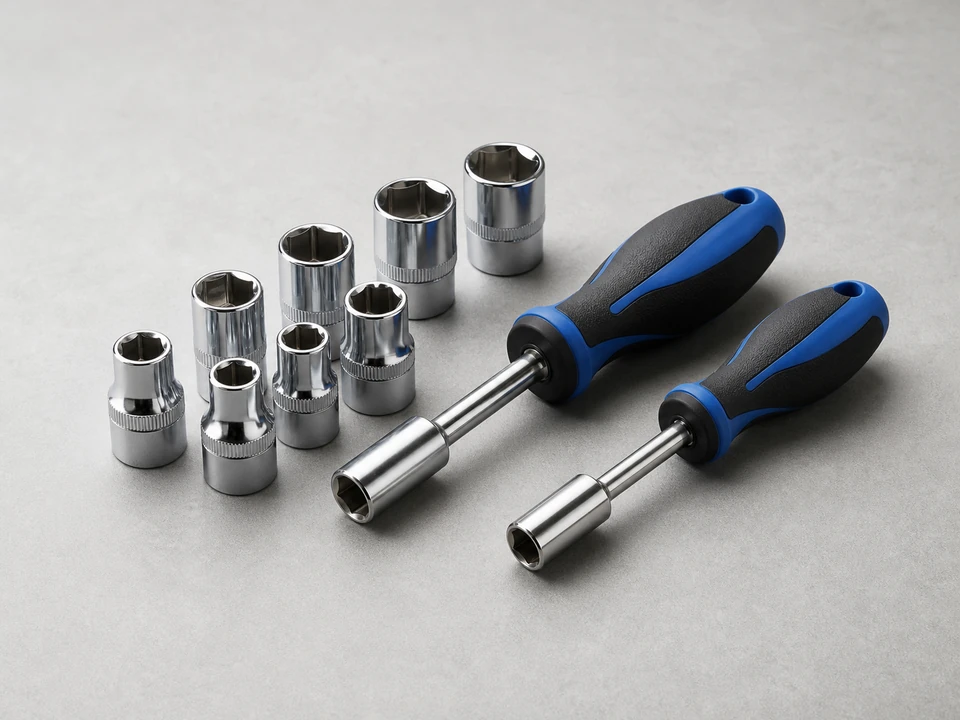
Nut driver set
Use it for: Removes the top grille, access panel, and motor mounting screws.
Shop nut driver setsTo replace a heat pump condenser fan motor, shut off power at the disconnect and breaker, remove the top grille and fan assembly, transfer the blade, install the matching new motor, reconnect the wires correctly, and test for smooth startup and steady airflow.
This repair is a good fit when the outdoor fan motor is seized, overheats, hums without spinning, or runs slowly even after the blade turns freely and the capacitor has been checked. Work carefully around stored electrical energy and sharp metal edges.
Before you start: Match voltage, horsepower, RPM, shaft size and length, rotation, mounting style, and wire count before ordering. If the new motor requires a different capacitor size, replace the capacitor with the size listed for that motor.
Use it for: Removes the top grille, access panel, and motor mounting screws.
Shop nut driver sets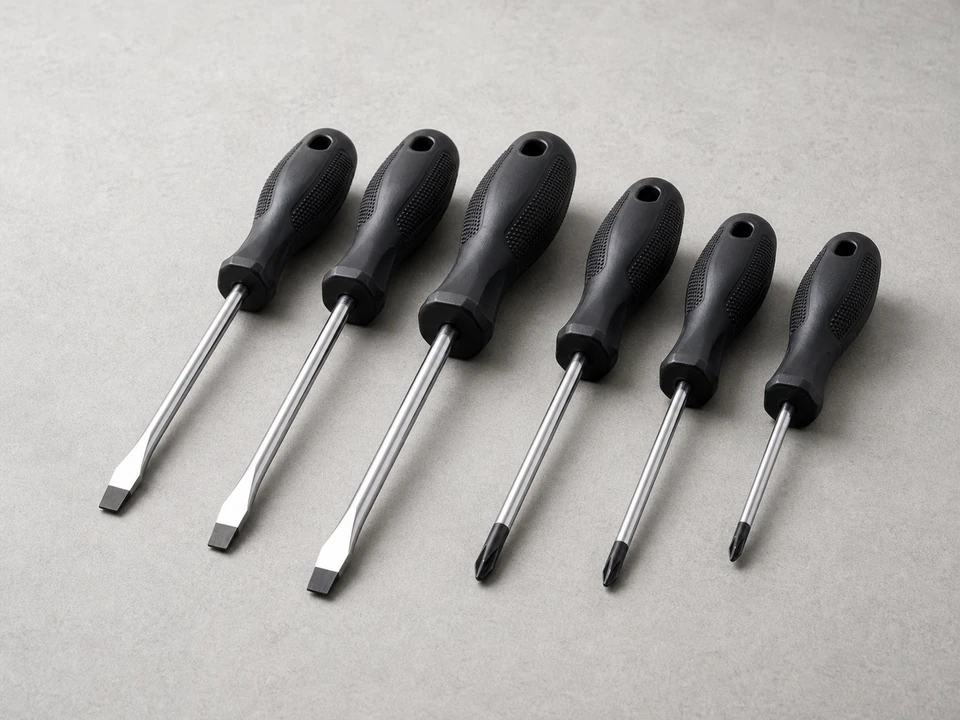
Use it for: Helps remove panels, wire covers, and fan blade set screws.
Shop screwdriver sets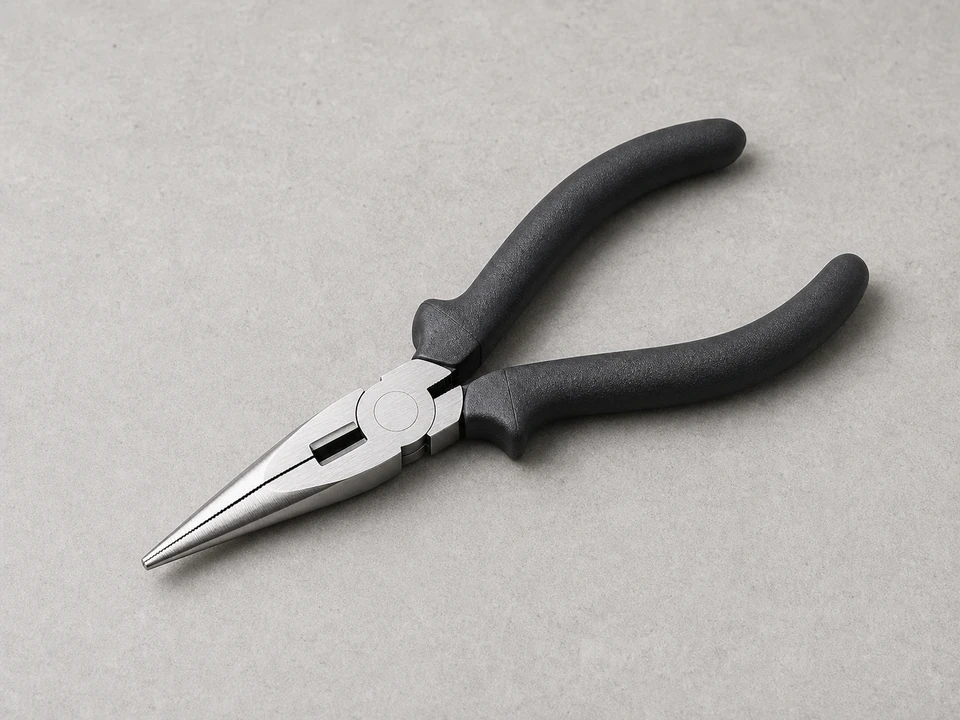
Use it for: Pulls spade connectors and helps route wires cleanly.
Shop needle-nose pliers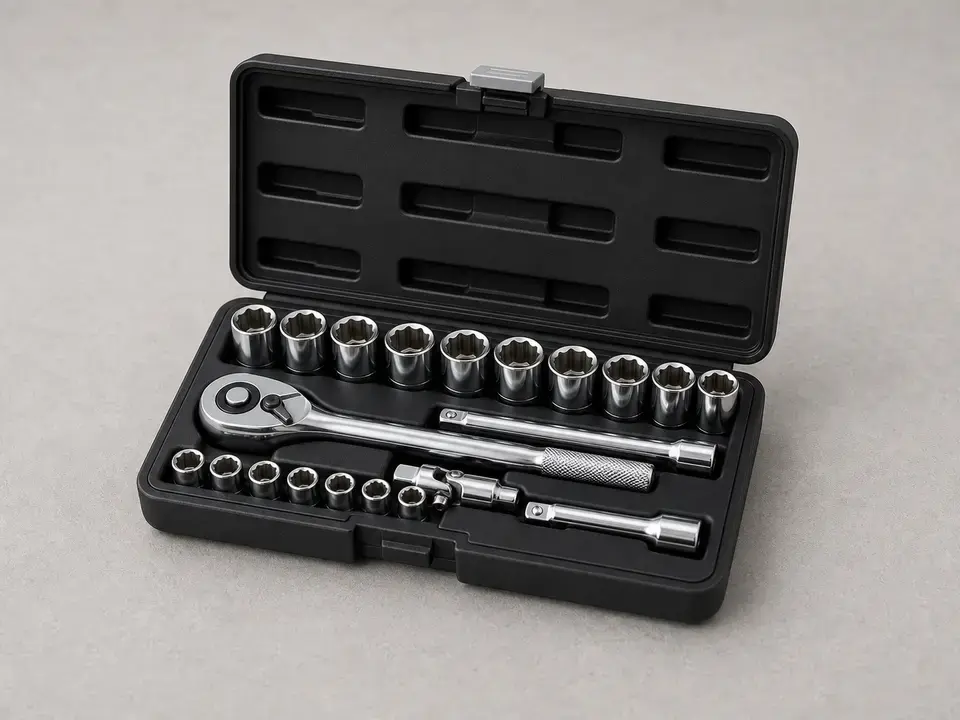
Use it for: Loosens stubborn motor or fan blade hardware.
Shop socket sets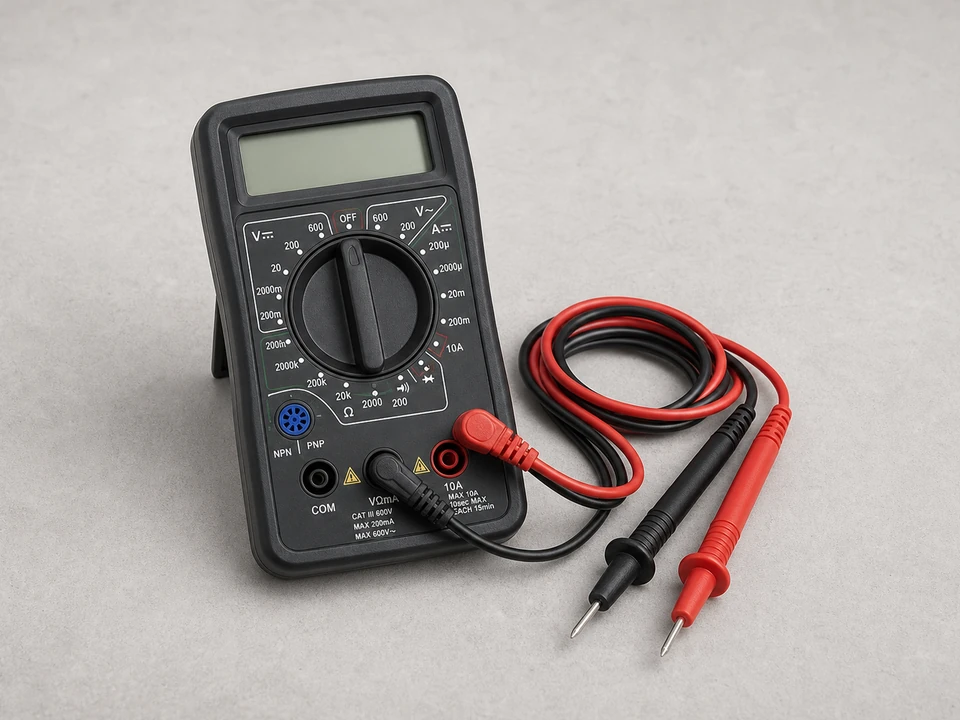
Use it for: Confirms power is off before you touch wiring.
Shop multimeters
Use it for: Marks wire locations so the new motor goes back the same way.
Shop permanent markersAs an Amazon Associate I earn from qualifying purchases. Repair Riot may earn a commission at no extra cost to you.
If it works: You have good reason to replace the heat pump condenser fan motor rather than chasing a simple obstruction.
If it doesn’t: If the blade spins freely, the motor shows no damage, and the unit still will not start, the problem may be elsewhere such as the capacitor, contactor, control issue, or power supply.
If it works: The unit is de-energized and the fan assembly is accessible without stressing the wiring.
If it doesn’t: If the top will not lift freely, look for hidden screws or wire clips still holding the assembly in place.
If it works: The old motor is out and you have a clear record of the original wiring and blade position.
If it doesn’t: If the blade is seized to the shaft, apply penetrating oil and work it off slowly. If it still will not come free without damage, replace the blade too.
If it works: The new motor is mounted securely and the blade is positioned to spin freely in the same location as before.
If it doesn’t: If the shaft length or mounting does not line up, recheck the replacement part specs before forcing the install.
If it works: The new motor is wired in, the cabinet is closed, and nothing is in the blade path.
If it doesn’t: If you are unsure about any wire connection, stop and verify the motor wiring diagram and the unit's original wiring before restoring power.
If it works: The outdoor fan starts reliably, runs smoothly, and keeps running through a normal cycle without slowing down or overheating.
If it doesn’t: If the new motor does not start, runs backward, or overheats, shut power back off and recheck the wiring, capacitor match, blade position, and motor specifications.
Match voltage, horsepower, RPM, shaft size and length, rotation, mounting style, and wire count before ordering. If the new motor requires a different capacitor size, replace the capacitor with the size listed for that motor.
As an Amazon Associate I earn from qualifying purchases. Repair Riot may earn a commission at no extra cost to you.
A failed capacitor and a failed motor can look similar. If the blade turns freely by hand but the motor only hums or needs help starting, the capacitor is a common cause. If the shaft is rough, seized, overheats quickly, or the motor shows burn damage, the motor is more likely bad. Many motor replacements also require a matching new capacitor.
Often yes, especially if the new motor specifies a different capacitor rating than the old one. Use the capacitor size listed for the new motor, not just whatever was already in the unit.
Yes, if it is straight, not cracked, and fits the new motor shaft correctly. If the blade is bent, loose on the hub, or damaged during removal, replace it.
Match voltage, horsepower, RPM, shaft size and length, rotation setup, mounting style, and wire count. Those details matter more than a motor looking similar from the outside.
The fan motor may have been only one problem. Low refrigerant, a dirty coil, a weak compressor, control issues, or incorrect motor rotation can still hurt performance even if the fan now runs.