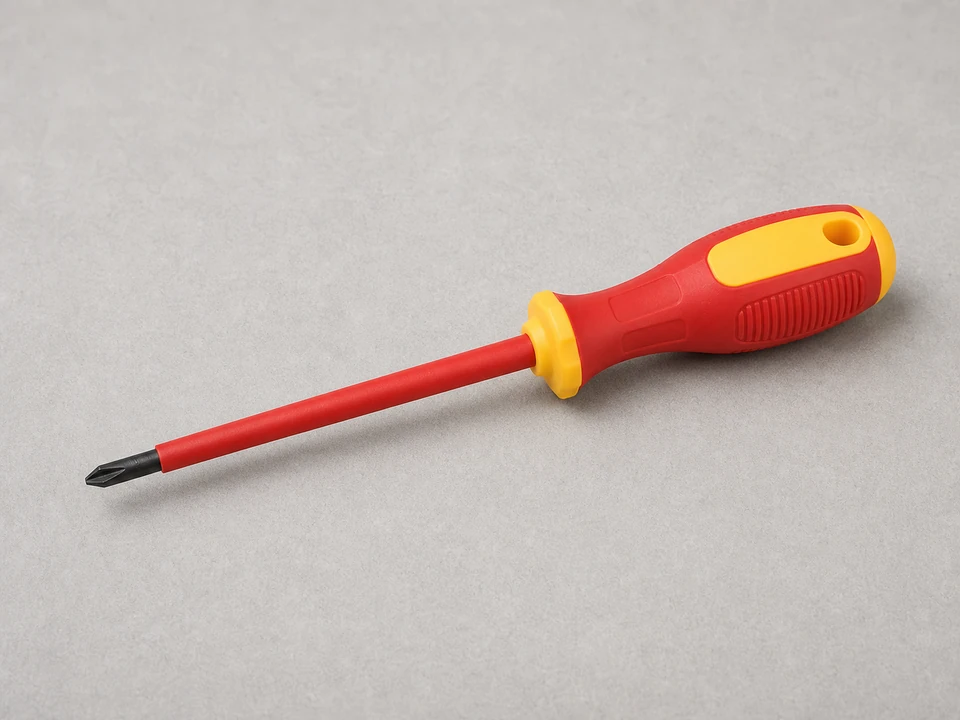
Insulated screwdriver
Use it for: To remove the service panel and move the capacitor strap or bracket.
Shop insulated screwdriversIf your heat pump outdoor fan is slow to start, only hums, or needs a push to get going, replacing the fan run capacitor is a common fix.
This repair is straightforward, but the capacitor can hold a charge even with power off. Work carefully, match the replacement exactly, and stop if you find burned wiring or signs the motor itself is failing.
Before you start: Match the microfarad rating, voltage rating, and terminal layout before ordering.
Use it for: To remove the service panel and move the capacitor strap or bracket.
Shop insulated screwdrivers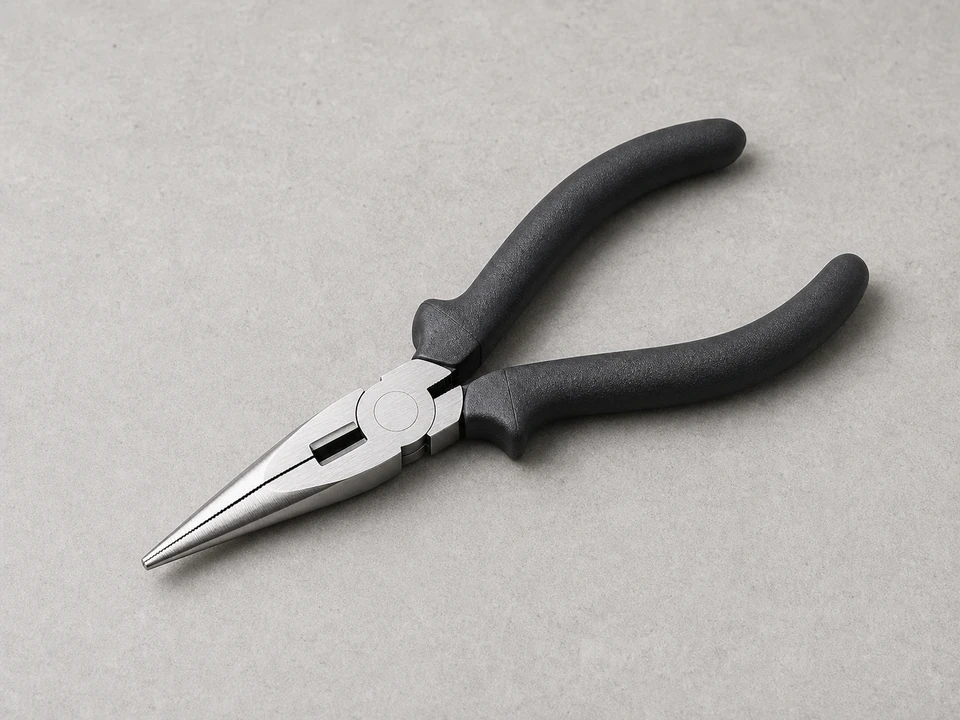
Use it for: To pull wire terminals off the old capacitor without yanking the wires.
Shop needle-nose pliers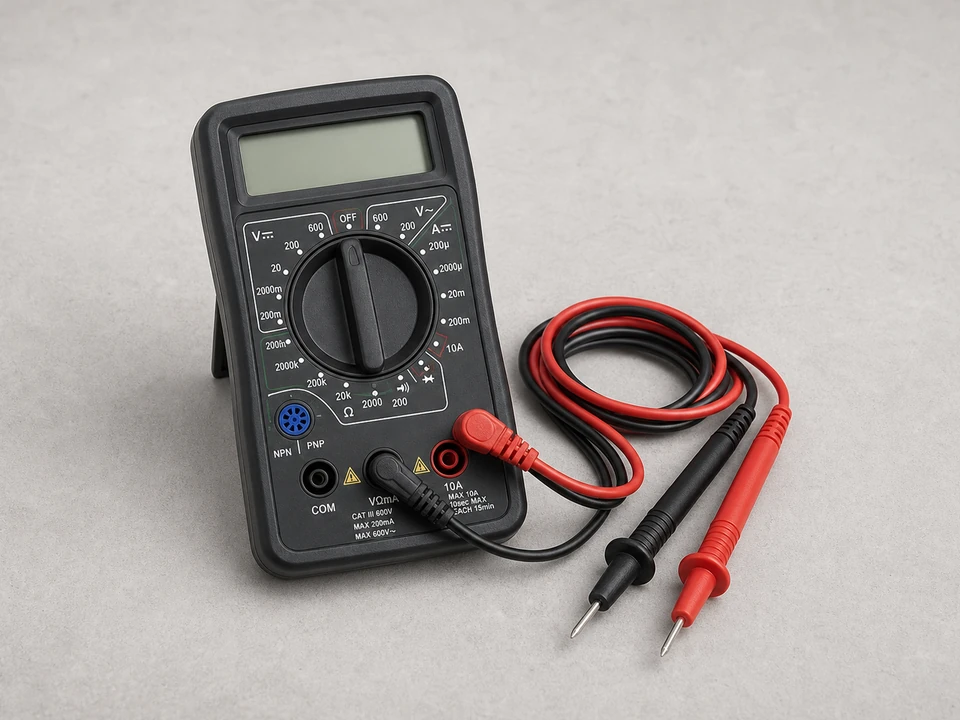
Use it for: To confirm power is off before touching components.
Shop multimeters
Use it for: To photograph the wire layout before you move anything.
Shop phone tripods and lights
Use it for: To protect your hands from sharp cabinet edges.
Shop work glovesAs an Amazon Associate I earn from qualifying purchases. Repair Riot may earn a commission at no extra cost to you.
If it works: The symptoms point to a weak or failed fan capacitor rather than a simple thermostat issue.
If it doesn’t: If the outdoor fan runs at full speed every time, this is probably not the right repair. Check for airflow, control, or defrost issues instead.
If it works: The unit is safely de-energized and you have a clear reference photo of the wiring.
If it doesn’t: If you cannot confirm power is off, do not continue until the disconnect and breaker are both checked again.
If it works: You know the exact replacement specs and the old capacitor has been discharged before handling the terminals.
If it doesn’t: If the label is unreadable, use the unit parts information or the old part dimensions and wiring layout to help confirm the replacement before installing anything.
If it works: The new capacitor is installed with the wires transferred to the correct terminals and the part is secured in place.
If it doesn’t: If a wire seems loose on the terminal, gently tighten the female connector or replace the terminal before reassembly.
If it works: The unit powers back up and the outdoor fan starts without hesitation.
If it doesn’t: If the fan still only hums, starts slowly, or needs help to spin, the fan motor or another control part may also be failing.
If it works: The fan starts normally and keeps running through a full call, which confirms the capacitor replacement solved the problem.
If it doesn’t: If the fan slows down again after warming up, the motor may be overheating or the replacement capacitor may be the wrong rating.
Match the microfarad rating, voltage rating, and terminal layout before ordering.
As an Amazon Associate I earn from qualifying purchases. Repair Riot may earn a commission at no extra cost to you.
Sometimes it looks swollen or leaks oil, but not always. Many bad capacitors look normal and still fail electrically, so the symptom pattern matters too.
A higher voltage rating is commonly acceptable if the microfarad rating matches exactly and the part fits securely. Do not change the microfarad rating.
You can still do the repair, but you need to move each wire to the matching terminal marking exactly as shown on the old part and your photo. The fan side must match the original rating.
It can. The compressor may still try to run while the fan does not, which can overheat the outdoor unit and cause poor performance or shutdowns.
If a new correctly matched capacitor does not fix slow starts, humming, overheating, or repeated stalls, the fan motor is a likely next suspect.