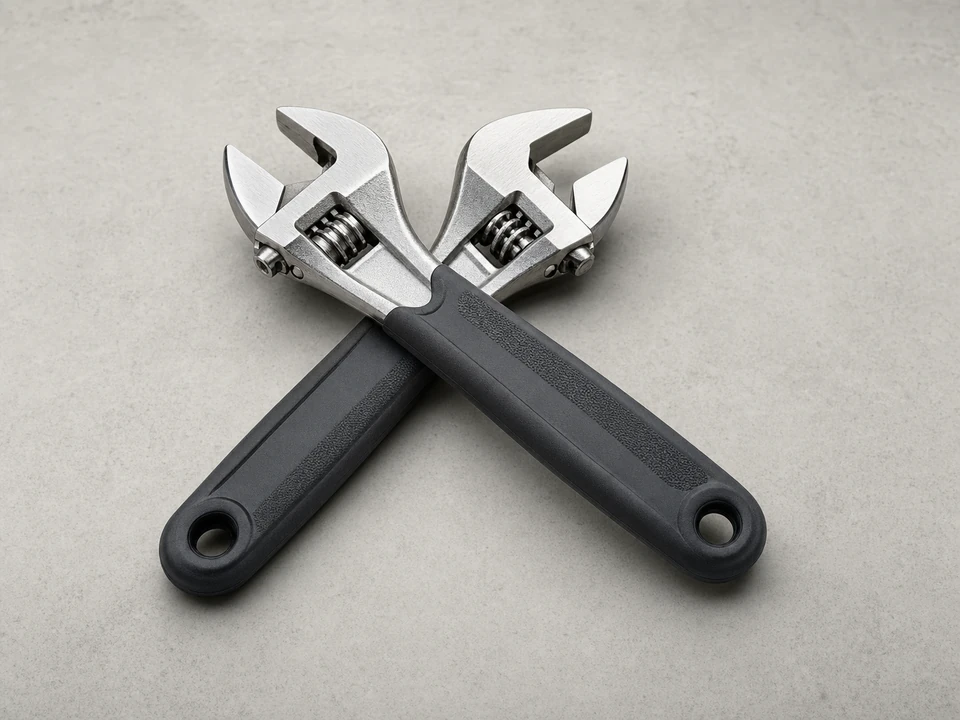
Adjustable wrench
Use it for: To loosen and tighten compression nuts or threaded valve connections.
Shop adjustable wrenchesTo replace a hose bib shutoff valve, shut off the home water supply, drain the line, remove the old valve, install a matching new valve, and test it under pressure for leaks.
This repair makes sense when the shutoff valve feeding the outdoor faucet is leaking from the body, stem, or connections, or when it no longer turns fully on and off. The key is matching the new valve to the existing pipe and outlet so the replacement seals correctly without stressing the plumbing.
Before you start: Match the pipe connection type, outlet size, and shutoff orientation before ordering.
Use it for: To loosen and tighten compression nuts or threaded valve connections.
Shop adjustable wrenches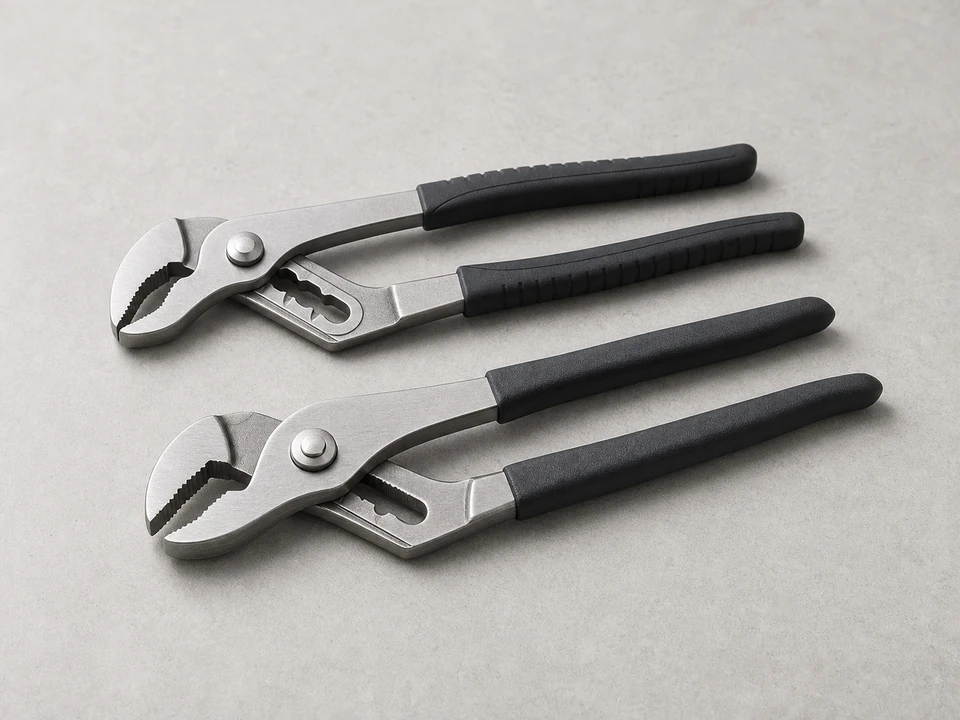
Use it for: To hold the pipe or valve body steady while you turn the fitting with a second tool.
Shop tongue-and-groove pliers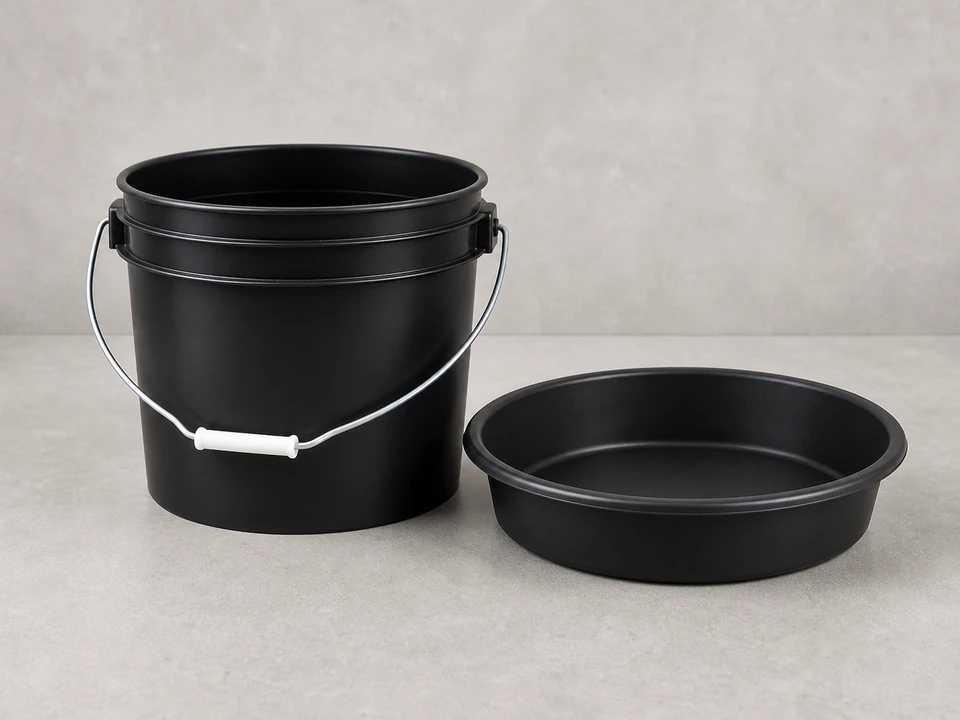
Use it for: To catch water left in the line when the old valve comes off.
Find a drain pan or bucket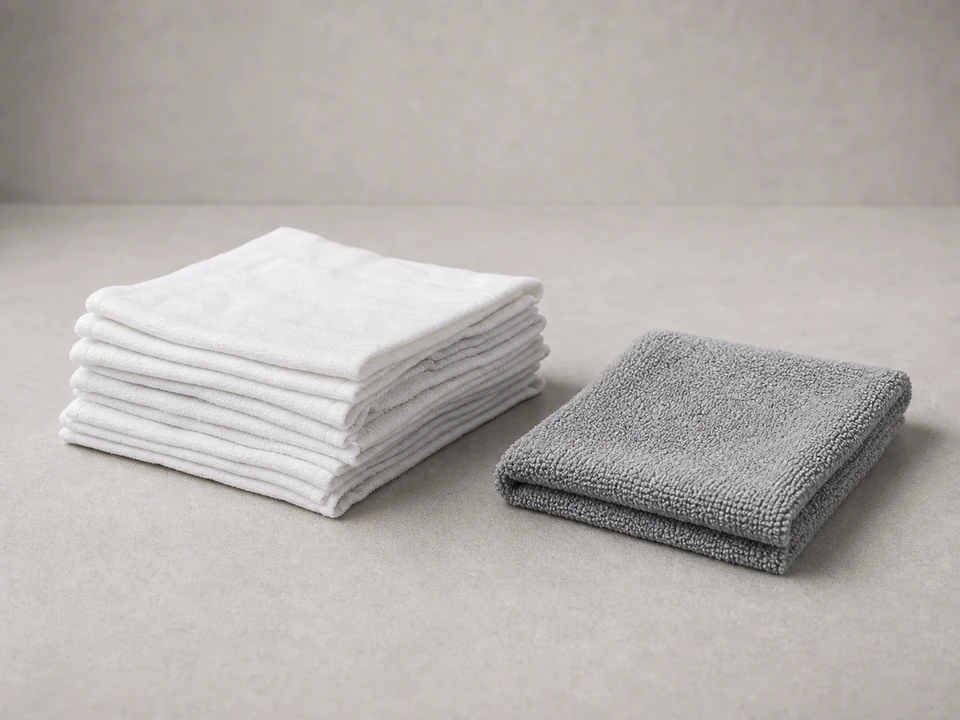
Use it for: To wipe fittings dry so you can spot fresh leaks during testing.
Shop absorbent shop towels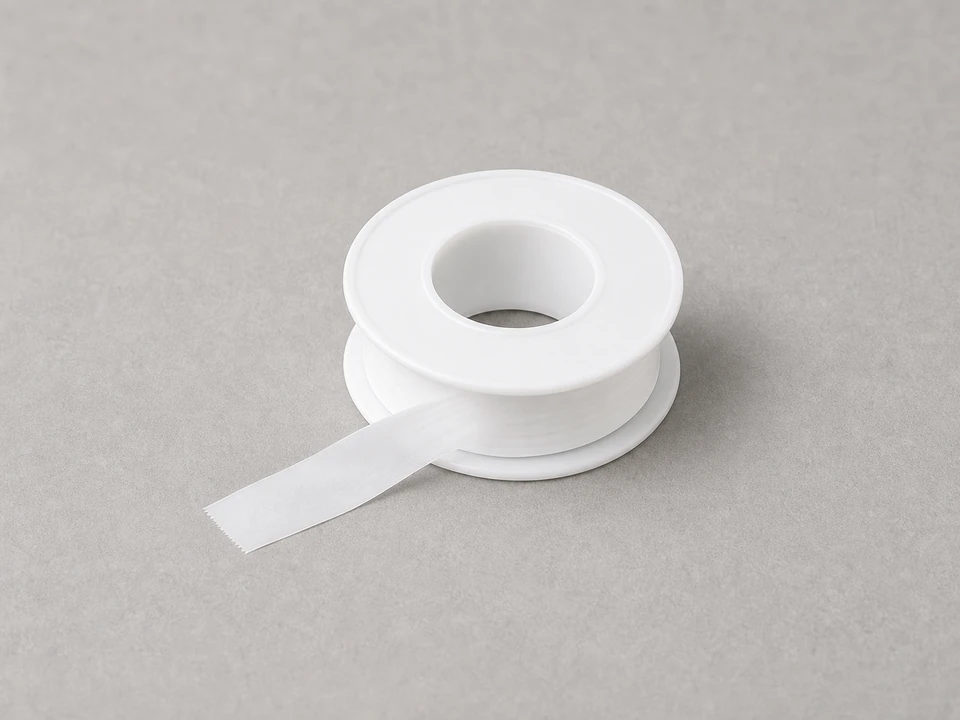
Use it for: To help seal threaded connections if your replacement valve uses threaded pipe joints.
Find thread seal tapeAs an Amazon Associate I earn from qualifying purchases. Repair Riot may earn a commission at no extra cost to you.
If it works: You have confirmed the hose bib shutoff valve itself or its direct connections are leaking or no longer shutting off properly.
If it doesn’t: If the leak starts at the outdoor faucet or from hidden piping in the wall, this is the wrong repair path. Diagnose that part before replacing the shutoff valve.
If it works: The line is depressurized and only a small amount of water remains in the pipe.
If it doesn’t: If water keeps running steadily, the upstream shutoff is not holding. Use a different working shutoff before removing the valve.
If it works: The old hose bib shutoff valve is off and the pipe ends are accessible and clean.
If it doesn’t: If the valve will not break loose, apply steady pressure while supporting the pipe. If it still will not move, the connection may be seized and better handled with more invasive plumbing work.
If it works: The new valve matches the old setup and is ready to install without forcing the piping.
If it doesn’t: If the new valve does not match the pipe size or connection type exactly, return it and get the correct one before continuing.
If it works: The new hose bib shutoff valve is installed securely and the piping is not twisted or under visible stress.
If it doesn’t: If the threads do not start smoothly by hand or the valve sits crooked, remove it and realign before tightening again.
If it works: The valve operates normally, the hose bib gets water when opened, and the shutoff and connections stay dry during and after use.
If it doesn’t: If you see a small seep at a connection, shut the water back off and retighten that connection slightly, then test again. If the leak continues, the valve may be mismatched or the sealing surface may be damaged.
Match the pipe connection type, outlet size, and shutoff orientation before ordering.
As an Amazon Associate I earn from qualifying purchases. Repair Riot may earn a commission at no extra cost to you.
Dry everything first, then watch where water appears. If the drip starts at the indoor shutoff stem, body, or its connections, replace the shutoff valve. If the leak starts at the outdoor faucet, repair the hose bib instead.
Only if there is a working upstream shutoff that fully stops water to that branch. If water still flows to the line, do not remove the valve.
No. Use thread seal tape only on threaded pipe joints where the threads are part of the seal. Do not use tape on compression sealing surfaces unless that fitting style specifically calls for it.
Stop and support the pipe better with a backup wrench. If the pipe still twists in the wall, the repair may need a plumber before the pipe breaks or a hidden joint loosens.
A small seep usually means the connection needs slight retightening, the sealing surface is damaged, or the replacement valve does not match the original connection type or size closely enough.