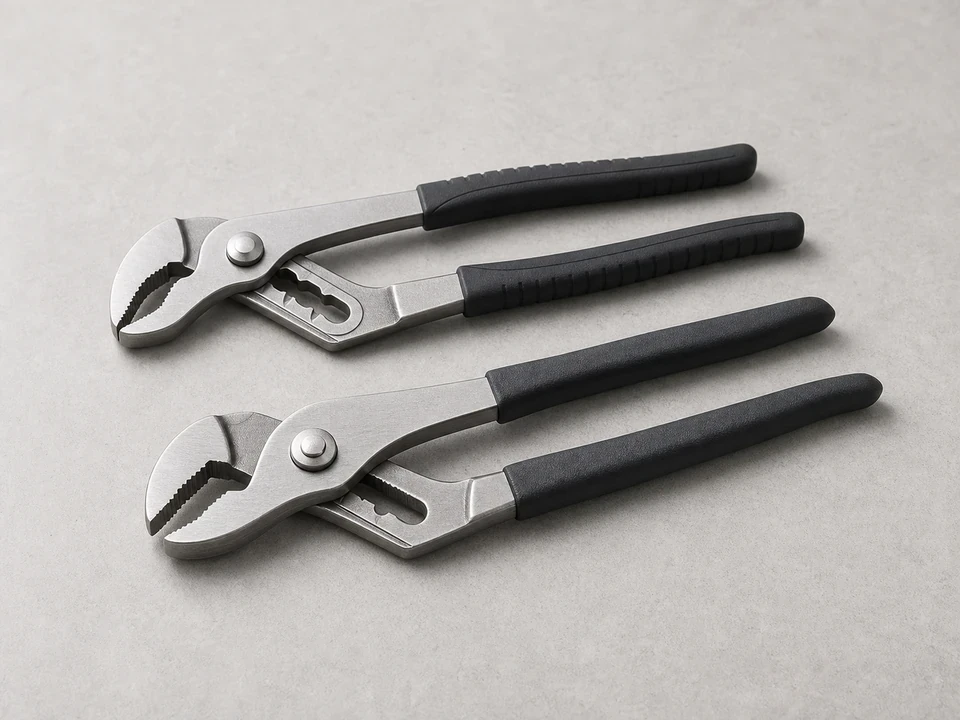
Adjustable pliers
Use it for: To loosen the old vacuum breaker cap or hold small parts during removal.
Shop adjustable pliersIf water leaks from the vacuum breaker on top of the hose bib, or the anti-siphon cap is cracked or stuck, replacing the hose bib vacuum breaker repair kit is often the right fix.
This repair is usually straightforward if the hose bib body itself is still solid and the leak is coming from the vacuum breaker assembly. Work gently so you do not damage the faucet threads or snap off small retaining parts.
Before you start: Match the vacuum breaker style, thread size, and hose bib compatibility before ordering.
Use it for: To loosen the old vacuum breaker cap or hold small parts during removal.
Shop adjustable pliers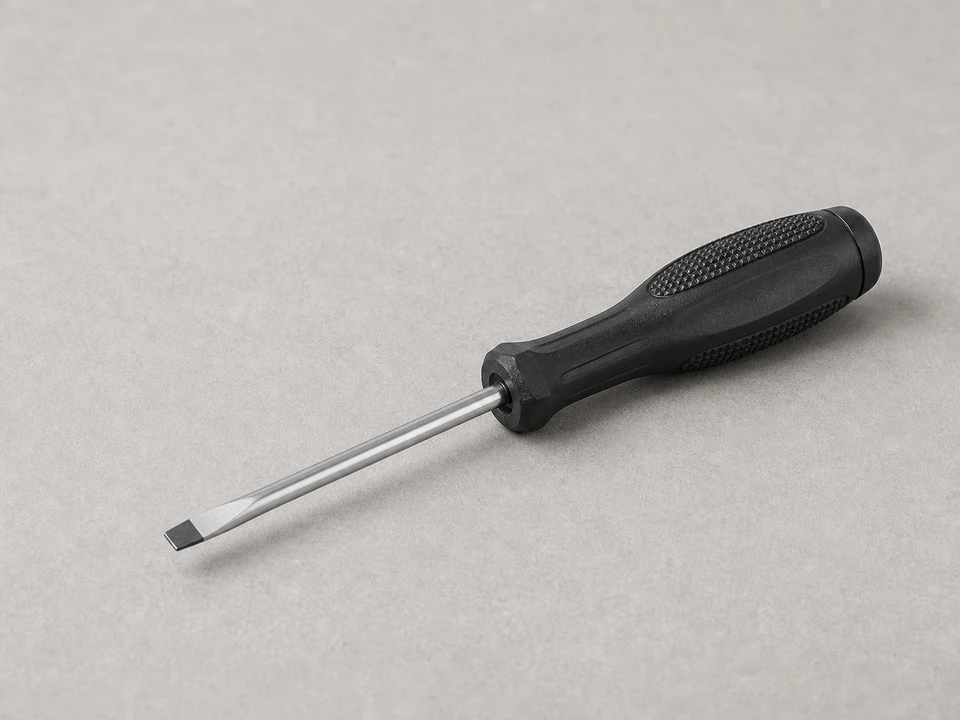
Use it for: To lift a retaining clip, set screw cover, or old seal if needed.
Shop small flat screwdrivers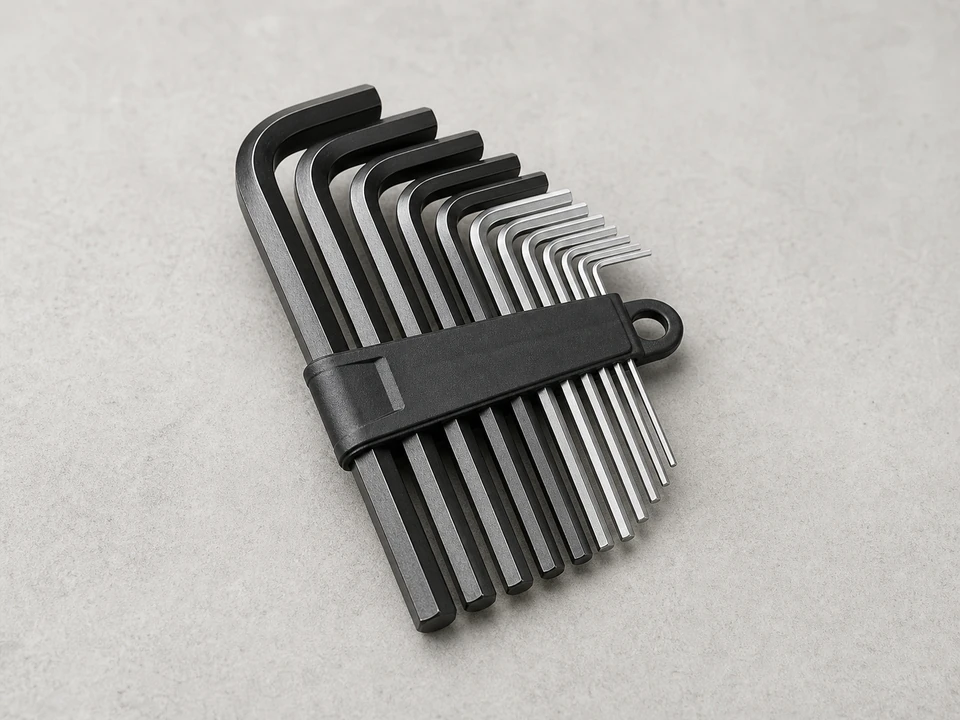
Use it for: Some vacuum breakers use a small set screw that must be loosened before removal.
Shop Allen wrench sets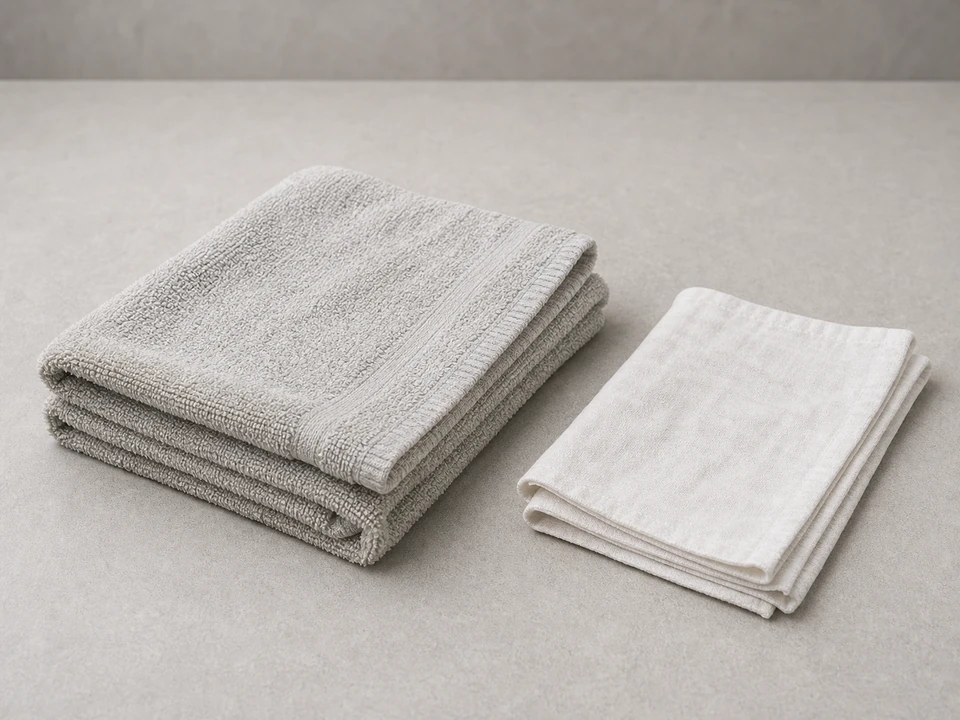
Use it for: To catch drips and wipe debris from the hose bib before reassembly.
Shop shop towels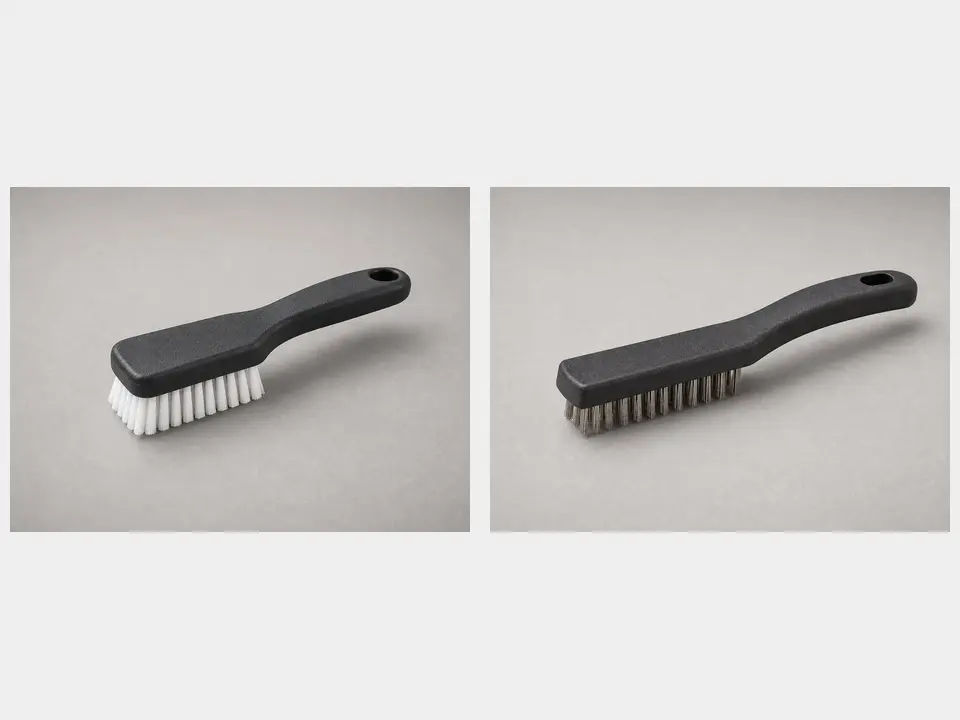
Use it for: To clean mineral buildup and debris from threads and sealing surfaces.
Shop small cleaning brushesAs an Amazon Associate I earn from qualifying purchases. Repair Riot may earn a commission at no extra cost to you.
If it works: You confirmed the leak or failure is centered at the vacuum breaker assembly, not somewhere else on the faucet.
If it doesn’t: If the leak is from the handle stem, wall connection, or a split faucet body, use the correct repair for that part instead of replacing the vacuum breaker kit.
If it works: The faucet is off, depressurized, and ready to work on without fighting water pressure.
If it doesn’t: If water keeps flowing with the handle fully off, the shutoff inside the faucet is failing and this repair may not solve the problem.
If it works: The old vacuum breaker assembly or its internal repair parts are removed without damaging the hose bib.
If it doesn’t: If the cap will not come off, clean away mineral buildup and try again with steady pressure instead of twisting harder and harder.
If it works: The hose bib is clean and the new repair kit matches the old vacuum breaker parts closely enough to install.
If it doesn’t: If the new parts do not match in size, thread pattern, or internal layout, pause and get the correct kit before reassembling.
If it works: The new vacuum breaker parts are seated squarely and secured without cross-threading or distortion.
If it doesn’t: If the cap will not start by hand, back it off and realign it before tightening again.
If it works: The hose bib runs normally, the vacuum breaker does not leak, and the repair holds with and without a hose attached.
If it doesn’t: If water still leaks from the vacuum breaker, recheck part fit and assembly order. If those are correct, the full vacuum breaker or the hose bib itself may need replacement.
Match the vacuum breaker style, thread size, and hose bib compatibility before ordering.
As an Amazon Associate I earn from qualifying purchases. Repair Riot may earn a commission at no extra cost to you.
It helps prevent contaminated water from being drawn backward into the water supply. On many hose bibs, it sits on top of the faucet as an anti-siphon attachment.
If the faucet body is solid and the leak is only at the vacuum breaker, a repair kit is often enough. If the faucet body is cracked, badly corroded, or leaking from the wall connection, the whole hose bib may need replacement.
Usually yes, if the hose bib itself shuts off fully and you are only changing the vacuum breaker parts. If the faucet will not shut off, you may need to stop and address that first.
That usually points to a worn, stuck, cracked, or debris-filled vacuum breaker. The internal seal may no longer close properly under pressure.
Usually no for internal repair parts, and many caps are designed to seal with their own gasket or internal components. Follow the part design and avoid adding tape unless the replacement instructions specifically call for it.