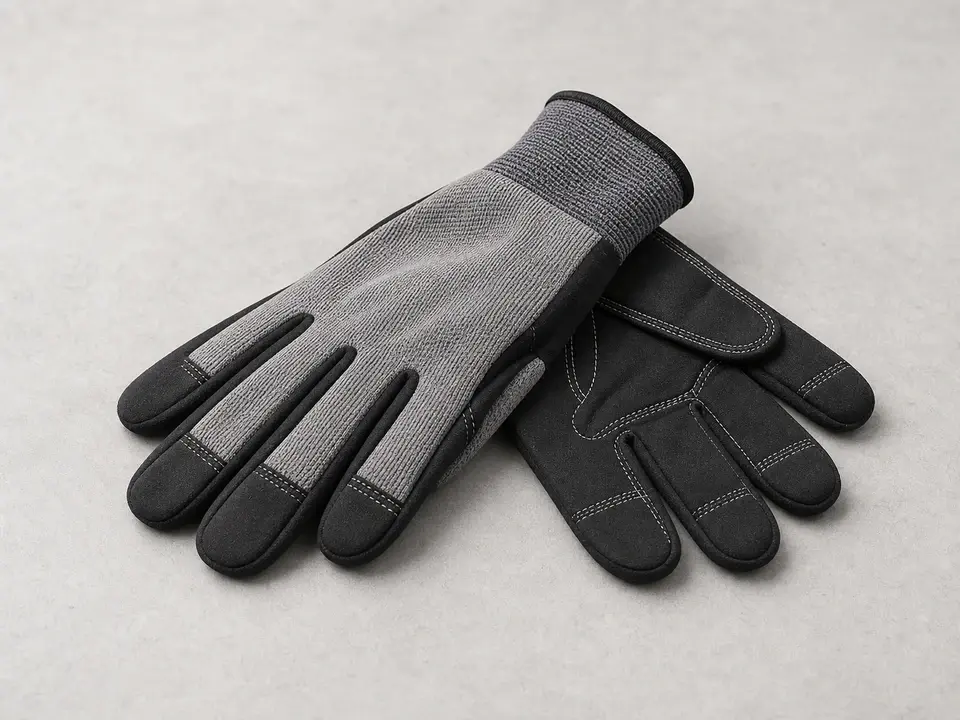
Work gloves
Use it for: Protects your hands while handling old and new insulation.
Shop work glovesTo replace an insulation batt, first confirm the batt is actually damaged, wet, contaminated, or badly compressed, then remove it carefully, clean and dry the cavity, and install a new batt that matches the space without overstuffing it.
This is a straightforward repair when the framing bay is accessible and the damage is limited to the insulation itself. The goal is to restore full, even coverage without trapping moisture or leaving gaps.
Before you start: Match the replacement part to your exact insulation before ordering.
Use it for: Protects your hands while handling old and new insulation.
Shop work gloves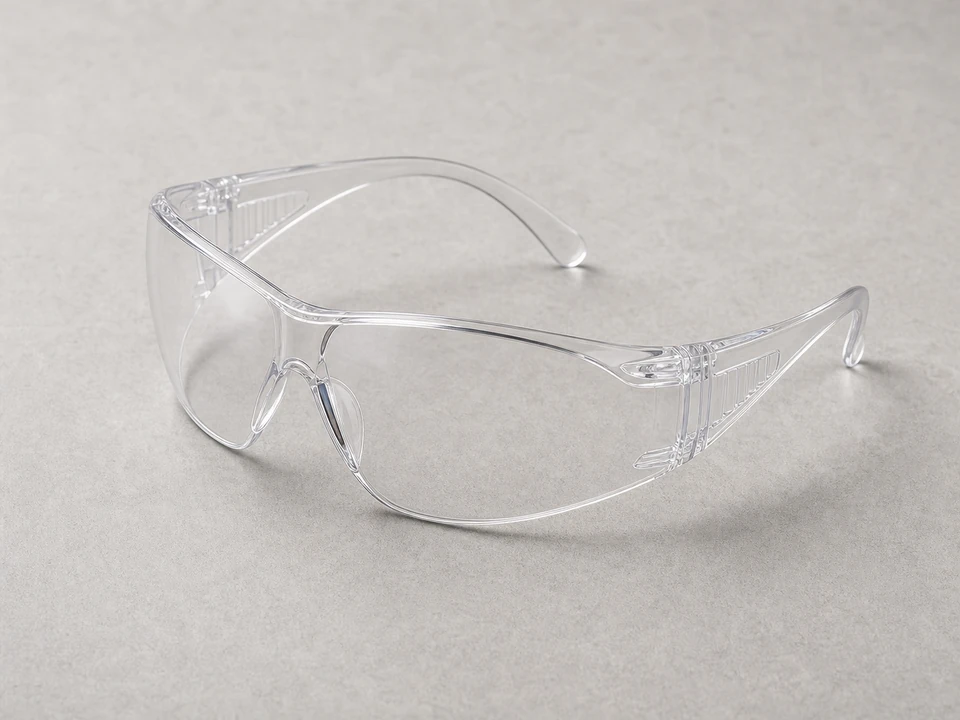
Use it for: Keeps fibers and dust out of your eyes during removal and fitting.
Shop safety glasses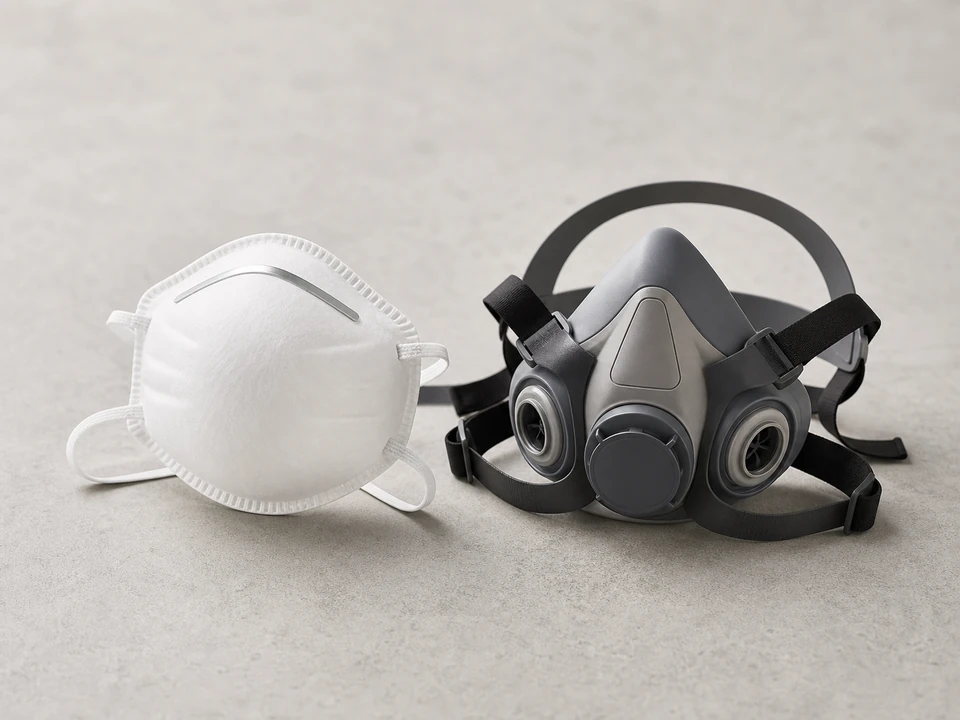
Use it for: Helps reduce breathing in insulation fibers and dust.
Shop dust mask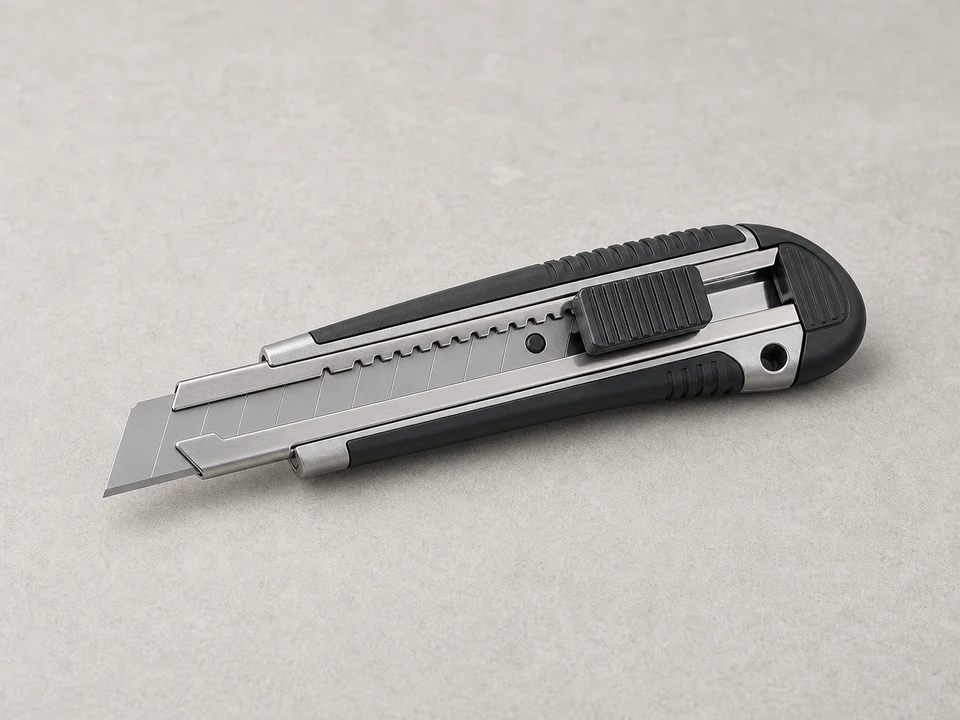
Use it for: Cuts the new batt cleanly to length or around obstacles.
Shop utility knives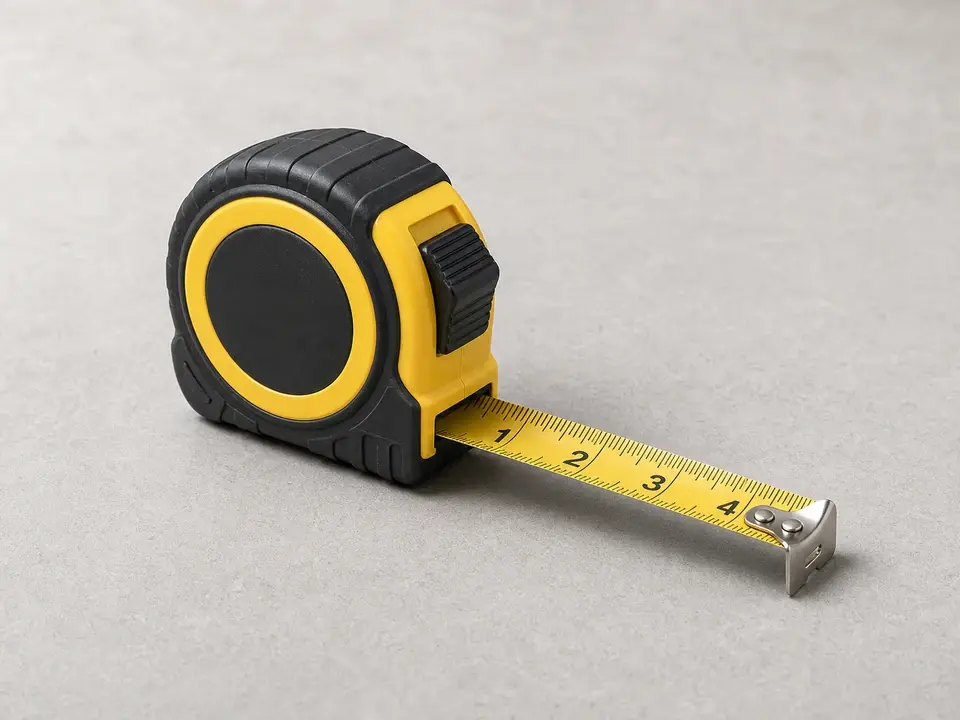
Use it for: Lets you measure the cavity so the replacement batt fits correctly.
Shop tape measures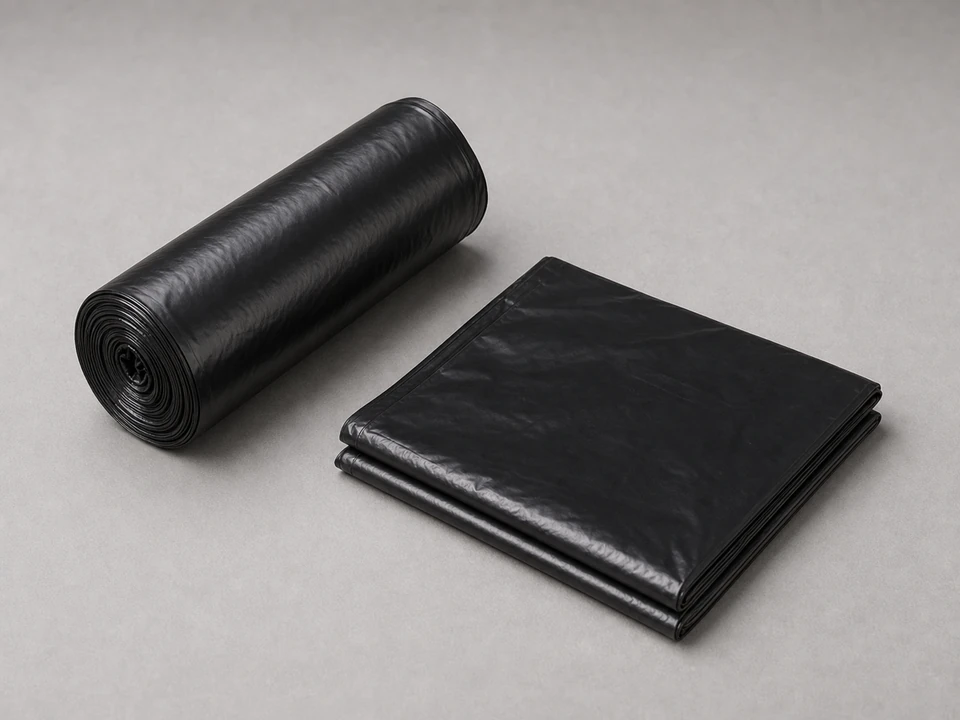
Use it for: Makes it easier to contain and remove damaged insulation.
Shop heavy duty trash bagsAs an Amazon Associate I earn from qualifying purchases. Repair Riot may earn a commission at no extra cost to you.
If it works: You have confirmed the batt is damaged enough to replace and you know the cavity size.
If it doesn’t: If the batt is only slightly out of place and still dry, clean, and full thickness, try repositioning it instead of replacing it.
If it works: The area is ready, and you can work without spreading dust and fibers everywhere.
If it doesn’t: If access is too tight to remove the batt cleanly, open the area further before continuing.
If it works: The damaged batt is out, and the cavity is cleared of loose insulation.
If it doesn’t: If pieces are stuck in corners or around obstacles, remove the remaining scraps by hand so the new batt can sit flat.
If it works: The cavity is dry, clean, and ready for the replacement batt.
If it doesn’t: If the cavity still smells musty or feels damp, solve the moisture source first and wait until the area is dry.
If it works: The new batt fits snugly, fills the cavity evenly, and is not overstuffed or sagging.
If it doesn’t: If the batt bows out, bunches up, or leaves open gaps, pull it back out and recut or refit it for a flatter, fuller install.
If it works: The area stays dry, covered, and evenly insulated in real use, with no returning odor or obvious gaps.
If it doesn’t: If odor, moisture, or drafts come back, the root cause is likely still present and needs to be fixed before replacing insulation again.
Match the replacement part to your exact insulation before ordering.
As an Amazon Associate I earn from qualifying purchases. Repair Riot may earn a commission at no extra cost to you.
Only if it is dry, clean, full thickness, and not torn up or contaminated. If it is wet, moldy, smoke-damaged, pest-damaged, or permanently compressed, replace it.
Measure the framing bay width, depth, and height, then compare those measurements to the new batt. A good fit fills the cavity evenly without heavy compression or loose gaps.
Yes, if the smell is in the insulation itself and the source has already been corrected. Bad odor often means the batt has absorbed moisture, smoke, or contamination and will keep holding that smell.
No. Overstuffing can reduce performance because the batt loses its intended shape and leaves uneven coverage. It should fit snugly, not be packed in hard.
That usually means the real problem is moisture, not the insulation alone. Remove the wet batt, fix the leak or condensation issue, dry the cavity fully, and then install a fresh replacement.