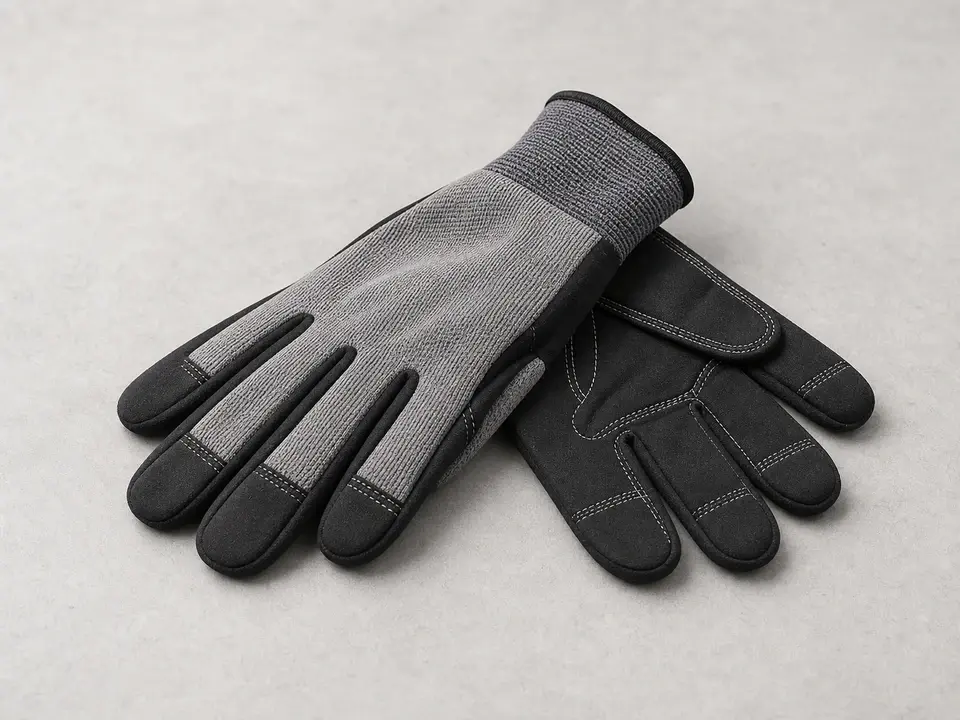
Work gloves
Use it for: Protects your hands from fiberglass, old fasteners, and rough framing while you pull the old batt out.
Shop work glovesTo remove and replace batt insulation in an exterior wall, pull the damaged batt out, prove the cavity is dry, seal the air leaks you can reach, then cut a new batt so it fills the stud bay at full thickness without being crushed.
Remove and replace batt insulation only after you know why the old batt failed. Wet insulation, pest damage, air leaks, and the wrong paper facing should not be hidden behind fresh drywall. A good batt job is boring to look at: dry cavity, clean cuts, full contact at the edges, no voids around wires or boxes, and no stuffed-in insulation.
Before you start: Do not close this wall until the cavity is dry and the leak, draft, or pest damage has been fixed. Buy a batt that matches the wall depth, stud spacing, width, R rating, and paper facing. If you are not sure which way the paper facing belongs, stop and check the wall assembly before installing it.
Use it for: Protects your hands from fiberglass, old fasteners, and rough framing while you pull the old batt out.
Shop work gloves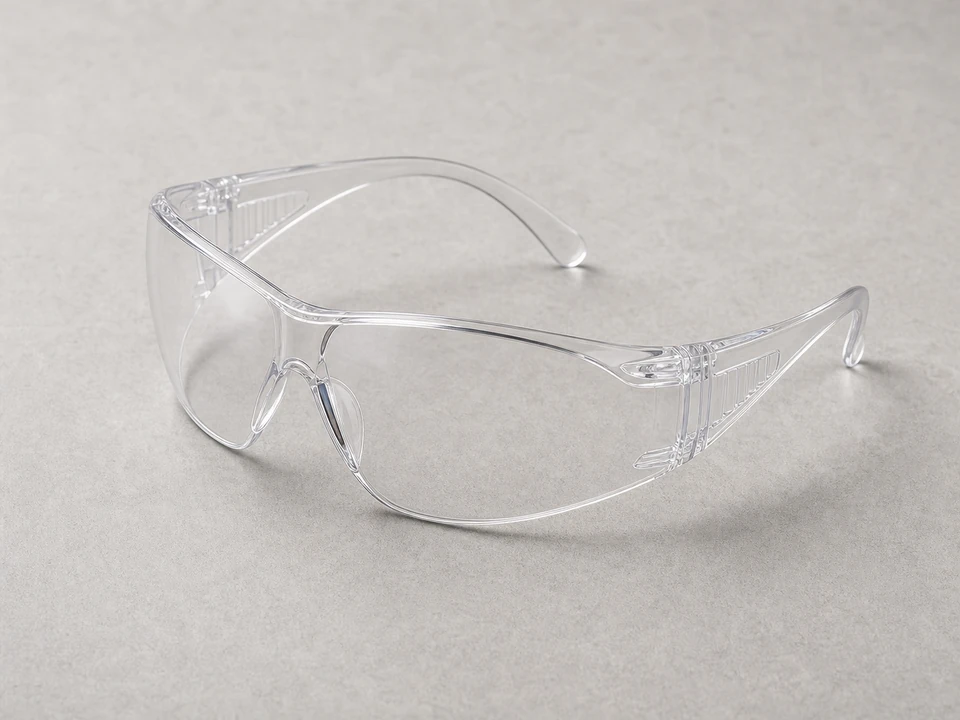
Use it for: Keeps dust and insulation fibers out of your eyes.
Shop safety glasses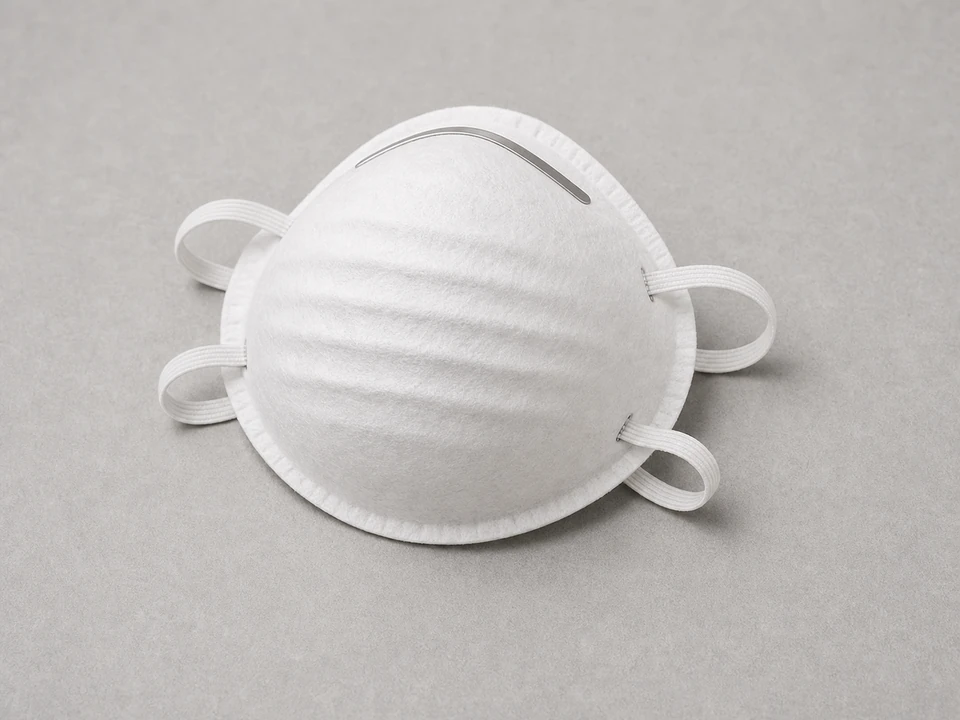
Use it for: Helps reduce irritation from insulation fibers, drywall dust, and debris inside the wall bay.
Shop dust masks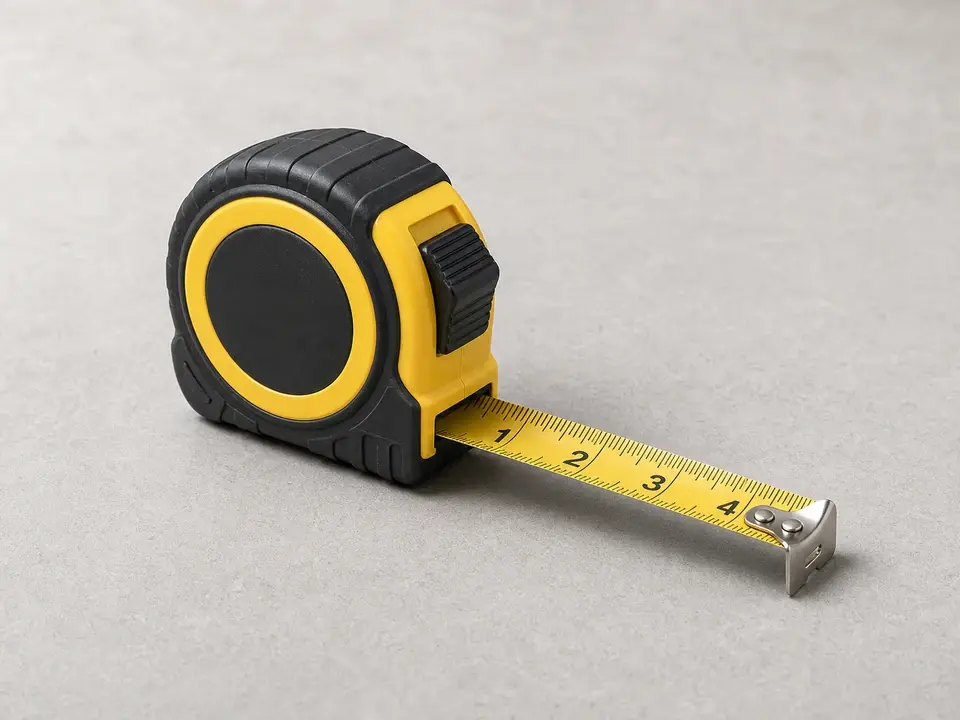
Use it for: Lets you measure stud spacing, cavity height, and wall depth before cutting the new batt.
Shop tape measures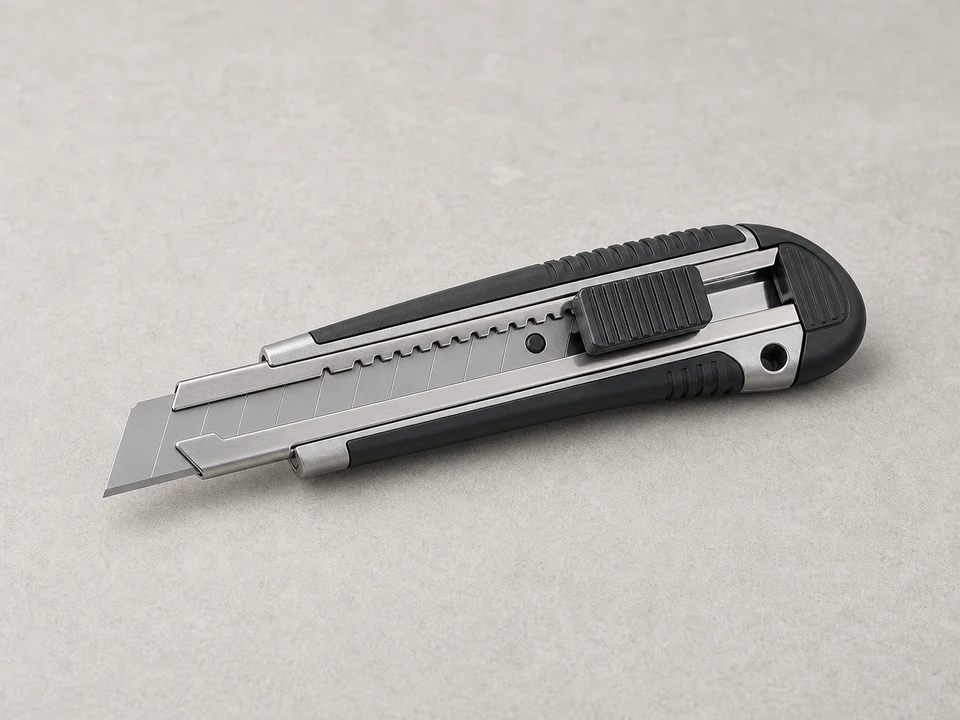
Use it for: Used with a straightedge to cut the batt cleanly instead of tearing it by hand.
Shop utility knives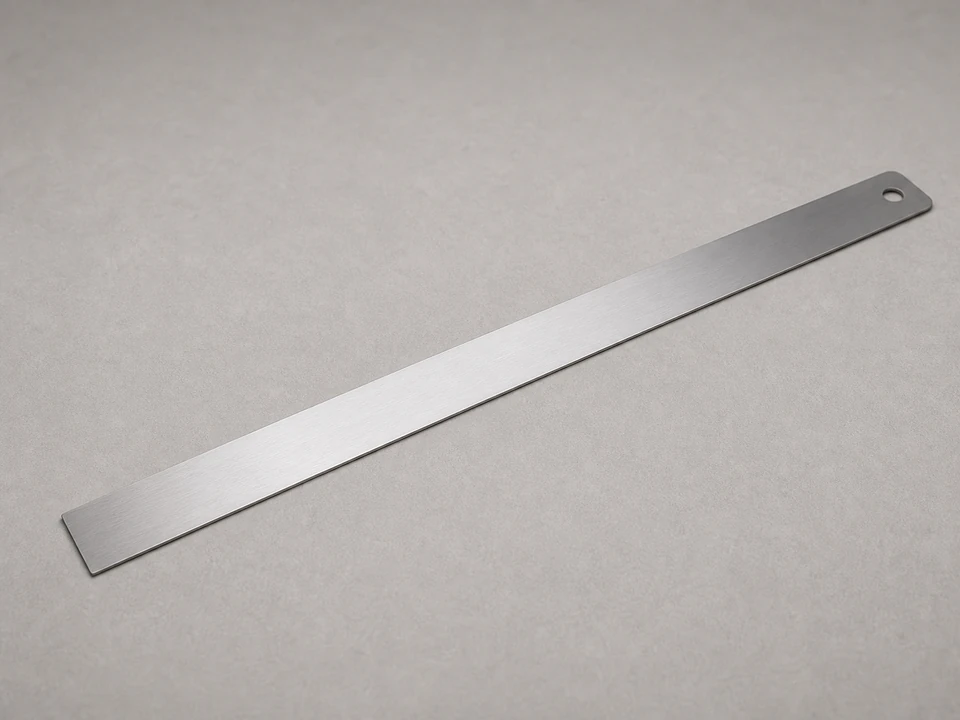
Use it for: Compresses the batt for a clean cut and keeps edges square around boxes, pipes, and blocking.
Shop straightedgesAs an Amazon Associate I earn from qualifying purchases. Repair Riot may earn a commission at no extra cost to you.
If it works: You have a clear reason to replace the batt, and the wall cavity is open enough to do the job properly.
If it doesn’t: If the batt is dry, full, and sitting tight in the bay, do not replace it just to feel productive. Find the draft or leak first.
If it works: The cavity is empty, clean enough to inspect, and no hidden obstruction was damaged during removal.
If it doesn’t: If the old batt is stuck behind wiring, pipes, or blocking, slow down and cut it out in smaller sections.
If it works: The cavity is dry, air leaks you can reach are handled, and the replacement batt size is known.
If it doesn’t: If the cavity is dry but the batt size is slightly off, trim the new batt. Do not jam it in and call it good.
If it works: The new batt matches the bay and has clean cuts for the real obstacles in the wall.
If it doesn’t: If the batt tears, bunches, or needs force to fit, pull it back out and recut it.
If it works: The batt fills the cavity evenly, stays at full thickness, and has no obvious gaps or crushed sections.
If it doesn’t: If the batt bows outward, folds over, or leaves empty spaces, remove it and fix the fit before closing the wall.
If it works: The wall feels more consistent, stays dry, and no longer shows the same cold spot or insulation-related issue.
If it doesn’t: If the wall still feels unusually cold or damp, the problem is probably air leakage, moisture intrusion, or another uninsulated bay.
Buy a batt that matches the wall depth, stud spacing, width, R rating, and paper facing. Do not double up vapor barriers inside the same wall.
As an Amazon Associate I earn from qualifying purchases. Repair Riot may earn a commission at no extra cost to you.
Only if it is dry, clean, full thickness, and still fits the cavity properly. If it is wet, moldy, chewed, torn, compressed, or falling apart, do not put it back in the wall.
Wear protection, pull the old batt out without yanking on wires or pipes, clean the bay, confirm the cavity is dry, seal reachable air gaps, then cut the new batt to fit the stud bay at full thickness. Do not stuff oversized insulation into the wall.
No. Packed tight is bad work. A batt should fill the cavity at full thickness without being crushed. Compression lowers performance and can still leave air paths around the edges.
Do not shove one thick piece behind the wires. Split the batt so insulation sits behind and in front of the wire. The wire should not hold the batt away from the back of the wall.
Not always. A cold wall can come from air leaks, a bad window detail, wet sheathing, or missing insulation in the next bay. Replace the batt when the existing one is clearly damaged, missing, wet, slumped, or compressed.
Match the existing wall and local climate rules. If the old wall used kraft-faced batts, the paper often faces the heated room side in cold climates. Do not add another vapor barrier unless you know the wall is designed for it.