
Work gloves
Use it for: To handle old insulation and protect your hands from irritation and staples.
Shop work glovesTo replace an insulation batt for a skylight shaft, first make sure the shaft is dry and the leak or condensation source has been addressed, then remove the damaged batt, fit a new batt to the cavity without compressing it, and close the area back up.
This is a straightforward repair if the insulation is accessible and the surrounding drywall and framing are still sound. The goal is to restore insulation value without trapping moisture inside the shaft.
Before you start: Match the replacement part to your exact insulation before ordering.
Use it for: To handle old insulation and protect your hands from irritation and staples.
Shop work gloves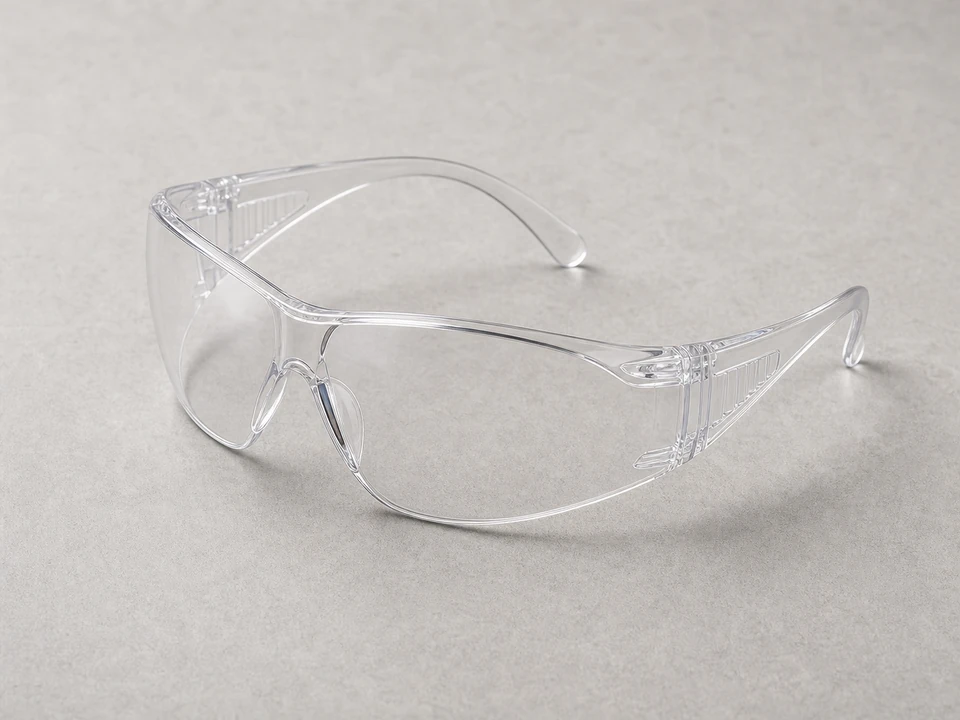
Use it for: To keep insulation fibers and dust out of your eyes while working overhead.
Shop safety glasses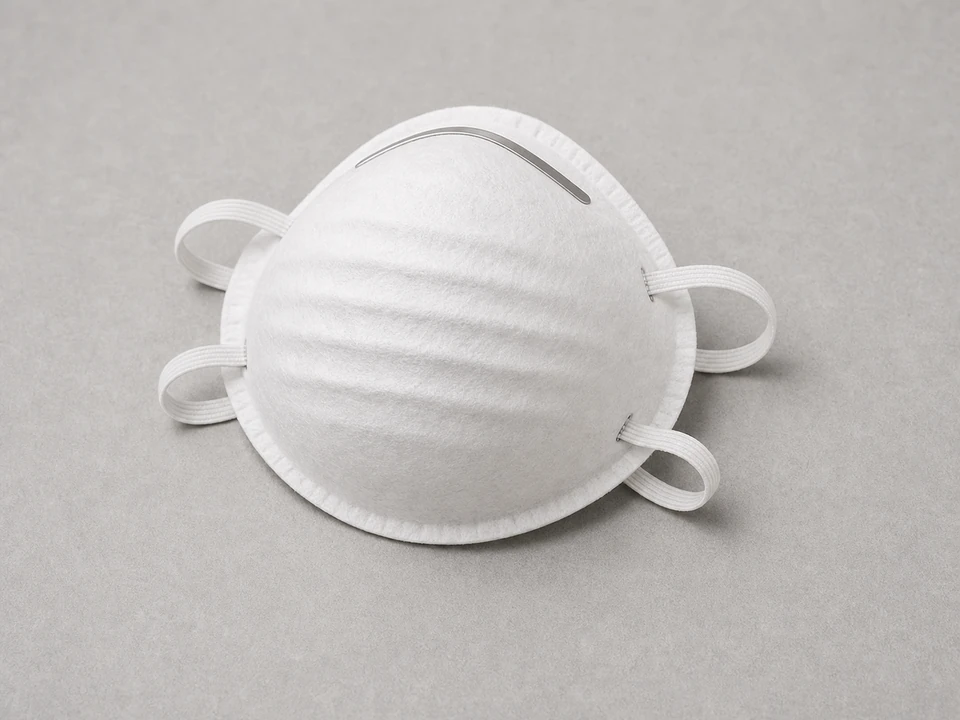
Use it for: To reduce breathing in insulation fibers and dust during removal and cleanup.
Shop dust masks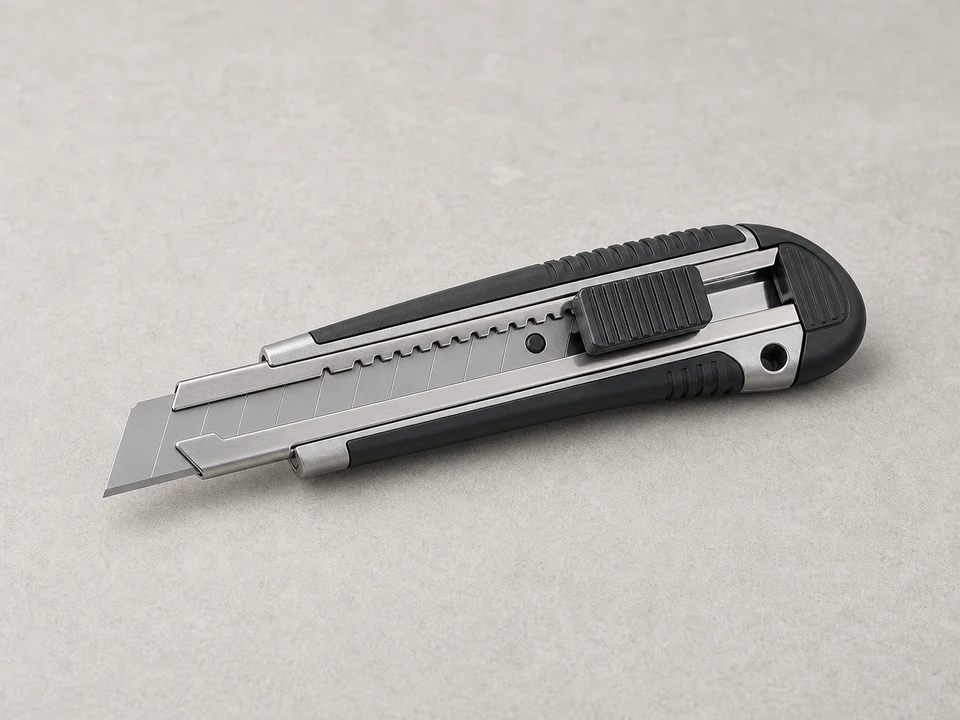
Use it for: To trim the new batt so it fits the skylight shaft cavity cleanly.
Shop utility knives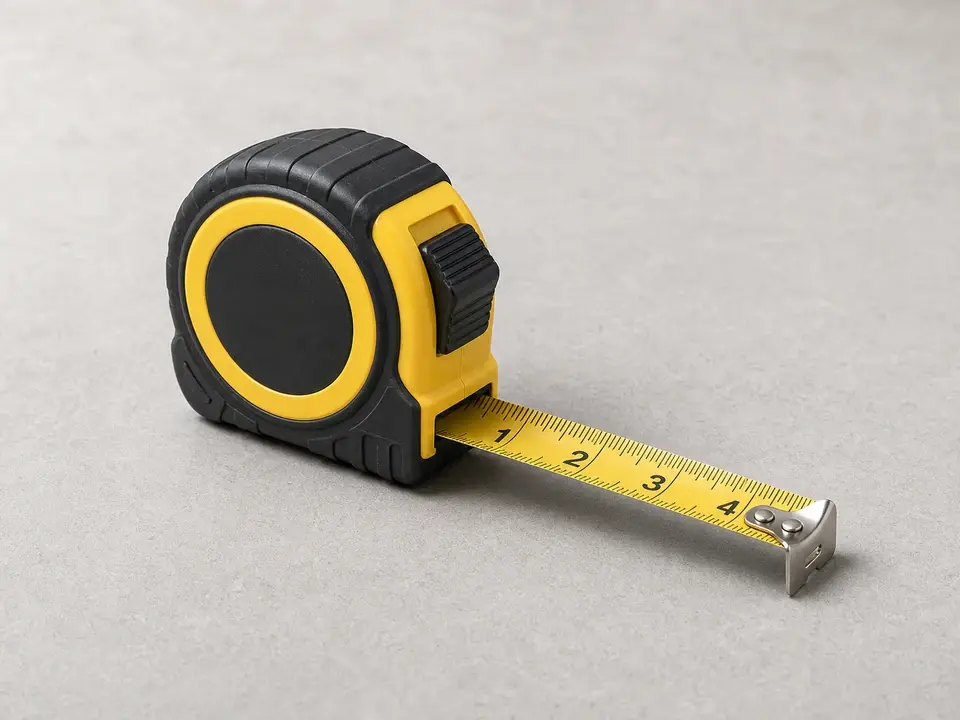
Use it for: To measure cavity width, depth, and length before cutting the replacement batt.
Shop tape measures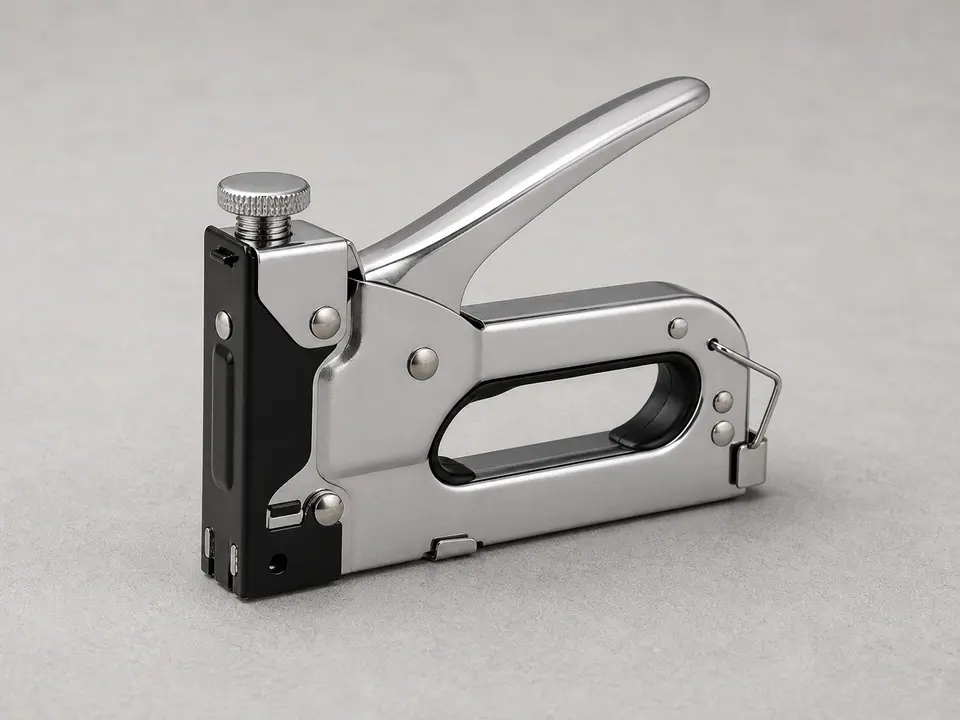
Use it for: To secure facing or support material if your shaft insulation setup uses it.
Shop staple guns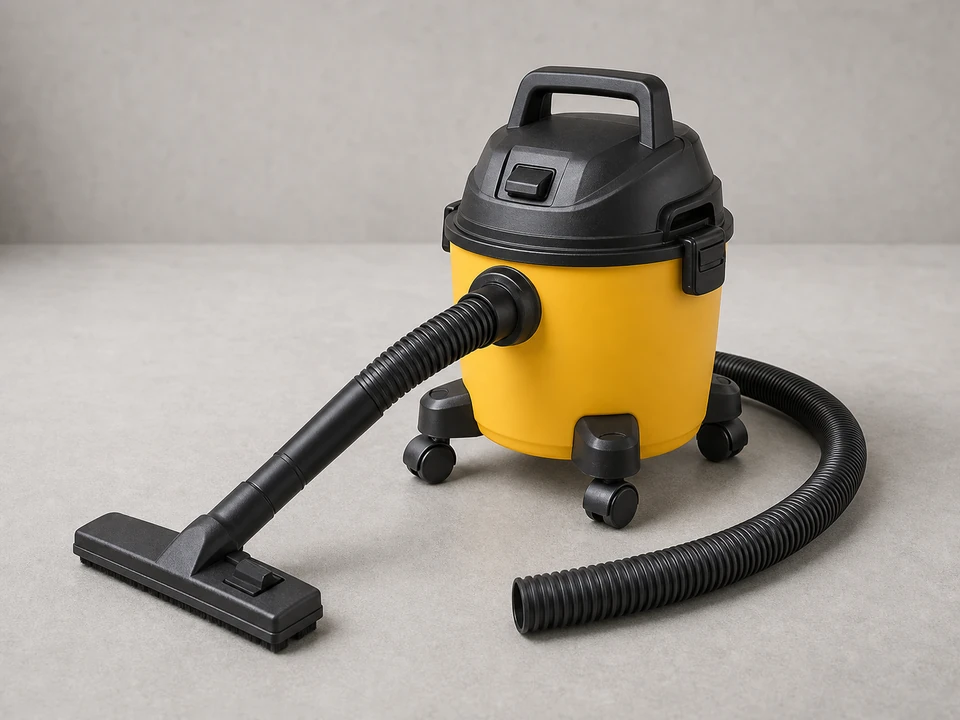
Use it for: To clean out loose fibers, dust, and debris before installing new insulation.
Shop shop vacsAs an Amazon Associate I earn from qualifying purchases. Repair Riot may earn a commission at no extra cost to you.
If it works: You have confirmed the batt insulation is the failed part and the shaft is dry enough for replacement.
If it doesn’t: If the insulation looks fine and the real problem is a roof leak, failed flashing, or damaged drywall, address that issue first instead of replacing the batt alone.
If it works: You have safe access to the damaged insulation batt and the work area is protected.
If it doesn’t: If you cannot reach the insulation without opening a larger section of finish, make a neat opening that will be easy to patch later.
If it works: The skylight shaft cavity is empty, clean, and dry enough for new insulation.
If it doesn’t: If the cavity still will not dry or keeps showing fresh moisture, pause and solve the moisture source before installing the replacement batt.
If it works: The replacement batt is cut to fit the skylight shaft cavity snugly and evenly.
If it doesn’t: If the batt keeps bunching up or leaving open gaps, recut it so it sits flat and fills the cavity without being compressed.
If it works: The new batt is secure, fills the cavity well, and the shaft is closed back up.
If it doesn’t: If the batt sags or falls away from the cavity, reopen the area and add proper support so it stays in full contact with the shaft wall.
If it works: The skylight shaft stays dry, the insulation remains in place, and the repair is holding under normal conditions.
If it doesn’t: If moisture returns, the batt was only part of the problem and the skylight, flashing, air sealing, or surrounding finish needs closer diagnosis.
Match the replacement part to your exact insulation before ordering.
As an Amazon Associate I earn from qualifying purchases. Repair Riot may earn a commission at no extra cost to you.
Usually yes. Insulation that has been wet often loses performance and can hold odors or support mold growth. It is better to remove it, dry the cavity, and install a fresh batt once the moisture source is handled.
No. Overpacking batt insulation reduces its effectiveness. The batt should fill the cavity fully but keep its intended thickness instead of being compressed.
That usually points to an air sealing or moisture control problem, not just bad insulation. Replacing the batt can help, but recurring condensation means you should also look for warm indoor air leaking into the shaft or a cold surface that is not properly sealed.
Only if the remaining insulation is clean, dry, full thickness, and not falling apart. Any wet, stained, moldy, or compressed section should be discarded.
You should match the replacement as closely as practical in size and intended use so it fits the cavity correctly and restores the original insulation layer without changing how the shaft assembly works.