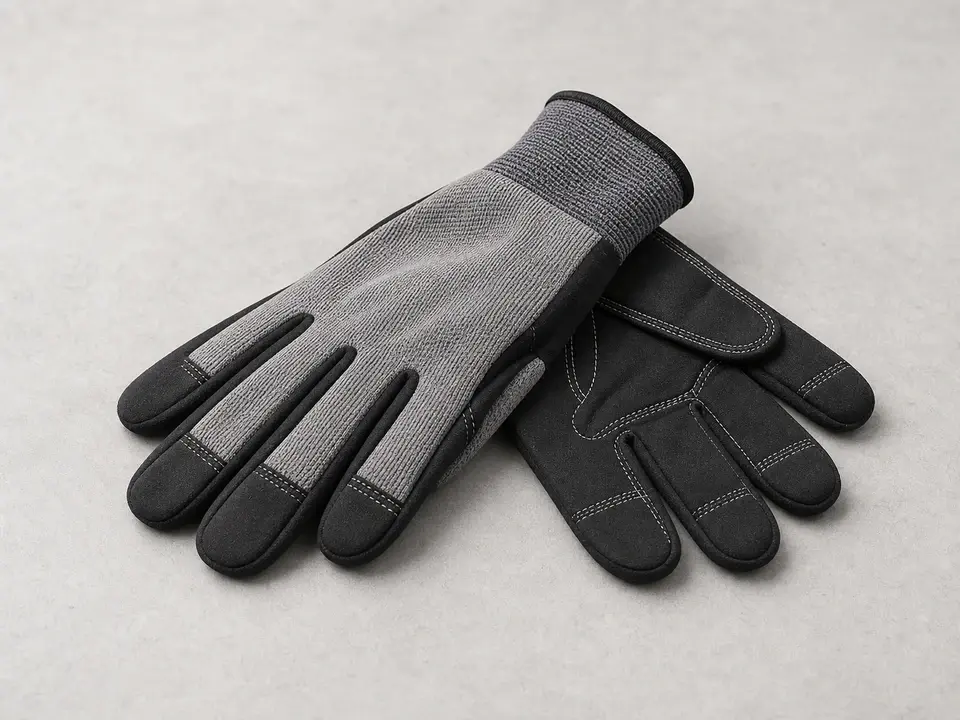
Work gloves
Use it for: Protect your hands from sharp rod ends, staples, and rough framing.
Shop work glovesTo replace insulation support rods, remove any loose or damaged rods, lift the insulation back into place, and press new rods between the floor joists so they hold the insulation snugly without crushing it.
This is usually the right fix when insulation is sagging or dropping because the old rods are missing, rusted, bent, or no longer gripping the joists. The goal is to support the insulation evenly so it stays up against the subfloor.
Before you start: Match the replacement part to your exact insulation before ordering.
Use it for: Protect your hands from sharp rod ends, staples, and rough framing.
Shop work gloves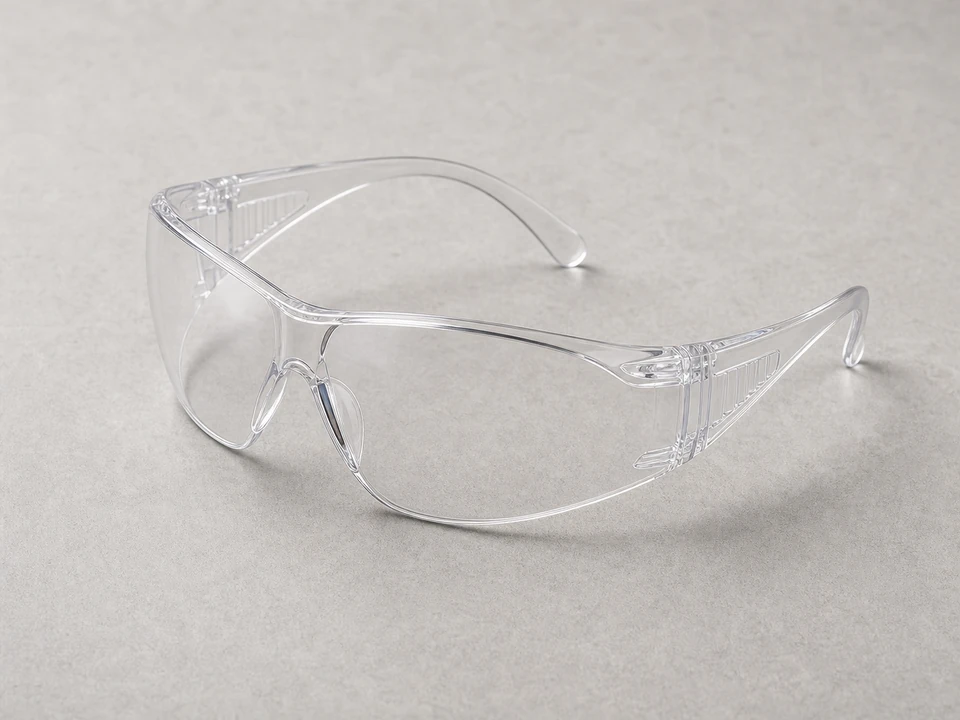
Use it for: Keep dust and insulation fibers out of your eyes while working overhead.
Shop safety glasses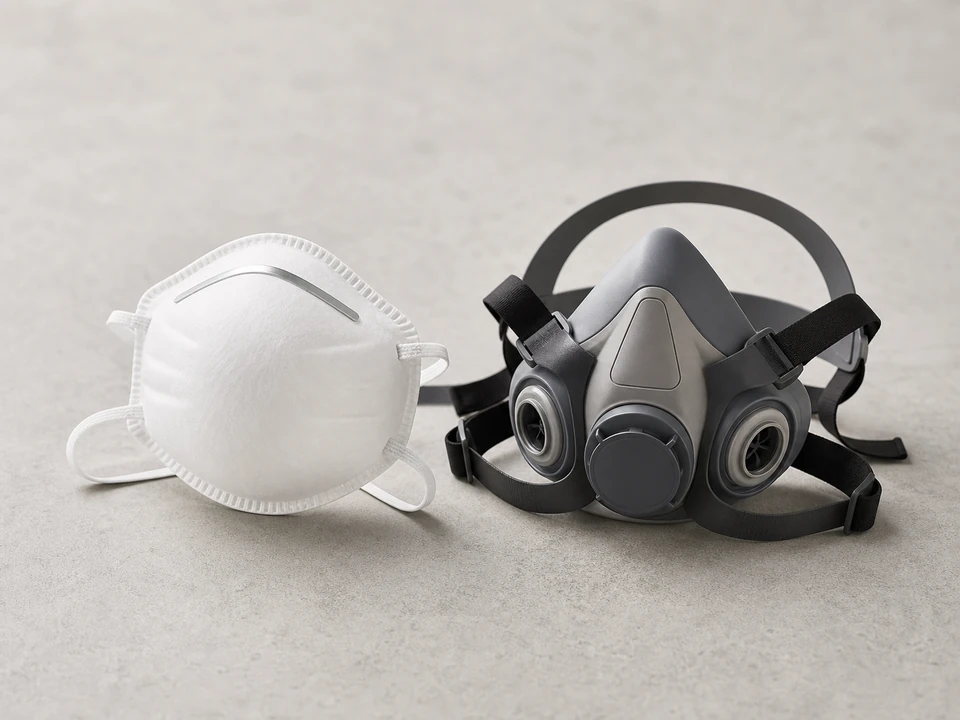
Use it for: Helps reduce breathing in insulation fibers and crawl space dust.
Shop dust masks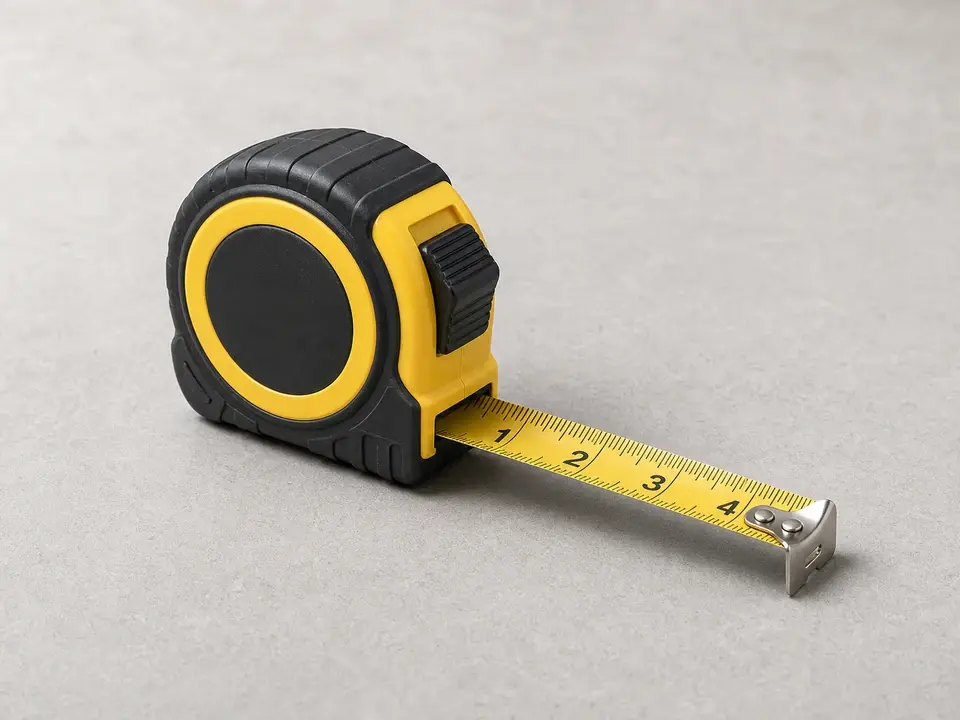
Use it for: Measure the joist bay width so the new rods fit tightly.
Shop tape measures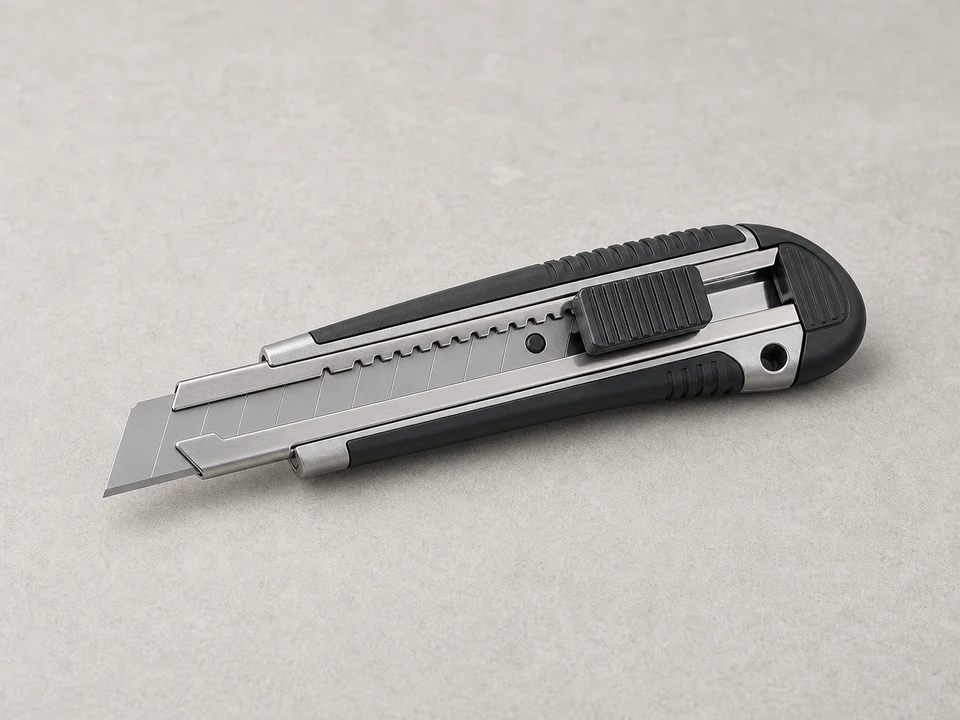
Use it for: Trim torn facing or cut away damaged insulation sections if needed.
Shop utility knives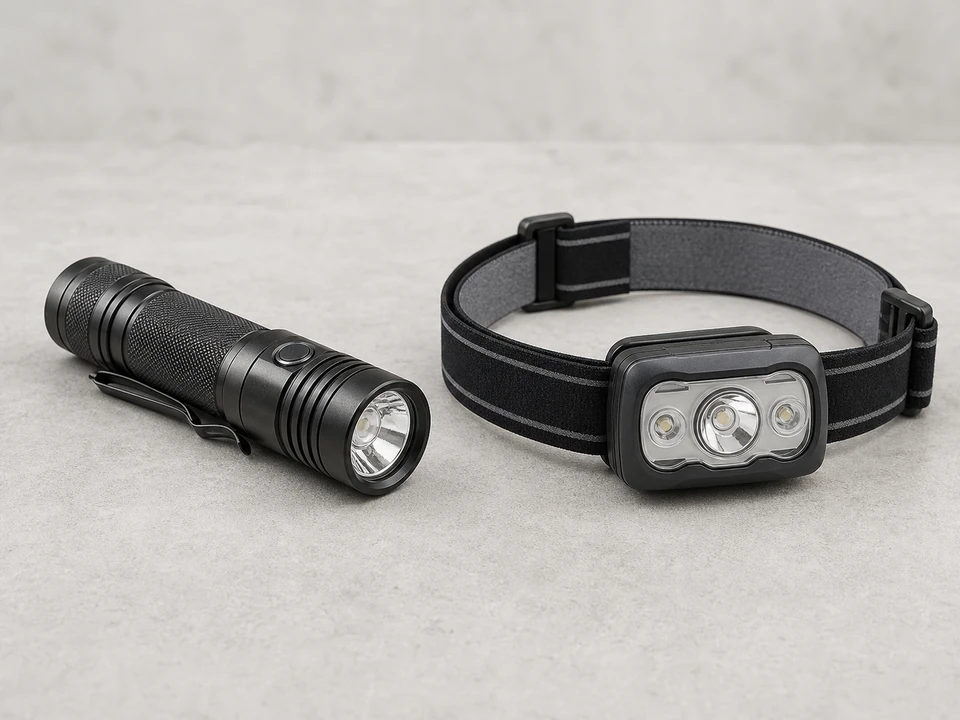
Use it for: Lets you see missing rods, sagging insulation, and joist spacing clearly.
Shop headlampsAs an Amazon Associate I earn from qualifying purchases. Repair Riot may earn a commission at no extra cost to you.
If it works: You have confirmed the insulation is sagging because the support rods failed or are missing.
If it doesn’t: If the insulation is wet, moldy, badly torn, or falling because the subfloor or framing is damaged, fix the moisture or structural problem before replacing rods.
If it works: The work area is clear and the old rods are out of the way.
If it doesn’t: If a rod is stuck, wiggle one end free first instead of forcing it hard enough to damage the joists or insulation.
If it works: The insulation is back in position and ready to be supported.
If it doesn’t: If the insulation will not stay together well enough to lift and support, replace the damaged insulation section before installing new rods.
If it works: The new rods are holding the insulation up snugly and evenly.
If it doesn’t: If a rod feels loose, remeasure the bay and use the correct size rod or reposition it so it has a firmer spring fit.
If it works: The insulation is evenly supported with no obvious sagging sections.
If it doesn’t: If the insulation still sags after adding rods, the insulation may be the wrong size for the bay or too damaged to reuse.
If it works: The insulation remains supported and the rods stay firmly in place after the area settles back into normal use.
If it doesn’t: If rods keep slipping out, recheck joist spacing, rod size, and insulation condition. You may need different rods or partial insulation replacement.
Match the replacement part to your exact insulation before ordering.
As an Amazon Associate I earn from qualifying purchases. Repair Riot may earn a commission at no extra cost to you.
If the insulation is mostly dry, intact, and just sagging because rods are missing or bent, new rods are usually enough. If the insulation is wet, moldy, badly torn, or falling apart, replace the damaged insulation too.
Use even spacing close enough to keep the insulation from sagging between rods. The exact spacing depends on the insulation thickness and condition, but the goal is steady support across the whole bay.
Only if they are straight, clean, and still spring tightly between the joists. Bent, rusted, or weak rods are more likely to slip out again, so replacement is usually the better choice.
They go below the insulation and hold it up in the joist bay. They should support the insulation, not pierce through it or crush it hard against the subfloor.
That usually points to another problem, such as damaged insulation, the wrong rod size, moisture damage, or framing that will not hold the rod ends securely. Fix that root cause before trying more rods.