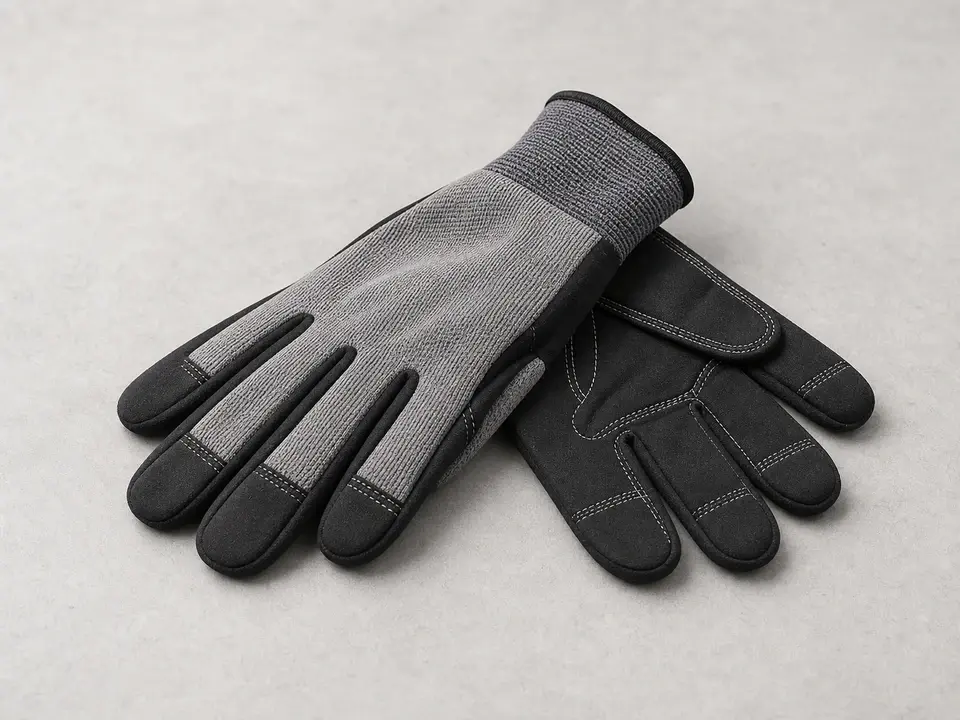
Work gloves
Use it for: Protects your hands from sharp wire ends, wood splinters, and itchy insulation.
Shop work glovesIf insulation is sagging or falling because the old supports are bent, missing, or no longer holding tension between joists, replacing the insulation support wires is the right fix.
This is usually a straightforward repair in an unfinished basement, crawlspace, or attic floor. The goal is to put the insulation back where it belongs without compressing it too much or leaving gaps.
Before you start: Match the replacement part to your exact insulation before ordering.
Use it for: Protects your hands from sharp wire ends, wood splinters, and itchy insulation.
Shop work gloves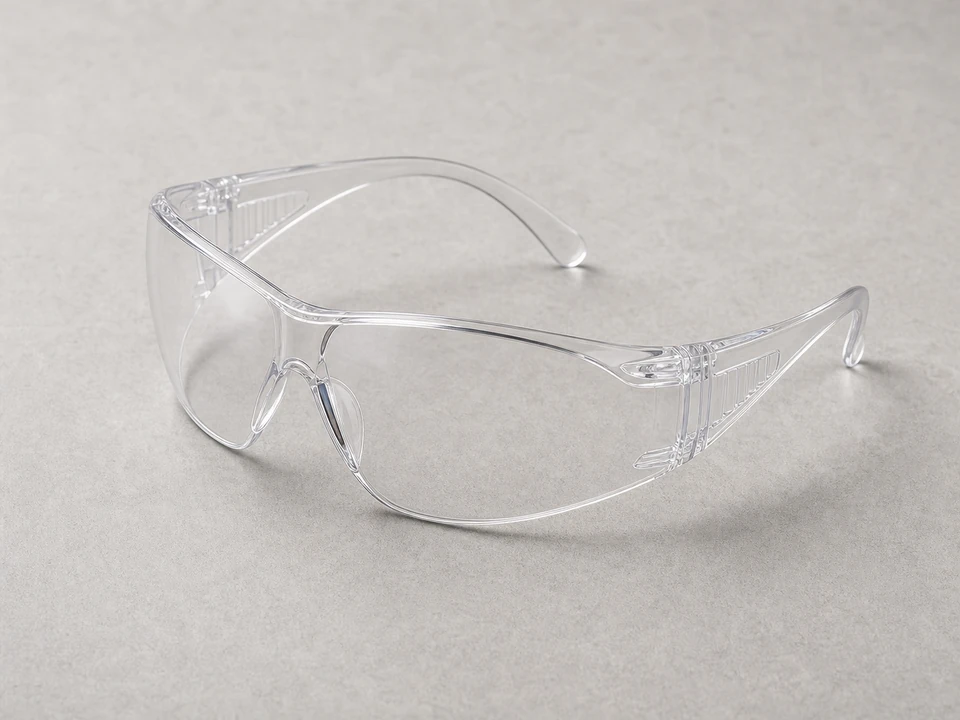
Use it for: Keeps dust and insulation fibers out of your eyes while you work overhead.
Shop safety glasses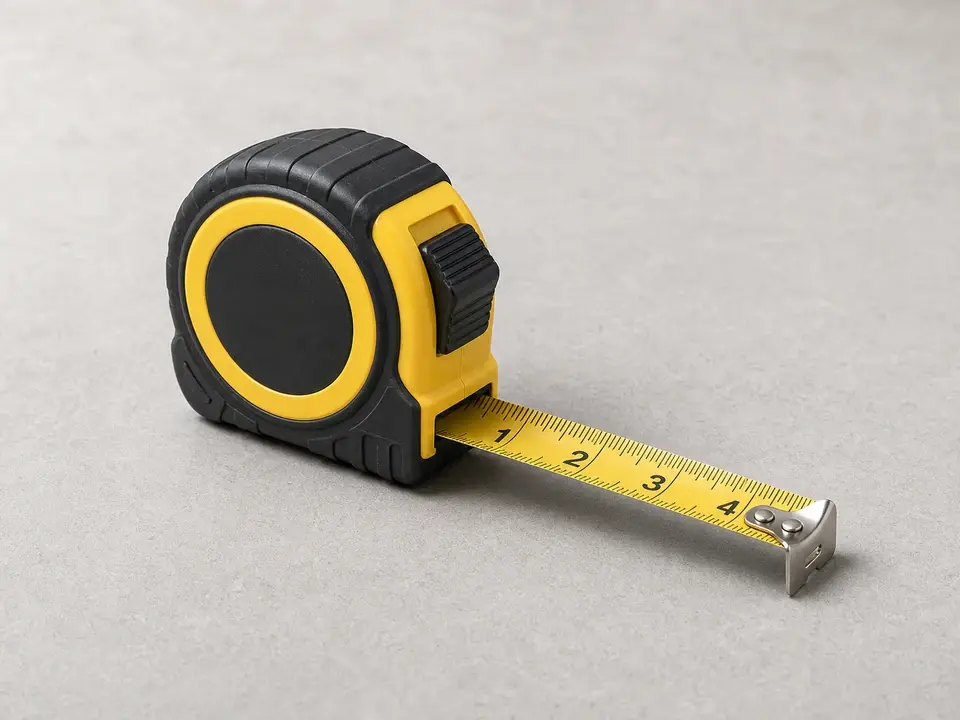
Use it for: Helps you check joist spacing so the replacement wires fit tightly.
Shop tape measures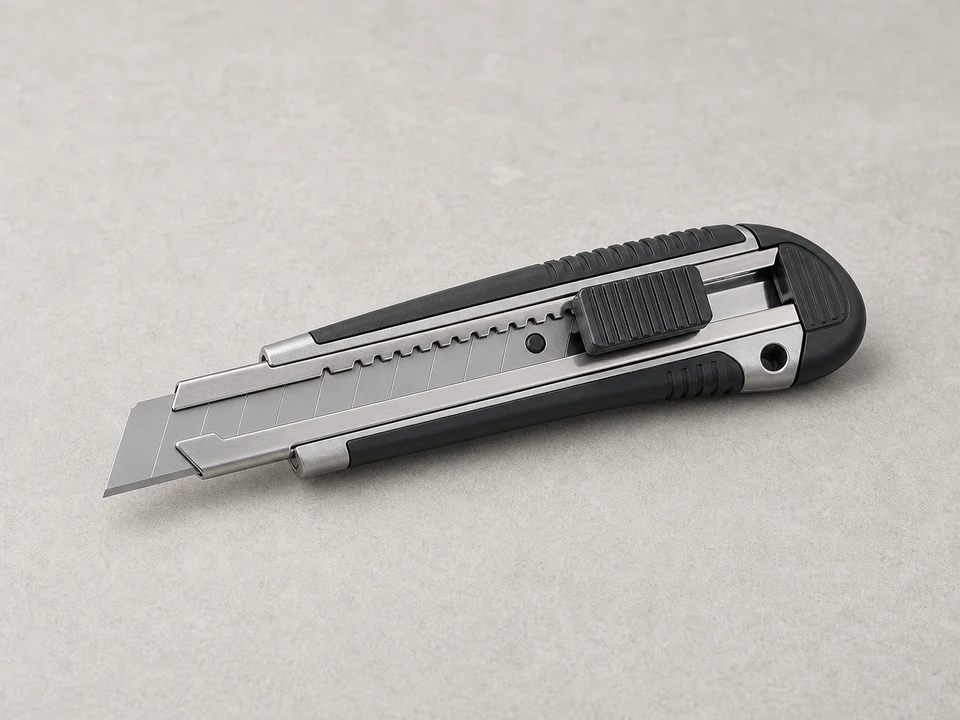
Use it for: Useful for trimming facing or cutting away damaged insulation material that is in the way.
Shop utility knives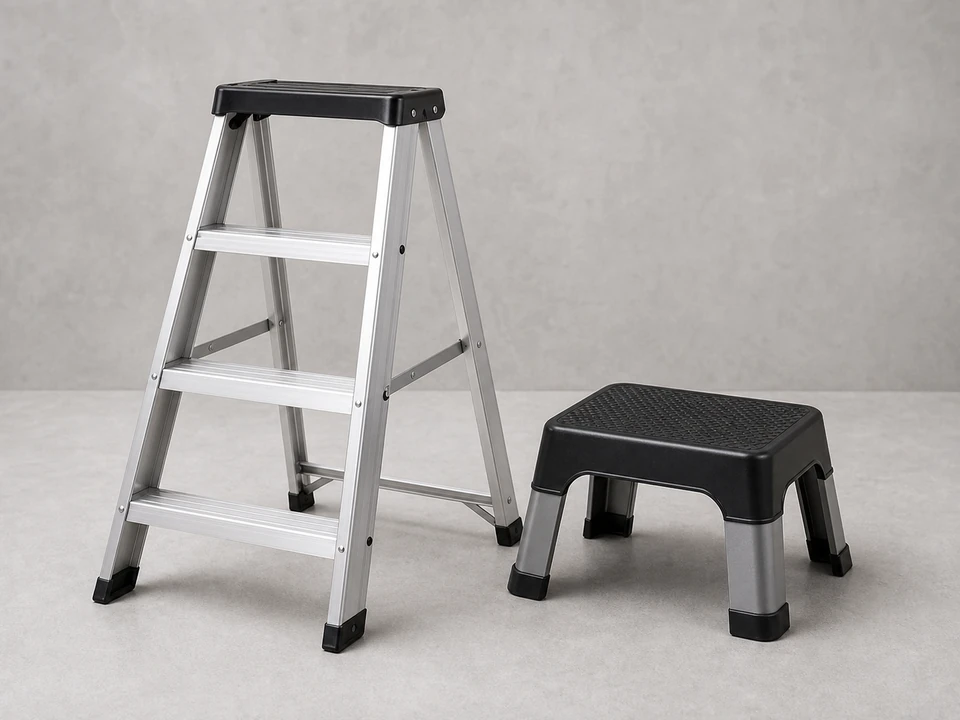
Use it for: Gives you stable access if the insulation is above shoulder height.
Shop step ladders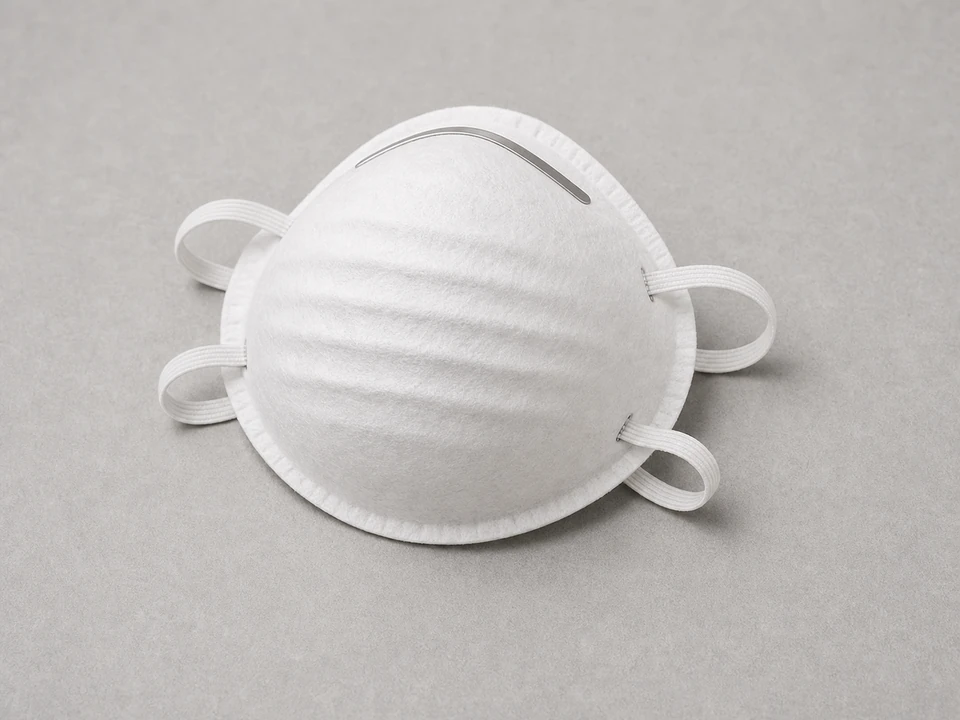
Use it for: Helps reduce irritation from loose dust and insulation fibers.
Shop dust masksAs an Amazon Associate I earn from qualifying purchases. Repair Riot may earn a commission at no extra cost to you.
If it works: You have confirmed the insulation support wires are what failed, and you know the joist spacing for the replacement.
If it doesn’t: If the wires are still solid and tight, the insulation may be falling because it is damaged, too heavy from moisture, or installed incorrectly.
If it works: The damaged supports are out, and the insulation is down far enough to reinstall neatly.
If it doesn’t: If the insulation keeps tearing apart as you handle it, plan to replace the damaged section instead of trying to force it back up.
If it works: The insulation is back in place and ready to be held up by the new support wires.
If it doesn’t: If the insulation will not sit in the bay without bunching, it may be the wrong size or too damaged to reuse cleanly.
If it works: The new insulation support wires are holding the insulation securely and evenly between the joists.
If it doesn’t: If a wire keeps slipping out, recheck the joist spacing and use the correct length support wire for that bay.
If it works: The insulation sits evenly, with no obvious sagging sections or unsupported gaps.
If it doesn’t: If the insulation still droops after adding proper support, the material may be too heavy or damaged and should be replaced.
If it works: The insulation stays in place and the new support wires continue to hold it securely.
If it doesn’t: If the insulation drops again, remeasure the joist bay, replace any loose wires with the correct size, and inspect the insulation itself for damage or excess weight from moisture.
Match the replacement part to your exact insulation before ordering.
As an Amazon Associate I earn from qualifying purchases. Repair Riot may earn a commission at no extra cost to you.
Replace them if they are missing, bent, rusted, loose, or no longer holding the insulation tightly between the joists. If the insulation is falling even though the wires are intact, the real problem may be damaged or wet insulation.
Usually no. Once they lose tension, bend badly, or rust, they are less likely to stay in place. New wires are inexpensive and usually hold much better.
Use enough wires to support the insulation evenly across the whole joist bay. The exact count depends on the bay length and how well the insulation stays up, but the goal is consistent support without long unsupported spans.
They should hold the insulation snugly, but not crush it flat. Over-compressing insulation can reduce how well it performs.
That usually points to a different root cause, such as wet insulation, the wrong insulation size, torn facing, or joists that will not hold the wire ends securely.