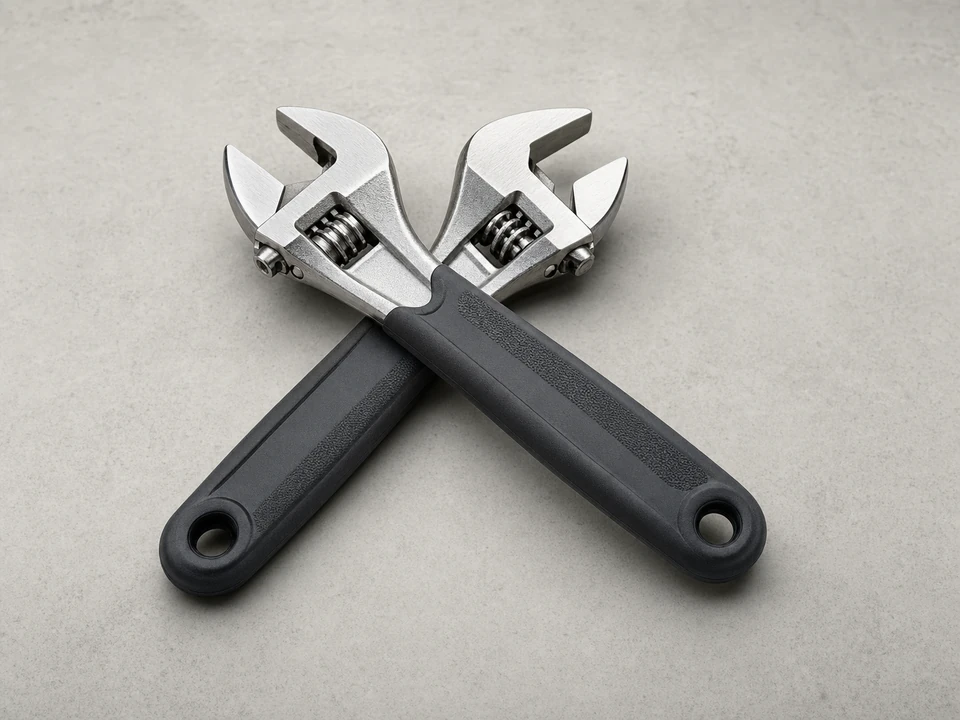
Adjustable wrench
Use it for: To loosen and tighten the hose connection at the shutoff valve and some faucet fittings.
Shop adjustable wrenchesTo replace a kitchen faucet cold supply hose, shut off the cold water, disconnect the old hose from the shutoff valve and faucet, install the matching replacement hose, then turn the water back on and check carefully for leaks.
This repair is a good fit when the cold side leaks under the sink, the hose is kinked or damaged, or the faucet has weak or no cold flow while the shutoff valve still works. Work slowly in the cabinet so you do not twist the faucet body or cross-thread the new connection.
Before you start: Match the replacement part to your exact kitchen sink before ordering.
Use it for: To loosen and tighten the hose connection at the shutoff valve and some faucet fittings.
Shop adjustable wrenches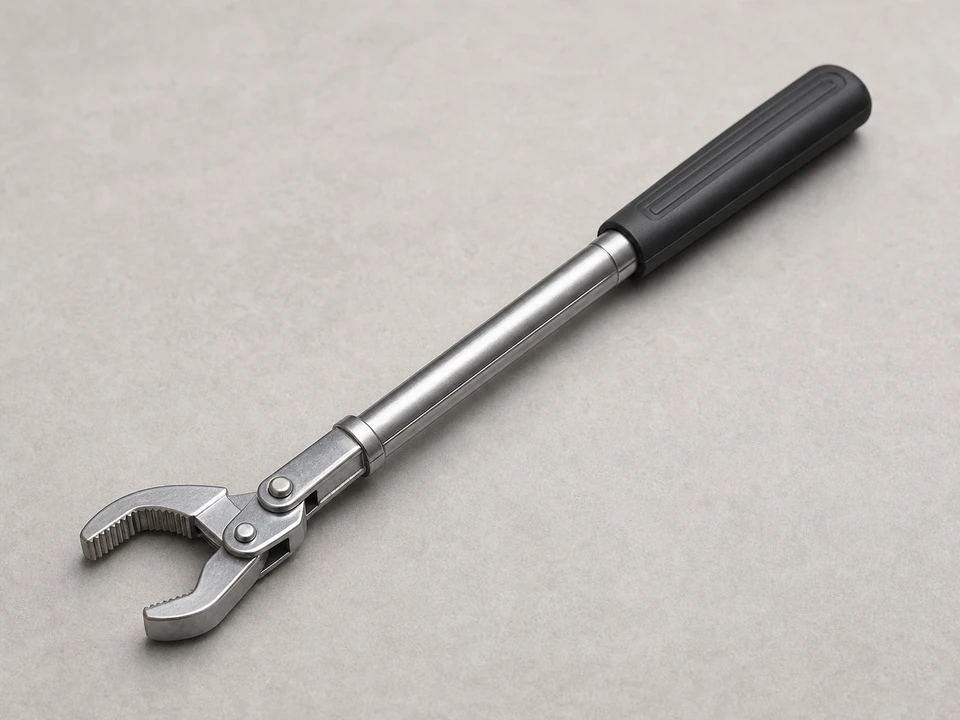
Use it for: To reach faucet connections tucked high behind the sink bowl.
Shop basin wrenches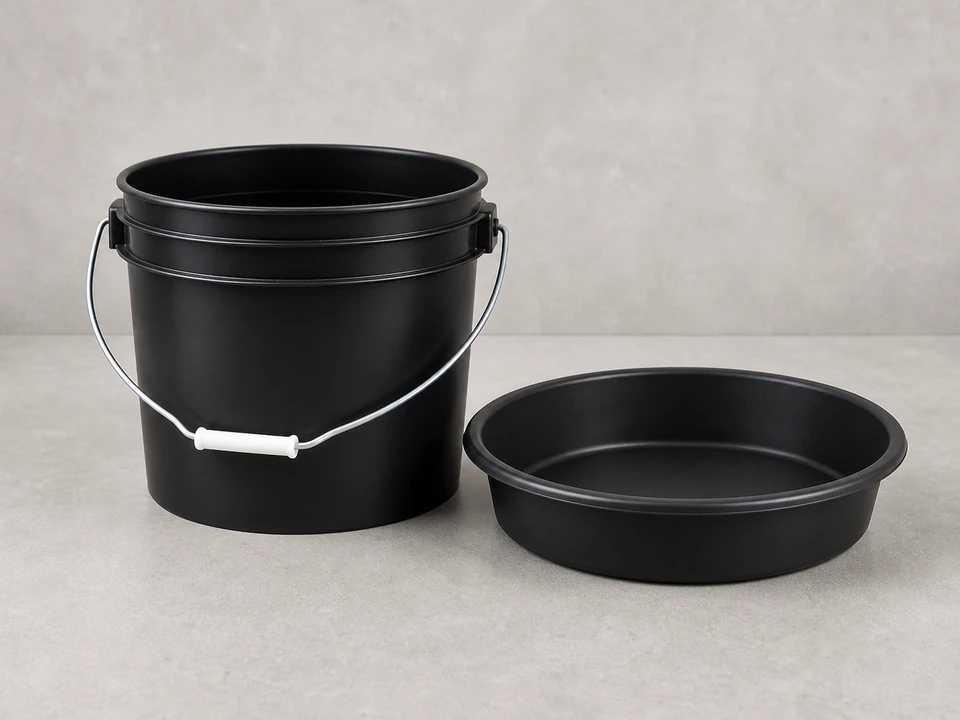
Use it for: To catch the water left in the hose when you disconnect it.
Find a drain pan or bucket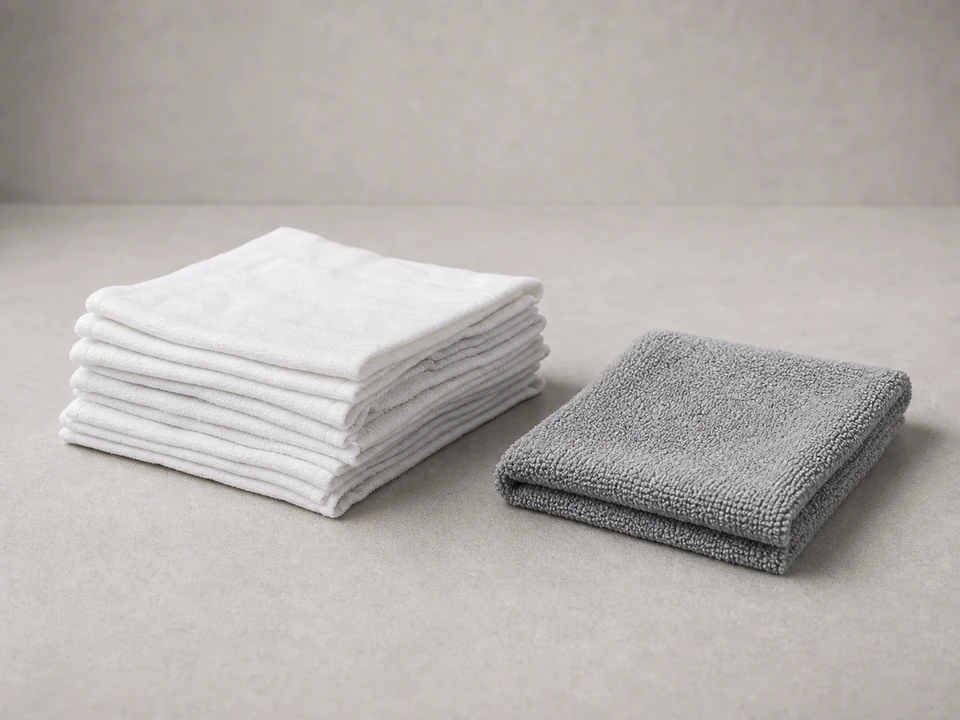
Use it for: To protect the cabinet floor and wipe fittings dry for leak checks.
Shop absorbent shop towels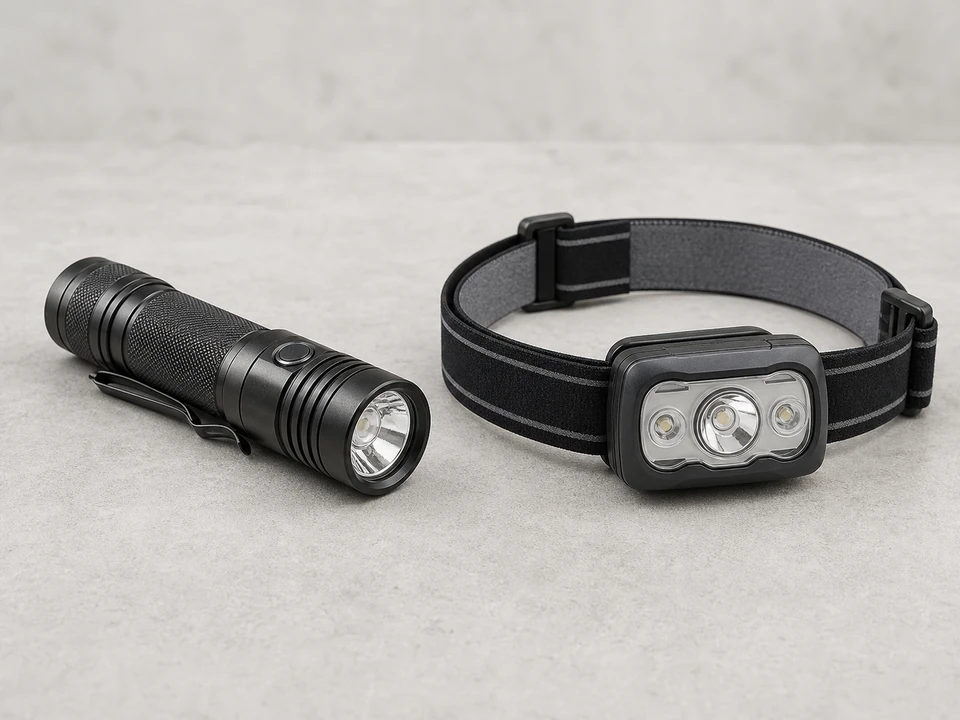
Use it for: To see the hose routing and threads clearly under the sink.
Find a headlamp for under-sink workAs an Amazon Associate I earn from qualifying purchases. Repair Riot may earn a commission at no extra cost to you.
If it works: You have confirmed the cold hose is leaking, damaged, restricted, or otherwise the most likely cause.
If it doesn’t: If both hot and cold have the same problem, or the shutoff valve will not close, diagnose the shutoff valve or faucet before replacing the hose.
If it works: The cold line is depressurized and the cabinet is protected from leftover water.
If it doesn’t: If water keeps running strongly from the cold side, the shutoff valve is not closing fully and should be addressed before you continue.
If it works: The old cold supply hose is fully removed and you have the details needed to match the replacement.
If it doesn’t: If the fitting is stuck, apply steady pressure with the correct wrench and improve access with a basin wrench rather than forcing the faucet body to twist.
If it works: The new hose is installed, properly routed, and both fittings are snug and straight.
If it doesn’t: If the hose will not thread on by hand, back it off and realign it. Cross-threaded fittings will leak and can ruin the connection.
If it works: The cold side runs normally and both hose connections stay dry under pressure and during use.
If it doesn’t: If a fitting seeps, shut the valve back off and tighten that connection slightly, then test again.
If it works: The new kitchen faucet cold supply hose is holding, the cold side works normally, and the cabinet remains dry.
If it doesn’t: If cold flow is still weak or missing with a dry new hose, the problem may be in the shutoff valve, faucet cartridge, or debris in the faucet inlet.
Match the replacement part to your exact kitchen sink before ordering.
As an Amazon Associate I earn from qualifying purchases. Repair Riot may earn a commission at no extra cost to you.
A bad hose often shows visible leaking, bulging, corrosion, or a hard kink under the sink. If the shutoff valve works and the problem is isolated to the cold line, the hose is a reasonable first repair. If the new hose does not restore flow, the faucet or shutoff valve may be the real issue.
Not always. If only the cold hose is leaking or damaged, you can replace just that hose. If the hot hose is the same age and shows wear, many homeowners replace both while access is open.
Usually no for standard supply hose connections. Most faucet supply hose fittings seal with their own built-in washer or gasket, not with thread tape. Adding tape can interfere with proper sealing.
Do not continue with the hose replacement until you can stop the water safely. If the local valve will not shut off, you may need to use the home's main water shutoff and address the faulty valve.
The most common causes are cross-threading, a mismatched fitting, dirt on the sealing surface, or a damaged valve or faucet connection. Shut the water off, remove the hose, inspect the threads and sealing surfaces, and reinstall it by hand before tightening.