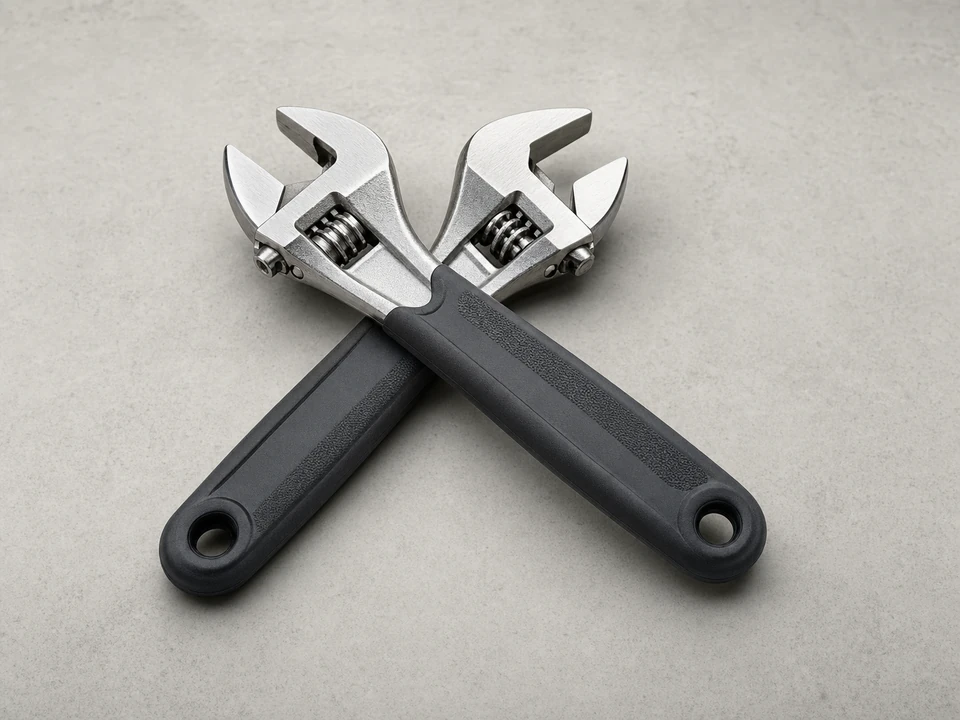
Adjustable wrench
Use it for: To loosen and tighten the supply line nuts at the shutoff valve and faucet connection.
Shop adjustable wrenchesTo replace a kitchen faucet hot supply line, confirm the hot side line is leaking, kinked, or restricted, shut off the hot water, remove the old line, install a matching replacement, then test for full flow and leaks.
This is usually a straightforward under-sink repair if the shutoff valve works and the faucet connection is accessible. The key is matching the new line to the old one and avoiding overtightening.
Before you start: Match the line length, end sizes, and connection type before ordering.
Use it for: To loosen and tighten the supply line nuts at the shutoff valve and faucet connection.
Shop adjustable wrenches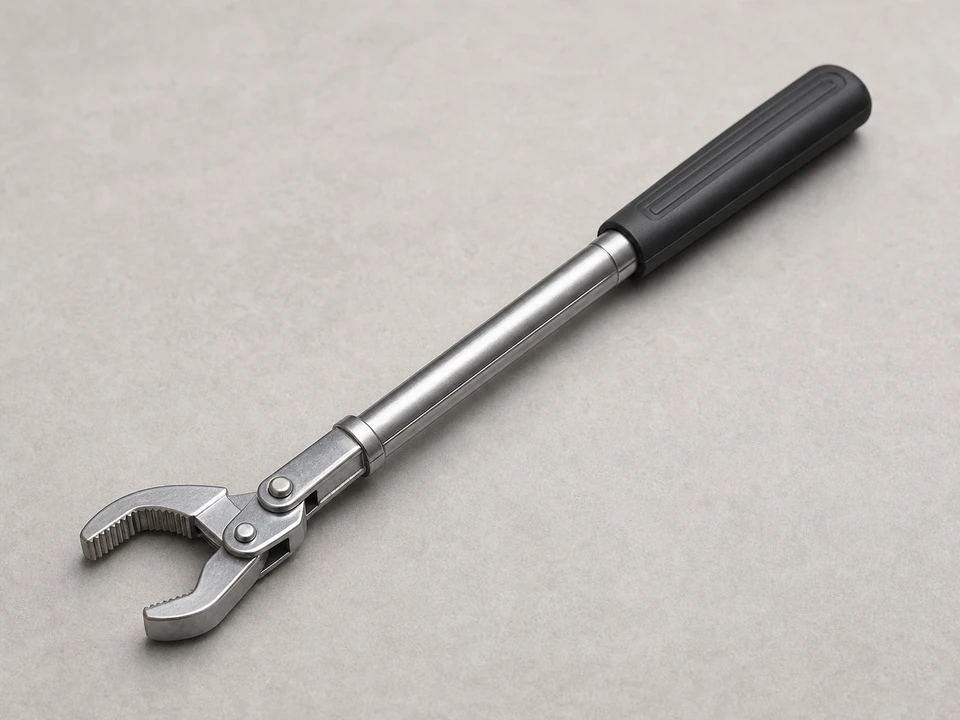
Use it for: Helpful if the faucet connection is tucked up behind the sink where a regular wrench will not fit well.
Shop basin wrenches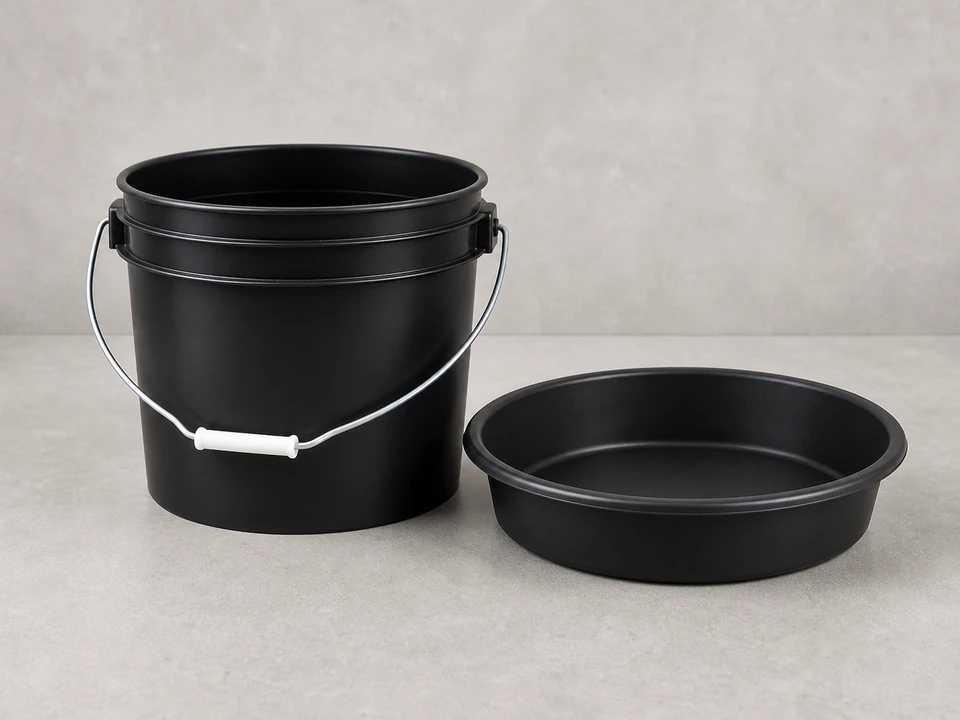
Use it for: To catch the water left in the line when you disconnect it.
Find a drip pan or bucket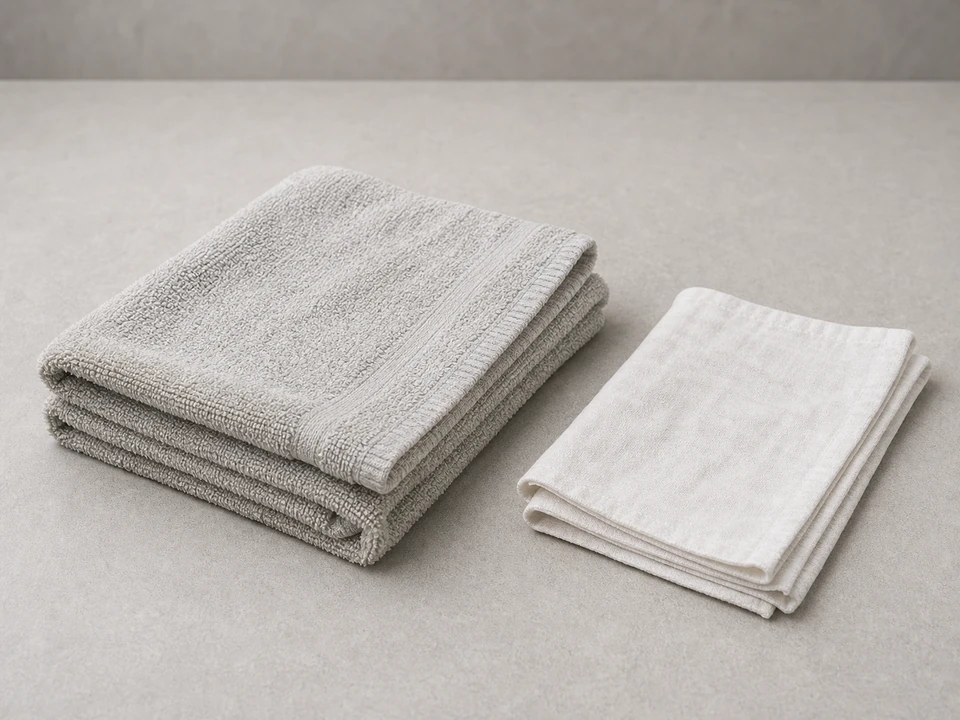
Use it for: To protect the cabinet floor and wipe fittings dry during leak checks.
Shop absorbent shop towels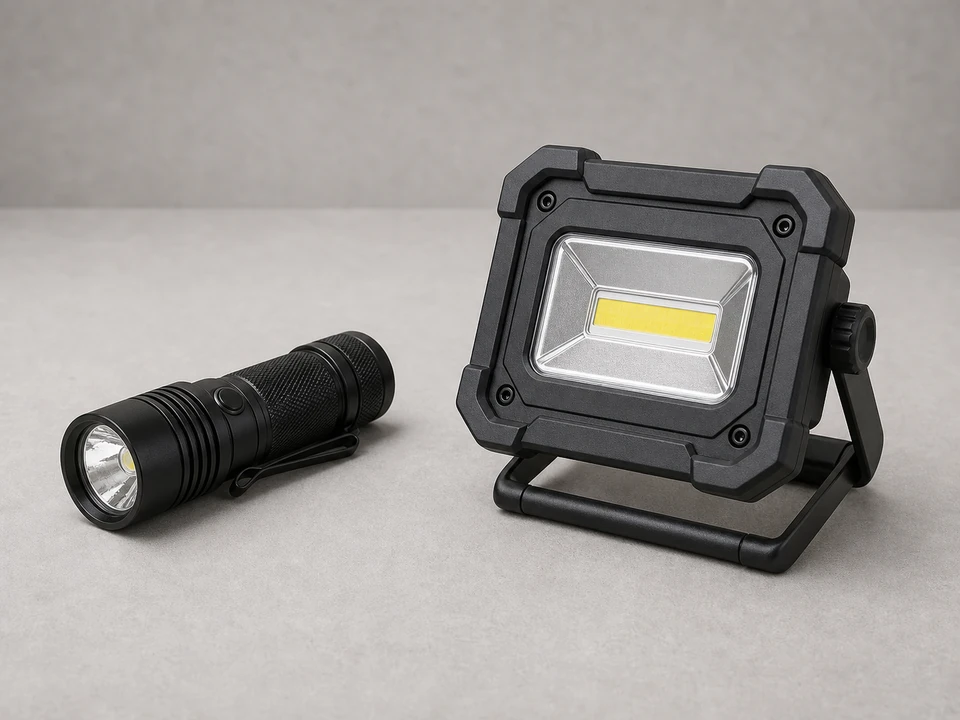
Use it for: To see the faucet shank, shutoff valve, and any slow drips under the sink.
Find a work lightAs an Amazon Associate I earn from qualifying purchases. Repair Riot may earn a commission at no extra cost to you.
If it works: You have a clear reason to replace the hot supply line, such as a leak, visible damage, or a restricted line causing weak hot flow.
If it doesn’t: If both hot and cold flow are weak, or the leak is coming from the faucet body or shutoff valve instead of the line, this is probably the wrong repair path.
If it works: The hot water is off, pressure is relieved, and the area under the sink is protected from drips.
If it doesn’t: If the hot shutoff valve will not close fully, you may need to shut off water to the home before removing the line.
If it works: The old hot supply line is out and both connection points are clean and easy to inspect.
If it doesn’t: If one end will not break loose, apply steady pressure and improve your tool angle rather than forcing the tubing to twist.
If it works: The new hot supply line is installed with hand-started threads, a smooth route, and snug connections at both ends.
If it doesn’t: If the nut will not thread on smoothly by hand, back it off and recheck the fit before tightening again.
If it works: The line holds pressure without visible drips at either connection.
If it doesn’t: If a connection still seeps after a slight retightening, shut the water back off and inspect for a bad fit, crooked threads, or the wrong replacement line.
If it works: Hot water flow is normal and the new supply line stays dry during and after real use.
If it doesn’t: If hot flow is still weak with a new line installed, the restriction may be in the shutoff valve, faucet inlet, or faucet cartridge rather than the supply line.
Match the line length, end sizes, and connection type before ordering.
As an Amazon Associate I earn from qualifying purchases. Repair Riot may earn a commission at no extra cost to you.
Common signs are a visible leak, corrosion at the fittings, a crushed or kinked line, or weak hot flow when the cold side still runs normally.
Usually no on the supply line nuts themselves. These connections typically seal at the fitting, not on the threads. Match the replacement line correctly and start the threads by hand.
Yes, if only the hot line is leaking or restricted and the cold line is in good shape. If both lines are old and access is easy, some homeowners replace both while they are already under the sink.
Do not remove the line with water still feeding it. Shut off water to the home first, or address the faulty shutoff valve before continuing.
The restriction may be elsewhere, such as the shutoff valve, faucet inlet, or faucet cartridge. The new line only fixes the problem if the old line was the actual bottleneck.