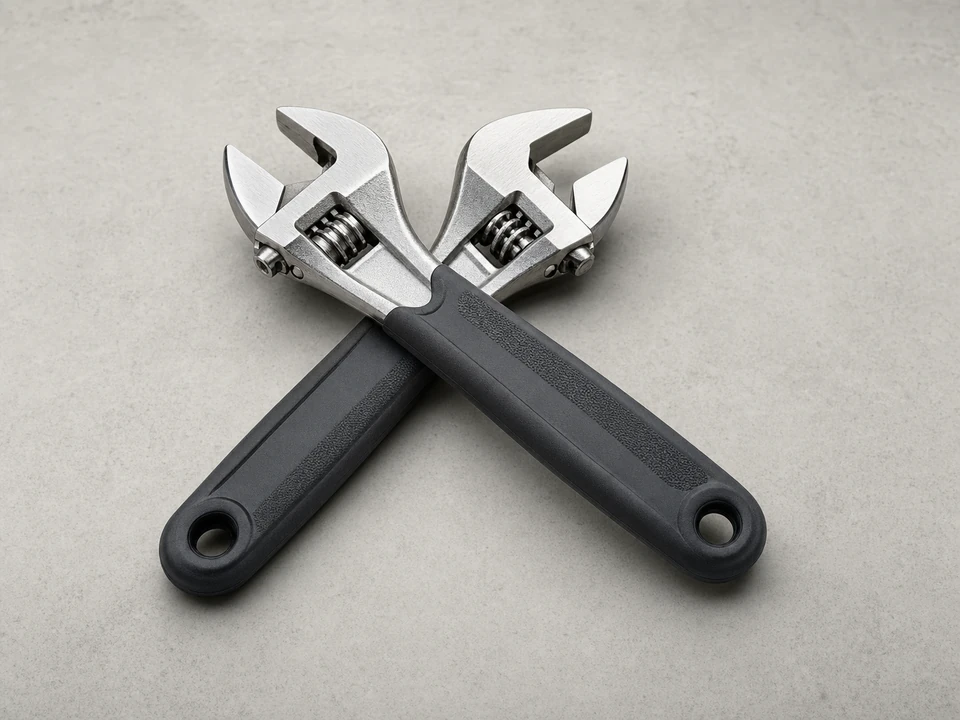
Adjustable wrench
Use it for: To loosen and tighten compression nuts and supply line connections.
Shop adjustable wrenchesTo replace a kitchen sink hot shutoff valve, first confirm the valve itself is leaking, seized, or restricting flow, then shut off the home water supply, remove the old valve, install a matching replacement, and test it under pressure for leaks.
This is a manageable under-sink repair if the valve is exposed and the supply pipe is in good shape. The key is matching the new valve to the existing pipe and supply line connection, then checking carefully for drips after the water is back on.
Before you start: Match the connection type, outlet size, and valve orientation before ordering.
Use it for: To loosen and tighten compression nuts and supply line connections.
Shop adjustable wrenches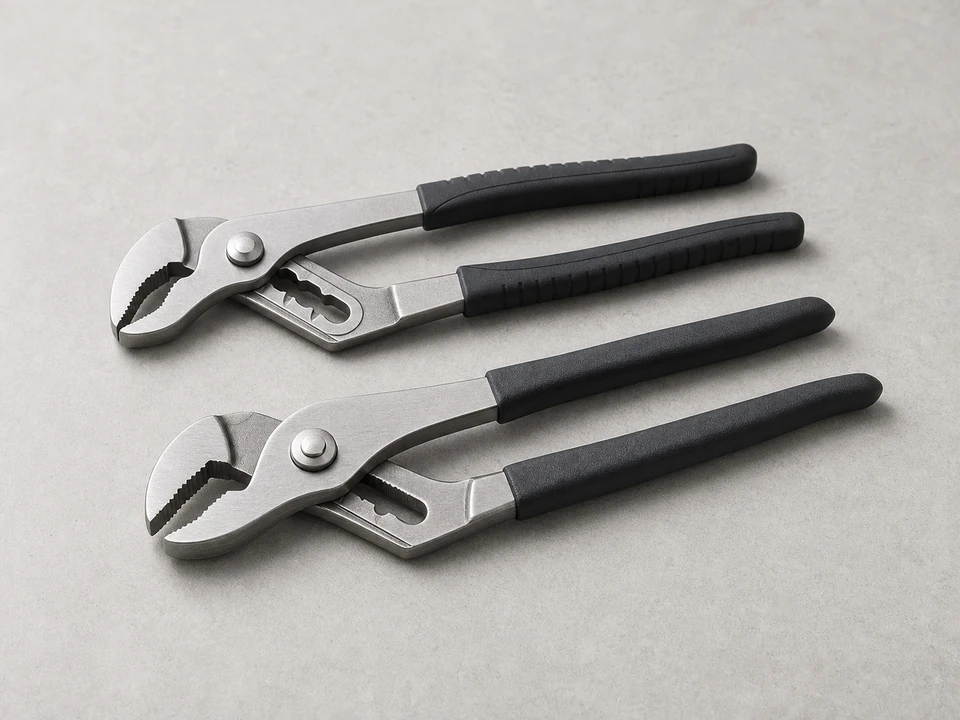
Use it for: To hold the valve body or back up the pipe while you loosen fittings.
Shop tongue-and-groove pliers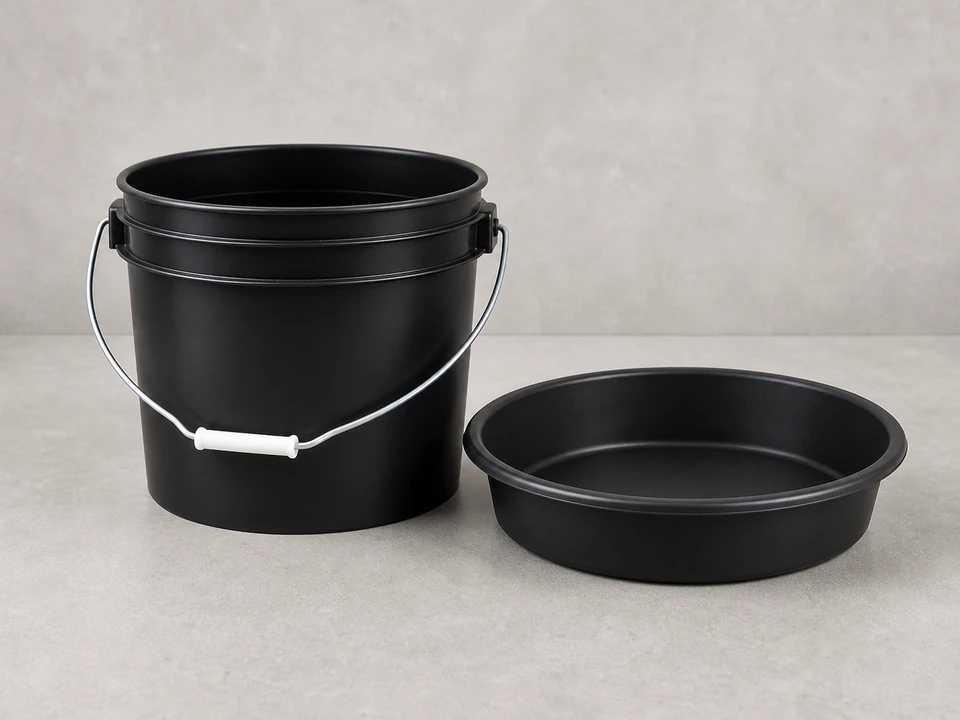
Use it for: To catch water left in the line when the valve and supply tube are removed.
Find a drain pan or bucket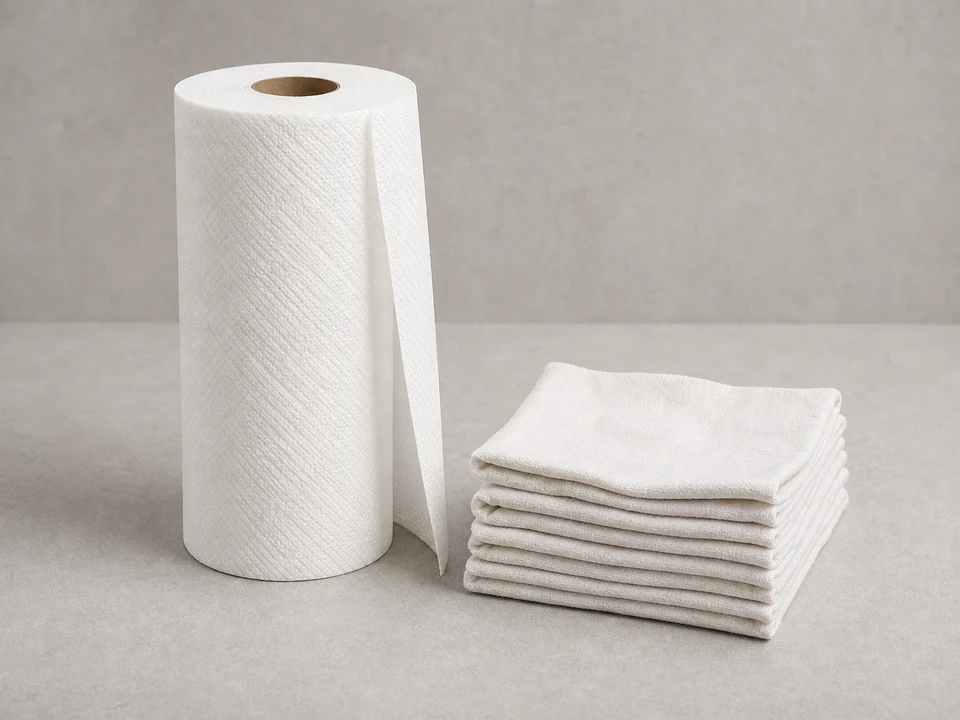
Use it for: To dry fittings so you can spot fresh leaks during testing.
Shop absorbent shop towels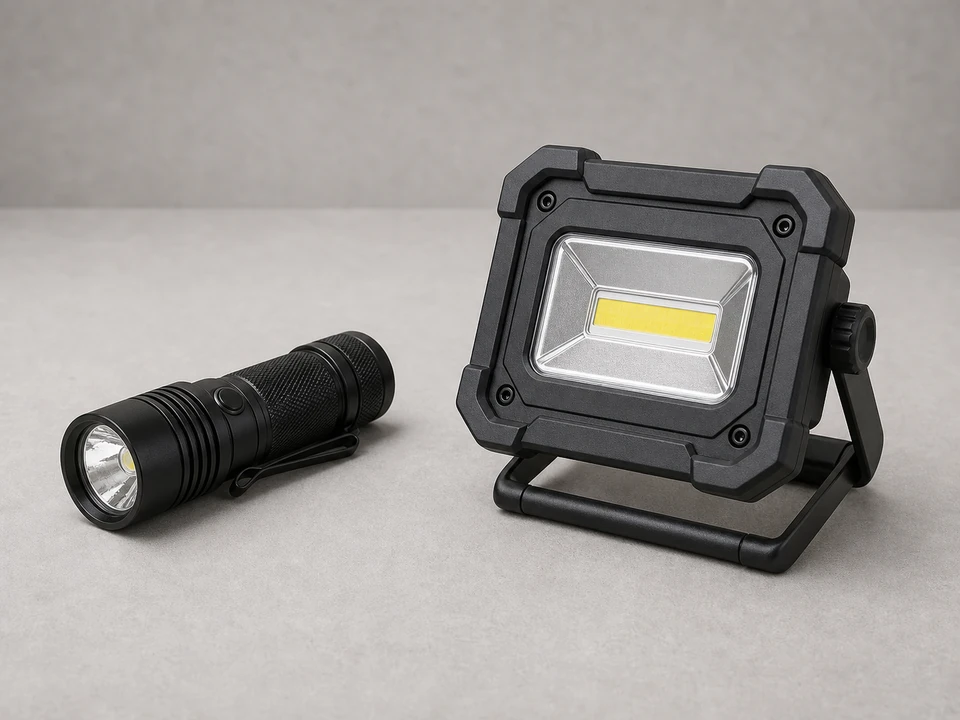
Use it for: To see the valve body, pipe connection, and any slow drips under the sink.
Find an LED work light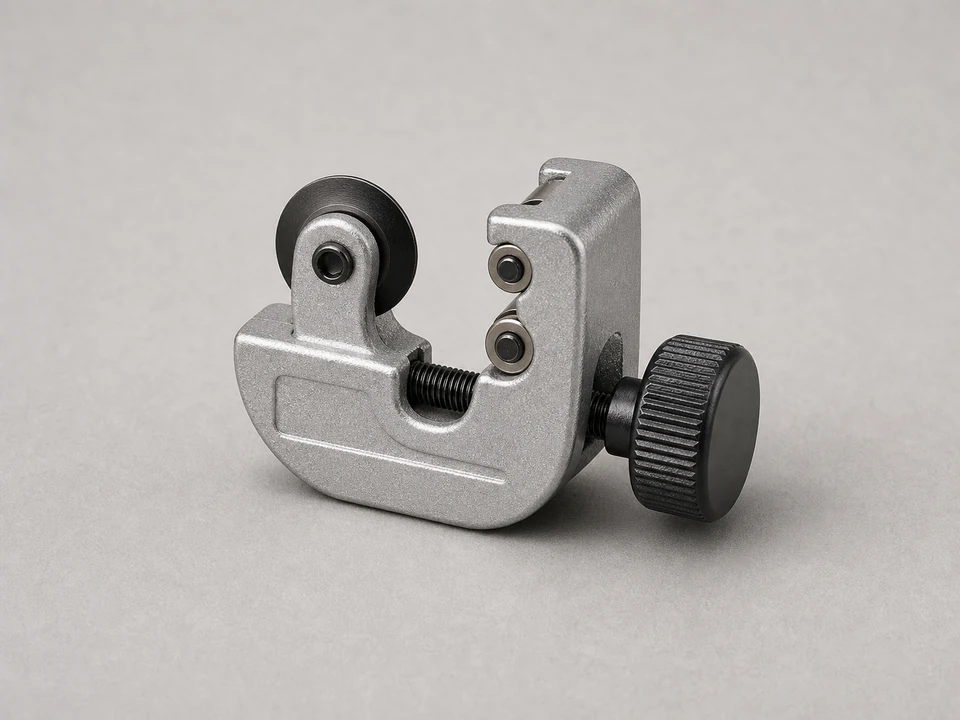
Use it for: To make a clean cut if the old compression sleeve or damaged pipe end has to be removed.
Shop a small tubing cutterAs an Amazon Associate I earn from qualifying purchases. Repair Riot may earn a commission at no extra cost to you.
If it works: You have confirmed the hot shutoff valve itself is leaking, seized, or restricting flow and replacement makes sense.
If it doesn’t: If the moisture starts above the valve, replace the supply line or inspect the faucet connection first. If both hot and cold flow are weak, look for a broader supply problem before changing the valve.
If it works: The line is depressurized and only a small amount of water should spill when you disconnect the valve.
If it doesn’t: If water keeps running strongly at the faucet, the main shutoff is not fully closed or is not holding. Recheck the main shutoff before continuing.
If it works: The old hot shutoff valve is off and the pipe end is clean, solid, and ready for the new valve.
If it doesn’t: If the old compression sleeve will not come off cleanly and the pipe is otherwise sound, you may need to cut the pipe back slightly and use a valve that fits the remaining pipe size and length.
If it works: The new valve is installed squarely, the supply line is reconnected, and the valve is closed for testing.
If it doesn’t: If the valve will not sit straight or the supply line no longer reaches cleanly, stop and correct the fit before turning the water back on.
If it works: The valve opens and closes normally, hot water flow is restored, and all connections stay dry.
If it doesn’t: If a fitting seeps, gently tighten that connection a little more while supporting the valve body, then dry it and recheck. If the leak continues, shut the water back off and reseat or remake the connection.
If it works: The new kitchen sink hot shutoff valve stays dry, controls the hot line properly, and holds up during normal faucet use.
If it doesn’t: If the valve works but a slow drip returns later, shut the water off again and inspect the exact connection that is wet. A recurring leak usually means the connection is mismatched, not fully seated, or the pipe end is damaged.
Match the connection type, outlet size, and valve orientation before ordering.
As an Amazon Associate I earn from qualifying purchases. Repair Riot may earn a commission at no extra cost to you.
Dry everything first, then run the faucet and watch closely. If water forms at the valve stem, valve body, or where the valve connects to the pipe, the valve is the problem. If the drip starts higher up, the supply line or faucet connection is more likely.
Sometimes a stem leak can be reduced by tightening the packing nut slightly, but if the valve is old, seized, leaking from the body, or restricting flow, replacing the whole valve is usually the more reliable fix.
You need a valve that matches the pipe connection type and size, plus the outlet connection used by your faucet supply line. Matching the general orientation also helps the supply line reach without strain.
If it will not come off cleanly and the pipe is long enough, many homeowners cut back to a fresh section of pipe and install the new valve there. If the pipe is short or fragile, it is safer to stop and get help.
Only use sealant where that connection type calls for it. Compression connections seal by the ferrule and nut, not by tape on the threads. Follow the valve's connection style rather than adding tape everywhere.