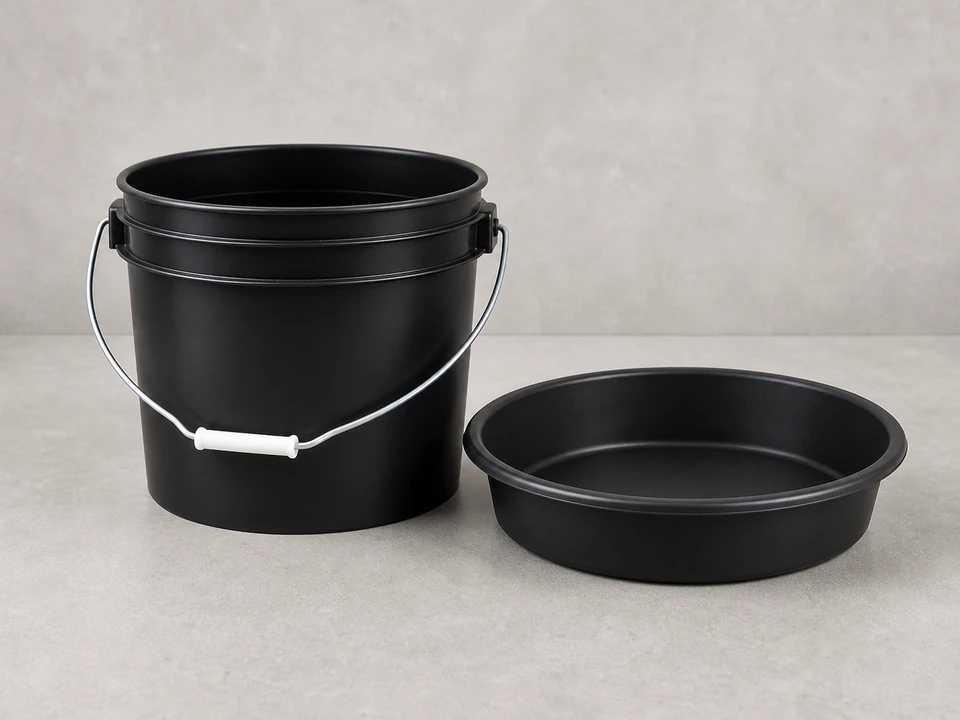
Bucket or shallow pan
Use it for: Catches the water and debris that spill out when the trap is removed.
Shop buckets for plumbing workTo replace a kitchen sink P-trap, confirm the leak is coming from the trap assembly, put a bucket underneath, remove the old slip-joint nuts and trap pieces, install the new trap in the same layout, then run water and check every joint for drips.
A kitchen sink P-trap usually leaks because the plastic or metal has cracked, the washers are worn, or the trap was bumped out of alignment. This is a manageable homeowner repair if the pipes are still solid and the new trap matches the old setup.
Before you start: Match the pipe diameter, inlet and outlet configuration, and trap style before ordering.
Use it for: Catches the water and debris that spill out when the trap is removed.
Shop buckets for plumbing work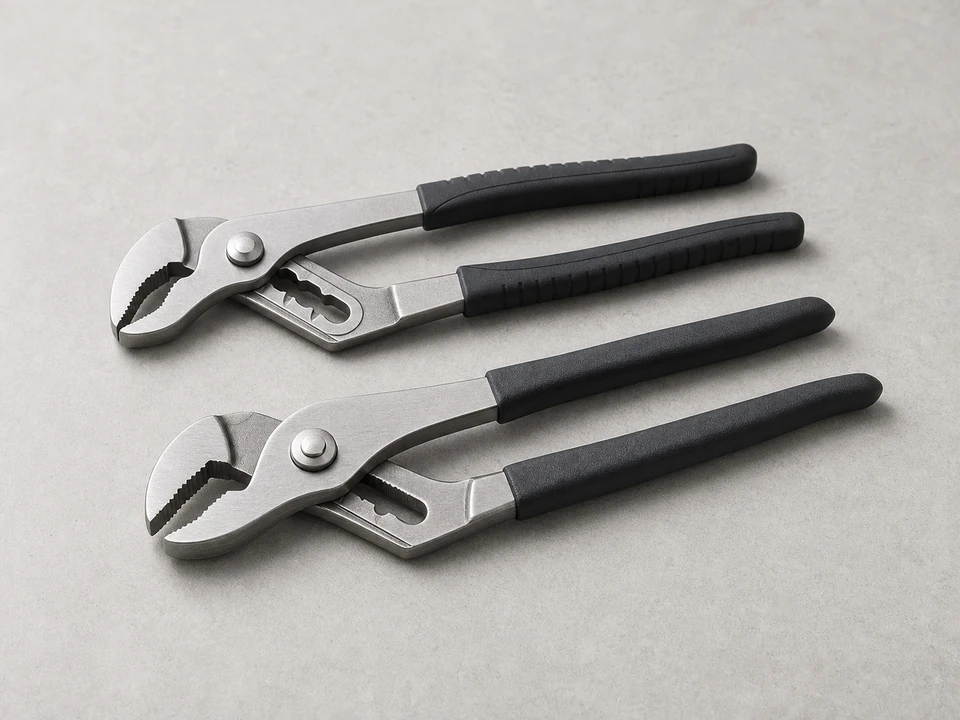
Use it for: Helps loosen stuck slip-joint nuts without crushing the pipe.
Find channel-lock pliers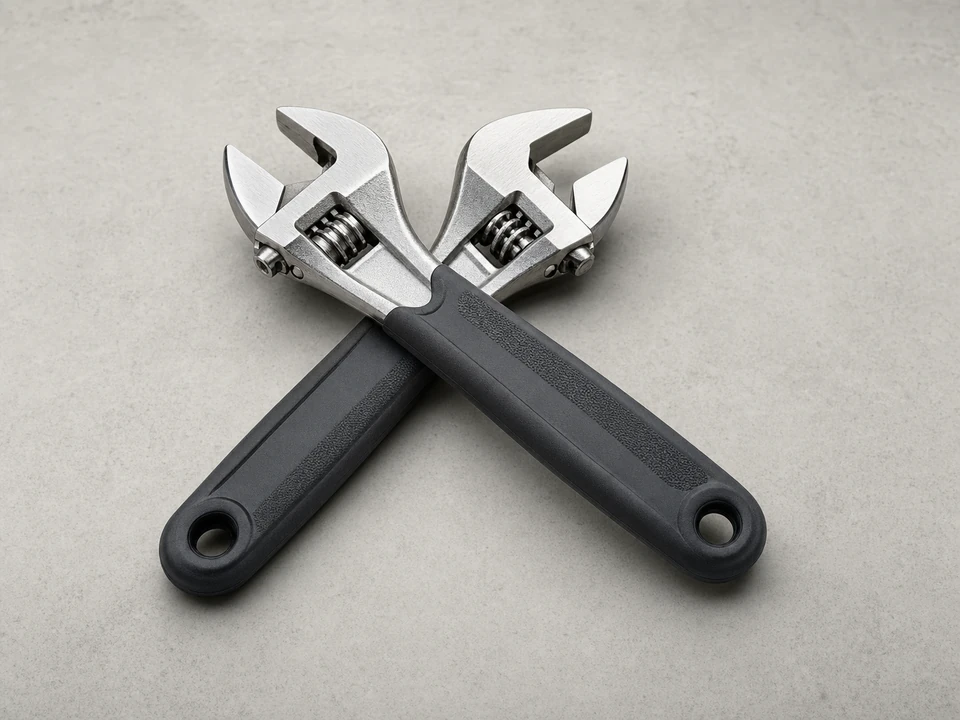
Use it for: Useful if parts of the old trap are metal or have stubborn fittings.
Shop adjustable wrenches
Use it for: Lets you wipe joints dry so you can spot fresh leaks during testing.
Find shop towels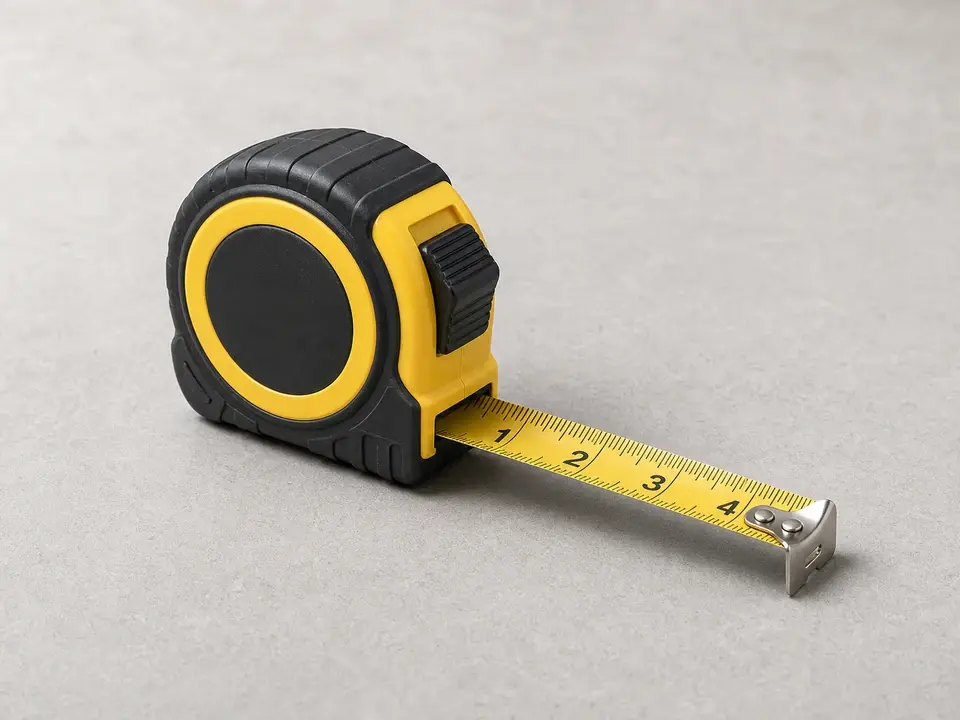
Use it for: Helps compare the old trap size and alignment to the replacement kit.
Shop tape measures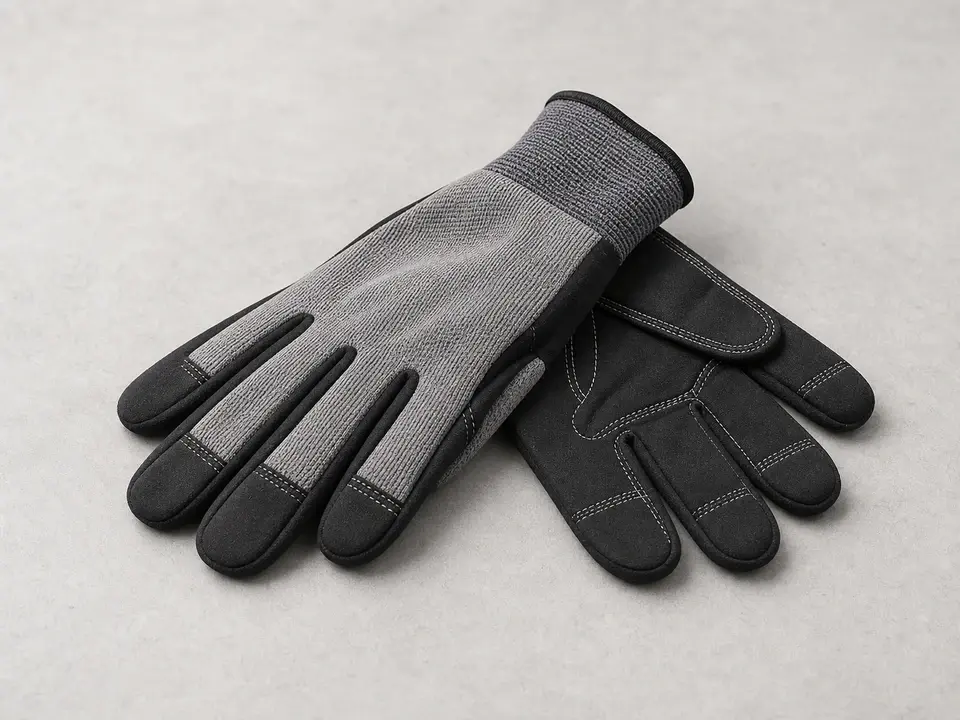
Use it for: Protects your hands from sharp edges, grime, and old metal burrs.
Find work glovesAs an Amazon Associate I earn from qualifying purchases. Repair Riot may earn a commission at no extra cost to you.
If it works: You can clearly tell the leak or damage is coming from the P-trap assembly itself.
If it doesn’t: If the water is coming from the sink basket, faucet supply lines, dishwasher hose, or a pipe inside the wall, fix that problem instead before replacing the trap.
If it works: The old P-trap is out and the surrounding pipes are accessible.
If it doesn’t: If a nut will not loosen, apply steady pressure with pliers and support the connected pipe so you do not crack another fitting.
If it works: The pipe ends are clean and the new trap parts match the old setup closely enough to install.
If it doesn’t: If the new kit does not match the pipe size or the trap arm cannot reach the wall drain without forcing it, exchange it for the correct configuration.
If it works: The new trap is assembled, aligned, and supported without forcing any pipe sideways.
If it doesn’t: If the trap only fits when parts are pulled hard out of line, rework the layout or get the correct trap pieces before tightening further.
If it works: All trap joints stay dry during a steady flow of water.
If it doesn’t: If a joint keeps leaking after reseating and slight tightening, the washer may be backward, the trap may be misaligned, or the replacement parts may not fit your drain correctly.
If it works: The sink drains normally and the new P-trap stays dry during real use.
If it doesn’t: If the trap leaks only during a full-basin drain, recheck alignment and washer seating, or replace any connected tailpiece parts that are also worn.
Match the pipe diameter, inlet and outlet configuration, and trap style before ordering.
As an Amazon Associate I earn from qualifying purchases. Repair Riot may earn a commission at no extra cost to you.
Usually no. Most kitchen sink P-trap connections use slip-joint nuts and washers, not threaded seals that need tape. The seal comes from the washer seating correctly and the pipes lining up properly.
The most common causes are a crooked connection, a backward or damaged washer, cross-threaded nut, or a trap kit that does not match the pipe size or layout. Slight tightening helps, but overtightening can make the leak worse.
It is better to use the new washers and nuts that come with the replacement trap kit if they fit your setup. Old washers often flatten out or harden and may not seal well again.
Match the diameter and connection style of your existing drain parts. Many kitchen sink drains use common trap sizes, but the safest approach is to measure the old trap and compare the inlet and outlet layout before buying.
Yes, it should have a slight downward pitch toward the wall drain. It should not slope backward, and it should not need to be forced into place.