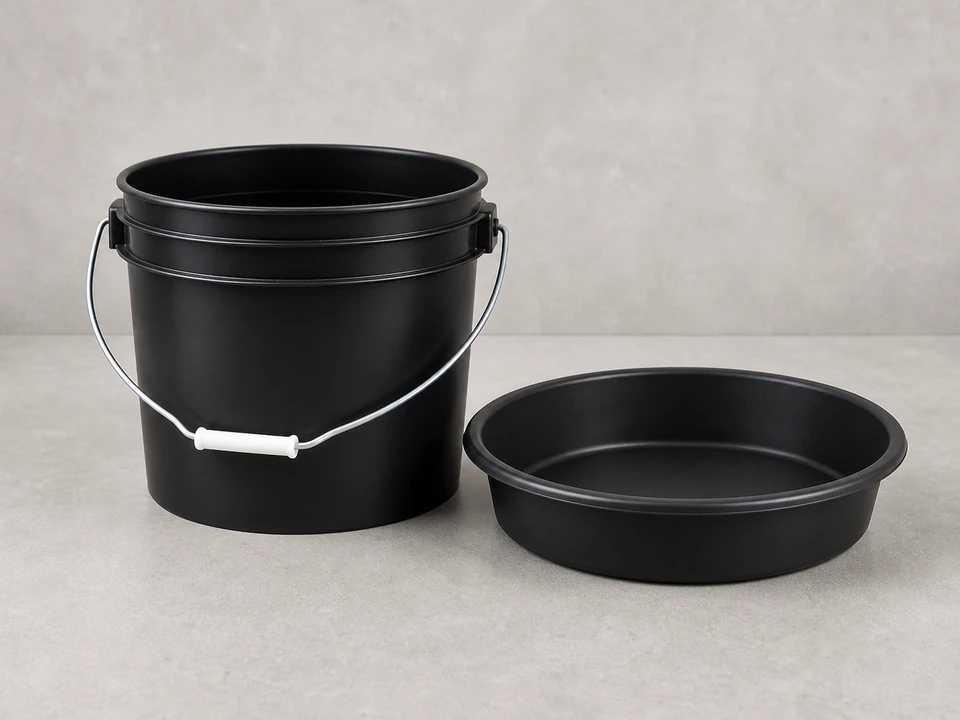
Bucket or shallow pan
Use it for: Catches the water and debris that spill out when the old trap comes off.
Shop buckets and drain pansIf the trap under your kitchen sink is cracked, corroded, badly stained from past leaks, or still drips after you snug the slip nuts and replace the washers, replacing the kitchen sink p trap assembly is the right repair.
This is a manageable homeowner repair if the leak is at the trap itself and the pipes still line up without force. The goal is to swap the old trap for a matching assembly, keep the joints straight, and confirm it stays dry during real sink use.
Before you start: Match the pipe diameter, inlet and outlet configuration, and trap style before ordering.
Use it for: Catches the water and debris that spill out when the old trap comes off.
Shop buckets and drain pans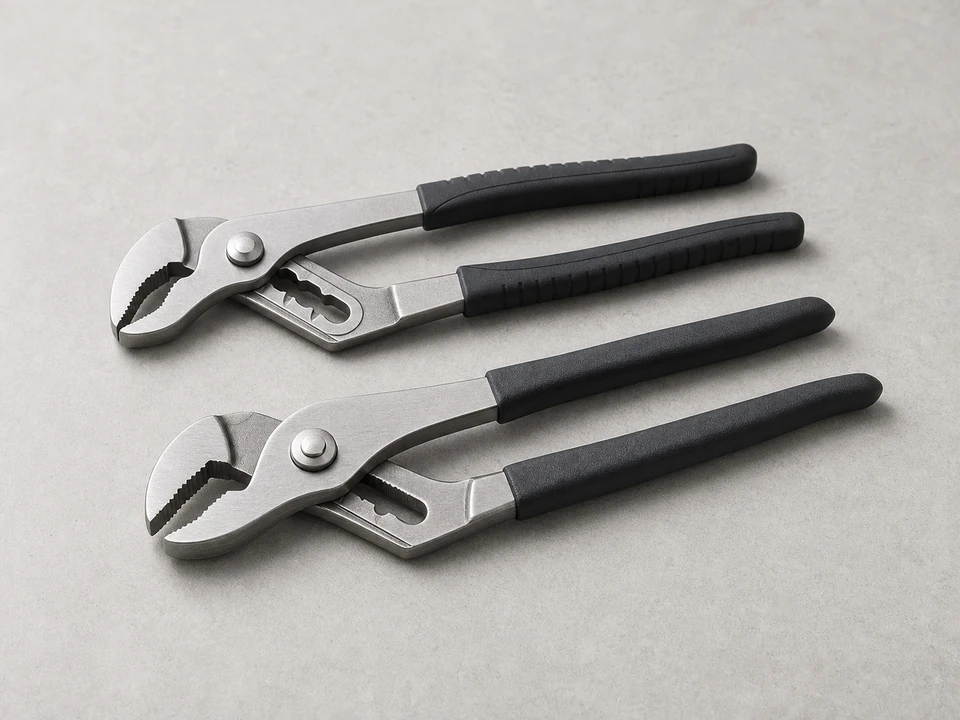
Use it for: Helps loosen stuck slip nuts and hold fittings without a lot of force.
Find channel-lock pliers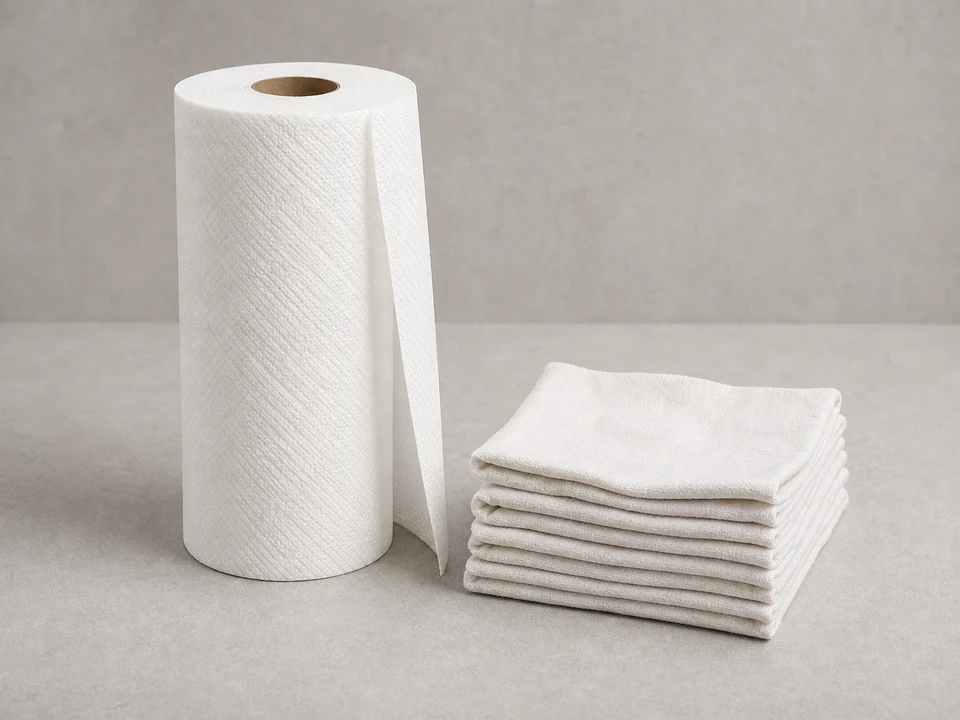
Use it for: Wipes out the trap, cleans the sealing surfaces, and helps spot fresh drips during testing.
Buy shop towels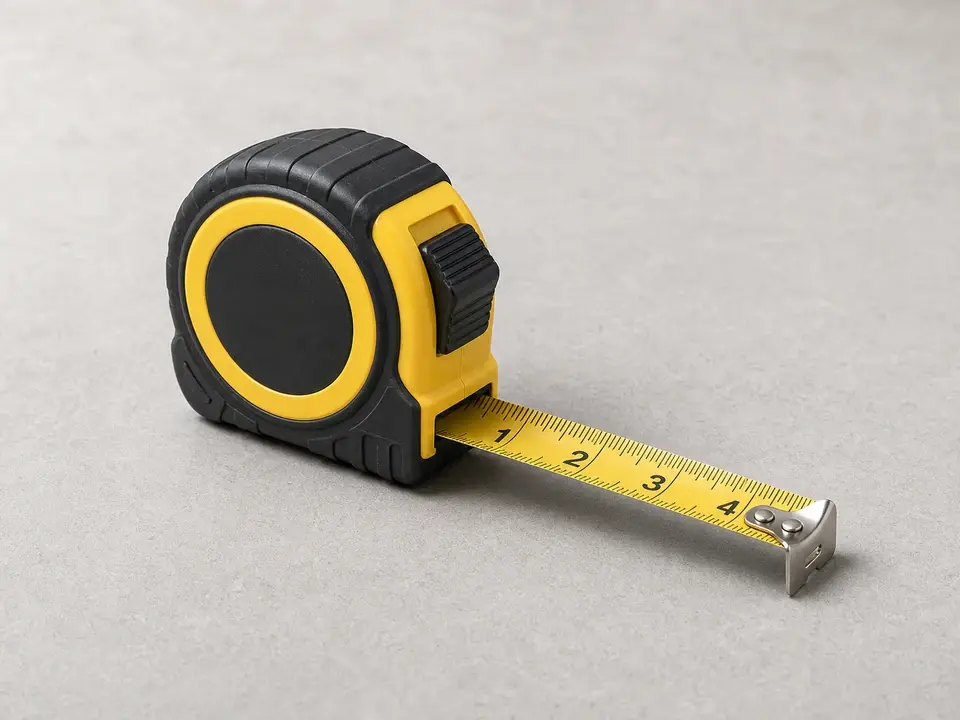
Use it for: Checks pipe diameter and helps compare the old trap layout to the new kit.
Find a tape measure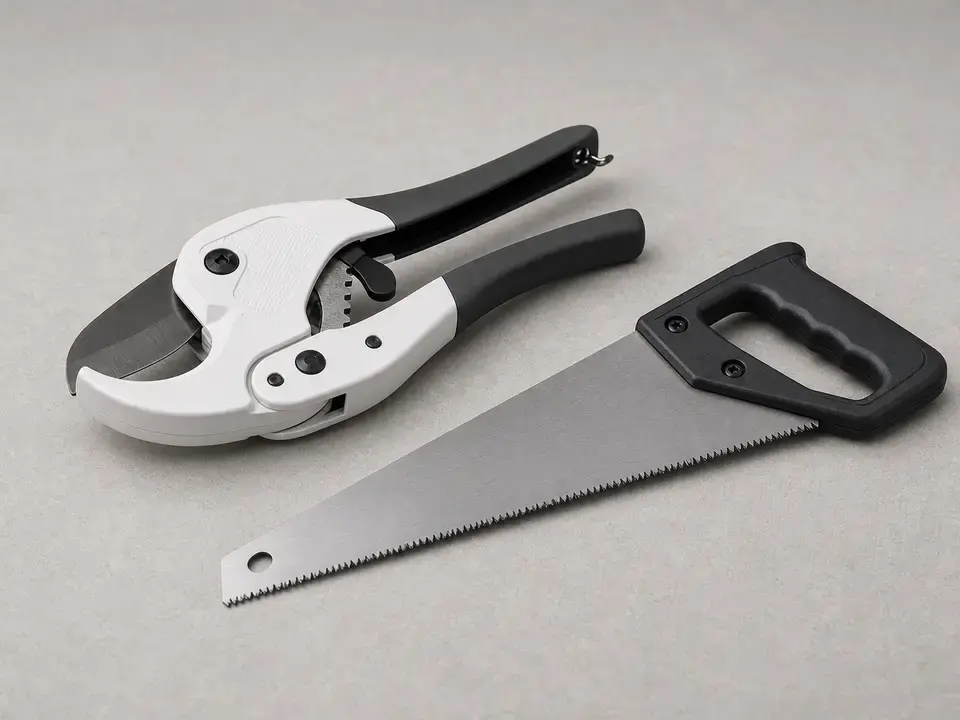
Use it for: Useful if a tubular section in the new kit needs to be trimmed for fit.
Shop a plastic pipe sawAs an Amazon Associate I earn from qualifying purchases. Repair Riot may earn a commission at no extra cost to you.
If it works: You have confirmed the leak is coming from the trap assembly or its slip-joint connections, not from the sink basket, faucet supply lines, disposal body, or shutoff valves.
If it doesn’t: If the water is coming from above the trap, dry everything and trace the leak higher before buying parts.
If it works: The old trap assembly is out and the connection points are clean and easy to inspect.
If it doesn’t: If a nut will not move, apply steady pressure instead of jerking it. If needed, reposition the pliers for a better grip and try again.
If it works: The new trap assembly matches the old setup and can be installed without forcing the pipes out of alignment.
If it doesn’t: If the new parts do not line up, recheck the diameter and configuration before cutting or tightening anything.
If it works: The new trap assembly is installed, straight, and fully supported by the connected pipes without strain.
If it doesn’t: If a joint keeps slipping out of place, loosen it, realign the pipes, and retighten by hand before using pliers again.
If it works: All trap joints stay dry during both a light flow and a heavier drain test.
If it doesn’t: If a joint still drips after a small adjustment, take that connection apart, check the washer direction and seating, and reassemble it.
If it works: The cabinet stays dry during real use, which confirms the new kitchen sink p trap assembly is sealing properly.
If it doesn’t: If you find fresh moisture later, dry the area, identify the exact joint, and recheck alignment and washer placement before tightening further.
Match the pipe diameter, inlet and outlet configuration, and trap style before ordering.
As an Amazon Associate I earn from qualifying purchases. Repair Riot may earn a commission at no extra cost to you.
Usually no. Most kitchen sink P-trap assemblies seal with slip nuts and tapered washers, not thread sealant. The key is correct washer direction, clean sealing surfaces, and straight alignment.
The most common causes are a crooked connection, a washer facing the wrong way, a pipe that is not fully seated, or overtightening that distorts the washer. Take the leaking joint apart and reassemble it carefully instead of just tightening harder.
It is better to use the new washers and nuts that come with the replacement kit if they match the setup. Old washers often harden or deform and can cause repeat leaks.
Measure the pipe diameter on the existing tubular drain parts and compare the overall layout to your current setup. Also check whether you are connecting to a standard sink tailpiece or a disposal outlet so the new assembly matches.
Minor adjustment is normal, but the trap should not need to be forced into place. If the wall drain location or sink drain setup is too far off for a standard trap kit, you may need additional fittings or a plumber to correct the alignment.