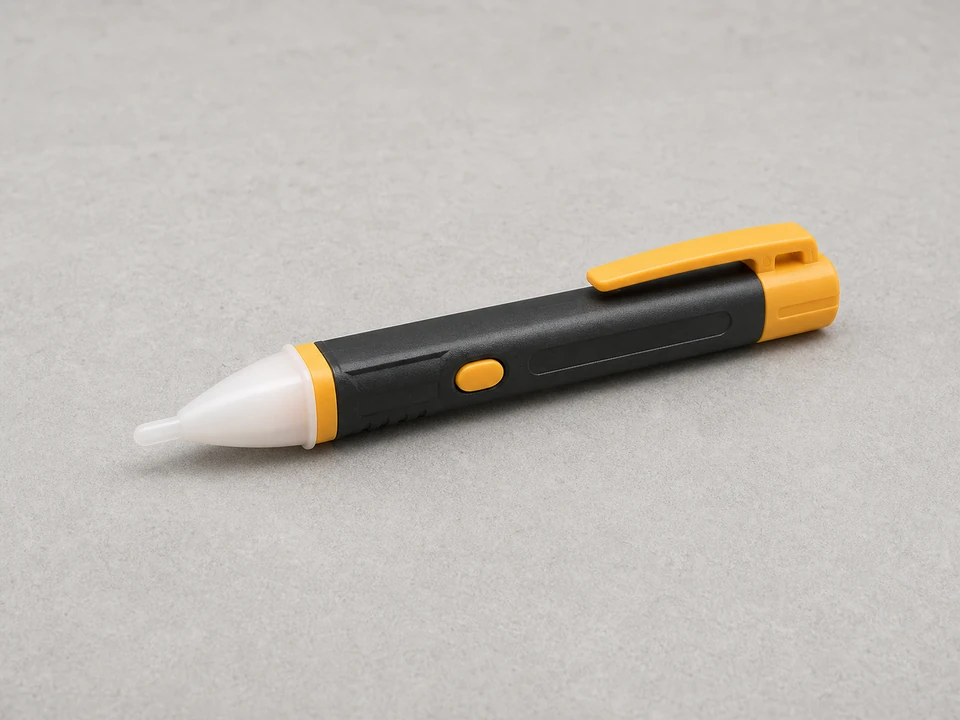
Non contact voltage tester
Use it for: To confirm the switch box is de-energized before you touch any wires.
Shop non-contact voltage testersTo replace a light switch three way, shut off the correct breaker, confirm the old switch is actually a three-way switch, label the common wire before removing anything, move the wires to the matching terminals on the new switch, then test the light from both switch locations.
This repair is straightforward if the wiring is in good shape and you keep track of the common wire. The biggest mistake is mixing up the common terminal with the two traveler terminals, so slow down and label before you disconnect the old switch.
Before you start: Match the switch type, amperage rating, grounding style, and terminal layout before ordering. A three way switch is not the same as a single pole switch.
Use it for: To confirm the switch box is de-energized before you touch any wires.
Shop non-contact voltage testers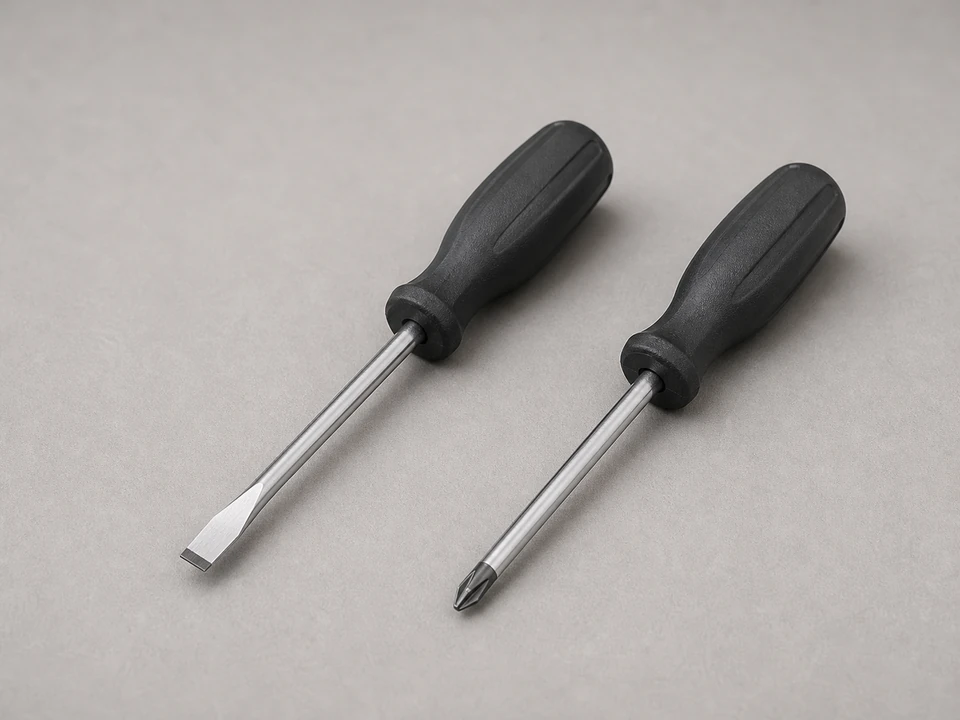
Use it for: To remove the wall plate, pull the switch out, and tighten terminal screws.
Shop screwdrivers for switch replacement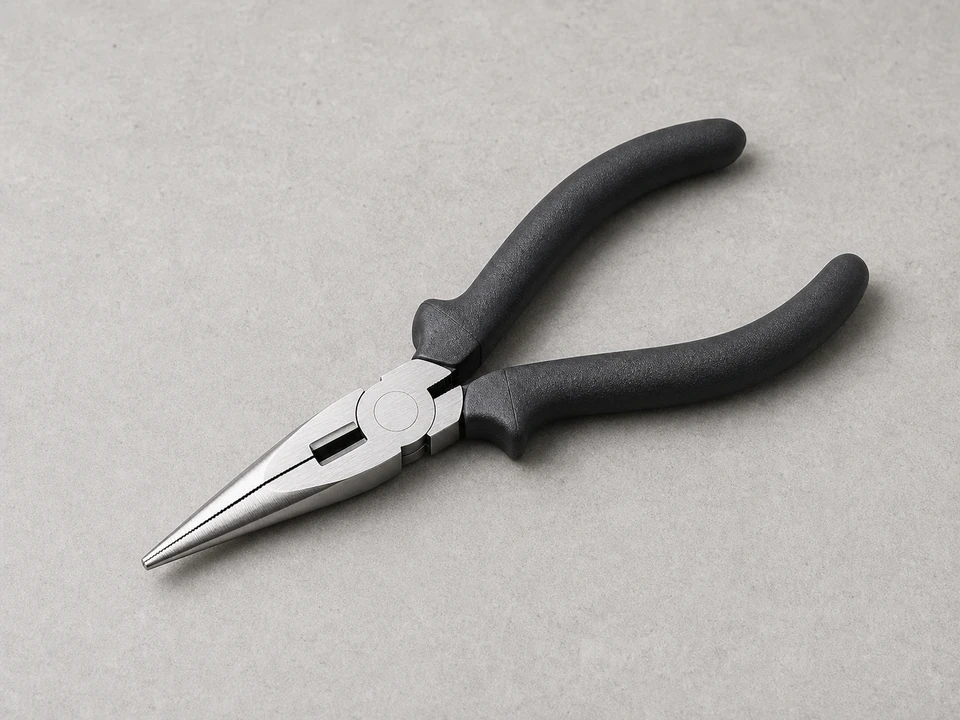
Use it for: To bend wire loops neatly onto terminal screws if needed.
Shop needle-nose pliers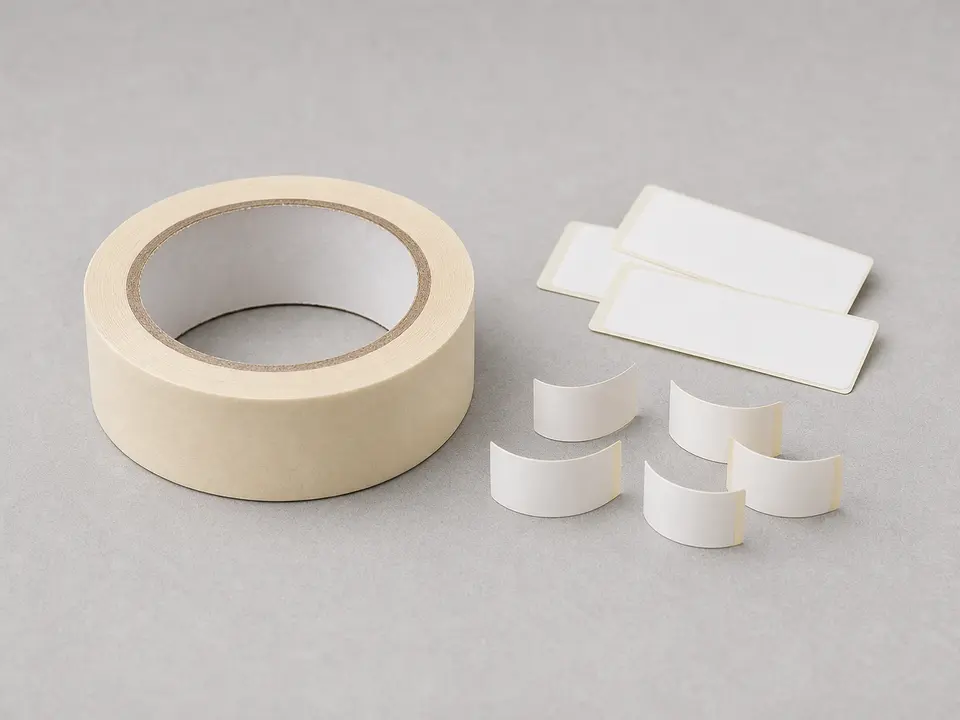
Use it for: To mark the common wire and keep the travelers organized.
Shop wire labeling supplies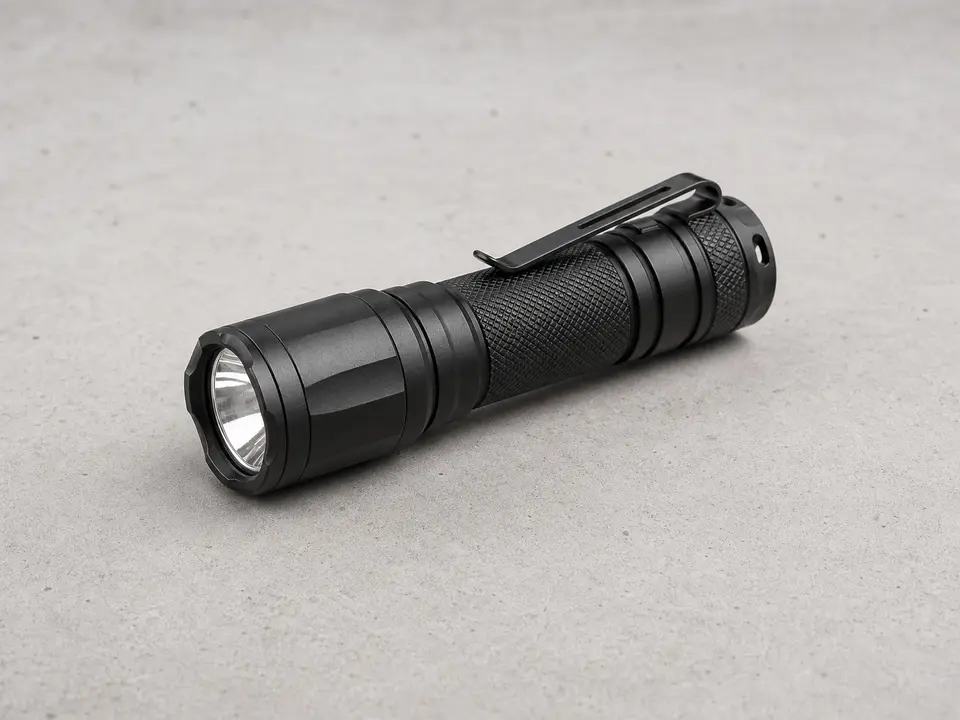
Use it for: To see terminal colors and wire positions with the breaker off.
Shop flashlights for electrical workAs an Amazon Associate I earn from qualifying purchases. Repair Riot may earn a commission at no extra cost to you.
If it works: You confirmed this is a three-way switch and replacement makes sense.
If it doesn’t: If the light is controlled from only one location, or the switch does not have a common terminal and two traveler terminals, stop and identify the correct switch type first.
If it works: The switch box is de-energized and safe to handle.
If it doesn’t: If anything still tests live, go back to the panel and find the correct breaker before continuing.
If it works: The common wire is clearly identified and you have a reference photo.
If it doesn’t: If you cannot tell which terminal is the common, compare screw colors carefully and inspect the old switch body before removing wires.
If it works: All wires are landed on the correct terminals and the new switch is mounted neatly in the box.
If it doesn’t: If the new switch terminal layout looks different from the old one, use the terminal labels on the new switch and your common wire label rather than copying physical position alone.
If it works: The light responds and the switch feels solid in the wall.
If it doesn’t: If the breaker trips or the light does not respond normally, turn the breaker back off and recheck that the common wire is on the common terminal.
If it works: Both switch locations work normally in every position and the repair holds in real use.
If it doesn’t: If the light only works in some positions, the travelers are likely fine but the common wire is probably on the wrong terminal. Turn power off and recheck the common connection.
Match the switch type, amperage rating, grounding style, and terminal layout before ordering. A three way switch is not the same as a single pole switch.
As an Amazon Associate I earn from qualifying purchases. Repair Riot may earn a commission at no extra cost to you.
No. A three-way circuit needs a three-way switch with one common terminal and two traveler terminals. A single-pole switch will not work correctly in that setup.
Usually the switch will still work as long as the common wire is on the correct terminal. The common wire is the critical one to label and move correctly.
Look for the screw that is a different color from the other two active terminals, often darker. That different-colored screw is typically the common terminal.
That usually means the common wire was placed on a traveler terminal. Turn the breaker off and recheck which wire came from the old switch's common screw.
Not usually. If only one switch is loose, damaged, or overheating, you can replace just that one. If both are worn or mismatched, replacing both can make the setup more consistent.